
Why Tenant Experience Matters in Property Management
In the competitive rental market of Amarillo and the Texas Panhandle, reducing tenant churn is not just about filling vacancies. It is about using a tenant experience framework that encourages residents to stay long-term. High turnover costs landlords and property managers time, rent, and sanity. As a result, small service gaps can turn into expensive vacancies fast.
Creating a solid resident experience means being proactive and intentional at every step of the tenant journey. For a broader local view, see our Panhandle landlording guide.
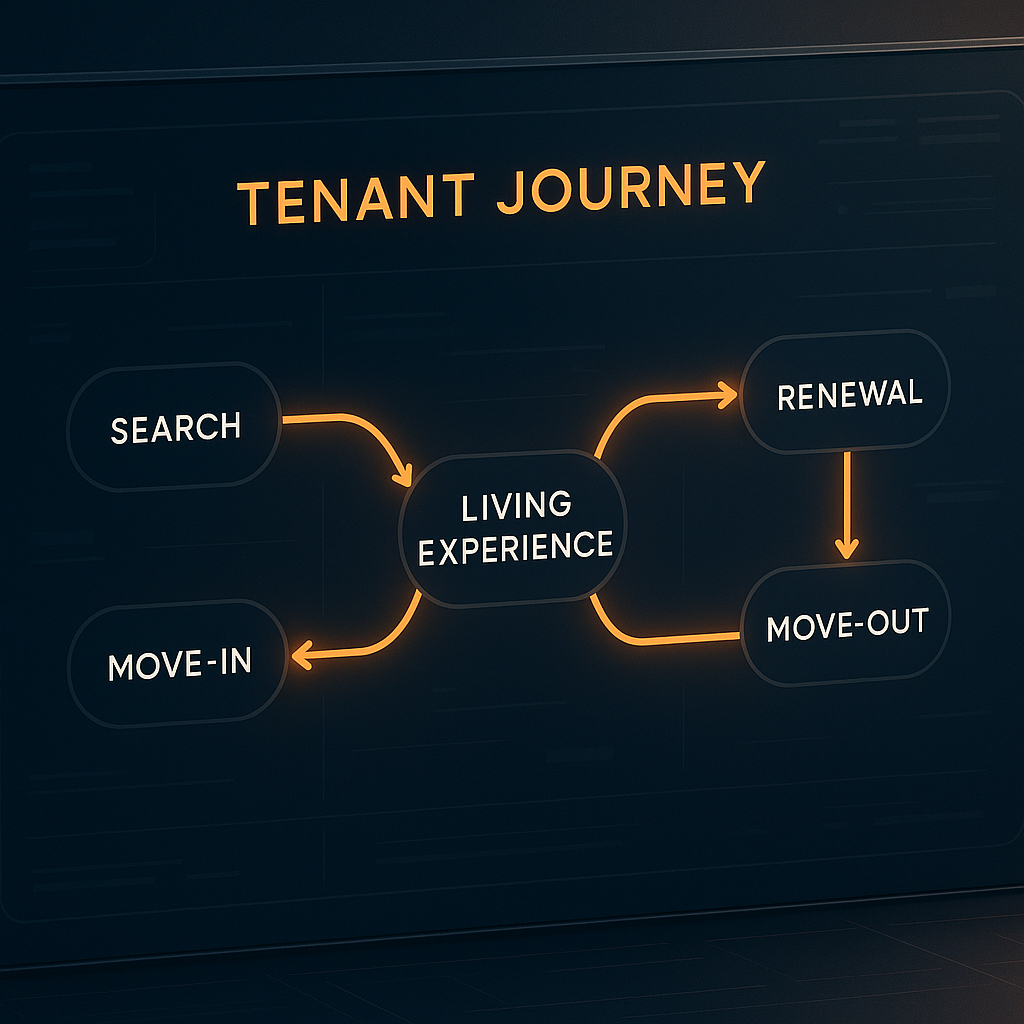
Understanding the Tenant Experience Framework
This system is not about isolated interactions. Instead, it looks at the full tenant journey as one connected process:
- Search and application
- Move-in
- Living experience
- Renewal decision
- Move-out
Therefore, your property management operations team can stop reacting to every fire drill. The goal is to spot friction early, improve tenant satisfaction, and reduce tenant churn before a resident starts browsing other rentals.
Key Components of an Effective Tenant Retention System
1. Map the Tenant Journey and Pinpoint Risk Points
Start by identifying the touchpoints that shape a tenant’s decision to stay or leave. Common pain points include maintenance requests, rent increase communication, lease rule issues, and renewal timing.
For example, track how long it takes to answer questions and resolve repairs. Then compare that with complaints, renewal rates, and tenant satisfaction scores. This simple map shows where your operations need work first.
2. Set Clear Service Standards with No-Fail Moments
Tenants expect prompt, clear communication and reliable maintenance. In addition, Texas landlords should understand the repair and habitability rules in the Texas Property Code and review specific questions with a qualified professional.
Define and enforce standards such as:
- Responding to all tenant inquiries within 24 hours
- Providing regular updates on maintenance requests through a digital work order system
- Prioritizing life-safety concerns and essential comforts like HVAC and plumbing
These non-negotiable service levels build trust. As a result, they become one of the strongest tenant retention strategies a landlord can use.
3. Build a Centralized Digital Tenant Experience
Use a tenant portal or communication platform to make life easier for everyone. Meanwhile, keep your tone human. Nobody wants a robot when the water heater quits at 7:30 p.m.
Key features include:
- Direct, multi-channel communication, such as SMS, email, and app notifications
- Easy maintenance request submission and real-time status tracking
- Access to lease documents, building policies, and helpful property information
This centralized approach reduces frustration and improves transparency. It also supports a smoother process from application to renewal, especially when paired with a strong rental move-in flow.

4. Capture and Leverage Feedback Continuously
Tenant surveys should not be a one-time event. Instead, send short pulse surveys after key moments like move-in, maintenance repairs, and renewal offers.
Then review the answers with portal activity, complaints, and maintenance history. Over time, these patterns show which issues are annoying residents before they become deal-breakers.
5. Use Data to Act Early
AI and data tools can help score churn risk based on signs like repeated maintenance issues, lower portal engagement, late payments, or negative feedback. However, the tool is only helpful if your team follows up with care and good judgment.
For example, a resident with rising frustration may need a personal check-in, a faster repair update, or a clear payment conversation. If late rent becomes part of the pattern, follow a consistent process and review late rent rules before taking action.

6. Develop a Playbook for Retention Interventions
For tenants flagged at higher risk, use a simple playbook. Still, keep it personal enough to feel real.
- Prioritize resolving outstanding problems with high-touch service
- Highlight relevant upgrades, community improvements, or property changes
- Offer lease flexibility or incentives where they make sense
- Conduct personal check-ins to reinforce value and appreciation
Strong relationships are often the tipping point in securing renewals. In short, people are more likely to stay when they feel heard and respected.
7. Tie Experience to Operational KPIs and Governance
Track and review key metrics regularly:
- Tenant retention and churn rates
- First response and resolution times for maintenance
- Tenant satisfaction scores and NPS
- Portal and amenity utilization rates
- Financial impacts related to turnover costs
Use monthly operational reviews to test new ideas and measure the impact. For property management Amarillo owners, this is where good habits protect cash flow. In addition, better retention usually works hand in hand with the science of reducing vacancy.
Taking Action: A 90-Day Plan
- Establish your churn baseline and understand why tenants leave
- Map the 3-4 most critical tenant journeys linked to churn
- Implement or optimize a tenant portal for communication and maintenance
- Set clear response and resolution targets, then track performance
- Launch initial tenant satisfaction surveys and identify early churn risk indicators
- Explore AI tools or analytics to develop a churn prediction model over time
Also, review your process for lease rules, notices, and documentation. A strong experience does not mean ignoring standards; it means applying them fairly and consistently.
Conclusion
Reducing tenant churn in Amarillo takes more than a quick renewal email. It takes journey mapping, clear service standards, digital tools, feedback, and early intervention.
Therefore, a practical resident experience system can protect your bottom line and build long-term loyalty. If you are ready to refine your process, Blaze Real Estate can help you build property management systems tailored to the Texas Panhandle market.
Frequently Asked Questions
What is a tenant experience framework?
A tenant experience framework is a structured way to manage the full renter journey, from application to move-out. It helps landlords improve service, communication, maintenance, and renewals.
How can landlords reduce tenant churn?
Landlords can reduce tenant churn by responding quickly, fixing maintenance issues, setting clear expectations, and checking in before renewal time. Consistent service matters more than big promises.
Which tenant retention strategies work best in Amarillo?
In Amarillo, the best tenant retention strategies are fast HVAC response, clear communication, fair renewal talks, and a clean move-in process. Panhandle weather makes maintenance speed especially important.
How often should landlords measure tenant satisfaction?
Landlords should measure tenant satisfaction after move-in, after maintenance work, and before renewals. Short surveys are usually better than long forms tenants will ignore.
Should I self-manage tenant experience or hire property management?
You can self-manage if you have time, systems, and a consistent process. However, professional property management can help when repairs, communication, compliance, and renewals become hard to track.