
How Can Amarillo Landlords Cut Empty Days Without Chasing Bad Tenants?
Reducing vacancy in an Amarillo rental property is not just about finding the next tenant faster. It is about pricing correctly, renewing good tenants early, turning units quickly, and avoiding dead time. As a result, one empty month on a $1,500 rental means $1,500 in lost income before repairs, utilities, marketing, or leasing costs are counted.
Therefore, vacancy control has to work like an operating system, not a last-minute scramble. In the Texas Panhandle, rental demand can shift by season, property condition, school schedules, jobs, and price sensitivity. However, a property that sits too long usually has a reason. The job is to find that reason early and fix it before the empty days get expensive.
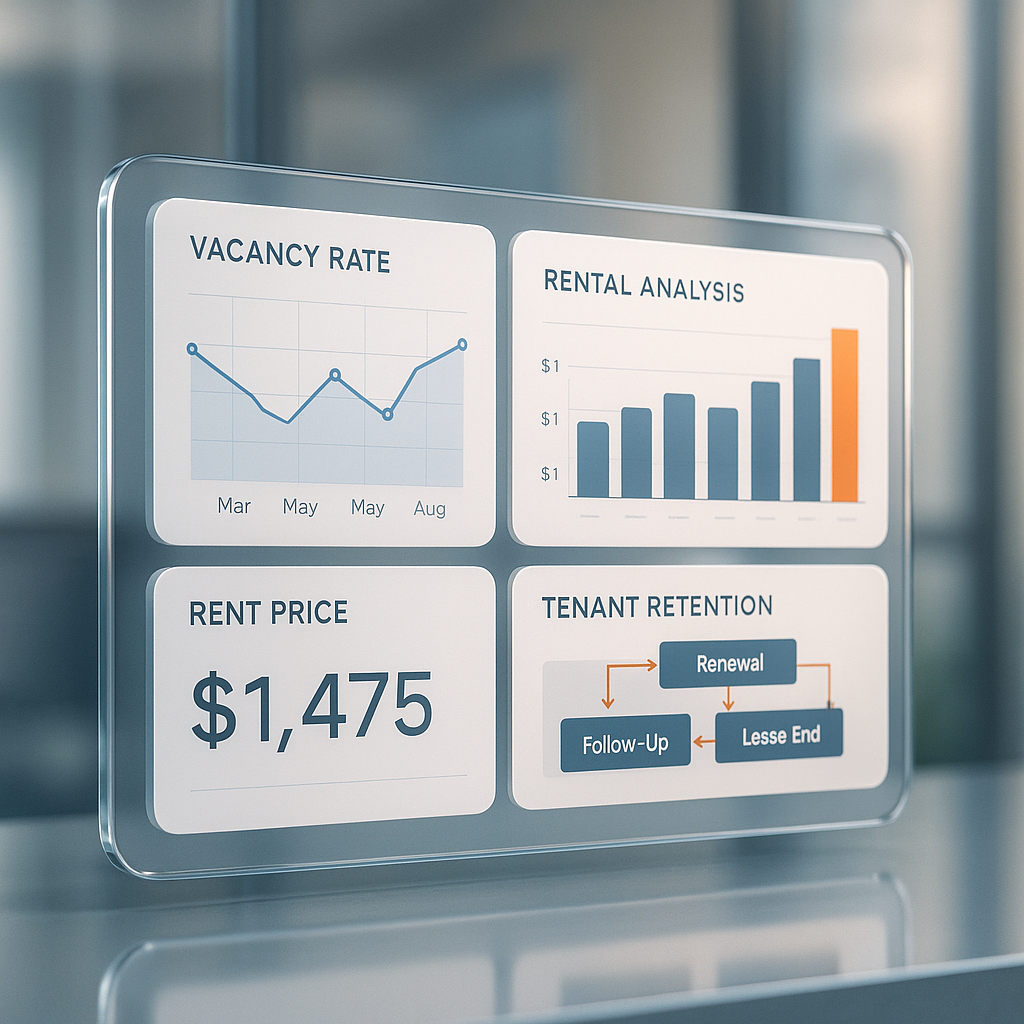
Why Does Vacancy Hurt Rental Property Performance So Quickly?
Vacancy is one of the fastest ways a rental property loses momentum. The owner is not collecting rent, but the expenses do not politely stop and wait. Taxes, insurance, utilities, lawn care, mortgage payments, make-ready work, and management time continue whether the unit is occupied or not.
For example, if a rental home should lease for $1,500 per month, a 30-day vacancy costs roughly $1,500 in lost rent alone. Stretch that to 45 days, and the missed rent is about $2,250. In addition, that number does not include cleaning, repairs, advertising, leasing labor, or concessions. Vacancy looks like “just a month,” but the actual damage is usually bigger than the rent line.
Still, the goal is not to fill the property with anyone who can fog a mirror and hold a pen. That is how you trade today’s empty unit for nonpayment, damage, and property turnover later. Instead, the goal is to cut avoidable downtime while still placing a qualified tenant who fits the property and the lease terms.
The First Step to reducing vacancy
The first step is keeping the right tenants before they give notice. Tenant retention is usually cheaper than turnover. A renewal avoids lost rent, rental marketing costs, cleaning, lock changes, utility transfers, repair coordination, and the risk of choosing poorly under pressure.
However, that does not mean every tenant should be renewed. Some residents create enough nonpayment, property damage, or operational drag that turnover is the better business decision. But when a tenant pays on time, communicates reasonably, and takes care of the property, keeping that tenant should be part of the vacancy strategy.
Renewal conversations should start before the lease is almost over. In most cases, 60 to 120 days before expiration is a better window than the final few weeks. Therefore, early communication gives the tenant time to decide, gives the owner time to evaluate pricing, and gives the management team time to prepare if the tenant plans to move.
Reasonable rent increases also matter. A rent increase may be justified, especially when taxes, insurance, repairs, and market rents have changed. However, pushing too hard can backfire if the increase creates a vacancy that costs more than the extra monthly rent would have produced. The right question is not only “Can we get more rent?” The better question is “What rent protects income after vacancy risk is considered?”
For a broader look at rental operations, review our Panhandle landlording guide. It gives owners a practical framework for running rentals with fewer surprises.
How Should Rental Pricing Be Used to Cut Empty Days?
Pricing is one of the biggest vacancy levers. It is also one of the easiest places for owners to get emotional. Everyone wants top-of-market rent. However, tenants do not care what the owner wants. They compare the home with other available options, then decide whether the price makes sense.
A rental should be priced using current local competition, property condition, location, amenities, seasonality, and lead activity. If the property is getting views but no inquiries, the listing may have a presentation problem or a price problem. If it is getting inquiries but no qualified applications, the price may be attracting the wrong pool. In addition, if it is getting showings but no one is applying, the condition, layout, smell, neighborhood, or photos may not match the advertised rent.
In Amarillo and the Texas Panhandle, owners should be careful with overpricing during slower leasing windows. A slightly ambitious rent may be fine if demand is strong and the property shows well. However, if the home sits for weeks with weak activity, the market is already giving feedback. Ignoring that feedback is not confidence. It is expensive stubbornness wearing boots.
Therefore, owners should compare the asking rent with real competition, not last year’s wish list. They should also factor in the cost of waiting. A clean rental analysis does not guarantee zero vacancy, but it helps keep the decision grounded in numbers instead of hope and caffeine.
How Does Marketing Reduce Downtime Before the Tenant Moves Out?
Marketing should not begin the day after a tenant moves out. By then, the clock is already running. Instead, prepare early, confirm notice details, evaluate rent, gather listing information, and start the leasing process as soon as it is practical and appropriate.
Good rental marketing starts with clear photos, accurate details, realistic pricing, and fast response. The listing should answer the questions tenants actually care about: rent, deposit, location, bedroom and bathroom count, pet policy, application standards, availability date, and how to schedule a showing. If the listing is vague, tenants move on. They have options, and they are not going to solve a mystery for fun.
Pre-marketing can also help reduce downtime when handled correctly. If a tenant has given notice and the property can be shown or promoted within the lease and company policy, the next applicant pipeline can begin before the home is empty. As a result, the gap between possession, repairs, approval, and move-in can shrink.

Why Does Tenant Screening Affect Vacancy?
Tenant screening does not just protect against nonpayment. It also affects how often the property turns over. A poorly matched tenant may leave quickly, violate the lease, damage the property, or create ongoing management issues. That kind of placement can make the vacancy number look good for one month while creating bigger losses later.
However, screening needs to stay consistent and fair. Landlords should avoid one-off decisions that could create fair housing risk, especially when evaluating applicants, setting criteria, or advertising rental requirements. HUD’s overview of housing discrimination under the Fair Housing Act is a useful official reference for protected classes and prohibited rental practices.
The point is not to find a perfect person. The point is to avoid guessing. A vacant property creates pressure, and pressure makes owners want to approve the first applicant who seems close enough. That is where bad decisions happen. Filling a unit quickly only helps if the tenant can actually perform under the lease.
In addition, owners should document their standards before applications arrive. Clear criteria help reduce confusion, protect consistency, and keep leasing decisions focused on business factors. When in doubt, review your process with a qualified attorney or fair housing professional.
How Can Turnover Operations Shorten Vacancy?
Turnover is where a lot of vacancy is either saved or wasted. Once a tenant gives notice, the owner or property manager should already be thinking about inspections, repair scheduling, cleaning, keys, utilities, photography, pricing, and relisting.
The biggest mistake is waiting until move-out to start planning. If the vendor list is not ready, the repair scope is unclear, and nobody knows who is responsible for what, the property sits. A few days waiting on a cleaner, a few days waiting on paint, and a few days waiting on approval can become half a month.
A good turnover process identifies likely repairs early, schedules vendors quickly, and separates necessary make-ready items from wish-list upgrades. Not every vacancy needs a full remodel. Sometimes the best return comes from paint touchups, working blinds, clean flooring, fresh caulk, functioning fixtures, odor removal, yard cleanup, and professional photos. Renters notice whether the property feels cared for.
For example, a planned move-in process can prevent small delays from stacking up. If your handoff feels clunky, our guide to the rental move-in flow can help tighten the steps between approval and keys.
Strategic upgrades can help, but they need to match the rent level and the tenant pool. Overspending on upgrades that do not improve rent, reduce downtime, or improve tenant quality is not an investment. It is decorating with the owner’s wallet.

What Role Does Maintenance Play in Vacancy Reduction?
Maintenance affects vacancy in two ways. First, current tenants are more likely to renew when legitimate repairs are handled promptly and professionally. Second, future tenants are more likely to lease a property that looks clean, functional, and cared for.
Deferred maintenance is not invisible. Tenants notice loose fixtures, stained ceilings, damaged doors, weak HVAC performance, old odors, poor curb appeal, and sloppy repairs. Even when the issue is minor, it sends a message about how the property is managed.
That message matters. A tenant choosing between two similar rentals may choose the one that feels better maintained, even if the rent is slightly higher. Meanwhile, preventive maintenance can also reduce emergency calls, tenant frustration, and major repair surprises during turnover.
How Do Communication Standards Reduce Empty Days?
Fast communication keeps qualified tenants engaged. Slow communication loses them. That is not complicated, but many rental operations still miss it.
When a prospect asks about a property, the response needs to be timely and useful. When an approved applicant has questions, they need clear next steps. In addition, when a current tenant is approaching renewal, they need to know their options before they emotionally move on to another property.
Communication does not need to be fancy. It needs to be consistent. Clear availability dates, showing instructions, application requirements, deposit expectations, and move-in steps reduce friction. Every unanswered question is a chance for the applicant to choose another rental.
This is one reason property management software, online applications, showing systems, and documented workflows matter. The technology is not magic. Instead, it keeps the process from depending on memory, mood, or a sticky note hiding under a coffee cup.
What Are the Most Common Vacancy Mistakes?
The most common vacancy mistake is waiting too long to act. Owners wait too long to discuss renewals, approve reasonable repairs, adjust rent, start marketing, and make decisions after move-out.
Another common mistake is overpricing. A rental that is $100 too high can sit long enough to wipe out the benefit of the higher rent. For example, if a property loses one full month at $1,500 because the rent was too aggressive, it takes 15 months of an extra $100 per month just to recover that lost rent. That math should sober up even the most optimistic owner.
Weak screening is another costly mistake. It may fill the unit in the short term, but it can create collections problems, lease violations, property damage, and another vacancy much sooner than expected. If payment problems begin after move-in, follow a consistent process and review Texas requirements. Our article on late rent in Texas is a good starting point, though it is not a substitute for legal advice.
The final mistake is treating every vacancy like a surprise. Vacancies are part of rental ownership. However, they should not feel like a fire drill every time. The better the process, the less damage vacancy does.
How Can Amarillo Rental Owners Build a Better Vacancy Strategy?
A good vacancy strategy is built before the property is empty. It starts with buying the right property, pricing it correctly, maintaining it consistently, screening carefully, renewing good tenants early, and preparing turnover before the keys come back.
For investors, this also means looking at vacancy during acquisition, not just after the first tenant leaves. A property with cheap rent, poor condition, awkward layout, or weak tenant demand may look good on paper until vacancy exposes the problem. Therefore, owners should run realistic numbers and account for downtime, repairs, leasing costs, and management.
Legal and operational risk also matter. Texas landlords should understand lease procedures, notices, deposits, and documentation. For official statutory language, review the Texas Property Code Chapter 92, and consult a qualified attorney when needed.
Blaze Real Estate works with rental owners and investors across Amarillo and the Texas Panhandle who want their properties managed like investments, not hobbies. Vacancy control is not one trick. It is a series of small operational decisions made consistently.
If your rental has been sitting longer than expected, or if turnover keeps eating your cash flow, it may be time to review the pricing, condition, marketing, screening, and management process behind it. In short, the best vacancy plan is the one you start before the house is empty.
For more on tightening your systems, read our guide to property management risk. It can help owners spot gaps before they turn into expensive problems.
Frequently Asked Questions About Rental Vacancy
What is the fastest way to reduce vacancy on a rental property?
The fastest way is to identify why the property is sitting. Common causes include overpricing, weak photos, vague listing details, delayed repairs, slow response times, or poor condition.
How early should a landlord start renewal conversations?
Landlords should usually start 60 to 120 days before the lease expires. This gives the tenant time to decide and gives the owner time to prepare if the tenant plans to move.
Is it better to lower rent or wait for a higher-paying tenant?
It depends on demand and the cost of waiting. If one vacant month costs $1,500, a modest price adjustment may beat waiting too long for a tenant who is not there.
Does better maintenance help lower vacancy?
Yes. Well-maintained homes attract more interest and encourage good tenants to renew. Prompt repairs, clean presentation, working systems, and curb appeal all help.
Can tenant screening reduce future vacancy?
Yes. Strong tenant screening helps place residents who are more likely to pay on time, follow the lease, and stay longer. Poor screening can lead to early turnover.
Ready to improve rental performance and reduce avoidable downtime? Schedule a property management consultation with Blaze Real Estate, and let’s look at the numbers, the property, and the process behind your vacancy risk.