
What Should New Landlords in the Texas Panhandle Know First?
New landlords in the Texas Panhandle need to treat rental property like a business from day one. That means using a written lease, setting the right rent, screening tenants fairly, documenting property condition, budgeting for repairs, and following Texas landlord-tenant law. Collecting rent is only one part of the job.
In Amarillo and the surrounding Panhandle towns, rental ownership can be a strong long-term investment. But it can also become expensive fast when owners guess on rent, skip screening, ignore maintenance, or handle legal notices casually.
This guide covers the basics new landlords need to know before renting out a home in Amarillo, Canyon, Borger, Pampa, or the surrounding Texas Panhandle. If you are still deciding whether the property works as a rental, start with the Blaze Rental Deal Analyzer before you hand anyone the keys.
Why Does Landlording Need to Be Treated Like a Business?
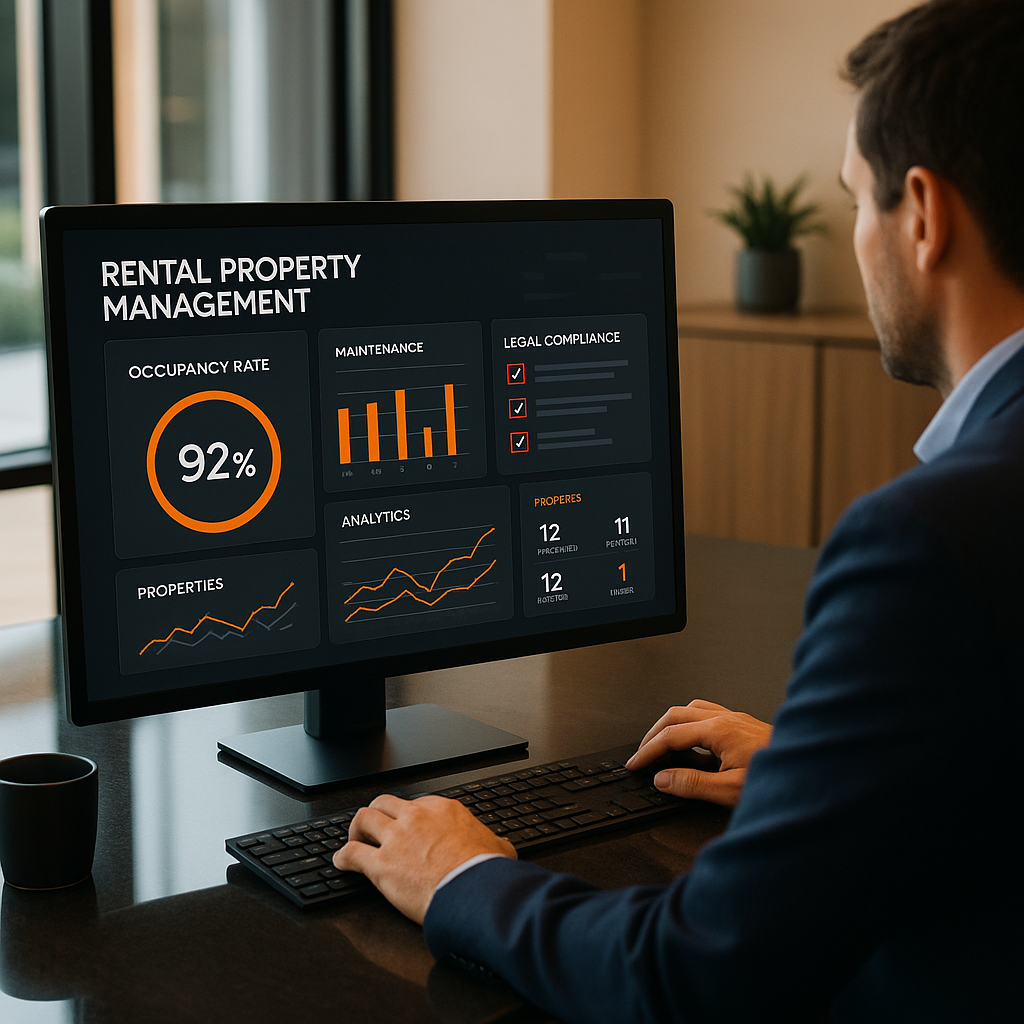
A rental property is not passive just because the tenant pays online. It is a business with income, expenses, risk, legal duties, customer service, maintenance, accounting, and documentation.
New landlords often get in trouble because they treat the rental like a side favor instead of an operation. They accept late rent without a plan. They skip inspections. They rely on handshake agreements. They let maintenance slide because the tenant has not complained loudly enough yet.
That is how small problems become expensive problems.
The better approach is simple: set standards early, write them down, follow them consistently, and keep clean records. You do not need to be harsh. You need to be clear.
What Texas Landlord-Tenant Laws Should New Landlords Know?
Texas landlord-tenant law is mainly found in Texas Property Code Chapter 92. This chapter covers many residential rental issues, including security deposits, repairs, notices, locks, smoke alarms, and other landlord-tenant duties.
This article is not legal advice. Landlords should review the law directly and speak with a qualified Texas attorney when they have legal questions. But from an operator standpoint, new landlords should understand a few major areas before renting out a home.
First, security deposits need to be handled carefully. The Texas State Law Library explains that Section 92.103 generally requires landlords to refund a security deposit on or before the 30th day after the tenant surrenders the premises, subject to the rules and exceptions in the statute. Review the Texas State Law Library guide on security deposit refunds before making deductions.
Second, habitability and repair duties matter. A landlord cannot ignore serious repair issues just because rent is coming in. Plumbing, heat, air conditioning, electrical, locks, smoke alarms, and structural issues need to be handled properly and documented.
Third, notices and evictions must follow the law and the lease. Guessing on notices is a bad plan. If the landlord gives the wrong notice, waits too long, accepts partial rent without understanding the effect, or documents poorly, the process can get messy.
In plain English: do not freelance legal procedure. That is where landlords turn a rent problem into a legal headache with extra paperwork confetti.
Do New Landlords Need a Written Lease?
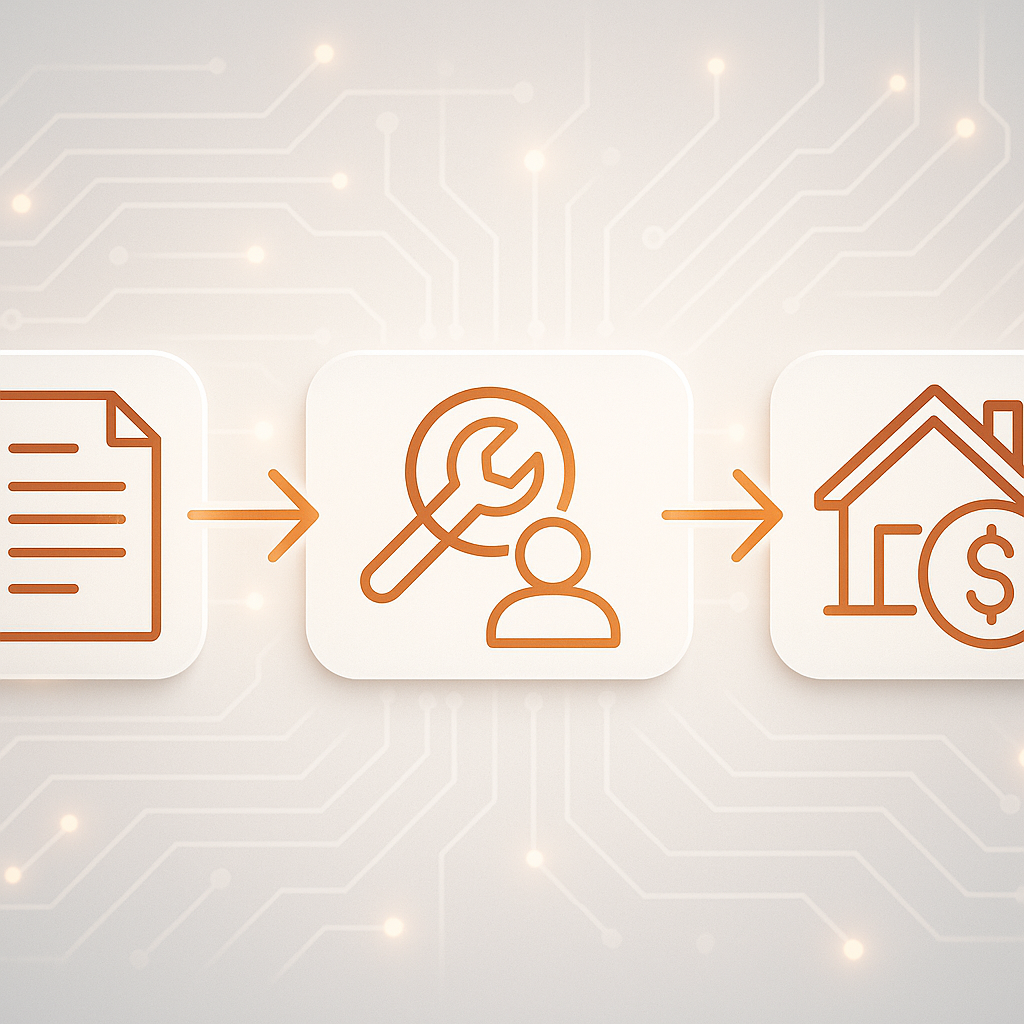
Yes. New landlords should use a written lease. Oral agreements may exist, but they are a terrible way to run a rental business. A written lease protects both sides because it makes the rules clear before conflict starts.
A good lease should address rent amount, due date, late fees, payment methods, lease term, pets, occupants, utilities, maintenance responsibilities, yard care, parking, smoking, notices, access, renewals, and move-out expectations.
The lease should also match the way the property will actually be managed. If the landlord does not want pets, the lease should say that clearly. If the landlord allows pets with written approval, fees, deposits, or pet rent, that should be clear too.
Do not copy a random lease from the internet and hope it works in Texas. Use a Texas-specific lease source and get legal review when needed. Cheap forms can get very expensive when they are wrong.
How Should a New Landlord Set Rent?
New landlords should set rent based on current local competition, not wishful thinking. The right rent depends on condition, location, bedroom count, bathroom count, parking, updates, pet policy, yard, school area, and current tenant demand.
In Amarillo and the Texas Panhandle, overpricing can create vacancy. Underpricing can damage cash flow. The goal is not to win a rent-price argument in your own head. The goal is to attract qualified tenants at a rent the market supports.
Before listing the property, compare similar active rentals. Look at homes with the same bedroom count, similar condition, and similar location. Pay attention to how long they have been listed. A high asking rent does not prove market rent if the home is sitting empty.
This is a good place to use the Rental Deal Analyzer. Test the expected rent, vacancy, taxes, insurance, repairs, management, and cash flow before deciding whether the property works as an investment.
If you want a deeper breakdown, read Blaze’s guide on how to analyze a rental property in the Texas Panhandle.
What Should a Landlord Fix Before Renting Out a Property?
A rental should be safe, clean, functional, and ready before a tenant moves in. “We’ll fix it later” is not a strong management plan. It is how landlords start the relationship already behind.
Before listing, walk the property carefully. Check locks, doors, windows, smoke alarms, HVAC, plumbing, appliances, electrical items, flooring, roof signs, leaks, pests, fencing, yard condition, and trip hazards.
The home does not have to be luxury. It does need to be habitable and presentable. Tenants judge how the property will be managed based on how it looks at move-in. A clean, repaired property sends the right message. A sloppy one tells the tenant to expect a circus.
Document the condition with photos and video before move-in. This protects the landlord and the tenant if there is a deposit dispute later.
How Should New Landlords Screen Tenants?
Tenant screening is one of the most important parts of landlording. A vacant property is stressful, but rushing the wrong tenant into the home can cost far more than a short vacancy.
A good screening process should be written, consistent, and fair. It may include income verification, rental history, identity verification, credit review, background screening where legally allowed, landlord references, and clear written criteria.
Landlords also need to understand Fair Housing risk. HUD explains that the Fair Housing Act protects people from discrimination when renting, buying, getting a mortgage, or engaging in other housing-related activity. Review HUD’s Fair Housing Act overview before creating advertising or screening practices.
The point is not to find a perfect tenant. The point is to use a consistent process that helps identify applicants who can pay, follow the lease, and care for the property.
Do not screen based on vibes. Vibes do not pay for drywall.
How Should a Landlord Handle Move-In?
Move-in should be documented like a business transaction, not treated like a casual key handoff. Before the tenant takes possession, the lease should be signed, required funds should be collected, utilities should be addressed, and the move-in condition should be recorded.
Use photos, video, and a written move-in condition form. Make sure the tenant knows how to submit maintenance requests, how rent is paid, when rent is due, what happens if rent is late, and who to contact in an emergency.
A clean move-in process prevents confusion later. It also helps set the tone. Tenants should know from the beginning that the property is being managed professionally.
How Should New Landlords Collect Rent?
Rent collection should be boring. That is the goal. Rent is due when the lease says it is due. Late fees apply when the lease and Texas law allow them. Notices are handled according to the lease and legal process.
Online payments are usually cleaner than cash or casual payment apps because they create records and reduce excuses. Whatever system the landlord uses, it should be consistent.
New landlords often get into trouble by being too flexible. They accept partial payments without a written plan. They waive late fees randomly. They say “just keep me posted” and then wonder why rent turns into a monthly negotiation.
If this is already happening, read Blaze’s guide on how to stop being too nice as a landlord. It is not about being mean. It is about running the same process every time.
How Much Should a Landlord Budget for Repairs and Vacancy?
Every rental needs reserves. Even good tenants move. Even good properties break. The landlord’s budget should include routine repairs, turnover, vacancy, capital expenses, taxes, insurance, and management.
If the property only cash flows when nothing breaks and the tenant never leaves, it does not really cash flow. It is just pretending.
Vacancy should be included in the math from the beginning. A one-month vacancy can wipe out a lot of small monthly gains. That is why pricing, tenant retention, maintenance, and fast turnover matter.
For more on this, read Blaze’s guide on reducing vacancy in rental properties.
What Records Should a Landlord Keep?
New landlords should keep records for rent payments, deposits, lease documents, notices, repair requests, invoices, inspections, photos, tenant communication, insurance, taxes, and vendor work.
Good documentation protects the landlord when there is a dispute. It also makes tax preparation, deposit accounting, maintenance planning, and future sale decisions easier.
If it matters, save it. If there is a chance someone may argue about it later, document it. Your memory is not a filing system.
When Should a Landlord Hire a Property Manager?
A landlord should consider hiring a property manager when the rental starts taking too much time, creating too much stress, or exposing the owner to mistakes they are not prepared to handle.
Property management can help with pricing, marketing, tenant screening, lease signing, rent collection, maintenance coordination, inspections, notices, accounting, and owner reporting.
Texas also has licensing rules around some property management activity. TREC explains that whether a property manager needs a license depends on the duties being performed, and that paid leasing activity or controlling acceptance or deposit of rent for a single-family residential real property unit can require a license. Review TREC’s property management licensing guidance.
Blaze Real Estate provides property management services in Amarillo and the Texas Panhandle for owners who want their rentals operated with systems instead of guesswork.
What Beginner Landlord Mistakes Should You Avoid?
The biggest beginner mistakes are usually avoidable. New landlords get into trouble when they skip screening, underprice rent, overprice rent, use weak leases, ignore repairs, fail to document move-in condition, accept casual payment arrangements, or wait too long to deal with lease violations.
Another common mistake is failing to analyze the property before renting it out. Some owners inherit a house, move out of a house, or buy a property and assume it will work as a rental because rent is coming in. That is not enough.
You need to know whether the rent supports the real costs. That includes taxes, insurance, repairs, vacancy, and management. Use the Rental Deal Analyzer before you decide the property is a keeper.
How Can New Landlords Start Strong?
New landlords start strong by building the system before the tenant moves in. That means a good lease, a clean property, fair screening criteria, written policies, rent collection standards, maintenance tracking, and realistic financial reserves.
Landlording in the Texas Panhandle can be a solid investment when it is done correctly. But it is not magic mailbox money. It is an operating business. Treat it that way and the odds improve.
If you are new to landlording in Amarillo or the Texas Panhandle, Blaze Real Estate can help you review rent, management fit, tenant demand, and the operating plan before small mistakes turn expensive.
Start with the numbers. Then decide whether you want to self-manage or bring in help.

Frequently Asked Questions for New Landlords
What should a new landlord do first?
A new landlord should first confirm the property is safe, clean, and rent-ready. Then they should set market rent, prepare a written lease, create screening criteria, document the property condition, and build a plan for rent collection, repairs, vacancy, and recordkeeping.
Do landlords in Texas need a written lease?
A written lease is strongly recommended. It should explain rent, due dates, late fees, deposits, pets, occupants, maintenance duties, utilities, notices, and move-out expectations. A written lease helps prevent confusion and protects both sides.
How long does a Texas landlord have to return a security deposit?
Texas Property Code Section 92.103 generally requires a landlord to refund a security deposit on or before the 30th day after the tenant surrenders the premises, subject to statutory rules and exceptions. Landlords should review the current law before making deductions.
How should a landlord set rent in Amarillo?
A landlord should set rent by comparing similar local rentals and considering condition, location, bedroom count, parking, updates, pet policy, and current demand. The rent should attract qualified tenants while still supporting the property’s expenses and cash flow.
What expenses should new landlords budget for?
New landlords should budget for taxes, insurance, repairs, maintenance, vacancy, turnover, capital expenses, management, leasing costs, and owner-paid utilities if applicable. Ignoring these costs can make a rental look more profitable than it really is.
Should a new landlord hire a property manager?
A new landlord should consider hiring a property manager if they do not have the time, systems, legal knowledge, vendor network, or comfort level to handle leasing, screening, rent collection, maintenance, notices, and tenant communication.
Where can I analyze whether my property works as a rental?
You can use the Blaze Rental Deal Analyzer to test rent, expenses, financing, vacancy, repairs, and cash flow. After running the numbers, an investor consultation can help determine whether the assumptions are realistic for Amarillo and the Texas Panhandle.