
In property management, a rental move-in flow doesn’t really “win” move-in day—you use it to prevent move-in day from going sideways.
A solid move-in process protects your owner, your property, your team’s time, and your resident relationship from day one. In the Texas Panhandle, people juggle jobs, school schedules, weather, and sometimes a 300-mile relocation. As a result, the difference between “smooth” and “chaos” is almost always process.

This is a practical, operations-first blueprint you can implement whether you manage 20 doors or 2,000. If you are still building the basics, start with our Panhandle landlording guide and then tighten the steps below.
What “perfect” means in a rental move-in flow
A perfect move-in isn’t one where nothing happens. Instead, it’s one where the team knows what to do when things happen.
- Everyone knows what’s next: resident, leasing, maintenance, and accounting
- Money, keys, and responsibility transfer cleanly
- The home’s condition is documented and agreed to
- Maintenance starts from a known baseline
- Your team doesn’t rely on heroics, memory, or Slack panic
If your move-in quality depends on one superstar employee, you don’t have a system. You have a single point of failure with a name badge.
Start by locking the intent: what the move-in process is designed to prevent
Most move-in problems fall into a few buckets:
- Expectation gaps (“I thought it would be cleaned again today.”)
- Missing documentation (no signed condition form, unclear photos)
- Payment timing issues (funds not cleared, partial payments, misunderstandings)
- Key handoff confusion (after-hours, lockbox codes shared, rekey not completed)
- Maintenance ambiguity (what’s urgent vs. “noted,” duplicate tickets)
A strong move-in system isn’t resident-unfriendly; it’s resident-clear. In short, clarity is what keeps you from becoming the bad guy later.
Step 1: Define your move-in “readiness” standard and make it measurable
Before you build steps, define what “ready” means in your company.
In practice, “ready” is three separate standards that often get mixed together.
Safety and habitability baseline
This is your non-negotiable operating baseline. You are not writing legal definitions into your SOP. Instead, you are making sure the home is safe to occupy and your team can confidently hand over keys.
Make-ready quality baseline
This is where make-ready quality control matters. Decide what you will consistently deliver: cleaning level, paint touch-up expectations, yard condition, bulb and battery standards, filter replacement, and similar items.
Documentation baseline
Your documentation baseline is what protects everyone later. It should include date-stamped photos, checklists, vendor invoices, and a clear record of what was done.
If you can’t describe your standard in a checklist someone can follow on a Monday morning, you don’t have a standard. You have vibes, and vibes do not hold up well during a deposit dispute.
Step 2: Build the timeline backwards from possession
Possession is the immovable event. Therefore, everything else should be scheduled backward from that date.
A clean timeline usually includes the checkpoints below.
T-minus 10–14 days: pre-move-in confirmation
Confirm:
- Lease fully executed
- Deposit and required funds collected per your policy
- Utilities instructions sent: who starts what, and when
- Resident portal access verified
- Move-in appointment rules and after-hours policies sent
This is also when you prevent “surprise move-ins,” like someone expecting keys early because they are already in town with a truck.
T-minus 3–5 days: readiness verification
Do a final quality control pass that is separate from the vendor’s own completion notice.
Operationally, this is where teams fail. They accept “done” from a vendor or internal tech without a standardized QC inspection. However, QC should confirm your readiness standard every time.
T-minus 24–48 hours: resident onboarding packet + expectations
Send one “Move-In Confirmation” message with:
- Where and when keys are released
- What payment must be completed before keys, if applicable
- How to submit maintenance requests and what counts as an emergency
- How the move-in condition report works and the deadline
- Trash day basics, parking expectations, and HOA notes if relevant
Keep it short. People actually read short.
Step 3: Standardize the money-and-keys gate
This is where the business risk lives.
Your move-in system should include one clear gate: keys do not release until the account meets your release standard. That standard should be consistent, documented, and trained.
In addition, your key release process for rentals should be simple enough that leasing, accounting, and management all give the same answer.
Things to decide operationally:
Funds: what counts as “received”?
Don’t leave this to interpretation between leasing and accounting. Define what you treat as cleared or confirmed for each payment type you accept.
Proration and first-month math
If your team frequently re-explains proration on move-in day, you need a better pre-move-in message. For example, show the charge, the credit, the due date, and the final amount in one place.
Receipts and ledger clarity
Residents should be able to see what they paid, what it covered, and what, if anything, remains without calling your office.
The goal is not to be strict for sport. Instead, the goal is to be consistent, which also helps reduce disputes later.
Step 4: Make your move-in condition documentation foolproof
This is the most common operational pain point we see across the industry. Great photos may exist, but they are often disorganized, not tied to a date, or missing the resident’s condition acknowledgement.
For owners, this record matters because poor documentation can create avoidable deposit friction and repair confusion. For residents, it creates a fair starting point.
Your condition documentation should be:
- Time-stamped
- Room-by-room
- Stored in one place inside your PM system
- Linked to the move-in date and the unit
Resident-friendly, not resident-hostile
Residents should get simple instructions:
- Take photos or videos immediately
- Submit notes through the exact method you specify
- Do it within your stated timeframe
You’re not trying to “catch” someone. Instead, you are creating a shared record of the home’s condition at possession.
For broader operations, this is also part of reducing management risk. We cover that in more detail in our guide to reducing legal risk.
Step 5: Design the maintenance intake for move-in week
Move-in week generates requests. Some are real repairs, some are preferences, and some are “we didn’t notice until the couch was inside.” If you don’t structure this, your team gets flooded and residents get frustrated.
Use move-in week maintenance triage rules
Operationally, you want three lanes:
- Emergency (life, safety, or major property risk)
- Priority (habitability-impacting, but not an emergency)
- Non-urgent (cosmetic or convenience)
Then make sure your resident-facing message matches your internal SOP. If you tell residents “submit anything you see,” but you treat those requests like normal tickets with normal scheduling, you create an expectation gap.
Meanwhile, response time matters. Fast first contact can lower frustration even when the repair itself takes longer.
Pre-load the unit with known maintenance data
A strong process includes:
- Filter sizes
- HVAC service date
- Water heater age notes
- Key codes and lockbox history, secured properly
- Appliance model and serial photos
This is how you reduce repeat truck rolls and “what size is this filter?” calls. As a result, your maintenance team spends less time guessing and more time fixing.
Step 6: Create a repeatable move-in appointment script
Even if you are doing self-guided key pickup, you still need a script.
Your move-in appointment should cover:
- Identity verification and who is authorized to receive keys
- Quick walkthrough expectations, not a full inspection
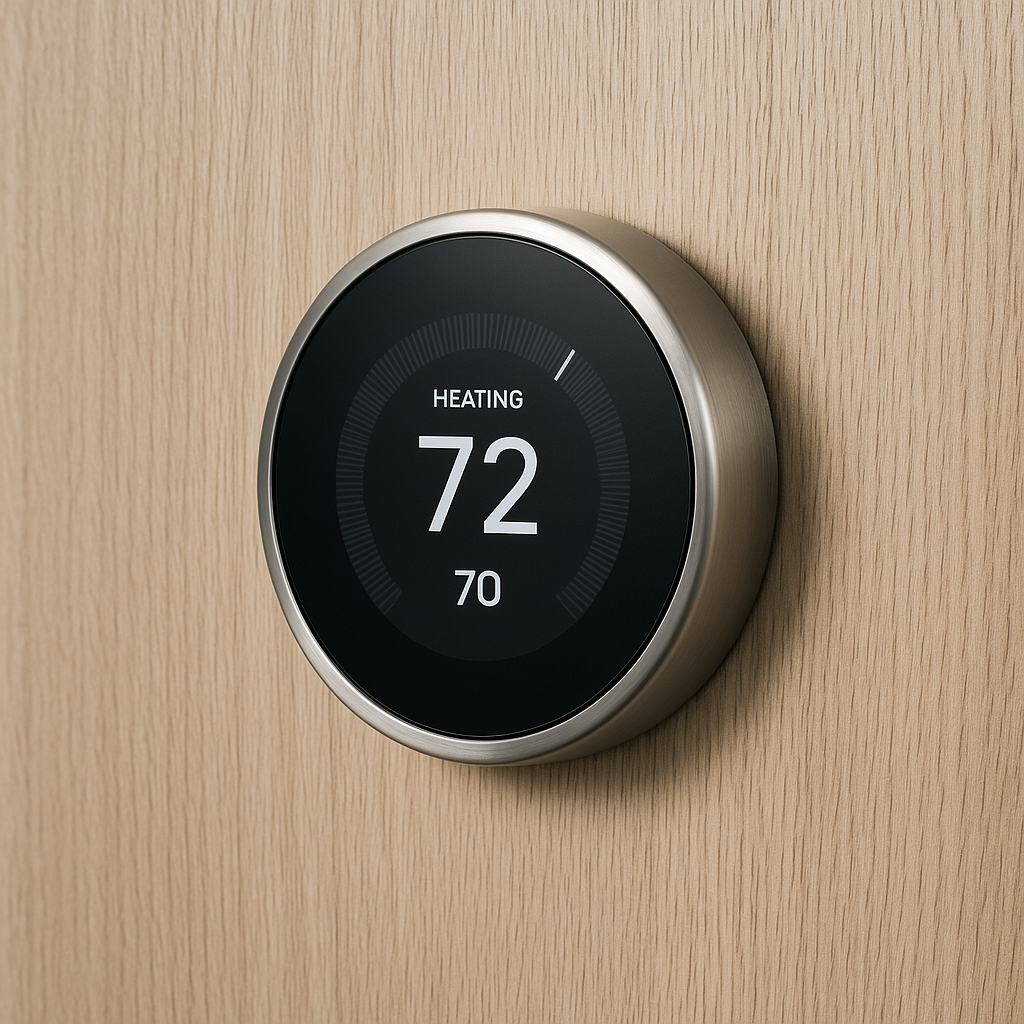
- How to operate critical items, such as the thermostat, breaker panel, and water shutoff
- How to report issues through the portal, not text messages to an employee
If you don’t train this, every leasing agent improvises. In short, your “standard” becomes a personality.
Step 7: Automate the communication without sounding like a robot
Automation belongs in a good move-in workflow, but the message should still feel human.
Build a sequence of templated communications:
7 days before
“Here’s what to expect. Here’s what we need from you. Here’s the schedule.”
48 hours before
“Reminder: keys, funds, utilities, appointment.”
Move-in day
“Welcome. Here’s how to submit your condition report and maintenance requests.”
7 days after
“Quick check-in. Any unresolved issues? Here’s how to escalate appropriately.”
Your goal is simple: reduce inbound calls while increasing resident confidence.
In addition, a smoother move-in can support retention and help reduce turnover. That ties directly into the science of reducing vacancy.
Step 8: Add internal handoffs so nothing disappears
Move-in involves leasing, accounting, maintenance, and sometimes a third-party vendor network. If responsibilities are not explicit, tasks fall into the cracks.
Define internal handoffs like these.
Leasing → Accounting
- Lease executed confirmation
- Concession or rent special documentation
- Move-in funds expectation
Maintenance → Leasing
- Make-ready completion and QC signoff
- Rekey confirmation
- Appliance and safety checks completed
Accounting → Leasing
- Funds verified and ledger correct
- Any holds or payment plan notes, if applicable
In most operations, a simple checklist and a “move-in ready” status inside the PM system eliminate 80% of confusion.
Step 9: Build exception handling for the real world
Perfect systems account for imperfect humans.
Your SOP should explicitly cover common exceptions.
After-hours key requests
Decide the process and stick to it. If you bend it “just this once” every Friday at 5:17 p.m., you don’t have a policy.
Resident shows up without meeting the release gate
Your team should know exactly what to say, how to fix it, and who can approve exceptions, if any.
Move-in day discovery
If the resident reports an issue immediately, your process should define:
- How it is documented
- How it is prioritized
- How you communicate the timeline
This is where calm, consistent messaging matters most.
Common mistakes we see and how to avoid them
Treating the move-in like a leasing event
Leasing “wins” the signature. Operations “wins” the retention. Therefore, don’t let move-in be owned by whichever department yells the loudest.
Skipping the QC because the schedule is tight
That’s how you hand over a home with one missed outlet, one dirty cabinet, or one leaking supply line that becomes an emergency at 9:30 p.m.
Condition reports that are unclear or impossible to retrieve
If your documentation can’t be found quickly later, it may as well not exist.
No single source of truth
If keys are tracked in one spreadsheet, payments in another, and readiness in someone’s head, problems are guaranteed. Maybe not today, but soon.
Metrics that tell you your move-in system is working
You don’t need fancy dashboards to measure improvement. Track a few basics:
- Move-in day inbound calls per move-in
- Move-in week maintenance tickets per move-in, by category
- Percentage of move-ins with completed condition acknowledgement
- Time from ticket submitted to first response during move-in week
- Number of exceptions granted for funds or keys
If you improve these, you improve renewals, reviews, and team sanity. Still, metrics only help if someone reviews them and adjusts the process.
Texas note: keep it process-driven, not legal-driven
Texas has clear landlord-tenant frameworks, including rules found in Texas Property Code Chapter 92. However, your move-in system should stay operational: document condition, communicate expectations, respond to issues, and keep records.
Consistent processes can also support fair housing compliance. For general background, HUD provides an overview of the Fair Housing Act.
When something crosses into a legal question, pause, document, and involve the appropriate professional. Also, if rent collection issues appear after move-in, review a compliant process like our guide on handling late rent.
Final: the move-in workflow is your operating system
A perfect move-in workflow is less about being “nice” or “strict” and more about being predictable.
When residents know what to expect, they are less anxious and more cooperative. When your team knows what to do, they are faster and more consistent. And when your owner’s property is documented and protected, everyone wins.
If you want a second set of eyes on your current move-in process, or you are building one from scratch, we do this every day in the Panhandle. Tight systems make properties perform.
FAQ
What should be included in a rental move-in checklist?
A move-in checklist should include lease status, funds verification, utility instructions, key release rules, make-ready QC, condition documentation, and maintenance intake steps.
When should a landlord release keys to a new resident?
Keys should be released only after your documented release standard is met. This usually includes executed lease documents, verified funds, and any required move-in steps.
Why is move-in condition documentation important?
Move-in condition documentation creates a shared record of the property’s condition at possession. It helps reduce confusion about damage, repairs, and deposit questions later.
How should maintenance requests be handled during move-in week?
Use clear triage lanes: emergency, priority, and non-urgent. Then communicate the expected response time so residents know what happens next.
Can a move-in process reduce vacancy?
Yes. A smooth move-in can improve resident confidence, reduce early frustration, and support better retention, which helps reduce costly turnover.