
Selling in Amarillo and the Texas Panhandle can feel weird in a “slow” market.
You’re not imagining it: homes generally take longer to sell than they did in the peak years, buyers negotiate harder, and stale listings sit—especially when they’re overpriced or look like they’ll need work after our wind-and-hail seasons. Some local reporting has shown higher days on market in 2025 versus prior years, while other data sets show shorter averages depending on what’s measured (sold vs. active, MLS subset, etc.). The practical takeaway is the same: you don’t get a bidding war by accident anymore.
But you can still build one.
A bidding war isn’t about hype. It’s about concentrating demand (the right buyers) into a short time window with a clear price/value story—and making it easy for buyers’ agents to say, “We need to write now.”
Below is how we approach a slow-market bidding-war strategy in Amarillo, Canyon, and the surrounding Panhandle—without gambling your sale on wishful thinking.
What “bidding war” really means in a slow market
In a hot market, a bidding war can happen because buyers are competing for anything with a roof.
In a slower market, a bidding war usually means one of these:
- Multiple offers within the first 3–10 days
- One strong offer that forces another buyer to improve terms
- A backup offer that gives you leverage on repairs/credits
The goal isn’t chaos. The goal is options.
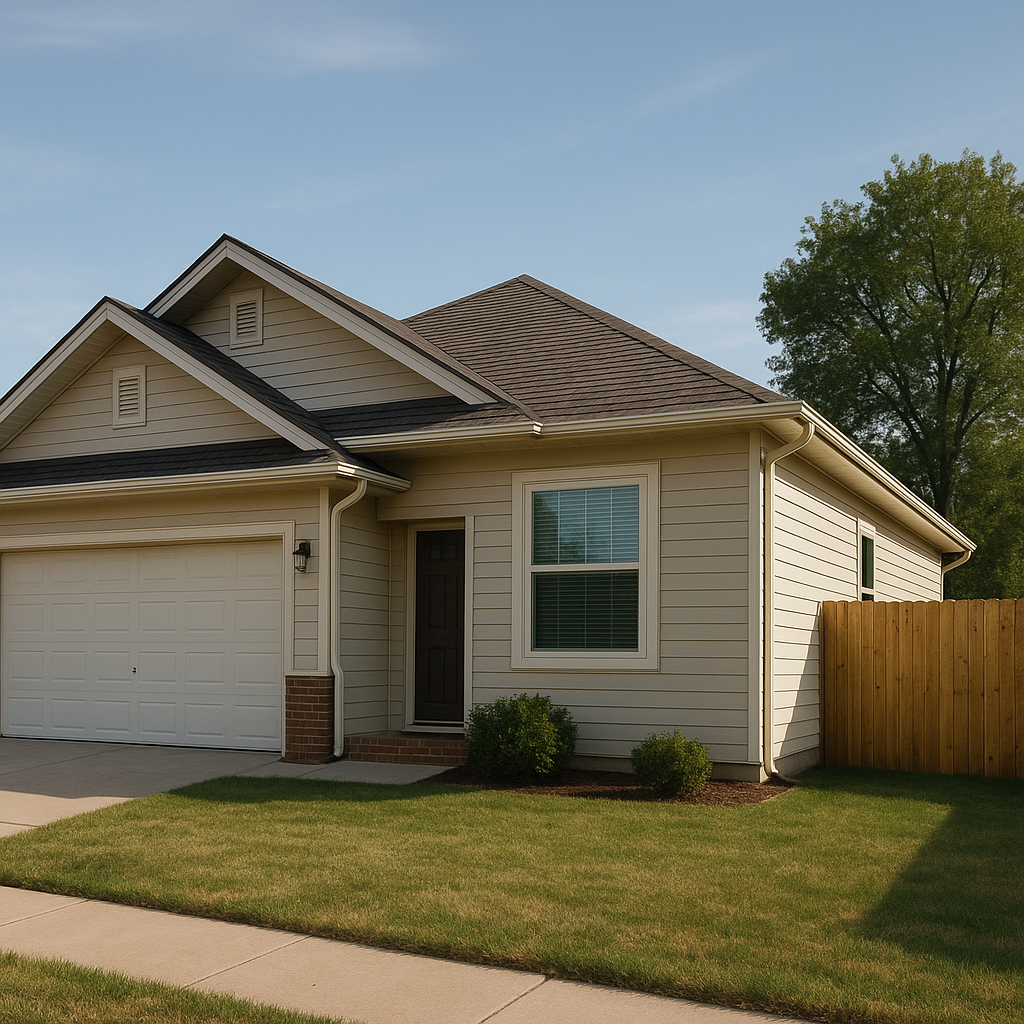
Step 1: Start with the right price anchor (not your “hope price”)
If you’re trying to create multiple offers in Amarillo, the fastest way to kill that chance is overpricing “to leave room to negotiate.” In practice, that tends to create:
- Fewer showings
- Longer days on market
- Price reductions that feel like distress (even when they’re not)
The slow-market pricing move that still works
You want to price where buyers feel like they’re getting value compared to nearby alternatives.
That doesn’t always mean “low.” It means defensible:
- Most comparable homes are selling near your range
- Your condition is equal or better
- Your location/story is clear (school zones, commute, neighborhood feel)
In the Panhandle, we also see micro-markets behave differently: a clean, updated home in a stable neighborhood can move fast even when the broader market feels sluggish—while a similar-priced home with deferred maintenance can sit.
Step 2: Make the house “easy to say yes to” (condition beats cleverness)
In a slow market, buyers don’t just negotiate—they avoid headaches.
If your home signals “surprises coming,” buyers either pass or write an offer that’s aggressive on price and repairs.
Panhandle-specific: wind and hail reality
Amarillo’s weather isn’t a side note. Wind, dust, hail, and big temperature swings change what buyers notice:
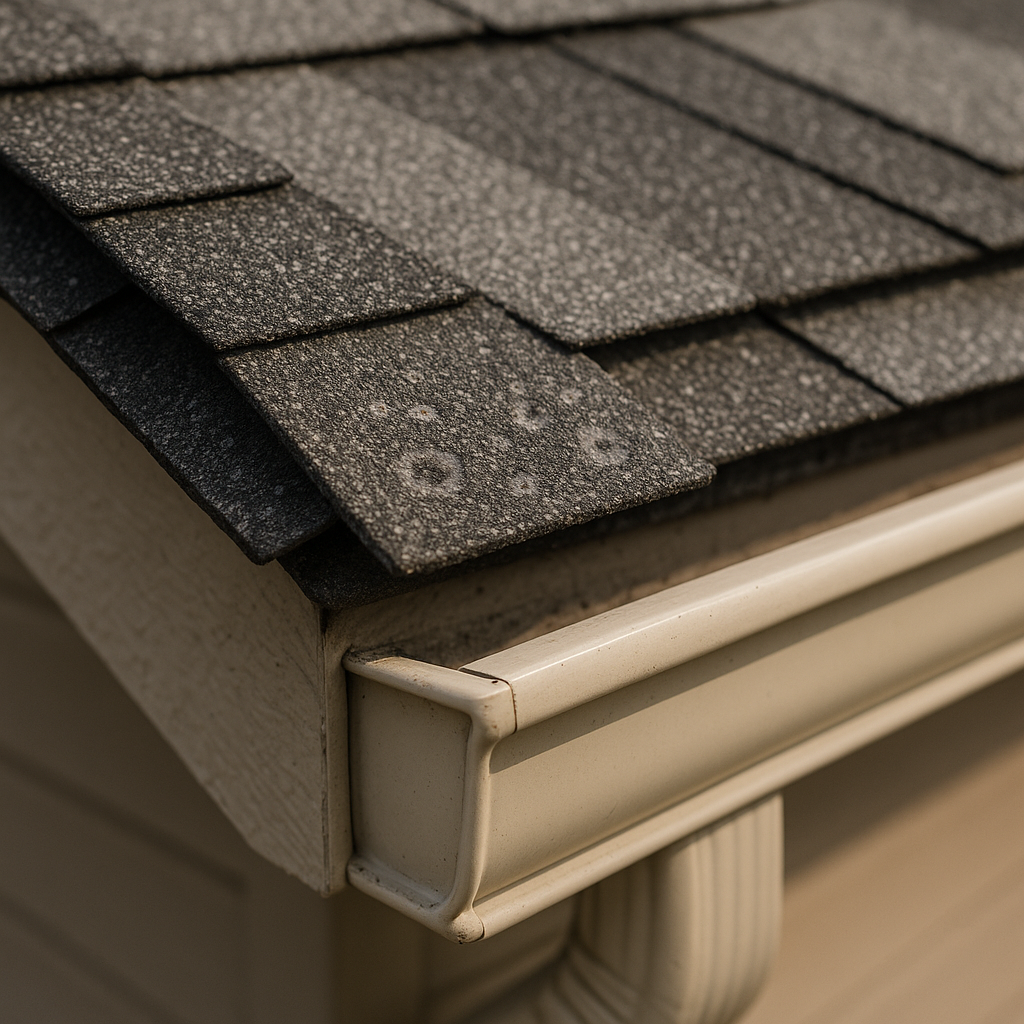
- Roof age/condition and documentation matters more than you think
- Fences, gutters, and exterior paint get scrutinized
- Windows and seals get attention (energy bills are a real conversation)
You don’t have to renovate. You do need to remove obvious “inspection magnets.”

Step 3: Create urgency with a tight launch plan (not months of “testing”)
Most bidding wars are built in the first week.
If you start with a soft, messy launch—bad photos, “coming soon” for too long, limited showing windows—you spread demand out over time. That’s the opposite of what you want.
The launch sequence that concentrates demand
- Prep the home (clean, repairs, staging where it matters)
- Professional photos that match how the home feels in person
- List on a day and time that lets buyers act (not a Friday night posting with no weekend access)
- Keep showing availability wide open for the first 3–4 days
In practice, the first weekend is your best chance to stack showings and build competitive pressure.
Step 4: Write the offer rules before the first showing
A slow-market bidding war often fails because the seller makes it up as they go.
You want a plan for:
- How long you’ll allow showings before reviewing offers
- Whether you’ll set an “offer review” time (and how you’ll communicate it)
- What you’ll prioritize besides price (financing strength, appraisal risk, repairs)
When buyers sense confusion, they either wait—or they write low because they assume you’ll negotiate.
Step 5: Use terms to beat price (and still net more)
When multiple offers do show up, the best one isn’t always the highest number.
In Amarillo/Canyon, the difference between “highest” and “best” is often appraisal and repairs.
Terms that can create a real advantage
- Stronger earnest money
- Shorter option period (where appropriate)
- Higher down payment or lender strength
- Appraisal strategy (how they handle a short appraisal)
- Cleaner repair requests (or a defined cap)
A smart strategy is to make your listing as “financeable” and “inspection-friendly” as possible so buyers can confidently write strong terms.
Step 6: Don’t sabotage leverage with common seller mistakes
Here’s what we see derail bidding-war attempts in slower Panhandle conditions:
- Chasing the market down: starting too high, then reducing after weeks of low activity.
- Over-correcting after one slow week: sometimes the issue is presentation or access, not price.
- Inconsistent showing access: buyers move on to the next option.
- Ignoring the “smell test”: pets, smoke, heavy fragrance, and clutter cost you urgency.
- Letting a bad inspection vibe form: obvious maintenance issues make buyers pad their offers with risk.
Step 7: If you get one good offer—treat it like a scarce resource
In a slow market, one clean offer can be the start of competition if handled correctly.
You don’t have to play games. But you do need to:
- Respond on time
- Counter with clarity (not ten moving targets)
- Keep showings active (if the situation allows)
- Be ready for a backup offer strategy
A lot of sellers lose their best offer because they negotiate like there are five more behind it—when there aren’t.
What this looks like in Amarillo, Canyon, and the Panhandle
A “slow market” here doesn’t mean nobody buys homes. It means buyers are selective.
If you want multiple offers in this environment, your job is to:
- price with a sharp value story,
- remove obvious condition objections (especially exterior/roof optics), and
- create a launch window that concentrates demand.
That’s how you get urgency without relying on luck.
If you want a local, no-fluff plan for your neighborhood and price band—plus a launch timeline that fits Panhandle realities—book a strategy call here: Book a Seller Consultation
Frequently Asked Questions
How can I create a bidding war in a slow market like Amarillo?
To create a bidding war in a slow market such as Amarillo, you need to concentrate buyer demand in a short time by pricing your home where buyers see clear value and preparing it to be easy to say yes to. Cleaning up condition issues, especially exterior ones related to Amarillo’s wind and hail seasons, combined with a well-timed launch and clear offer rules can generate multiple or strong competitive offers.
Why is pricing so important to trigger a bidding war in the Texas Panhandle?
Pricing is critical because overpricing in a slow market often leads to fewer showings and longer time on the market, which kills momentum. In the Panhandle, setting a defensible price aligned with comparable homes and factoring in your home’s condition and location helps buyers feel they’re getting value, encouraging more showings and offers within the crucial first week.
What role does home condition play in attracting multiple offers in Amarillo’s slow market?
Home condition plays a major role because buyers in Amarillo tend to avoid surprise repair costs, especially given local weather impacts like wind and hail. Addressing visible maintenance issues such as roof documentation, gutters, paint, and windows can make your home inspection-friendly, reducing buyer hesitation and increasing the likelihood of competitive offers.
How should sellers manage offer negotiations during a slow-market bidding war in the Panhandle?
Sellers should establish clear offer review timelines and priorities before showings begin to avoid buyer confusion. When offers come in, focusing not just on price but also on terms—like earnest money, financing strength, and repair requests—can help identify the best overall offer and maintain leverage throughout negotiations.
What are common mistakes Amarillo sellers make that prevent a bidding war in a slow market?
Common mistakes include overpricing and then reducing price too late, inconsistent showing availability, ignoring home presentation issues like odors or clutter, and allowing obvious maintenance problems to deter buyers. These missteps reduce buyer urgency and can cause potential multiple offers to evaporate.