
How to handle late rent legally in Texas
When rent is late in Texas, landlords should follow the lease, document the missed payment, apply fees only when allowed, and use the proper notice process before filing for eviction. In short, the safest way to handle late rent legally is to treat it like a business process, not a personal argument.
For Amarillo and Texas Panhandle landlords, late rent needs a clear and consistent response. If rent is due on the 1st, the lease should say that. In addition, if a late fee applies, the lease should explain when it starts and how it is charged.
If the tenant does not pay, the next step should be based on the lease and Texas law. Therefore, it should not be based on mood, frustration, or a “just this once” conversation that turns into a monthly tradition.
This article is general information, not legal advice. Texas landlord-tenant rules can change, and the details of your lease matter. When in doubt, review the statute directly and talk with a qualified Texas attorney.
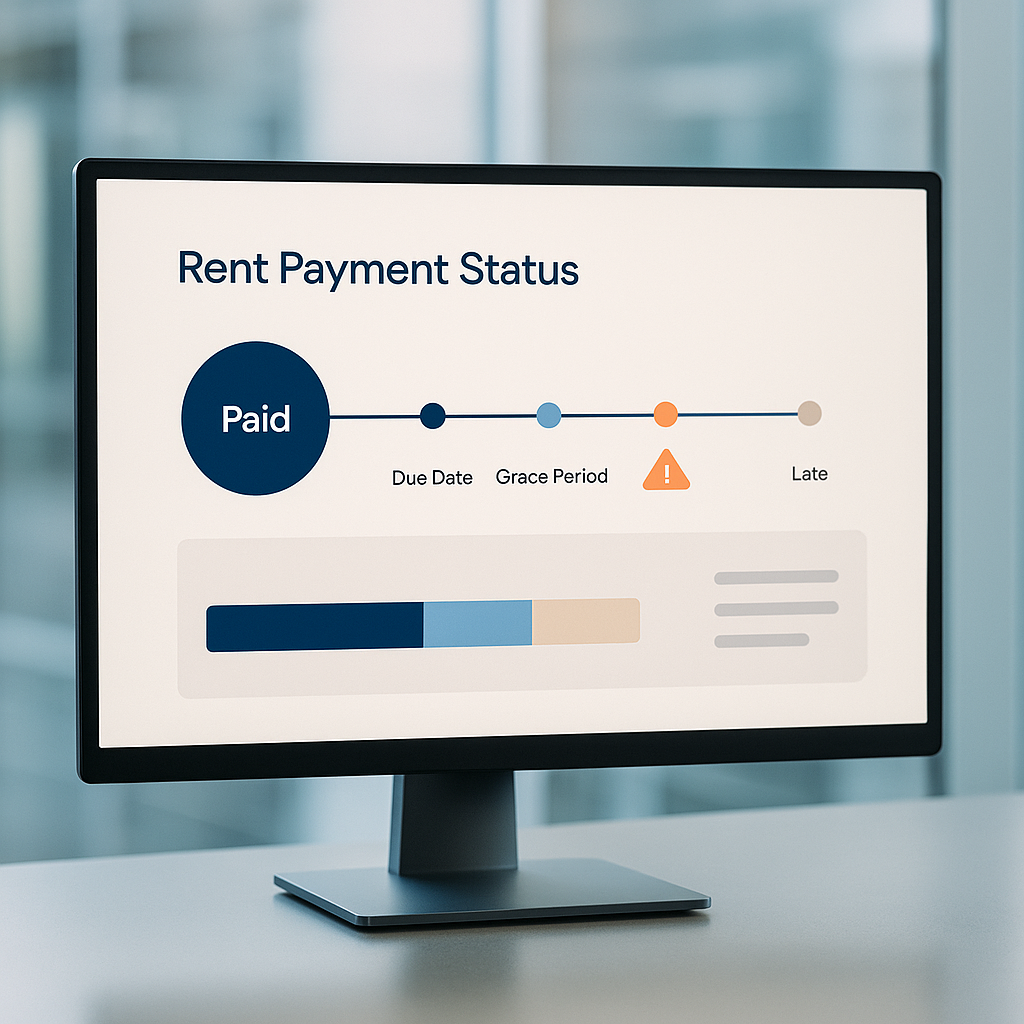
When Is Rent Considered Late in Texas?
Rent is late when it is not paid by the due date stated in the lease. If the lease says rent is due on the 1st, then unpaid rent is late after that date. However, “late” and “late fee eligible” are not always the same thing.
Texas Property Code Section 92.019 controls residential late fees. In general, a landlord may not collect a late fee unless the fee is in a written lease, the fee is reasonable, and the rent has remained unpaid for at least one full day after the due date. Review Texas Property Code Section 92.019 before charging late rent Texas tenants may dispute.
For example, if rent is due on June 1, a landlord should not treat a late fee as automatic the moment the clock hits June 2. The safer practice is to follow the lease and the timing rule carefully. Also, if your lease gives a longer grace period, follow the lease.
The lease is the starting point. The statute is the guardrail. In short, do not wing it.
How Much Can a Texas Landlord Charge for Late Rent?
Texas law limits residential late fees. Under Texas Property Code Section 92.019, Texas landlord late fees are generally considered reasonable if they are not more than 12% of monthly rent for a dwelling in a structure with four or fewer units. For a dwelling in a structure with more than four units, the general limit is 10% of monthly rent.
So, if rent is $1,000 per month for a single-family rental, a late fee at or under 12% would be $120 or less. Meanwhile, the general safe-harbor percentage is lower for larger multifamily structures.
The law also allows a late fee to include an initial fee and daily fees. However, the combined fees are treated as one late fee under the statute. That means a landlord cannot dodge the limit by slicing the charge into several small pieces and pretending they are unrelated.
Overcharging late fees can create real exposure. Texas Property Code Section 92.019 provides tenant remedies that may include $100, three times the amount of the late fee collected in violation of the section, and reasonable attorney’s fees. Therefore, “close enough” is not a great strategy here.
What Should the Lease Say About Late Rent?
A lease should clearly state the rent amount, due date, accepted payment methods, late fee amount, when the late fee applies, returned-payment fees, partial-payment policy, and what happens if rent is not paid.
In addition, the lease should match the way the landlord actually plans to operate. If the landlord does not want to accept partial payments after a notice is issued, the lease and policy need to be clear. If online payment is required, the lease should explain that.
If a grace period exists, it should be written. Vague leases create arguments. Clear leases create process.
If you are a new landlord and still building your rental process, read Blaze’s Panhandle landlording guide before the next tenant moves in.
What Is the Best First Step When Rent Is Late?
The best first step is to confirm the payment status and send a clear written reminder. Keep the message professional. Do not argue, threaten, or make side deals in a text thread that contradict the lease.
For example, a simple message can say that rent has not been received, the lease due date has passed, and any late-fee timing will follow the lease and Texas law. It should also tell the tenant how to pay through the approved method.
Documentation matters. Save the reminder. Save the payment ledger. In addition, save the tenant response.
If the situation escalates, clean records are worth more than a long memory and a bad attitude. Still, try to keep the tone calm and boring. Boring wins in court more often than spicy screenshots.
Should a Landlord Accept Partial Rent Payments?
Partial rent payments should be handled carefully. They can help in a short-term hardship situation. However, they can also create confusion if the landlord does not use a written plan.
If a landlord accepts partial rent, the agreement should be clear. It should state the amount paid, the remaining balance, payment dates, whether late fees still apply, and what happens if the tenant misses the plan.
The danger is an open-ended arrangement like “pay when you can.” That is not a payment plan. Instead, it is a fog machine with a rent ledger.
If you struggle with this part, read stop being too nice. You can be fair without turning rent collection into a monthly negotiation.
When Should a Texas Landlord Send a Notice to Vacate?
If rent remains unpaid and the landlord is ready to move toward eviction, the next step is usually a written notice to vacate. Texas Property Code Section 24.005 generally requires at least three days’ written notice to vacate before filing a forcible detainer suit, unless the parties contracted for a shorter or longer notice period in a written lease or agreement. Review Texas Property Code Section 24.005 for the core notice rule.
The 3-day notice to vacate Texas landlords often use is not just a dramatic letter. It is a formal step in the Texas eviction process. Therefore, timing, delivery method, lease language, and documentation all matter.
A bad notice can slow the process down or create problems in court. In addition, a notice that conflicts with the lease may make a simple nonpayment case harder than it needed to be.
This is where many do-it-yourself landlords get too casual. The notice is a legal step. Treat it like one.

Can a Texas Landlord File for Eviction Immediately After Rent Is Late?
No. A Texas landlord generally needs to give the required notice to vacate before filing an eviction suit. The lease may affect the notice period, but the landlord should not skip the notice step.
Filing too early can waste time and money. It can also make the landlord look unprepared. Therefore, before filing, confirm the lease terms, payment ledger, notice date, notice delivery, and any partial payments or written agreements.
If the tenant does not pay or move after the notice period, the landlord may file an eviction case in the proper justice court. From there, the court process controls the timeline. If you are unsure, consult a qualified Texas attorney before filing.
What Should Landlords Avoid When Rent Is Late?
Landlords should avoid self-help eviction tactics. Do not remove the tenant’s belongings. Do not shut off utilities. Also, do not change locks to permanently remove the tenant or harass the tenant into leaving.
Texas has specific rules about lockouts and landlord conduct. In addition, Texas Property Code Section 92.0081 addresses landlord removal of doors, windows, locks, fixtures, and certain lockout rules. Review the law and get legal guidance before taking action that affects access to the home.
The court process may feel slow, but shortcuts can be expensive. Nothing says “I made this worse” like turning a nonpayment issue into a wrongful lockout problem.
If your goal is to reduce mistakes before they happen, Blaze also has a guide on how to reduce legal risk in property management operations.
How Can Landlords Prevent Late Rent Problems?
Late rent cannot be prevented every time, but a good process reduces the odds. Start with strong screening, a clear lease, documented move-in expectations, online rent collection, written reminders, and consistent enforcement.
Tenant screening matters because rent collection starts before the lease is signed. A landlord should verify income, rental history, identity, and other lawful screening criteria before approval. In addition, the approval process should be applied consistently.
Rent reminders should be automatic when possible. Payment methods should be simple. Late-fee rules should be clear.
And the landlord should avoid making exceptions that rewrite the process one month at a time. If the property is often vacant or tenant quality is inconsistent, the issue may be deeper than late rent.
Read Blaze’s guide on reducing rental vacancy and review whether rent, screening, marketing, and management are working together.
How Does Late Rent Affect Rental Property Performance?
Late rent affects cash flow, reserves, owner stress, and long-term investment performance. One late payment may be manageable. However, repeated late payments can turn a decent rental into a monthly headache.
Investors should include vacancy, bad debt risk, management, repairs, taxes, and insurance when they analyze a rental property. If the property only works when rent arrives perfectly every month, the deal may be too thin.
In short, late rent is not only a tenant issue. It is also an operations issue. Strong leases, screening, documentation, and follow-through all protect the owner’s numbers.
When Should a Landlord Hire a Property Manager for Late Rent Issues?
A landlord should consider hiring a property manager when late rent becomes routine, tenant communication gets emotional, notices are confusing, or the owner does not have a consistent rent collection process.
Property management does not make every tenant pay on time. Nobody has that magic wand. However, good management creates structure.
That structure includes screening, lease enforcement, rent collection, reminders, ledgers, notices, documentation, maintenance coordination, and owner reporting. As a result, owners spend less time reacting and more time making decisions.
If a tenant stops communicating entirely, the process needs to stay calm and documented. For that situation, review what to do when a tenant goes silent in Texas.

What Is the Bottom Line on Late Rent in Texas?
Late rent in Texas should be handled with a clear process. Follow the lease. Follow Texas law. Document communication.
In addition, apply late fees only when allowed. Use proper notices before filing for eviction. Avoid shortcuts.
The goal is not to be aggressive. Instead, the goal is to be consistent. A landlord can be professional and respectful while still protecting the property, cash flow, and lease.
If late rent has become a pattern in your rental, Blaze Real Estate can help review your management process, rent collection standards, and whether professional property management makes sense.
Frequently Asked Questions About Late Rent in Texas
When is rent considered late in Texas?
Rent is late when it is not paid by the due date in the lease. However, late fees must still follow the written lease and Texas Property Code Section 92.019.
When can a Texas landlord charge a late fee?
A Texas landlord may generally charge a residential late fee only if it is in a written lease, is reasonable, and rent has remained unpaid for at least one full day after the due date.
How much can a Texas landlord charge for late rent?
Texas Property Code Section 92.019 generally treats a late fee as reasonable if it is not more than 12% of monthly rent for four or fewer units, or 10% for more than four units.
Can a landlord evict a tenant immediately for late rent in Texas?
No. A landlord generally must give the required written notice to vacate before filing an eviction case. The lease may affect the notice period, so review it carefully.
Should a landlord accept partial rent payments?
Partial payments should be documented in writing. The agreement should list the amount paid, remaining balance, deadline, fees, and what happens if the tenant misses the plan.