
Owning rentals in Amarillo and the Texas Panhandle is a little different than owning rentals in, say, a mild coastal climate where “weather” means a light drizzle and a stiff breeze.
Here, a “normal” year can include hail, straight-line wind, big temperature swings, hard water, and the occasional deep-freeze that turns a simple drip into a five-figure plumbing event. If you don’t have a maintenance reserve, you’re not budgeting—you’re gambling.
This guide walks Texas landlords through how to build a maintenance reserve for rentals in a way that matches real Panhandle conditions, protects your cash flow, and keeps you out of the “I’ll just use the deposit” danger zone.
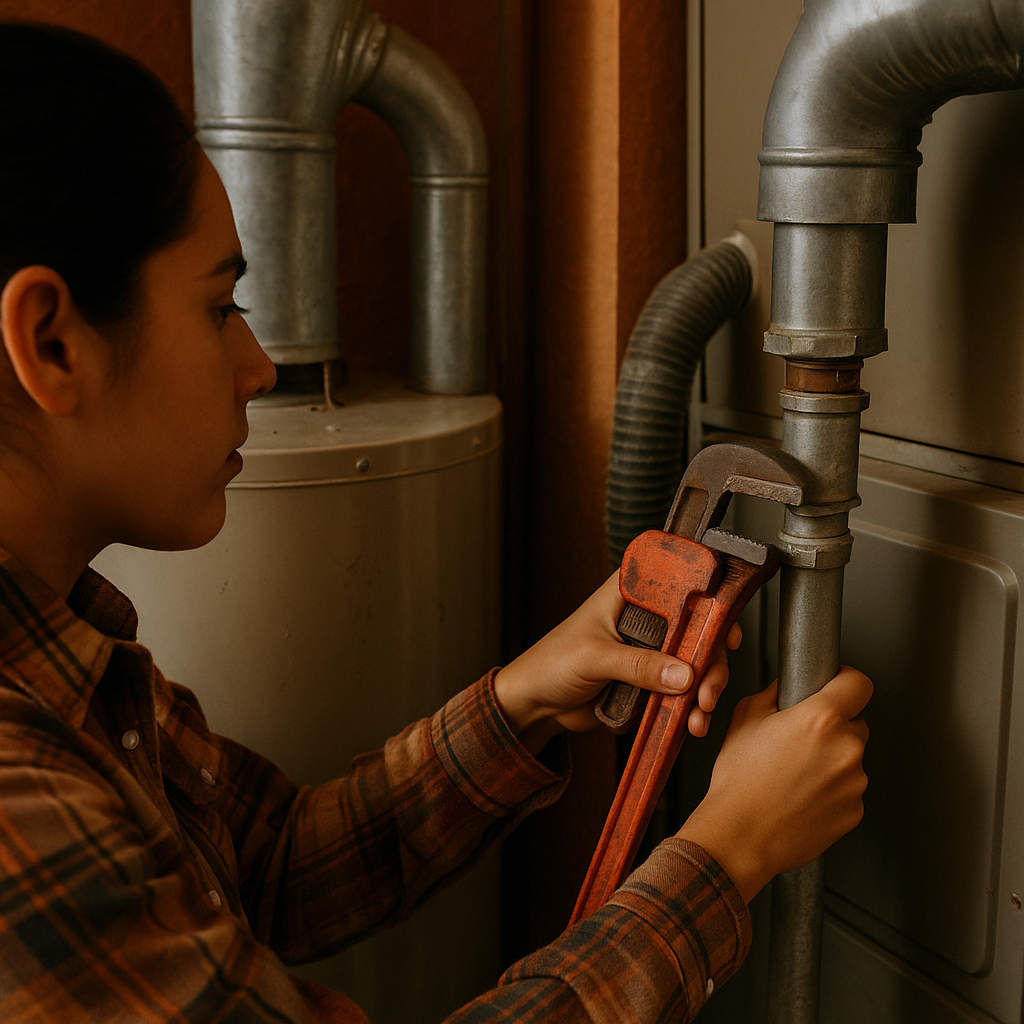
What a maintenance reserve is (and what it isn’t)
A maintenance reserve is money you set aside—separate from your operating account—to cover repair costs and replacements that will happen over time.
It is not:
- a security deposit
- your personal savings account
- a “maybe I’ll fund it later” idea
In practice, reserves are what keep one HVAC failure or one hail deductible from turning into late mortgage payments and angry tenants.
Maintenance reserve vs. security deposit (Texas basics)
Texas landlords get tripped up here.
A tenant’s security deposit is primarily meant to secure performance under the lease, not to bankroll normal ownership expenses. Under Texas Property Code, landlords generally can deduct damages/charges the tenant is legally liable for—but Texas also prohibits withholding for normal wear and tear (think age-related deterioration or ordinary use).
Also, Texas law generally expects the landlord to return the deposit (or provide an itemized accounting of deductions) within 30 days after the tenant surrenders the property, assuming the tenant provides a forwarding address. If a landlord wrongfully retains a deposit in bad faith, the statute includes potential penalties.
Practical takeaway: your maintenance reserve should exist so you aren’t tempted to treat deposits like a repair slush fund.
If you want the deeper Texas-specific breakdown, start here: Texas Security Deposit Rules.
(And standard disclaimer: this is operational education, not legal advice. For legal interpretation on your specific lease and facts, talk to a Texas attorney.)

Why Panhandle rentals need bigger “weather-aware” reserves
A generic internet rule like “save 1% of property value per year” ignores what we see on the ground across Amarillo, Canyon, and the smaller surrounding towns.
In the Panhandle, reserves get hit hardest by:
- Hail + wind: roof spot repairs, fencing, gutters, screens, window damage, emergency tarping, plus insurance deductibles and exclusions
- HVAC stress: high runtime in summer and winter, more emergency calls, and expensive “it’s 98° and the unit died” timing
- Hard water/mineral scale: shortened life on water heaters, valves, faucets, toilet fill valves, and sometimes appliances
- Freezes: burst lines, hose bibs, sprinkler damage, water extraction/drying, and vacancy-related freeze surprises
Your reserve plan should reflect your property’s exposure (age, roof type, trees, fencing, neighborhood, tenant profile), not a one-size-fits-all blog post.
Step 1: Separate your money into the right buckets
If everything sits in one checking account, you don’t have a reserve—you have vibes.
At minimum, think in three layers:
- Operating cash (month-to-month bills)
- Maintenance reserve (repairs and replacements)
- Emergency/deductible buffer (the “oh no” category)
You can keep these as separate accounts or clearly separated “buckets” in your accounting, but they must be unmistakably trackable. This is one reason professional management/accounting systems matter.
If you’re unsure what all a manager is actually handling behind the scenes, read What a Property Manager Actually Does.
Step 2: Decide what your reserve must cover
A good reserve covers two types of spending:
Predictable repairs (the slow drip)
- plumbing service calls
- minor electrical
- garbage disposal replacements
- appliance repairs
- fence repairs
- small drywall/paint fixes
- seasonal HVAC tune-ups
Inevitable replacements (the big bite)
- HVAC replacement
- roof replacement/major repair (and interim storm repairs)
- water heater replacement
- flooring replacement after turnover cycles
- exterior paint/siding work
If you don’t explicitly plan for replacements, you will “feel rich” for a few years… right up until you don’t.
Step 3: Use a simple funding rule you’ll actually follow
Most reserve plans fail because they’re too complicated to execute.
Here are three practical ways Texas landlords fund reserves (in order of stability):
Option A: Percentage of rent (simple and consistent)
Set a fixed percentage of collected rent to transfer monthly into reserves.
This works well when you have a stable tenant and want the reserve to scale with the asset’s income.
Option B: Fixed monthly transfer (most disciplined)
Pick a number you can commit to every month—even during vacancy—and automate it.
This is usually the cleanest approach for single-property landlords who don’t want to overthink it.
Option C: System-by-system sinking funds (most accurate)
Estimate remaining life and replacement cost for major systems (HVAC, roof, water heater), then fund them monthly.
This is how operators think—but it does require better bookkeeping and a realistic view of condition.
If you’re still in acquisition mode (or trying to buy your next rental), build reserves into your underwriting from day one. This article helps you pressure-test the deal: Analyze a Rental in the Texas Panhandle.
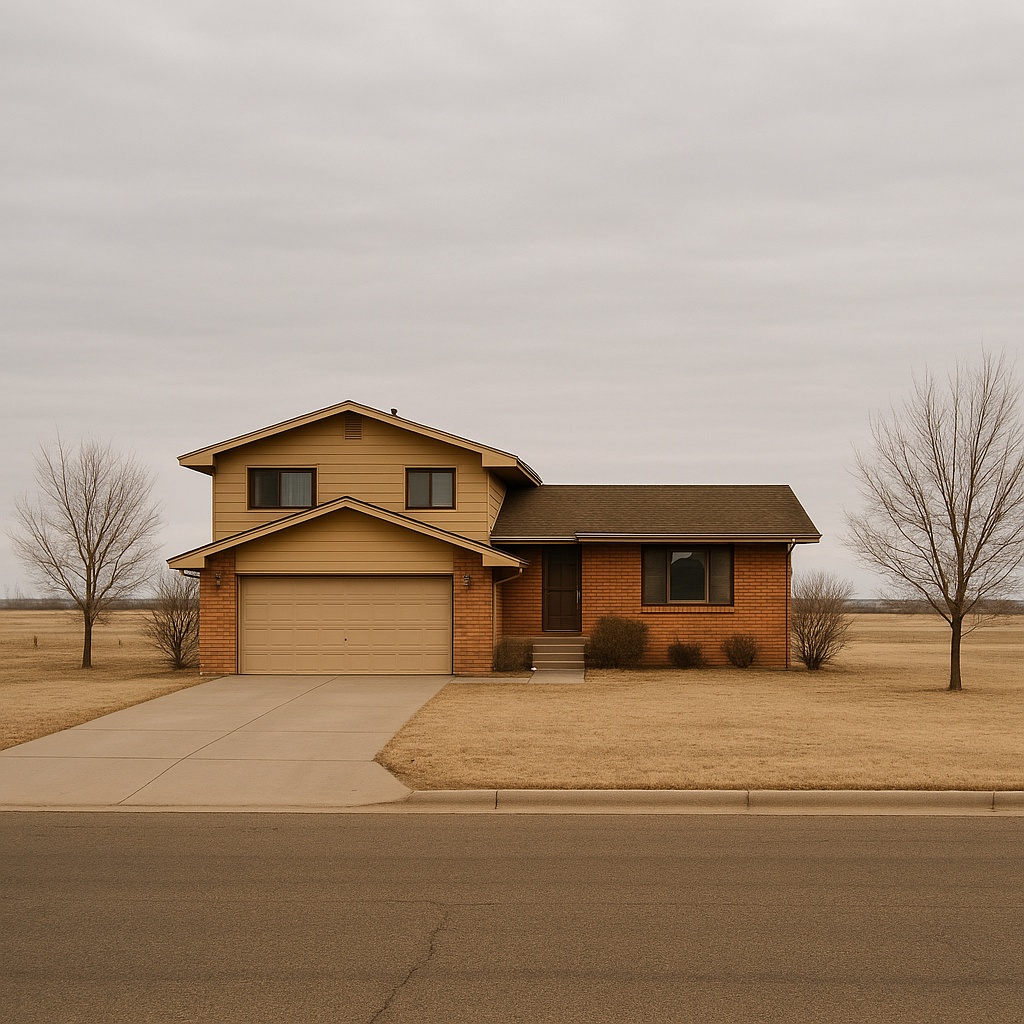
Step 4: Set an initial “minimum reserve” before you relax
We see a lot of landlords start a reserve… and then treat $800 like they’ve achieved financial enlightenment.
A better approach: set a minimum reserve threshold you want to hit as fast as possible. This is your “I can handle a real repair without panic” number.
What should it be? It depends on the property, but your minimum should be high enough to handle:
- one meaningful HVAC repair (not replacement)
- one plumbing event that can’t wait
- your insurance deductible exposure (especially hail/wind scenarios)
If your property is older, has an aging HVAC, or has had prior plumbing issues, your minimum needs to be higher—because your risk is higher.
Step 5: Refill rules—how your reserve stays healthy
Reserves get drained. That’s their job.
The key is having a refill rule you follow automatically:
- After any repair over a certain amount, increase the monthly transfer until you’re back to the minimum threshold.
- After a major replacement, reset the sinking fund timeline (new HVAC = new savings cycle).
This prevents the common landlord trap: you spend the reserve once, then “forget” to rebuild it until the next emergency.
The most common reserve mistakes we see in Amarillo
Mistake 1: Counting appreciation as your reserve
“Worst case I’ll refinance.” That’s not a reserve. That’s a financing plan—and it’s dependent on rates, appraisals, and time.
Mistake 2: Underestimating make-ready costs
Turnovers in Amarillo can be straightforward or surprisingly expensive depending on cleaning, paint, flooring, and tenant-caused damage vs. wear-and-tear realities.
Mistake 3: Thinking insurance will handle everything
Insurance has deductibles, exclusions, claim friction, and sometimes coverage limitations. Your reserve is what keeps the property stabilized while insurance does its slow dance.
Mistake 4: Using the security deposit as a repair fund
Texas law draws a line between tenant liability and normal wear and tear. If you rely on deposits for ownership costs, you’re setting yourself up for conflict and potential statutory exposure.
When building reserves is a sign you should switch from DIY to systems
If you’re self-managing, your reserve plan is only as good as your discipline and documentation.
In our experience, landlords tend to hire management right after one of these happens:
- a midnight plumbing leak
- repeated late rent
- a contractor problem that turns into a tenant problem
- a deposit dispute that eats your time
If you’re weighing it, read Pros & Cons of Self-Managing a Texas Rental.
Bottom line: reserves turn “surprises” into scheduled expenses
The Panhandle is hard on houses. That’s not pessimism—it’s just ownership reality.
A real maintenance reserve makes you a calmer landlord, creates better tenant experiences (faster repairs, fewer delays), and protects your long-term returns.
If you want help setting reserve targets, building a repair workflow, and making your rental run like a business, take the next step and book a consult: Book a Management Consultation
Frequently Asked Questions
What is a maintenance reserve for rentals and why is it important for Amarillo landlords?
A maintenance reserve for rentals is a separate fund set aside to cover repair and replacement costs over time, distinct from security deposits or personal savings. In Amarillo and the Texas Panhandle, where harsh weather like hail, wind, and freezing temperatures cause frequent property damage, having this reserve protects landlords from unexpected expenses that can disrupt cash flow and tenant relations.
How does a maintenance reserve differ from a security deposit in Texas rental properties?
In Texas, a security deposit secures tenant performance and can only be used for tenant-caused damages beyond normal wear and tear, which the landlord must document and return within 30 days. A maintenance reserve for rentals, however, is landlord-owned money specifically allocated to cover normal repair and replacement costs, ensuring repairs don’t rely on tenant deposits and comply with state laws.
What factors should Texas Panhandle landlords consider when deciding how much to save in a maintenance reserve?
Landlords in the Texas Panhandle should factor in local conditions like hail and wind damage, HVAC wear from extreme temperatures, hard water effects, and freeze-related plumbing issues. Reserve amounts should also reflect the property’s age, roof condition, and tenant profile, with enough funds to cover at least one significant HVAC repair, an urgent plumbing event, and relevant insurance deductibles.
What are simple and effective ways to fund a maintenance reserve for rentals in Amarillo?
Texas landlords commonly fund maintenance reserves by either transferring a fixed percentage of monthly rent collected, setting a consistent fixed monthly amount regardless of vacancy, or using sinking funds based on the estimated life and replacement cost of major systems like HVAC and roofing. Keeping the system simple and automated helps ensure the reserve stays adequately funded over time.
Why shouldn’t Amarillo landlords rely on security deposits or insurance to cover repair costs?
Security deposits in Texas are legally restricted to covering tenant-caused damages, excluding normal wear and tear, and must be returned promptly with accounting. Insurance often includes deductibles, exclusions, and claim delays, making it unreliable for immediate repairs. Therefore, a dedicated maintenance reserve for rentals is crucial for timely repairs and maintaining tenant satisfaction.
When is it advisable for Texas Panhandle rental owners to consider professional property management in relation to maintenance reserves?
Landlords managing properties themselves often find that establishing disciplined reserve plans and handling emergencies become challenging when facing sudden plumbing leaks, tenant disputes, or contractor issues. Hiring professional management can provide better bookkeeping, structured funding of maintenance reserves, and streamlined repair workflows, making property ownership less stressful and more efficient in Amarillo’s demanding environment.