
What a Property Manager Actually Does
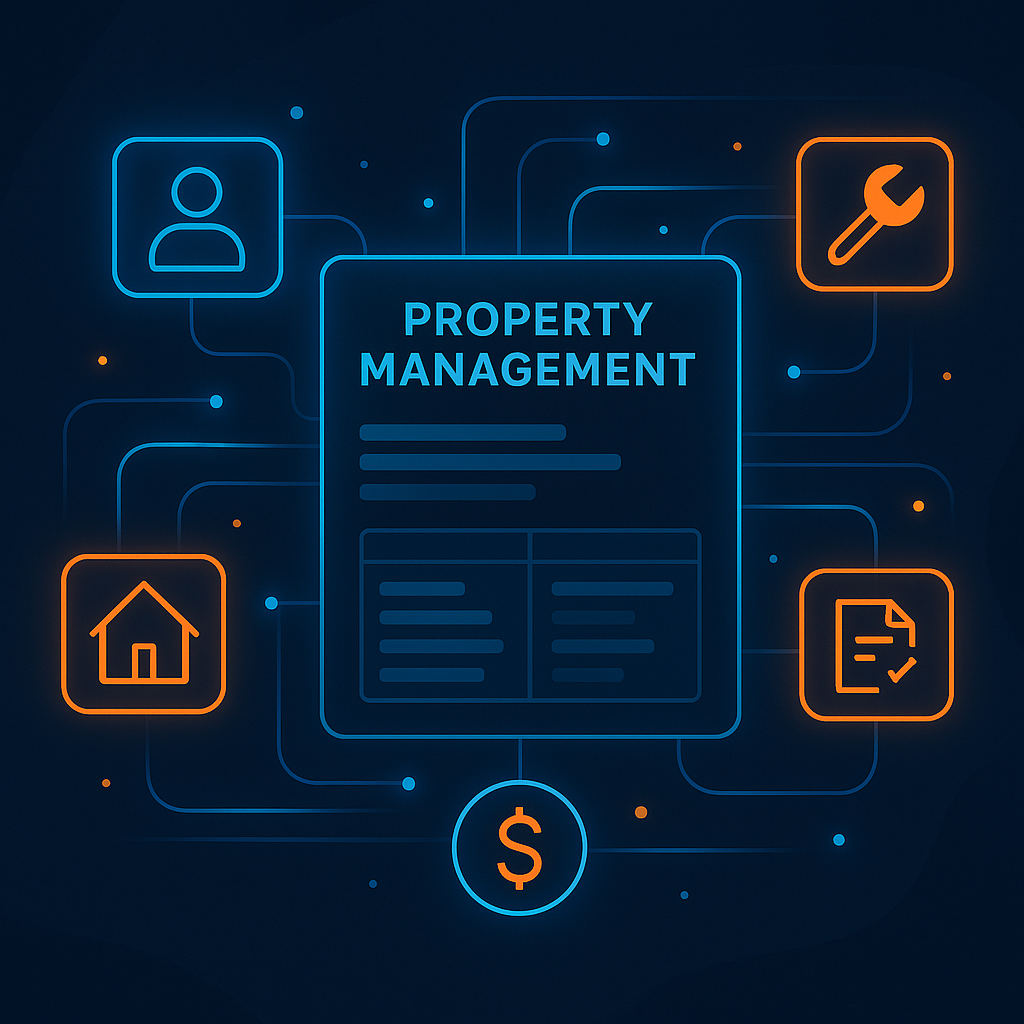
What does a property manager do? In short, they run the day-to-day operations of your rental so you don’t have to — marketing and leasing, tenant screening, rent collection, maintenance coordination, financial reporting, and keeping you compliant with Texas landlord-tenant law.
In short, they run your rental like a business, protecting both your monthly income and the long-term value of your asset. Here’s exactly what that looks like in Amarillo and the Texas Panhandle, Captain Blaze style: practical, no-nonsense, and straight to the point.
Owning rentals here means more than collecting rent checks. You need someone in your corner handling the daily heavy lifting — the seasoned captain steering your property ship through every choppy stretch: tenant issues, rent collection, repairs, and legal compliance. A property manager is hired by you, the owner, to oversee all of it.
How does a property manager handle your tenants?
Property managers are the first point of contact for your tenants. They screen applicants so you get responsible renters without running afoul of federal or Texas fair housing laws, then handle leasing paperwork, move-ins, complaints, renewals, and evictions when it comes to that.
Blaze insight: Tenant calls come at all hours. Your manager takes the midnight “the heater’s out” call so you don’t have to.
What does a property manager do with rent and finances?
Collecting rent is just the start. A manager tracks payments, chases down late rent, and handles security-deposit accounting under Texas law. They also pay property-related bills — taxes, insurance, vendor invoices — and deliver financial reports so you always know where your investment stands.
How does a property manager handle maintenance and repairs?
Nothing sours a tenant faster than a leaky faucet or a dead heater in an Amarillo January. Your manager schedules routine maintenance, coordinates vendor repairs, and runs inspections to catch problems early.
Captain’s tip: A good manager keeps a reliable bench of local contractors — repairs stay timely and costs stay reasonable.
How does a property manager keep you compliant in Texas?
From lease agreements built around Texas landlord-tenant law to proper notices for rent changes or eviction filings, your manager keeps you on the right side of the rules — and documents everything meticulously, so you’re protected if a dispute ever lands.

How does a property manager fill your vacancies?
When a tenant moves out, a manager doesn’t sit and hope. They market the property, screen applicants, and fill the vacancy fast to minimize lost income — because every empty week is money off your return.
Why does this matter for Amarillo owners?
The Texas Panhandle market has its quirks: seasonal demand shifts, weather-driven maintenance surges, and a renter base that rewards responsiveness and clear communication. A manager who actually knows Amarillo anticipates these instead of reacting to them, keeping your property running efficiently year-round.
Is a property manager worth it?
Here’s the honest math. A property manager charges a fee — typically a percentage of the monthly rent, plus a leasing fee when they place a tenant. Against that, weigh what bad management actually costs: weeks of vacancy, a tenant who stops paying, a botched deposit return that turns into a lawsuit, deferred maintenance that balloons, and the hours of your own time spent on 10 p.m. phone calls.
For most owners, the value tips clearly toward hiring out — especially if you own more than one door, live out of town, or simply want your rental to be an investment instead of a second job. If you’ve got a single property next door and you genuinely enjoy the work, self-managing can make sense. We lay that decision out in full in our guide to the pros and cons of self-managing your Texas rental — and here’s the one thing we’ll always tell you straight: if a manager isn’t earning their fee, you shouldn’t be paying it.
What do people get wrong about property managers?
- “They just collect rent.” Not close — they’re marketer, screener, maintenance coordinator, bookkeeper, and compliance officer rolled into one.
- “You save money managing it yourself.” Sometimes — but the time, stress, and cost of a single avoidable mistake often dwarf the fee.
- “They’ll always push the priciest repair.” A local, reputable manager balances cost and quality. If something’s expensive and unnecessary, they’ll tell you — and that’s the difference between a real manager and a flat-fee company that just processes work orders.
Ready to hand off the day-to-day?
A dedicated manager means your rentals aren’t just occupied — they’re cared for, your income stays steady, and your asset holds its value. If you own in Amarillo or the Texas Panhandle and you’re ready to run your rentals like the investment they are, book a consultation and let Captain Blaze take the wheel.

Frequently Asked Questions
What does a property manager actually do?
A property manager handles leasing, tenant screening, rent collection, maintenance coordination, financial reporting, and Texas legal compliance — running your rental’s day-to-day so you don’t have to.
Is hiring a property manager worth it?
For most owners, yes. The time saved, vacancies avoided, and legal mistakes prevented typically outweigh the management fee — especially if you own multiple properties, live out of town, or want to stay hands-off.
How much does a property manager cost?
Most charge a percentage of the monthly rent plus a leasing fee to place a tenant. What matters most is what’s actually included in that fee.
What’s the difference between a property manager and a leasing-only service?
A leasing service only finds and places a tenant. A property manager handles the full lifecycle — leasing, rent, maintenance, compliance, and renewals — for as long as the tenant stays.