
Building a landlord operating budget sounds boring until you don’t have one—then it gets exciting in the worst possible way.
In the Amarillo and Texas Panhandle rental world, your budget has to survive real-life stuff: hail that turns roofs into confetti, wind that eats fences, HVAC that runs hard in August and still gets tested in January, and Texas rules that punish sloppy deposits or slow repairs.
This guide is how we help investors build an operating budget that’s actually usable—one that protects cash flow and keeps you out of unforced errors.

landlord operating budget: what it is (and isn’t)
A landlord operating budget is your annual plan for income, operating expenses, and reserves so you can run the property like a business.
It is not:
- a “maybe this will work” guess
- a spreadsheet that assumes nothing breaks
- a plan that treats security deposits like revenue
In practice, a good operating budget does two things: (1) it keeps the property stable month to month, and (2) it makes “big hits” (taxes, roofs, HVAC) predictable instead of catastrophic.
Step 1: Start with income (but stay conservative)
Your top-line income is usually rent, plus smaller items like late fees or pet rent (if your lease allows it). The trap is budgeting based on the best month you’ve ever had.
For Panhandle rentals, we typically model income with a few conservative assumptions:
Scheduled rent vs. collected rent
“Scheduled” is what the lease says. “Collected” is what actually lands in your bank account.
Budgeting move: build in a realistic vacancy/credit loss assumption (even if you self-manage and swear your tenants always pay). Collections and vacancy are operational realities, not moral judgments.
Don’t build your budget around late fees
Texas allows late fees in many cases, but they’re supposed to be reasonable and disclosed in the lease. Late fees are not a strategy—they’re friction.
If you want your collection system to run clean (and your budget to be predictable), focus on screening, lease clarity, and consistent follow-up. If you want the “what that system looks like” view, read What a Property Manager Actually Does.
Step 2: Build your expense lines (the ones that actually matter)
Operating budgets fail when investors underestimate the “unsexy” categories. Here are the big buckets that matter in the Panhandle.
Repairs & maintenance (R&M): the Panhandle reality
Amarillo and surrounding areas live in a weather and wear-and-tear environment that’s different than, say, mild coastal markets.
Common recurring cost drivers we see locally:
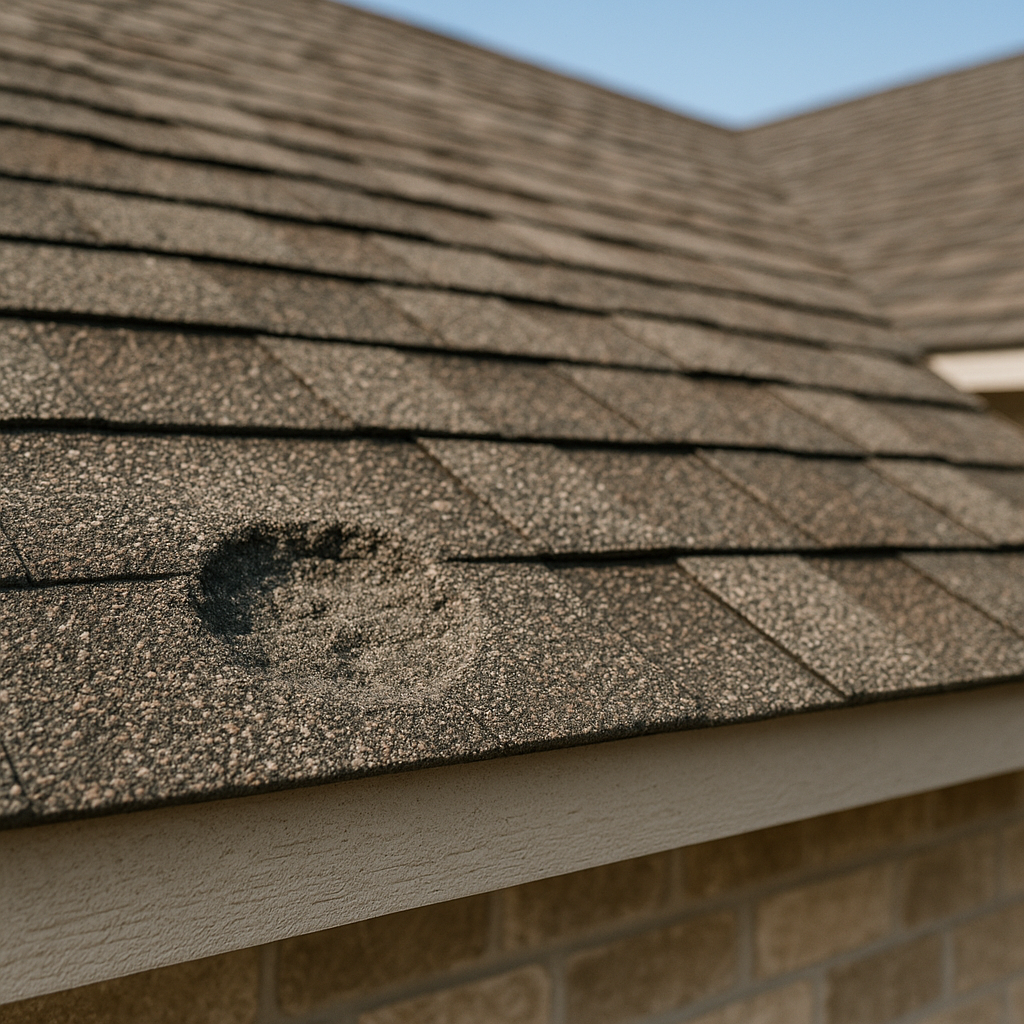
- hail/wind exterior damage (roofs, gutters, screens, siding)
- fence repairs (wind is undefeated)
- HVAC service and replacement (hard summer run time, plus winter stress)
- frozen pipe incidents in cold snaps, especially in vacancies or poorly insulated lines
- drainage/grading/gutter issues after heavy rain events
Budgeting move: separate routine R&M (small repairs) from capex (big replacements like roofs and HVAC). If you blend them, your “maintenance number” will look fine—right up until it doesn’t.
Property taxes (plan for the timing, not just the amount)
Texas property taxes are a cash-flow event, not just a line item. Even if you escrow with a lender, taxes still affect your return.
Budgeting move: model taxes based on the most recent assessment info you have and plan for the payment cycle so you’re not scrambling when the bill comes due.
Insurance (and the wind/hail deductible problem)
Insurance in the Panhandle is shaped by wind and hail exposure. That often means higher premiums and deductibles that can be percentage-based.
Budgeting move: don’t just budget the annual premium—budget a deductible reserve. The most painful scenario isn’t “a claim.” It’s a claim where you realize you don’t have the deductible cash available.
Utilities (even if tenants pay them)
Even when the tenant pays utilities, owners frequently eat utilities during:
- vacancy turns
- repair periods
- freezes (you may keep heat on to avoid pipe damage)
Budgeting move: add a small “vacancy utilities” line so your turns don’t quietly wreck your month.
Turnover/make-ready (the silent profit killer)
Make-ready includes cleaning, paint touch-ups, minor repairs, locks, yard cleanup, etc.
Budgeting move: set a per-turn allowance and assume a normal turnover cadence for your tenant profile. If you’re not sure how to underwrite that, start with a property-level analysis using Analyze a Rental in the Texas Panhandle.
Step 3: Add the “Texas compliance” budget lines (yes, really)
This is where investors get blindsided. Texas is landlord-friendly in many ways, but that doesn’t mean it’s consequence-free.
Security deposits are not income
Texas doesn’t cap security deposit amounts, but it does set rules around returning them and what you can deduct. In particular, Texas generally requires returning the deposit within a set timeframe (commonly referenced as 30 days after surrender, with the tenant’s forwarding address being a key trigger), and deductions can’t include normal wear and tear.
Budgeting move: treat deposits as a liability and budget your make-ready like you’ll be paying for it (because most of it is normal wear and tear).
If you want a practical owner-focused walkthrough, use Texas Security Deposit Rules.
Repairs that affect health/safety are time-sensitive
Texas Property Code Chapter 92 is built around habitability concepts. In plain English: when something impacts health or safety (no water, major leaks, electrical hazards, HVAC failures in extreme conditions), you don’t get to respond “whenever.”
Budgeting move: your budget needs an emergency maintenance reserve and vendor relationships that can respond fast.
Eviction and collections cost money (even when you’re “right”)
Texas has a structured process for notices and eviction filings. Even without getting into legal advice, the investor takeaway is simple: you can be correct and still lose months of income to timeline and costs.
Budgeting move: add a small annual allowance for legal/filing costs and assume some level of bad debt/credit loss. If you’re building a portfolio plan, this matters more than your interest rate.
For the operations side of this, read How to Handle Late Rent Legally in Texas (process-focused, not legal advice).

Step 4: Build reserves (where real investors separate themselves)
A stable landlord operating budget always includes reserves. Not “whatever is left over”—a real line item.
Here’s the difference:
- Cash flow pays bills.
- Reserves keep you from making panic decisions.
The three reserves we like to see
- Maintenance reserve (for the constant small stuff)
- Capex reserve (roof, HVAC, water heater, exterior paint)
- Storm/deductible reserve (Panhandle-specific, because hail doesn’t care about your spreadsheet)
If you’re scaling past one or two properties, reserves are the difference between a portfolio and a hobby.
Step 5: Put the budget into an operating system
A budget that lives in a spreadsheet and never gets compared to actual performance is just a wish.
Budgeting move: review monthly and track variances:
- Did repairs spike? Why?
- Is vacancy higher than planned? Is it pricing, condition, leasing speed?
- Are you under-reserved for capex?
This is also where self-managing investors hit a wall: the math may work, but the system doesn’t.
If you’re weighing that decision, read Pros & Cons of Self-Managing a Texas Rental.
Common budgeting mistakes we see in Amarillo rentals
The pattern is consistent:
- Underestimating hail/wind wear (then acting surprised when exterior costs show up)
- Treating security deposits like make-ready funding (Texas rules don’t work that way)
- Ignoring vacancy utilities and turn costs
- No deductible reserve (so every claim becomes a cash-flow crisis)
- No legal/compliance allowance (so one problem tenant blows the year)
Next steps: we’ll help you build a budget that matches the property
The right landlord operating budget is property-specific: neighborhood, construction type, age, tenant profile, insurance structure, and your portfolio goals.
If you want a second set of eyes on your numbers—or you’re buying and want to underwrite correctly before you close—book a strategy call here.
Book an Investor Strategy Call
Disclaimer: This article is for general education in Texas and the Amarillo/Panhandle market. It is not legal, tax, or accounting advice.
Frequently Asked Questions
What is a landlord operating budget and why is it important for Amarillo rental properties?
A landlord operating budget is an annual financial plan that outlines the expected income, operating expenses, and reserves needed to manage a rental property like a business. In Amarillo and the Texas Panhandle, it is crucial because it helps landlords manage unpredictable costs from weather damage, repairs, taxes, and legal requirements, ensuring stable cash flow and avoiding financial surprises.
How should I estimate rental income realistically for a landlord operating budget in the Texas Panhandle?
When estimating rental income, it is important to use conservative assumptions rather than relying on the highest rent you’ve ever collected. Budget for actual collected rent, accounting for vacancy and credit loss, as these factors are common operational realities even for self-managed properties in Amarillo and nearby areas.
What operating expenses are unique to managing rental properties in Amarillo and the Texas Panhandle?
In Amarillo, common unique expenses include frequent repairs and maintenance due to hail and wind damage, fence repairs, HVAC servicing under extreme seasonal conditions, and frozen pipe prevention during cold snaps. Additionally, landlords must budget for property taxes as a cash-flow event, higher insurance premiums with significant deductibles, and utility costs during vacancy or turnovers.
How should Texas landlords handle security deposits in their operating budget?
Security deposits in Texas are considered liabilities, not income, because state laws require landlords to return deposits within a specific timeframe and restrict deductions to damages beyond normal wear and tear. Landlords should budget their make-ready and repair costs separately and not rely on security deposits to cover routine turnovers or maintenance in their landlord operating budget.
Why is it important to include reserves in a landlord operating budget for Panhandle rental properties?
Reserves are essential for handling unexpected costs without disrupting cash flow. In Amarillo and the Panhandle, landlords should maintain dedicated reserves for routine maintenance, capital expenses like roof or HVAC replacement, and storm or deductible reserves to cover costs from hail or wind damage. These reserves prevent panic decisions and ensure the property remains financially stable.
How often should I review and update my landlord operating budget to keep it effective?
A landlord operating budget should be reviewed monthly to compare actual income and expenses against projections. Tracking variances helps identify issues such as increased repairs, higher vacancy rates, or underfunded reserves, allowing landlords in Amarillo to adjust their budget or management strategies promptly to maintain stable operations.