
Why build-to-rent in Texas Matters for Investors Today
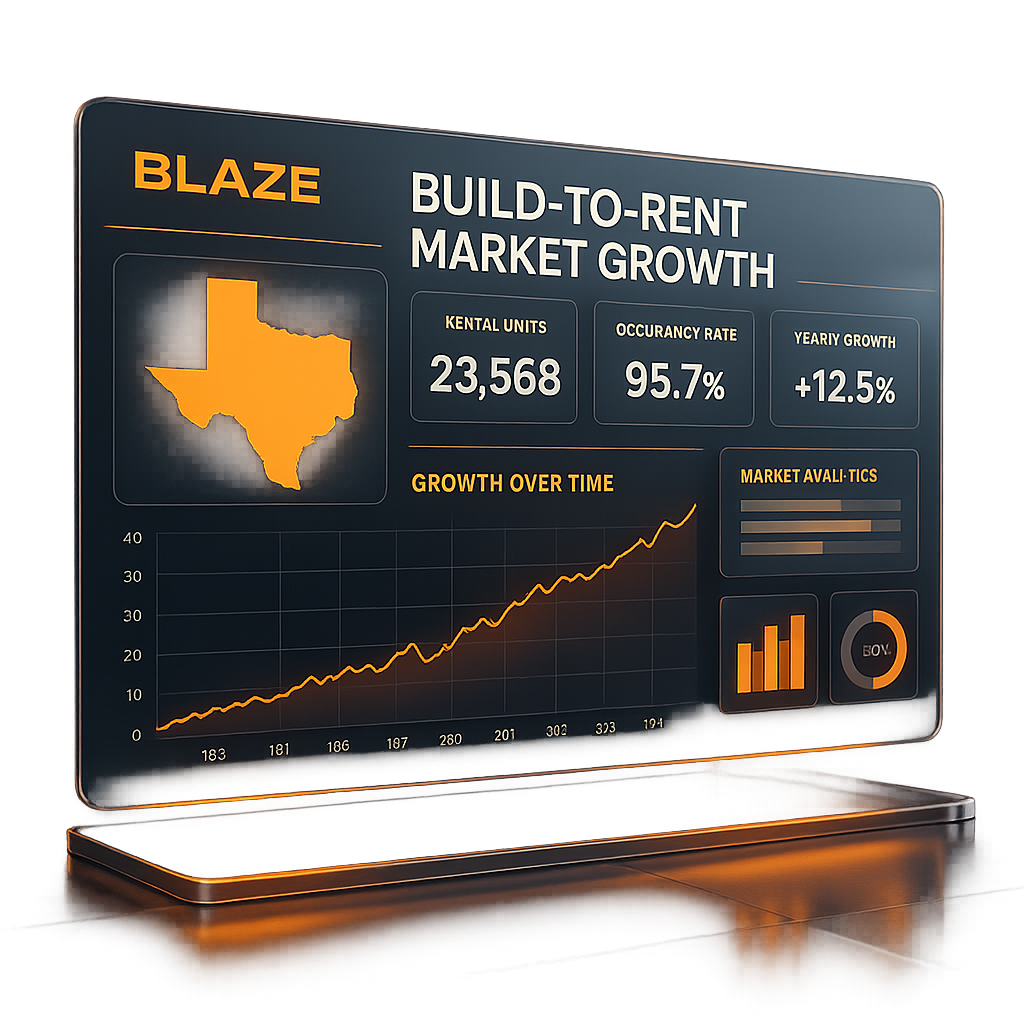
The build-to-rent in Texas sector is booming, and residential investors are paying attention. In 2024, Texas led the nation with thousands of newly completed purpose-built rental homes, pushing the Texas build-to-rent market into the spotlight. However, this growth is not random. It follows strong population growth, available land, and steady demand for rental homes that feel like houses instead of apartments.
In Amarillo and the broader Panhandle, the story is more local and a little less flashy. Still, investors who understand how this trend plays out here can make better calls on pricing, leasing, and long-term strategy. In short, the big metros may get the headlines, but the Panhandle still gets the math.
What Build-to-Rent Really Is
Build-to-rent properties are single-family homes built for renting instead of selling. Unlike converted homes or rentals bought after construction, these homes are planned from day one as rental housing.
For investors, this model can offer:
- A rental product for tenants who want the space and privacy of a house.
- Scale through multiple homes with similar layouts, finishes, and systems.
- More consistent operations when management, leasing, and maintenance are handled well.
In Texas, Dallas and Houston still lead in total BTR units. Meanwhile, Amarillo is an earlier-stage market. That matters. Smaller markets may not absorb large communities the same way major metros do, but they can offer room for disciplined investors who study demand before jumping in.

Texas Market Snapshot: Growth and Supply
Texas posted one of the strongest build-to-rent delivery years in the country in 2024. In addition, large metros continue to attract residents, which supports housing demand across both ownership and rental markets. The U.S. Census Bureau continues to track population estimates that help explain why builders and investors are watching Texas so closely.
As a result, new supply has grown fast in many Texas metros. That can slow rent growth, increase concessions, and make lease-up strategy more important. For example, some new communities may offer free rent or other incentives to keep occupancy moving when several projects open at once.
Still, single-family rentals Texas tenants want are not all the same. A newer three-bedroom home with a yard competes differently than an older apartment or a scattered-site rental. Therefore, investors should compare rent, finish level, school access, commute patterns, and nearby supply before assuming a project will lease itself.
What This Means for Residential Investors
Benefits:
- Steady Demand: Many people moving to Texas prefer renting single-family homes over apartments because they want more space, a yard, or a quieter setup.
- Cleaner Operations: Newer homes with similar systems can make maintenance planning easier. However, “new” does not mean “hands-off forever.”
- Diversification: As Amarillo’s rental market matures, adding newer rental homes alongside traditional properties may help balance a portfolio.
In addition, investors should compare this trend against the basics: purchase price, rent, vacancy, repairs, insurance, taxes, and financing. Our guide on analyzing rental property is a good starting point for that local math.
Challenges:
- More Concessions: Heavy new supply can pressure rents and increase lease offers.
- Submarket Risk: What works in Dallas may not work in Amarillo, Canyon, Bushland, or the north side of town.
- Operating Costs: Insurance, taxes, maintenance, and management still matter. Review costs carefully before you buy.
For Texas residential investment, the lesson is simple. Do not buy the trend. Buy the numbers. For a deeper look at income assumptions, review our guide to analyzing rent growth. Also, compare your underwriting with current expectations for insurance costs, since premiums can change the return picture fast.
Avoid Common Missteps
Some investors treat BTR as a silver bullet for rental income. However, no rental strategy wins just because it has a shiny acronym. Here’s what to watch:
- Overestimating rent growth in markets with a large supply pipeline.
- Ignoring local tenant demand shifts and assuming every Texas market behaves the same.
- Underestimating operations, even when a property is newer or professionally managed.
- Forgetting weather, insurance, taxes, and maintenance reserves.
In Amarillo’s freeze-thaw climate, roofs, foundations, fencing, HVAC, and plumbing all deserve attention. In addition, landlords should understand their repair and habitability duties under the Texas Property Code. Talk with your agent, property manager, or a qualified professional when you are unsure how a rule applies to your situation.
Looking Ahead: Positioning for Success
BTR trends Texas 2024 made one thing clear: purpose-built rental housing is no longer a side note. Instead, it is becoming part of the broader residential investment conversation. For serious investors, the next step is tracking pipeline supply, tenant demand, incentives, and local operating costs.
In smaller Panhandle markets, opportunity often comes from being early but not reckless. For example, investors should study neighborhood demand, school access, commute routes, and competing rentals before chasing a new-build deal. Our guide to the best Amarillo neighborhoods can help frame that local review.
At Blaze Real Estate, we combine Amarillo market insight with practical property management systems. Therefore, we help investors compare BTR-style homes, traditional single-family rentals, and small multifamily options without turning the process into a spreadsheet rodeo.

Ready to explore rental opportunities in Amarillo and the Texas Panhandle? Schedule a consultation and let’s review the numbers, the risks, and the local strategy before you make your next move.
FAQ: Build-to-Rent and Texas Rental Investing
What is build-to-rent housing?
Build-to-rent housing means single-family homes or townhomes built specifically to be rented, not sold. These homes are often grouped in communities and managed like rental portfolios.
Is build-to-rent a good investment in Amarillo?
It can be, but the numbers must work. Review rent demand, supply, maintenance costs, insurance, taxes, and financing before buying or developing.
How is BTR different from buying a regular rental house?
BTR homes are designed as rentals from the start. Regular rental houses are often existing homes later converted into rental property.
What risks should Texas investors watch?
Watch new supply, rent concessions, insurance costs, property taxes, repairs, and local tenant demand. Also review legal and lending questions with qualified professionals.
Does Blaze help investors evaluate rental opportunities?
Yes. Blaze helps investors review local rent potential, operating costs, property management needs, and long-term rental strategy in Amarillo and the Texas Panhandle.