
Amarillo investors already know the wind is not playing around. But how weather patterns shape Panhandle rentals goes far beyond one windy day or one hailstorm.
Weather affects rental returns in quiet ways. It changes repair cycles, insurance costs, tenant comfort, vacancy risk, and which upgrades are actually worth the money.
This article is for residential investors who want fewer surprises and steadier performance. It is not legal or insurance advice. It is the practical reality we see while managing and evaluating rentals in Amarillo and the Texas Panhandle.
If you are still learning how to judge a deal from top to bottom, start with our guide on how to analyze rental property in the Texas Panhandle.
What “weather patterns” mean for Panhandle rentals
When people say “weather,” they often mean one event. A hailstorm. A hard freeze. A week of hard wind. A hot July where the AC never seems to rest.
For investors, weather patterns matter when those events repeat often enough to change your costs and risk.
In the Panhandle, the big ones are:
- high wind and wind-driven damage
- hail and severe thunderstorms
- hard freezes and fast temperature swings
- heat, sun exposure, and dry stretches
Each one hits your rental in a different place. Some hit the roof. Some hit the HVAC. Some hit tenant satisfaction. All of them can hit your cash flow.
How weather patterns affect Panhandle rentals
Weather usually hurts returns through small leaks before it creates one big problem. That is why investors need to build it into the operating plan for Panhandle rentals.
1) Maintenance frequency and lifecycle costs
Panhandle weather can shorten the life of parts that investors in milder markets may take for granted.
Wind and sun are hard on:
- roofing and ridge caps
- fences and gates
- exterior paint and caulk lines
- window seals and weatherstripping
- HVAC systems
That does not mean you cannot cash-flow here. You can. But your numbers need to include more frequent repair and replacement cycles.
A rental that looks fine on paper may need more reserves because of exposure, age, materials, or poor past maintenance.
2) Insurance deductibles, claims, and claim fatigue
Hail and wind can drive many roof and exterior claims in this region. The mistake is thinking the deductible is the only cost.
The hidden costs can include:
- higher renewal premiums after claims
- time spent dealing with adjusters and contractors
- vacancy risk if repairs drag on
- quality issues if everyone is chasing the same storm crews
Even if you rarely file claims, your premiums still reflect the broader risk environment. NOAA’s National Severe Storms Laboratory explains that hail can damage structures and that severe thunderstorm winds can create serious property risk. See NOAA’s information on hail and damaging winds for more context.
Insurance should be part of the deal review. Our guide to insurance costs for Texas investors explains why this line item deserves more attention than it usually gets.
3) Tenant satisfaction and turnover
Tenants usually do not move because “the Panhandle is windy.” They move because the home feels drafty, the heater struggles, the AC cannot keep up, or a fence stays down too long.
Weather turns small property issues into daily frustration. That can lead to more complaints, shorter stays, and higher turnover.
Turnover is where many rental returns go to die. Not with a crash. More like a slow leak in a tire.
4) Vacancy and leasing seasonality
Leasing is already seasonal. Weather can make it worse.
- Severe cold can slow showings.
- Major storms can delay move-ins.
- Storm damage can stretch make-ready timelines.
- Long heat waves can make efficient cooling more valuable.
The takeaway is simple: speed matters. A fast, reliable turn process beats a perfect plan that sits in limbo for three weeks.
Panhandle-specific risks investors should underwrite
This is where operator-minded investors beat spreadsheet-only investors. Same rent. Same purchase price. Very different risk.
Wind: fences, roofs, and recurring small damage
Wind does not always create one huge event. Often, it creates a series of small ones.
Common wind-related costs include:
- fence sections leaning or blowing over
- loose shingles or ridge caps
- flashing or vents coming loose
- tree limbs rubbing roofs or falling on lines
Investor move: treat fence repairs as a normal line item. Around here, calling fence damage “unexpected” is a little optimistic.
Hail: roof life, gutters, screens, and exterior parts
Hail is the headline risk, but it is not just about the roof.
Hail can damage:
- gutters and downspouts
- window screens
- soft metal trim
- AC fins and exterior coils
If you only inspect the roof after a storm, you may miss the smaller damage that becomes a maintenance call later.
Freeze events: plumbing, hose bibs, and tenant behavior
Hard freezes can get expensive fast.
The higher-risk properties often have:
- older supply lines
- poorly insulated walls
- exposed exterior hose bibs
- vacant units during cold weather
- tenants who do not report small leaks early
You cannot “policy” your way out of freeze risk. You manage it with preparation, communication, and property condition.
Heat and sun: HVAC performance and energy costs
In summer, tenants care about comfort and utility bills.
Homes that struggle in heat often have:
- old or undersized HVAC systems
- weak attic insulation
- leaky ductwork
- poor ventilation
- sun-exposed windows with little shade
Heat puts steady pressure on rent tolerance. A tenant may pay more for a home that stays comfortable and does not punish them with high utility bills.
If you are comparing long-term income, weather exposure should be part of your rent growth analysis, not an afterthought.
 Upgrades that usually pay off in Panhandle rentals
The right question is not, “Is this upgrade nice?”
The better question is, “Will this reduce calls, reduce turnover, or protect the asset?”
Roofing choices and documentation
A quality roof matters. So do the records.
Keep:
- install date
- contractor information
- product and warranty details
- before and after photos
When storms hit, clean records help owners make faster decisions. They also reduce confusion during claims, sale reviews, and future inspections.
Attic insulation and air sealing
This is not a flashy upgrade. That is part of why it is useful.
Better insulation and air sealing can:
- reduce HVAC strain
- improve comfort
- lower tenant utility costs
- reduce hot and cold spots
ENERGY STAR notes that sealing air leaks and adding insulation can improve comfort and energy efficiency. Its seal and insulate guidance is a good starting point for understanding why these boring upgrades can matter.
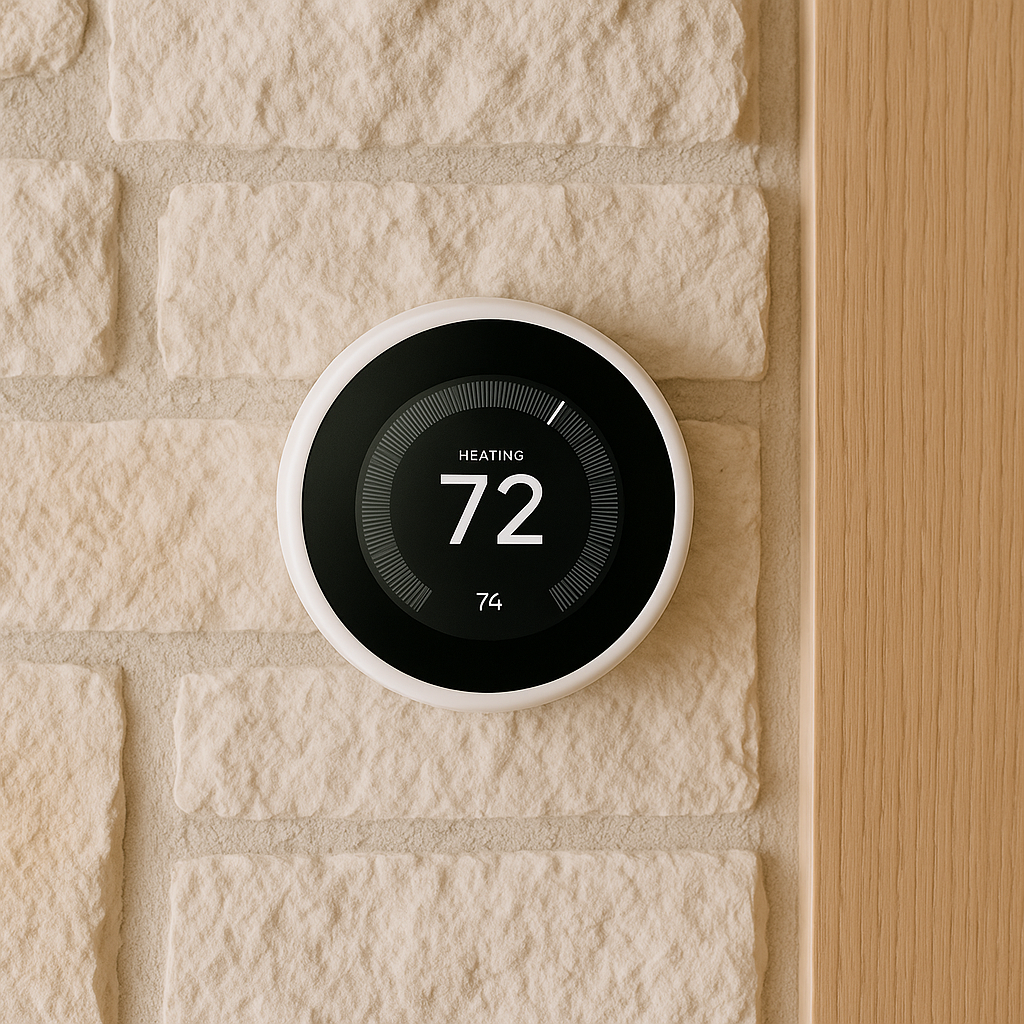
Smart thermostats for Panhandle rentals
Smart thermostats can help, but they are not magic.
The goal is not to control the tenant. The goal is fewer emergency calls, better HVAC use, and fewer “the heater stopped” surprises that are really setting problems.
Drainage and gutter maintenance
Drainage is boring. Boring protects money.
Wind and hail seasons can turn small drainage issues into larger foundation concerns. Gutters, downspout extensions, and grading checks are not exciting, but they help protect long-term value.
Weather-readiness: the operational systems investors need
The best rentals are not storm-proof. No such thing. They are managed with repeatable systems.
Seasonal inspections
Do not wait for the emergency call.
A simple inspection rhythm can help:
- pre-summer HVAC check
- filter plan
- pre-freeze plumbing check
- exterior hose bib check
- post-storm walk-through
- roof, gutter, fence, and screen review
Small problems are usually cheaper than water intrusion, HVAC failure, or delayed turns.
Vendor capacity during storm season
After major hail or wind events, everyone calls the same roofers, fence crews, and HVAC techs.
If you do not have reliable vendors lined up, your timeline slips. Costs rise. Vacancy stretches.
This is one reason professional management can matter. The value is not just rent collection. It is vendor access, process, and speed when everyone else is scrambling.
Resident communication
Tenants are not maintenance professionals. They need clear instructions before extreme weather.
Good messaging explains:
- what to do before a freeze
- when to report a leak
- how to handle HVAC concerns
- what counts as an emergency
- what can wait until normal business hours
Good communication reduces damage. It also builds trust. You want tenants to call early, not after the ceiling has a new water stain shaped like Oklahoma.
Common investor mistakes we see in Amarillo
A few mistakes show up again and again.
Underestimating reserves because “it’s newer”
Newer homes can still take hail damage. Newer fences still blow down.
Reserve planning should reflect the local environment, not just the year built.
Treating insurance as the maintenance plan
Insurance is for covered losses. It is not a replacement for:
- roof maintenance
- gutter cleaning
- freeze prep
- HVAC service
- regular exterior inspections
If weather events are common, the “claim everything” approach can cause problems over time. Talk with your insurance professional before making claim decisions.
Choosing materials that fail faster here
Some materials look good at install but do not age well with wind, sun, dust, and hail.
Durability usually beats trendiness in Panhandle rentals. That is especially true if you want stable maintenance costs.
A practical way to evaluate a rental for weather exposure
When you review a rental, look at exposure and resilience.
Ask:
- What is the roof condition?
- Does the roof shape increase wind or drainage risk?
- Are large trees close to the roof or utility lines?
- How old is the HVAC system?
- Does the home feel comfortable in heat and cold?
- Are there drainage warning signs?
- How many exterior repairs happened in the last 12 months?
These answers affect your budget, rent plan, and future capex. They also feed into your Amarillo rental cap rate assumptions.
Bottom line: build weather into your operating model
In the Texas Panhandle, weather is not a rare interruption. It is part of the business.
If you plan for it, weather becomes manageable. You build better reserves. You choose better materials. You communicate better with residents. You keep vendors ready. That is how Panhandle rentals stay stable when the weather gets rude.
If you ignore it, weather shows up as surprise capex, longer vacancies, higher turnover, and ugly repair calls at the worst possible time.
If you want a second set of eyes on a potential acquisition, or you want a weather-ready reserve plan for your current Panhandle rentals, Blaze can help you evaluate the real operating picture. Not just the listing highlights.
FAQ: Weather Patterns and Panhandle Rentals
How do weather patterns affect rental property returns?
Weather affects returns through repairs, insurance costs, tenant comfort, vacancy timing, and replacement cycles for roofs, fences, HVAC systems, and exterior materials.
What weather risks matter most for Texas Panhandle rentals?
The biggest risks are wind, hail, hard freezes, heat, sun exposure, and drainage problems after storms.
Should investors budget more for maintenance in Amarillo?
Yes. Panhandle rentals often need stronger reserves because wind, hail, sun, and temperature swings can shorten the life of key property components.
Which upgrades help most with weather-related rental costs?
Useful upgrades often include better attic insulation, air sealing, durable roofing, smart thermostats, gutter improvements, drainage fixes, and stronger exterior materials.
Can good property management reduce weather-related risk?
Yes. Good management helps through seasonal inspections, vendor coordination, tenant communication, faster repairs, and better documentation before and after storms.