
Understanding flat-fee property management companies
Flat-fee property management companies charge a fixed monthly fee, often around $100 to $150 per unit, no matter how much rent the property brings in. This is different from percentage-based property management, where the manager earns a set share of the rent collected, often 8% to 12% for single-family homes and small multifamily rentals.
At first, flat fee property management can look clean and simple. However, the low monthly number may hide trade-offs. In practice, these models can lead to thinner service, slower follow-up, and extra charges that reduce your real return.
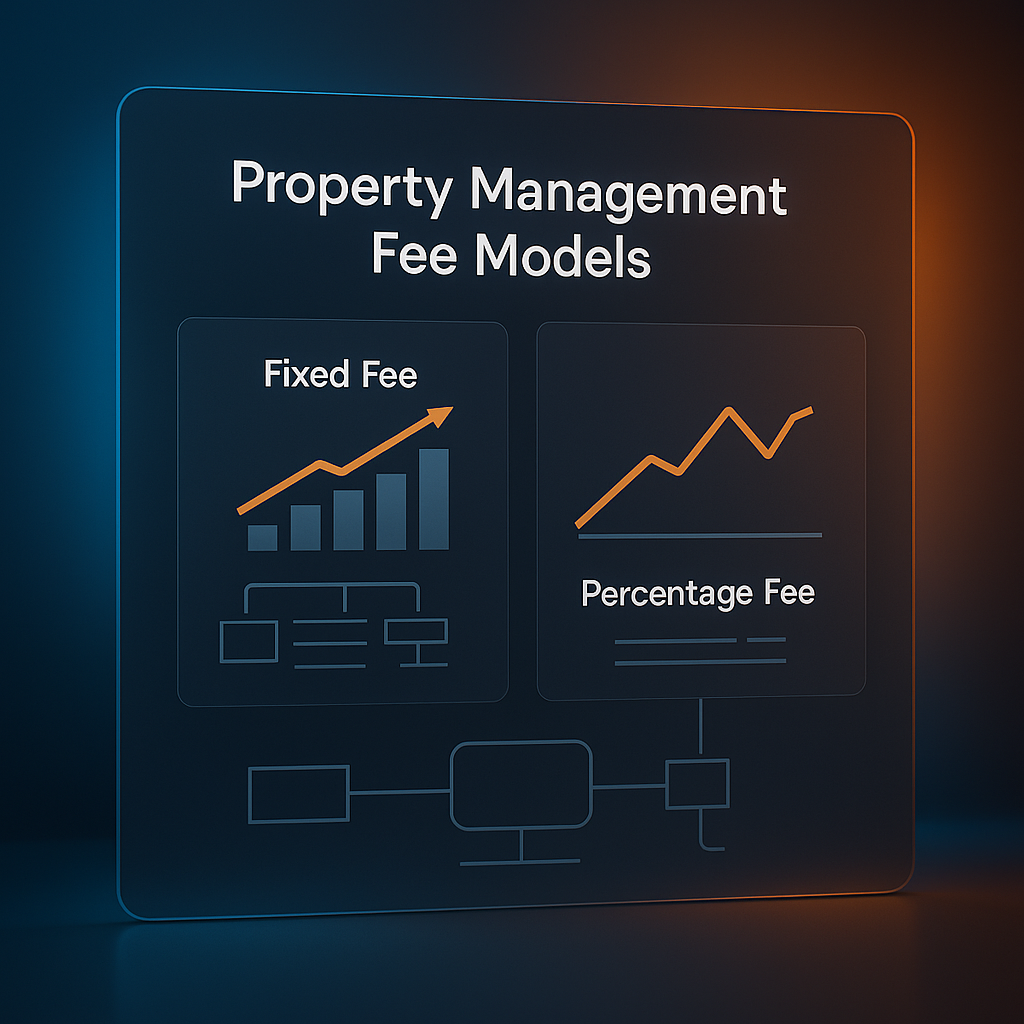
The Real-World Impact of Flat-Fee Management
Flat-fee companies usually offer basic services. These may include rent collection, tenant communication, maintenance coordination, tenant screening, and monthly reports.
However, the fixed revenue stream can limit how much time they spend on each property. As a result, they may charge extra for more hands-on work, such as regular property inspections, rent increase planning, maintenance follow-up, or eviction coordination.
Because their fee does not grow when your rent grows, the incentive can be weaker. They may not push as hard to improve rent, reduce vacancy, or protect long-term value. For example, a manager who earns the same fee either way may not treat a two-week vacancy like the five-alarm fire it feels like to an owner.
In addition, tenant placement fees can change the math fast. Some flat-fee providers charge a large leasing fee, sometimes up to a full month’s rent. Therefore, the savings you expected can disappear after one turnover.

Why Percentage-Based Management Aligns Better with Your Interests
Percentage-based property management ties the manager’s income to the property’s performance. When your property earns more, the manager earns more. That creates a simple shared goal: keep the home occupied, price it well, and protect the asset.
In Amarillo and across Texas Panhandle property management, this alignment matters. Rents can vary by area, property condition, school zone, and tenant demand. Meanwhile, one bad turnover or delayed repair can hurt cash flow for months.
Instead of just collecting a flat monthly fee, a performance-aligned manager has a reason to watch the details. That includes pricing, lease renewals, make-ready speed, and maintenance quality. If you are new to owning rentals, our landlording guide breaks down the bigger picture for Panhandle owners.
Common Pitfalls Owners Face with Flat-Fee Companies
- Limited service scope: Key tasks like proactive maintenance, lease enforcement, or eviction coordination may cost extra.
- Less hands-on management: A low fixed fee can mean less time spent on your property, which may slow repairs and tenant response.
- Weak rent-growth incentive: Some managers may avoid rent increases because their pay stays the same either way.
- Hidden or add-on charges: Leasing fees, inspection fees, maintenance markups, and renewal fees can cut into returns.
Still, the biggest problem is not always the fee itself. It is the gap between what owners think they are buying and what the contract actually includes. Before you sign, compare the full fee schedule, not just the monthly line item.
Practical Advice for Owners Considering Flat-Fee Management
Before signing with a flat-fee company, read the contract closely. Ask what is included, what costs extra, and who handles after-hours issues. Also ask how they set rent, reduce vacancy, and document property condition.
In addition, ask about late rent, lease violations, and legal process. Texas landlords must follow applicable state rules, including parts of the Texas Property Code. If a situation involves legal risk, review it with a qualified professional.
Also, think about your property type and rent level. If you own one or two very low-rent units, a fixed fee might make sense. However, higher-rent properties often benefit from a manager who is motivated to increase income and reduce vacancy.
For example, owners often underestimate the cost of empty days. If vacancy is your main concern, start with the science of reducing vacancy. If you are comparing doing it yourself against hiring help, read about the true cost of self-managing.
Finally, make sure your manager has a clear process for collections and communication. When rent is late, the next steps should not be a guessing game. This guide on late rent in Texas explains why process matters.
Conclusion
Flat-fee property management can seem like a budget-friendly choice. However, the fixed monthly model can lead to fewer services, weaker incentives, and surprise charges that lower your net income.
For owners in the Texas Panhandle, a local manager with performance-based incentives often provides better value. You get stronger rent strategy, faster response, and better protection for the rental asset.
If you want a property management partner who understands Amarillo and the surrounding Panhandle market, Blaze Real Estate can help you compare the options clearly. In short, the cheapest fee is not always the lowest cost.
Ready to protect and scale your rental investments with attention and expertise? Let’s talk.

FAQ: Flat-Fee Property Management
Are flat-fee property management companies always a bad choice?
No. They can work for some low-rent properties or owners who need only basic service. However, owners should review the full fee schedule and service limits before signing.
What property management fees should I compare?
Compare monthly management fees, leasing fees, renewal fees, maintenance markups, inspection fees, and eviction coordination fees. Also compare what is included in each service level.
Why can percentage-based property management be better?
Percentage-based management gives the manager a stronger reason to grow rent, reduce vacancy, and protect income. When the property performs better, both owner and manager benefit.
Do flat fees include tenant placement?
Sometimes, but not always. Many companies charge a separate leasing or tenant placement fee, so ask for the full contract and fee schedule in writing.
What should Amarillo rental owners ask before hiring a manager?
Ask how the manager prices rent, handles maintenance, screens tenants, responds to late rent, and communicates with owners. In addition, ask how they reduce vacancy in the Amarillo market.