
Why Documentation to Protect Owners Matters in Property Management
Managing rental properties in Amarillo and across the Texas Panhandle means juggling a lot of moving parts, and documentation to protect owners is what keeps those parts from rolling under the couch. At Blaze Real Estate, we know thorough property management documentation is the backbone of reliable service. It is not just paperwork. Instead, it protects owners from risk, supports financial clarity, and keeps daily operations running smoothly.
Documentation is especially critical for property managers operating in Texas. For example, the Texas Property Code Chapter 92 covers many landlord-tenant duties, including repairs, notices, and security deposits. Without clear records, owners and property managers can face disputes, missed deadlines, and costly legal trouble.
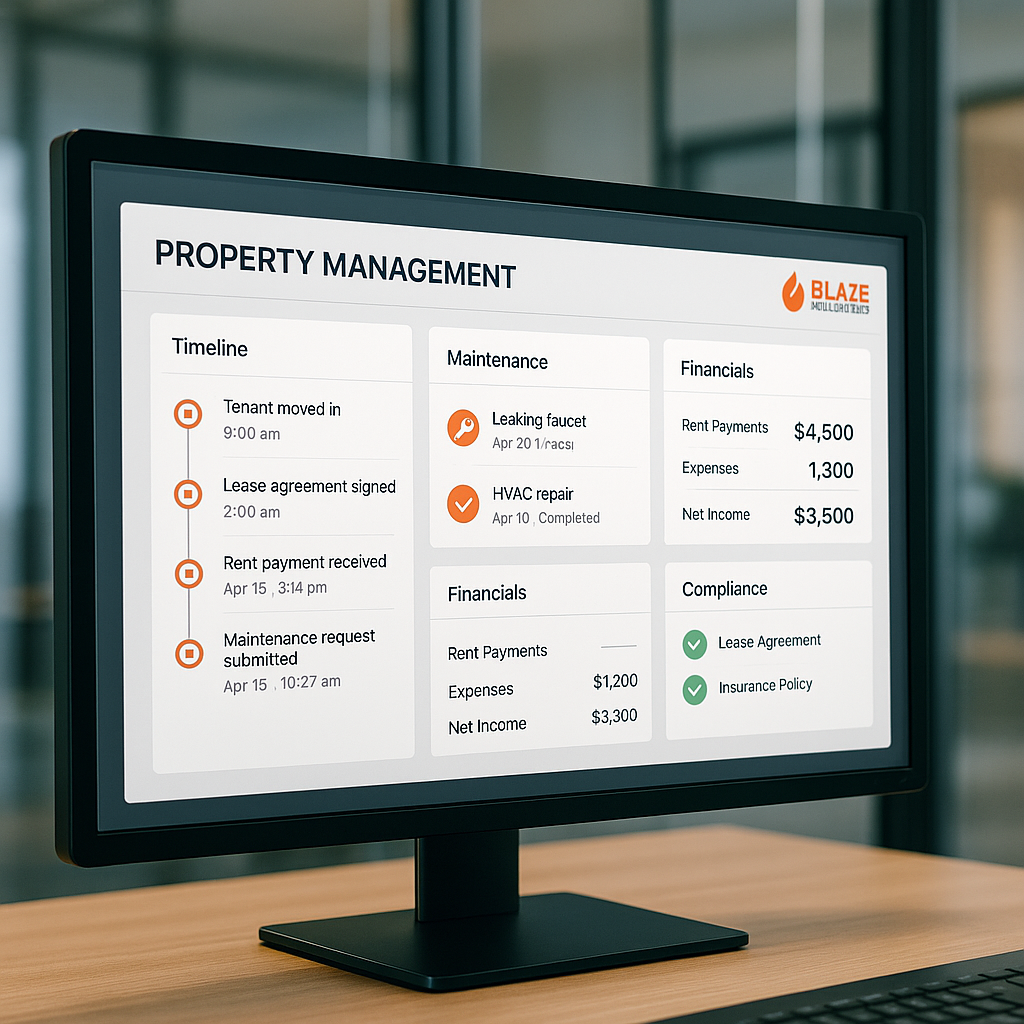
How Blaze Uses Documentation to Shield Owners
1. Legal Protection and Compliance
Every lease, maintenance request, inspection report, and tenant message is documented. As a result, we can create a clear timeline and a trail of accountability. This matters if a dispute comes up over damage claims, lease violations, or eviction steps.
We document tenant and contractor interactions from move-in to move-out. In addition, we keep notes, photos, invoices, and approvals organized in one place. This helps show that owners acted responsibly, whether the issue involves timely repairs or the return of a security deposit.
For owners who want a broader view of risk, our guide on how to reduce legal risk explains how systems and consistency can prevent small issues from becoming expensive ones.
2. Financial Transparency and Accountability
Blaze tracks financial transactions with care, including rent collection, security deposits, repair invoices, and owner statements. Therefore, owners get a clear view of income and expenses without chasing down scraps of paper. That clear recordkeeping helps owners make decisions based on real numbers, not guesswork.
Accurate records can also make tax preparation easier. However, owners should review tax questions with a qualified tax professional. The IRS also provides general information on rental income and expenses.

3. Streamlined Maintenance and Operations
A documented maintenance history helps Blaze track recurring issues and prioritize repairs. For example, if one HVAC system keeps acting up every August, the record tells a story before the next heat wave does. Each repair can include timestamps, vendor details, notes, photos, and costs.
This gives owners a better view of what their investment needs. In addition, it helps prevent surprise maintenance bills and speeds up approvals. Strong rental property documentation Texas owners can rely on is not glamorous, but it keeps operations lean and proactive.
Move-ins are another place where details matter. Our rental move-in flow article shows how a clean process can set expectations early and reduce confusion later.
4. Enhancing Property Value and Tenant Relations
Good records help protect property condition because repairs, upgrades, and inspections are tracked. As a result, tenants get a better living experience, and owners get a better handle on long-term value. That kind of consistency can also support stronger renewals and better market positioning.
When tenants see fast, professional responses backed by solid property manager recordkeeping, trust goes up. Meanwhile, turnover often goes down. That stability can help protect rental income and long-term returns.

Common Mistakes to Avoid
Some property managers treat documentation like busywork. However, that shortcut often backfires through unclear communication, missed deadlines, and poor dispute outcomes. Verbal agreements and informal notes can also create confusion when memories do not match.
Another common mistake is waiting until there is a problem to start building a file. Instead, Blaze uses professional systems designed for consistent, organized, and accessible records. For owners learning the basics, our guide to landlording explains how good systems protect rental performance from the start.
Late rent is one area where documentation matters fast. If payments slip, notices, ledgers, and communication logs all become important. Our article on how to handle late rent walks through why process matters in Texas.
Conclusion: Documentation as Your Protective Shield
For property management operations in Amarillo and the Texas Panhandle, documentation is not optional. In short, it is a core part of owner protection in property management. Blaze Real Estate’s commitment to detailed, transparent, and systematic records helps safeguard investments, simplify compliance, and support smart decisions.
If you own rental property or manage assets for others, partner with a team that treats records like protection, not clutter. After all, this is not our first move-out inspection.
For owners and property managers seeking confidence and control, Blaze combines local experience with practical systems to keep rentals protected and profitable.
FAQ: Property Management Documentation
Why does documentation matter for rental owners?
Documentation helps create a clear record of leases, payments, repairs, inspections, and tenant communication. As a result, owners are better prepared if a dispute, maintenance issue, or financial question comes up.
What records should a property manager keep?
A property manager should keep leases, rent ledgers, invoices, inspection reports, photos, notices, repair approvals, and tenant messages. In addition, records should be organized so they can be found quickly.
Does documentation help with security deposit disputes?
Yes. Move-in photos, move-out reports, repair invoices, and written communication can help support decisions about deposits. However, owners should review specific legal questions with a qualified professional.
How does Blaze share records with owners?
Blaze provides clear owner statements and keeps key property records organized through professional management systems. Therefore, owners can see income, expenses, maintenance history, and important updates without digging through email chains.
Can good documentation reduce tenant problems?
It can help. Clear records set expectations, support consistent enforcement, and reduce misunderstandings. Still, documentation works best when paired with good communication and a fair process.