
How to document move-in move-out properly for Texas rentals
As a Texas landlord, knowing how to document move-in move-out condition is essential if you want to protect your rental and avoid deposit fights. Good records show the property’s condition at the start and end of a lease. As a result, you have a clear baseline when you review repairs, cleaning, and possible security deposit deductions.
In the Texas Panhandle’s competitive rental market, organized files can save you time, money, and a few gray hairs. For a broader view of landlord systems, start with our Panhandle landlording guide.
1. Prepare Your Move-In Documentation System
Before your tenant moves in, get your paperwork and inspection tools ready. Start with a written lease that explains security deposit terms, maintenance duties, and repair responsibilities.
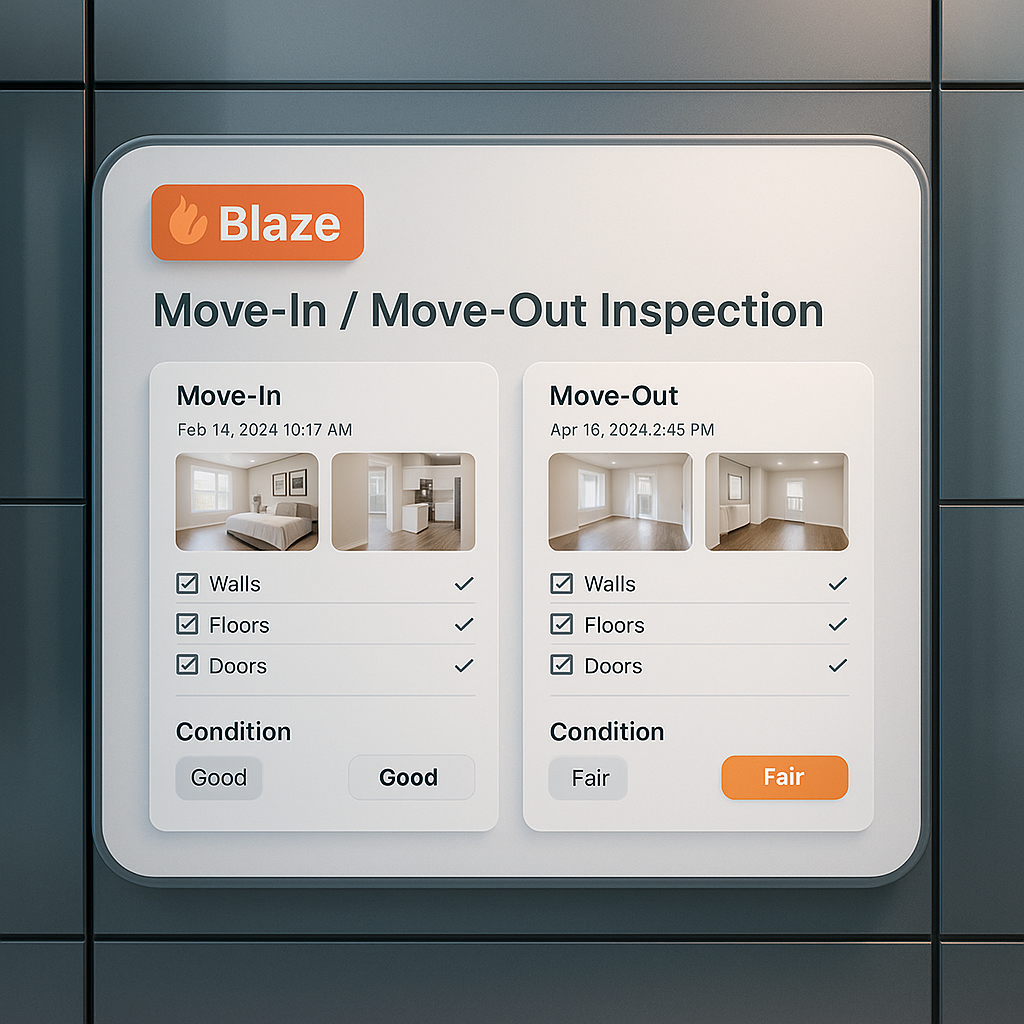
In addition, use a detailed move-in inspection form or checklist. A rental move-in checklist Texas landlords often use is the “Residential Lease Inventory and Condition Form.” This form usually assumes items are in good condition unless the tenant notes otherwise.
Prepare to take 50 to 75 time-stamped photos or videos of each room and key feature. For example, note worn carpet, nail holes, cracked tiles, stained sinks, missing blinds, or appliance dents.
Use consistent file names, such as “123MainUnitA_MoveIn_2026-02-01.” That small habit makes records easier to find when everyone is suddenly very passionate about a $38 blind.
If you want a smoother handoff, our guide to a rental move-in flow can help you build a cleaner process.
2. Conducting the Move-In Inspection
Schedule the inspection on or just before the tenant’s move-in date. Invite the tenant to attend so both sides can review the same facts.
Next, walk every room and note the condition of walls, floors, doors, windows, appliances, fixtures, locks, smoke detectors, and HVAC equipment. Test what should work. Write down what does not.
Mark damage or wear clearly on the form. Then take detailed photos from more than one angle, especially around defects.
Both you and the tenant should sign the completed move-in form. Each side should keep a copy.
In short, this baseline protects you later. It also gives the tenant a fair chance to report issues before they become their problem.
3. Mid-Tenancy Inspections: Optional but Wise
Mid-lease inspections are not always required, but they can catch damage early. However, you should give reasonable written notice before entering and follow your lease and applicable Texas rules.
During the visit, record any major concerns with photos and notes. For example, look for leaks, unauthorized pets, damaged doors, or safety issues.
Still, keep the inspection professional and focused on the property. You are there to protect the asset, not to critique someone’s laundry system.
Good inspection habits also help reduce risk across your portfolio. Our article on property management risk covers more ways to keep operations cleaner.
4. Preparing for Move-Out
Texas leases usually require the tenant to give written notice before vacating. That notice should include the lease end date, planned move-out date, property address, and a forwarding address for the deposit refund or itemized deductions.
In addition, send the tenant written move-out instructions before they leave. List expectations for keys, utilities, trash, cleaning, yard care, and appliance condition.
Offer or schedule a Texas landlord move-out inspection, even if the lease does not require one. Invite the tenant to attend so you can review the condition together.
Meanwhile, bring your move-in file, blank inspection form, camera, and any prior maintenance notes. Preparation keeps the walkthrough calm and factual.
5. The Move-Out Inspection Process
Bring your move-in records and compare conditions directly. Walk through each room again and separate normal wear from damage beyond typical use.
For example, light carpet traffic may be normal wear. Pet urine, broken doors, large wall holes, and missing fixtures usually need a closer review under the lease.
Take another 50 to 75 time-stamped photos or videos. Focus on damage, cleaning issues, missing items, and repairs that may affect the deposit.
If the tenant is present, let them add comments and sign the move-out inspection form. If they decline or do not attend, note that in writing.
As a result, your records will support clear security deposit documentation Texas tenants can understand.
6. Handling the Security Deposit Following Texas Law
Texas law generally requires landlords to return the security deposit or send an itemized list of deductions within 30 days after the tenant surrenders the property and provides a forwarding address. You can review the Texas Property Code provisions on residential security deposits through the Texas statutes website.
Only deduct for items allowed by the lease and applicable law, such as damage beyond normal wear and tear, unpaid rent, or other valid charges. If you are unsure, consult a qualified professional before withholding funds.
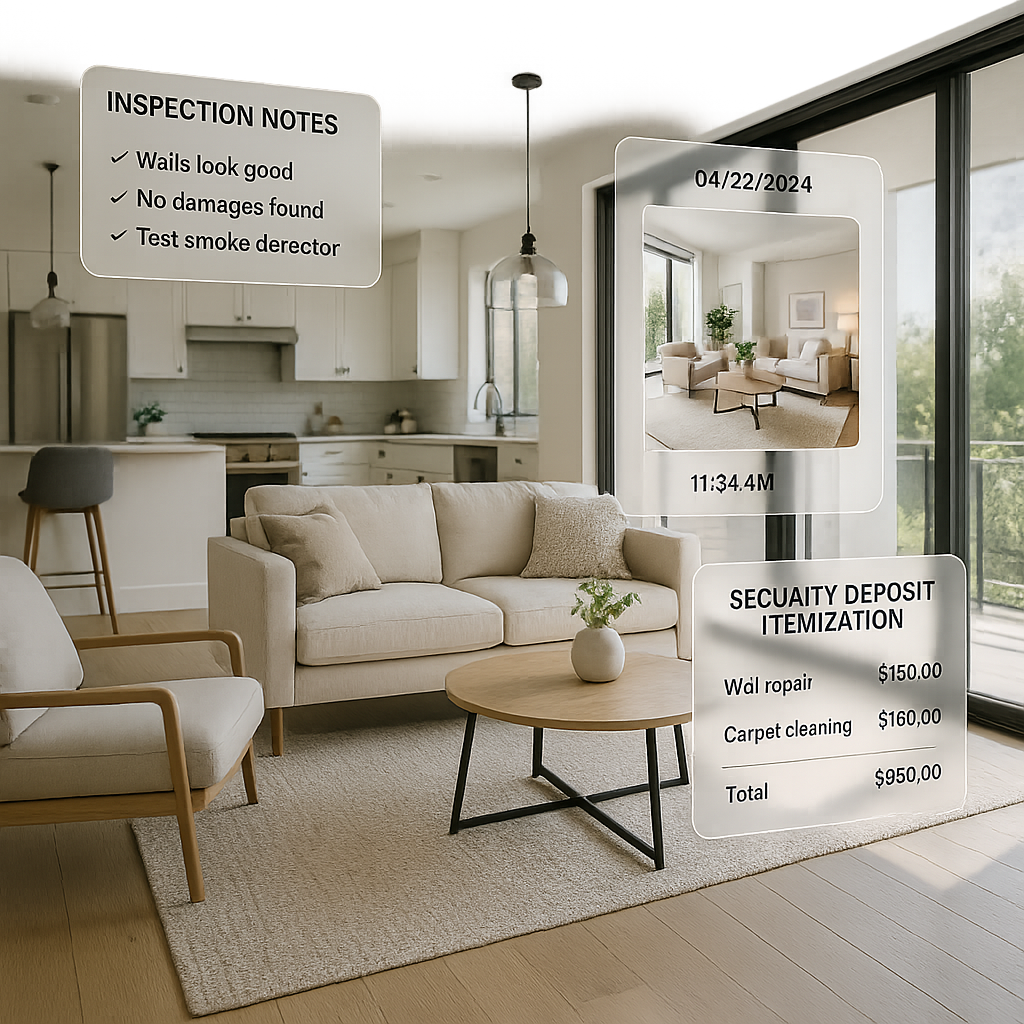
Then provide a clear, itemized statement that matches your inspection notes, photos, and repair invoices. The cleaner the paper trail, the less room there is for drama.
Send the refund and itemized deduction list to the tenant’s forwarding address. In addition, keep proof of mailing with your file.
Texas landlord tenant law move-out issues can get fact-specific. Therefore, strong records and consistent procedures matter more than guesswork.
If rent is also unpaid, review our guide on how to handle late rent before taking the next step.
7. Organize and Retain Your Records
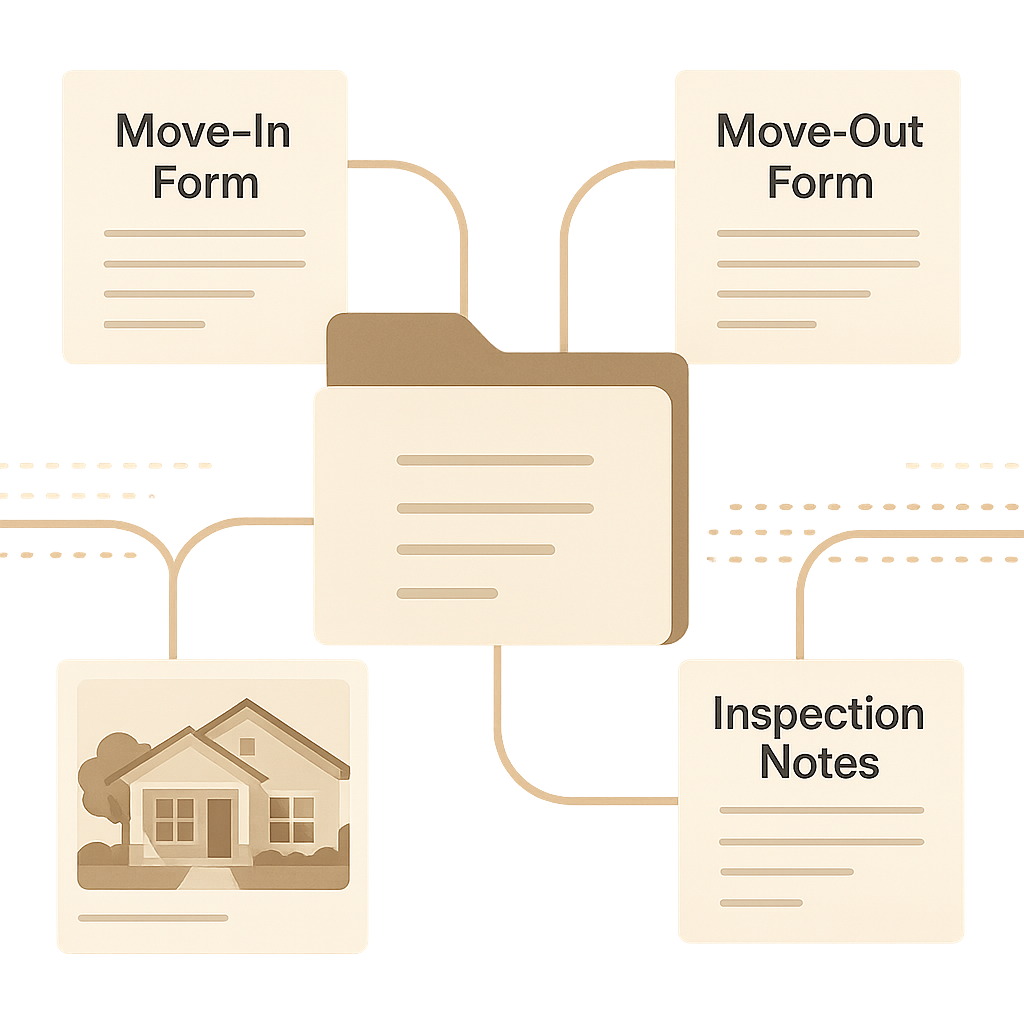
Keep one complete file for each tenancy. Include the signed lease, move-in and move-out forms, photos, inspection notices, deposit records, repair invoices, and tenant communications.
Store records digitally, in paper form, or both. Use folders that are easy to search by property address, tenant name, and date.
In short, do not rely on memory. Memory is great for birthdays and barbecue orders, not deposit disputes.
Consider keeping records for at least four years. However, ask a qualified professional if you need a longer retention plan for your situation.
Final Thoughts
In Amarillo and across the Texas Panhandle, a simple move-in and move-out documentation system is one of a landlord’s best tools. It reduces conflict, speeds up deposit decisions, and protects both your property and peace of mind.
Blaze Real Estate has seen plenty over years of managing rentals. Instead of scrambling after a tenant leaves, build the record from day one.
If you want help creating a clean inspection process for your rental portfolio, let’s talk. Professional management keeps your investment safer and your operations smoother.
Frequently Asked Questions
What should a Texas landlord include in move-in documentation?
Include a signed inspection form, time-stamped photos or videos, lease documents, notes on existing damage, and any tenant comments. This creates a clear starting point for the tenancy.
Does Texas require a move-out inspection?
Texas law does not generally require a formal move-out inspection, but it is a smart practice. It helps compare the property’s final condition against the move-in records.
How many photos should I take at move-in and move-out?
Many landlords take 50 to 75 photos or videos at each inspection. Focus on full-room views, appliances, fixtures, flooring, walls, and any visible damage.
When must a Texas landlord return the security deposit?
Texas law generally gives landlords 30 days after the tenant surrenders the property and provides a forwarding address. Deductions should be itemized and supported by records.
What is the difference between normal wear and damage?
Normal wear is expected use, such as light carpet traffic or minor scuffs. Damage is usually more serious, such as broken doors, large holes, pet damage, or missing fixtures.