
Why Your Security Deposit Matters in Amarillo
Moving out of a rental home in Amarillo or the Texas Panhandle means you’re about to get one of your biggest move-out paychecks: your security deposit return. However, common deposit deductions can chip away at what you get back if you’re not careful.
Avoiding those charges is not just about being neat. Instead, it is about knowing what counts as damage, what is normal wear and tear, and how Texas rental rules work. For a broader owner-side view, our landlording in the Panhandle guide explains why clear move-in and move-out systems matter.
What Are Common Deposit Deductions?
Landlords in Texas can deduct from your security deposit for certain lease-related costs and damages. For example, Texas Property Code Chapter 92 covers security deposits, including deadlines and itemized notices. If you have a specific legal concern, talk with a qualified professional.
Here are the charges that most often show up in Amarillo rentals:
- Damage beyond normal wear and tear. This can include large wall holes, broken fixtures, burned carpet, heavy stains, or pet damage beyond everyday use.
- Unpaid rent or utilities you owe. If rent is unpaid, or if your lease makes you responsible for certain utility bills, those amounts may be deducted. Landlords should also follow proper steps when they handle late rent.
- Cleaning costs when the unit is not reasonably clean. Basic cleaning is expected. However, heavy grime, trash, or lease-required cleaning that was skipped can create charges.
- Removal of leftover trash or belongings. Leaving behind furniture, boxes, or “I swear I was coming back for that” garage junk can cost money.
- Repairing unauthorized changes. For example, painting walls without approval or installing fixtures without permission can lead to repair costs.
Still, normal wear and tear should not be treated like damage. Faded paint, small nail holes, lightly worn carpet, and minor scuffs are usually part of living in a home.
How to Protect Your Deposit: Practical Steps
1. Document the Move-In Condition
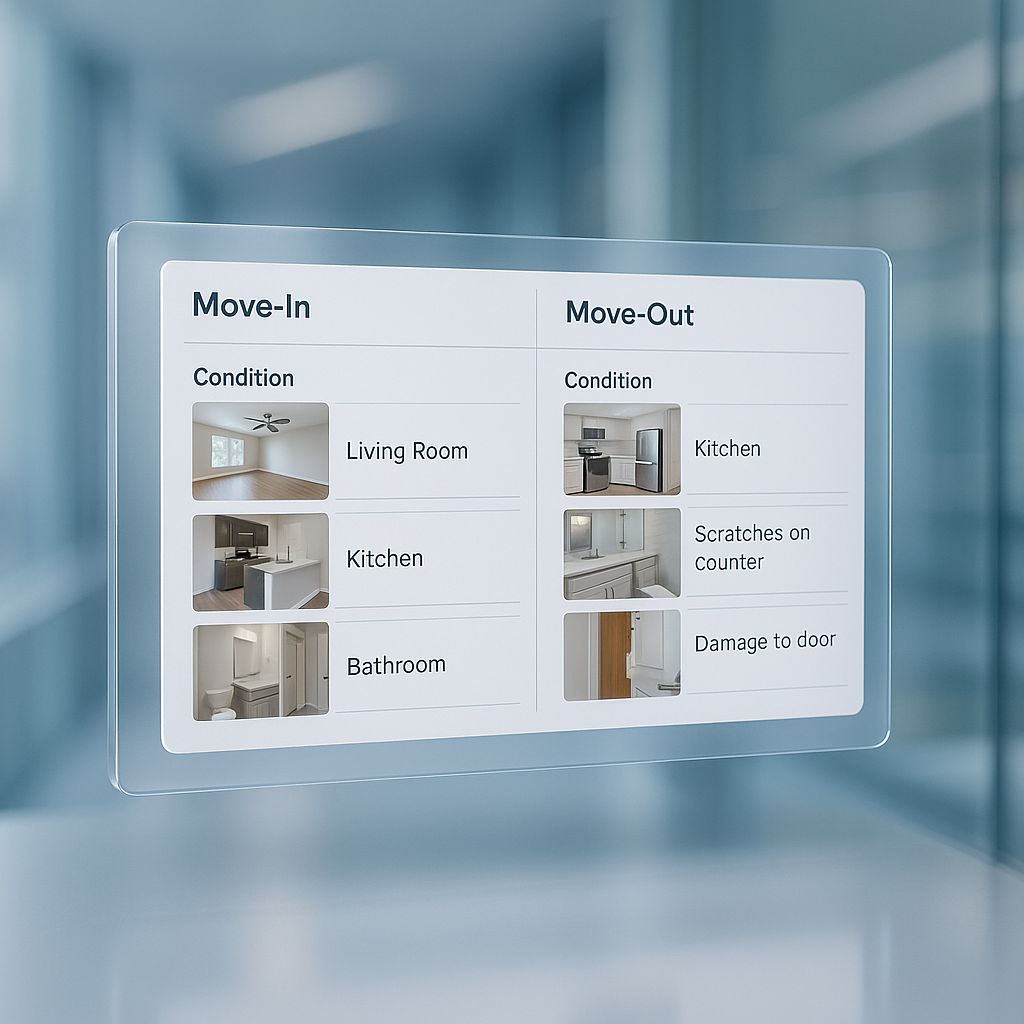
When you first move in, create a checklist and take clear photos or videos of every room. In addition, focus on existing damage, stains, broken items, and worn areas.
Then, share a copy with your landlord or property manager. As a result, everyone has a record of the starting condition. This is one of the best tenant move-out tips Texas renters can use before the move-out process even begins.

2. Follow Your Lease’s Move-Out Rules
Every lease has instructions about cleaning, repairs, keys, utilities, and your forwarding address. Therefore, read those rules before the moving truck shows up.
In Amarillo, managers use this information to plan the final inspection and send your deposit or itemized deductions. Texas generally gives landlords 30 days after surrender of the property and receipt of a forwarding address to return the deposit or provide an itemized list.
3. Clean Smart, Not Just Hard
Normal cleaning usually means sweeping, mopping, wiping counters, cleaning bathrooms, and removing trash. However, do not ignore the spots that collect dirt fast, such as under appliances, inside cabinets, and around baseboards.
Also, avoid harsh chemicals that can damage flooring, counters, or fixtures. A scorched countertop from “super cleaner” is not the fresh-start energy anyone needs.
4. Fix Minor Issues Yourself When Possible
Small nail holes, loose screws, and simple touch-ups may be easy to handle before you leave. Instead of waiting for a deduction, take care of small items early if your lease allows it.
Still, do not attempt repairs that could make the problem worse. If you are unsure, ask the property manager first.
5. Communicate Early About Repairs
If something breaks during your lease, report it quickly. For example, a slow leak can turn into cabinet damage, flooring damage, or mold concerns if ignored.
In addition, early communication helps show that you acted responsibly. Good systems also help owners reduce legal risk and keep records clean.
6. Schedule a Pre-Move-Out Walkthrough
Ask your property manager whether a pre-move-out walkthrough is available. Meanwhile, use that visit to spot cleaning issues, repairs, or lease items you can still handle before the final inspection.
For owners and managers, a strong move-in process also helps prevent confusion later. Our guide to a rental move-in flow explains how better documentation can reduce friction on both ends.

Common Mistakes Tenants Make That Cost Them
- Leaving behind trash or personal items and assuming no one will notice.
- Failing to document move-in damage, then being surprised by charges later.
- Assuming normal wear and tear includes broken keys, missing smoke detectors, damaged blinds, or appliance damage.
- Forgetting to provide a forwarding address, which can delay the deposit return process.
- Skipping communication about tenant-caused damage or lease responsibilities.
- Ignoring lease rules until the final week, when everything feels like a rodeo with boxes.
In short, avoiding deposit charges is easier when you slow down, read the lease, and document the home before and after your tenancy.
What To Do If You Disagree With Deductions
Texas landlords must generally provide an itemized list of deductions within the legal deadline. If you receive charges you believe are wrong, respond calmly and ask for clarification, photos, invoices, or receipts.
Then, compare the charges with your lease, your move-in photos, and your move-out photos. Rental deposit rules Amarillo tenants deal with can vary by lease, so the written agreement matters. If the dispute is serious, consider speaking with a qualified legal professional.
For landlords, disputes often happen when expectations were unclear from the start. Therefore, consistent documentation and professional communication are key, especially when tenants break lease rules.
Conclusion: Protect Your Deposit With Confidence
In the Texas Panhandle, conditions change fast. However, your security deposit should not disappear because of avoidable move-out issues.
Document the home, communicate early, clean well, and follow the lease. At Blaze Real Estate, we believe clear systems and transparency protect both tenants and owners.
If you are approaching move-out or just signed a lease, let us help you understand how to keep your deposit intact. It is your money. Let’s keep it that way.
FAQ: Security Deposit Charges in Texas
How long does a Texas landlord have to return a security deposit?
In most cases, a Texas landlord has 30 days after the tenant surrenders the property and provides a forwarding address to return the deposit or send an itemized list of deductions.
Can a landlord charge for normal wear and tear?
Generally, no. Normal wear and tear, such as light carpet wear or minor scuffs, is different from damage like broken fixtures, large holes, or heavy stains.
What is the best way to avoid move-out charges?
Document the home at move-in, follow the lease, clean thoroughly, report repairs early, and take move-out photos before returning keys.
Can unpaid rent be deducted from a security deposit?
Yes, unpaid rent or other amounts owed under the lease may be deducted when allowed by Texas law and the lease terms.
What should I do if I disagree with deposit deductions?
Ask for an itemized explanation, compare it with your lease and photos, and respond in writing. If needed, consult a qualified professional for guidance.