
How to prepare for court in Texas as a landlord
If you need to prepare for court in Texas, start with the basics: follow the notice rules, organize your proof, and keep your story simple. Texas eviction cases move fast, and Justice Court judges expect clear facts. However, a missed deadline or sloppy paper trail can delay the case or get it dismissed.
In short, good Texas landlord court preparation saves time, money, and stress. This guide walks through practical steps for landlords in Amarillo, the Texas Panhandle, and across the state. For a wider operating checklist, review our landlording in the Panhandle guide.
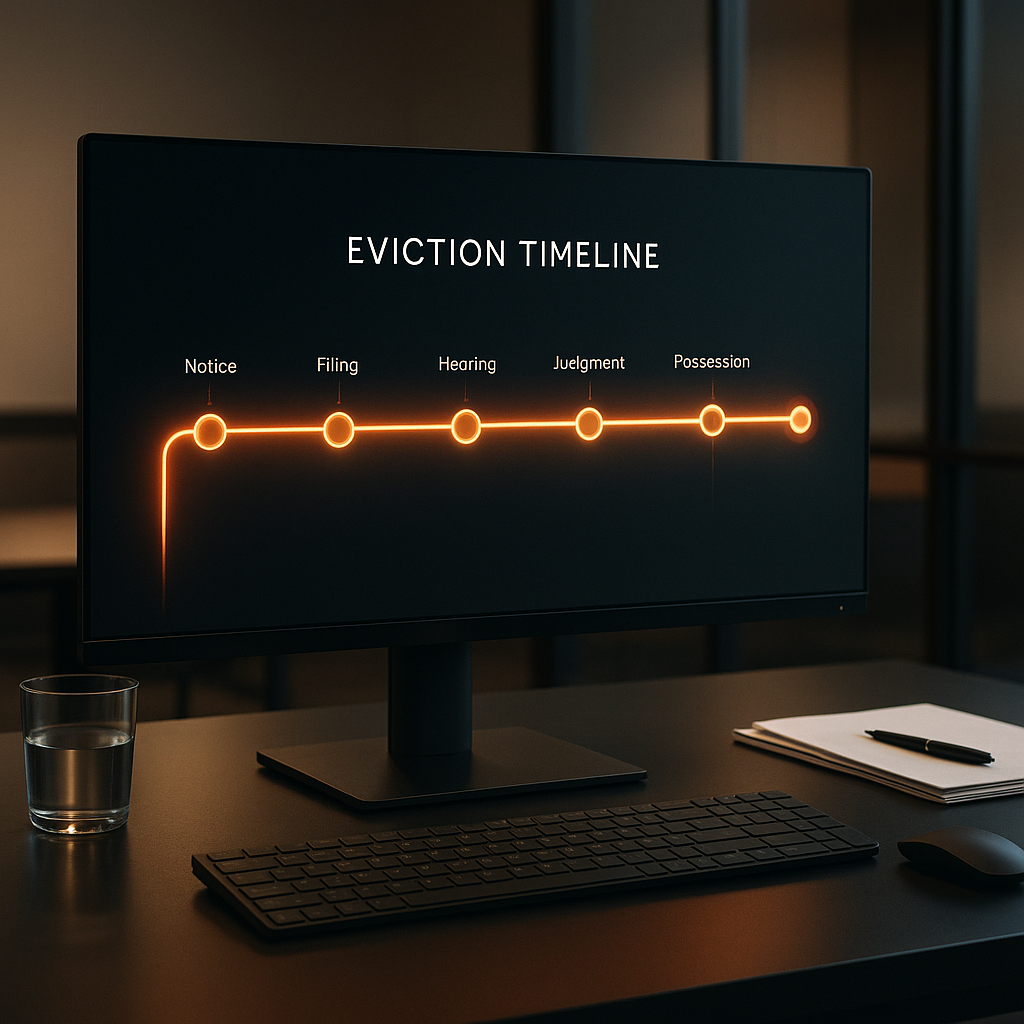
1. Confirm You Followed Texas Eviction Steps
Make sure you started your case the right way. In Texas, eviction cases are often called “forcible entry and detainer” cases. They are handled in the Justice of the Peace court for the precinct where the rental property is located.
First, you must serve a written Notice to Vacate that meets Texas Property Code requirements. You can review the basic statutory framework in Texas Property Code Chapter 24. However, local court rules and your lease may also matter, so consult a qualified professional if you are unsure.
A proper Texas eviction notice usually needs to:
- State the reason for eviction, such as nonpayment or a lease violation
- Give the tenant the required time to pay, cure, or leave, when applicable
- Be delivered correctly, with proof of service
For example, many nonpayment cases require at least three days’ notice unless the lease changes that period. Filing too early, or serving the notice the wrong way, can create a quick dismissal. If late rent is the issue, our guide on late rent legally explains why timing matters.
2. Gather and Organize Your Evidence
Bring originals plus copies of every document you plan to use. Then, organize them in the order you will tell the story. A neat packet helps the judge follow the facts without a scavenger hunt.
Common evidence includes:
- Signed lease agreement and any amendments
- Payment records showing unpaid rent, late fees, and dates
- Copy of the Notice to Vacate with proof of delivery
- Communication logs with the tenant about payments or violations
- Move-in and move-out inspections, photos, or videos
- Repair invoices, if you are claiming damages
- Proof that you own or manage the property
- A copy of the eviction petition you filed
In addition, make a one-page timeline. List the lease date, missed payment dates, notice delivery date, filing date, and hearing date. If the case involves broken lease rules, review our guide on tenants break lease rules before you organize your exhibits.

3. Know What You Want from the Court
In Justice Court, you are usually asking for possession of the property. You may also ask for unpaid rent, court costs, and other amounts allowed by law or the lease.
Therefore, be ready to clearly state:
- You want possession of the rental property
- The amount of unpaid rent owed
- Any late fees, court costs, or other amounts you are requesting
A simple written breakdown keeps the hearing focused. It also helps you avoid guessing from memory, which is never a great courtroom strategy.
4. Practice Presenting Your Case
Your hearing may be brief and less formal than other court settings. Still, you should not wing it. A Justice of the Peace eviction hearing can turn quickly if your evidence is scattered.
Outline your points in this order:
- Who you are and how you are connected to the property
- The lease terms and what the tenant violated
- The notice you gave and how you delivered it
- What happened after the notice period ended
- What you are asking the judge to award
Meanwhile, keep your tone calm and factual. Do not argue with the tenant. Instead, answer the judge’s questions and point back to your documents.
If the tenant requests a jury trial, you may need to present the same facts to jurors. In that case, the basics still matter most: lease, notice, delivery, default, and requested relief.
5. Prepare Any Witnesses
If someone else has key information, make sure that person is ready to appear. This might include a property manager, maintenance vendor, office staff member, or the person who delivered the notice.
For example, a witness may confirm notice delivery, unpaid rent records, or property condition. However, the witness should stick to facts and avoid opinions. The court needs useful testimony, not neighborhood gossip with nicer shoes.
6. Understand the Hearing Logistics
Check the date, time, location, and court procedures as soon as you receive notice. Also, confirm whether the court requires printed copies, electronic filing, or specific forms.
- Trials are often scheduled quickly after filing and service.
- Tenants may be able to request a jury within the deadline set by court rules.
- If tenants do not appear or answer, you may be able to request a default judgment.
Still, do not assume every court handles every detail the same way. Call the local Justice Court clerk if you have a scheduling question. For legal strategy, talk with a Texas landlord-tenant attorney.
7. Day of the Hearing: Best Practices
On hearing day, arrive early. Then, give yourself time to park, pass security, find the courtroom, and review your notes. Amarillo landlords know one thing for sure: rushing never improves a legal problem.
- Dress professionally and address the judge respectfully
- Bring your evidence packet, copies, and presentation outline
- Speak clearly and briefly when your case is called
- Give copies of documents to the judge and tenant when needed
- Listen patiently and do not interrupt the tenant
- Stick to dates, documents, and lease terms
As a result, you look organized and credible. That does not guarantee an outcome, but it gives the court a cleaner record to consider.
8. After the Judgment
If you win possession, the tenant usually has a short window to appeal or move. Do not change the locks, remove belongings, or shut off utilities on your own. Only the proper legal process and law enforcement can carry out a writ of possession.
If you lose, ask a qualified attorney about your options right away. Appeals and deadlines in landlord tenant court Texas matters can move fast. Waiting “just a few days” can be a costly mistake.
9. Get Local Help and Resources
Texas eviction law can be technical. In addition, local Justice Court habits can vary by county and precinct. The best plan is to build a process before there is a crisis.
- Consult a Texas landlord-tenant attorney when needed
- Use local county resources and court forms
- Keep clean records for every tenant from day one
- Review your notices, leases, and communication process often
For a broader operations check, see our guide on how to reduce legal risk in property management. Strong systems make court less likely, and they make your case clearer if court becomes necessary.

Conclusion: Preparedness Protects Your Investment
Court can feel daunting, but good records and clear procedures put you in a stronger position. Follow the Texas eviction process, serve notice correctly, file in the right court, and present a simple timeline.
However, do not treat this guide as legal advice. Eviction details can depend on the lease, facts, county, and court. When in doubt, consult a qualified Texas attorney.
Working with an experienced property management company like Blaze Real Estate helps keep notices, records, and tenant communication on track. Questions about eviction or property management in Amarillo or the Texas Panhandle? Reach out to Blaze. We help landlords protect their time, their properties, and their sanity.
FAQ: Texas Landlord Court Preparation
What should a landlord bring to a Texas eviction hearing?
Bring the signed lease, rent ledger, Notice to Vacate, proof of delivery, tenant communications, photos, invoices, and a simple timeline. Also bring copies for the court and the tenant.
Where are Texas eviction cases filed?
Most Texas eviction cases are filed in the Justice of the Peace court for the precinct where the rental property is located. Check with the local court clerk if you are unsure.
Can a landlord remove a tenant after winning in court?
No. A landlord should not remove a tenant personally. If the tenant does not leave after the judgment period, the landlord must follow the legal writ of possession process.
What happens if the Notice to Vacate was served incorrectly?
The court may dismiss or delay the case. Proper notice is a key part of the eviction process, so review the statute, lease, and local court requirements before filing.
Should a landlord hire an attorney for eviction court?
It depends on the facts, the lease, and the risk involved. If the case is contested, complex, or high value, consult a qualified Texas landlord-tenant attorney.