
Why Scalable Property Management Systems Matter
As a property management operations leader in Amarillo and the broader Texas Panhandle, you already know growth can get messy fast. To build PM systems that scale, you need workflows, tools, and communication habits that can handle more units without turning every Tuesday into a rodeo.
In short, scalable property management is not about doing more work. It is about doing the right work the same way every time, so your rental business can grow without adding chaos, missed repairs, or tenant confusion.
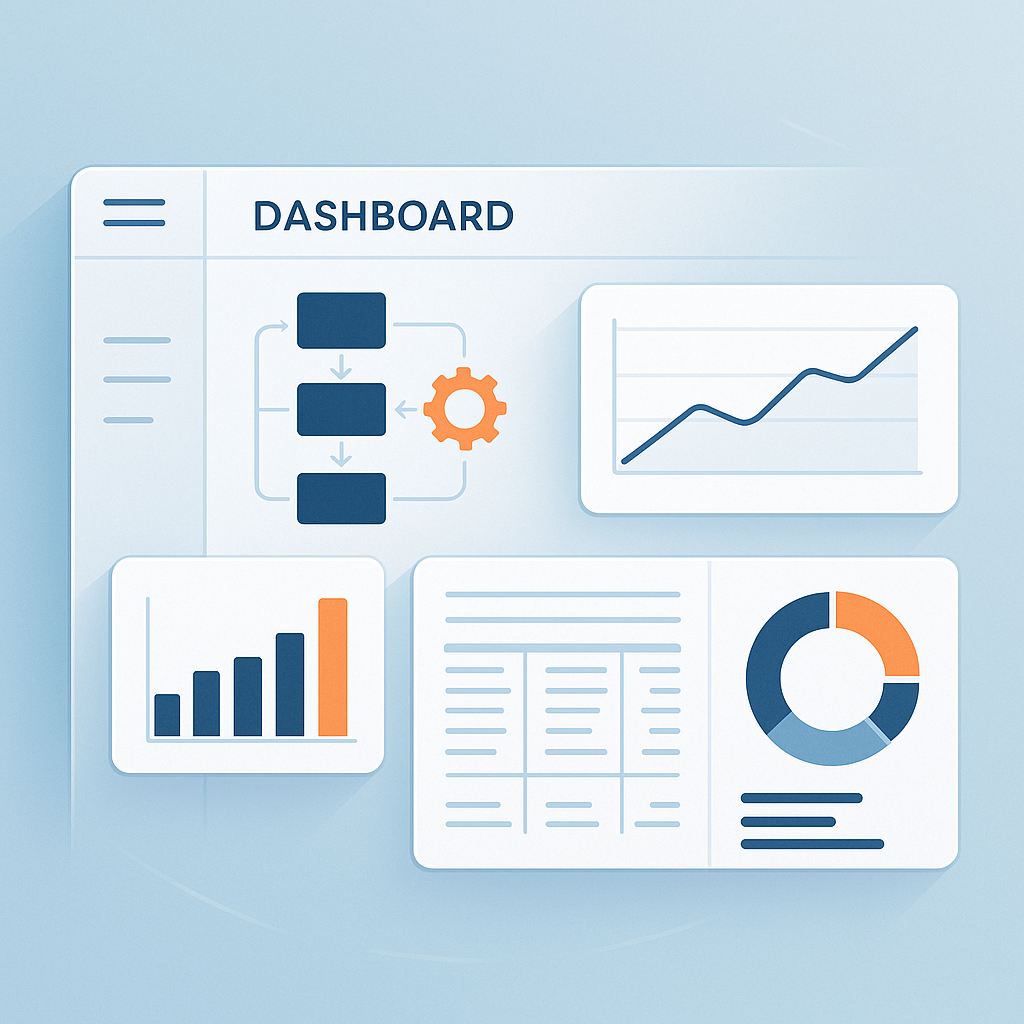
What Does “Scaling” Mean in Property Management Operations?
Scaling your PM systems means your operation can grow without every new door creating a new fire drill. For landlords who are still building the basics, our Panhandle landlording guide is a helpful place to start.
- Handling more rental units and tenants without a matching jump in workload or errors.
- Streamlining maintenance, leasing, tenant communication, and accounting through systems that automate and delegate well.
- Creating clear processes so new team members can onboard without constant hand-holding.
Without scalable systems, more properties usually mean more headaches. As a result, owners often deal with missed inspections, delayed repairs, tenant complaints, and stress that could have been prevented.
How to build PM systems that scale
1. Start with Standardized, Documented Processes
When every task follows a documented procedure, your team gets more consistent results. For example, tenant screening, move-in steps, lease renewals, maintenance requests, and move-out inspections should all have simple checklists.
In addition, written processes make training easier. They also show you where the bottlenecks are, which helps you decide what should be delegated, improved, or automated.
2. Choose the Right Technology Toolbox
Property management automation works best when the software supports the way your team actually operates. Look for platforms that:
- Integrate with accounting, maintenance, leasing, and communication tools.
- Support bulk actions, such as rent reminders or renewal notices.
- Provide reporting dashboards that show key metrics quickly.
However, software is not a magic wand. In Amarillo property systems, the tool only works if your team uses it the same way every time.
In addition, compliance needs to be part of the setup. Texas landlords should review lease, notice, repair, and deposit workflows against the Texas Property Code Chapter 92 and consult a qualified professional when needed.

3. Automate Repetitive Tasks
Automations free your team from low-value repeat work. For example, rent reminders, renewal alerts, and maintenance ticket updates can run in the background when your system is built well.
- Automated rent payment reminders can reduce late payments.
- Maintenance ticket priority rules help urgent issues get handled first.
- Lease renewal alerts help protect occupancy without chasing tenants manually.
Still, automation is not about removing the human touch. Instead, it helps your team spend more time on judgment calls, owner strategy, and tenant issues that need a real person.
4. Build a Reliable Team Infrastructure
Scaling is not just tech. It is people, too.
Therefore, your team needs clear roles, repeatable training, and simple communication rules. Project management tools can help assign work and track progress without micromanaging every step.
Meanwhile, your system should define who handles leasing, maintenance approvals, rent collection, owner updates, and inspections. If no one owns a task, it will eventually find a hiding place.
5. Plan for Seasonal and Market Fluctuations
In the Texas Panhandle, weather and seasonality matter. Wind, hail, freezes, school schedules, and local job shifts can all affect leasing and maintenance demand.
As a result, your systems should flex up or down without losing control. This includes inspection schedules, vendor capacity, renewal timing, and vacancy planning. Our guide on reducing vacancy explains how small process changes can protect income over time.
Common Mistakes That Stall Scaling Efforts
Avoid these common traps:
- Overcomplicating Early: Do not build a giant system that no one understands. Start simple, then improve it as your portfolio grows.
- Relying on Ad Hoc Communication: Email and texting are useful, but they are not enough. Centralize maintenance requests and tenant messages inside your PM system.
- Ignoring Compliance Risks: Texas landlord-tenant rules affect notices, repairs, security deposits, and access. Review your workflows and get qualified guidance when needed.
- Underestimating Training Needs: New systems only work when people know how to use them. Schedule regular refreshers and keep your process docs current.
For example, late rent should not be handled differently each month based on mood, inbox clutter, or whether the coffee machine is behaving. Use a consistent process, and review our guide on late rent in Texas before setting your internal policy.
In addition, fair housing must stay front and center in leasing and tenant communication. The HUD Fair Housing Act overview is a useful reference, but you should talk with a qualified professional about your specific procedures.
How Blaze Real Estate Supports Scalable PM Systems in Amarillo
At Blaze, we bring boots-on-the-ground experience managing Texas Panhandle properties at scale. Our approach combines local market knowledge, practical operating protocols, and proven tech tools to help owners reduce risk and improve efficiency.
Whether you manage a few units or a larger portfolio, the right management partner can help you stop reacting to every issue from scratch. In short, better systems give you more control and fewer “why is this happening again?” moments.
We also help owners tighten key handoffs, including leasing, renewals, maintenance, inspections, and tenant onboarding. If that handoff is where your process breaks down, this guide to a better rental move-in flow is worth a look.

In Summary
Building scalable property management systems is essential if you want to grow your Amarillo rental business without burnout or chaos. Focus on standard processes, useful technology, targeted automation, clear team roles, and realistic planning for the Panhandle market.
However, do not wait until the wheels are wobbling to fix the system. A strong process is easier to build before your portfolio doubles.
Ready to explore scalable property management solutions tailored for Amarillo landlords? Blaze can help you streamline operations, protect your investment, and grow with more confidence.
Frequently Asked Questions
What is a scalable property management system?
A scalable property management system is a set of repeatable processes, tools, and team roles that can handle more rental units without creating more confusion or errors.
When should an Amarillo landlord add property management automation?
An Amarillo landlord should add automation when repeat tasks, such as rent reminders, maintenance updates, and renewal tracking, start taking too much time or causing missed steps.
Can better PM systems reduce vacancy?
Yes. Better systems can improve renewal timing, speed up turns, track leads, and keep tenants informed. As a result, they can help reduce avoidable vacancy.
Do I still need people if my property management software automates tasks?
Yes. Software handles repeat work, but people still make judgment calls, manage vendors, solve tenant issues, and protect the owner relationship.
How can Blaze help with Amarillo property systems?
Blaze helps owners build practical workflows for leasing, maintenance, rent collection, inspections, and communication, with systems designed for Texas Panhandle rentals.