
Why Building a high-retention tenant base Matters
If you’re managing rental properties in Amarillo or throughout the Texas Panhandle, you know turnover isn’t just a headache. It is expensive. Vacancy, marketing, cleaning, repairs, and lost time add up fast. A high-retention tenant base means steadier cash flow, fewer surprises, and often residents who treat the home with more care.
So how do you turn one-time renters into long-term residents? In short, you run the property like a business and treat residents like people. Strong tenant retention strategies combine prompt maintenance, clear tenant communication, fair pricing, and simple renewal systems.
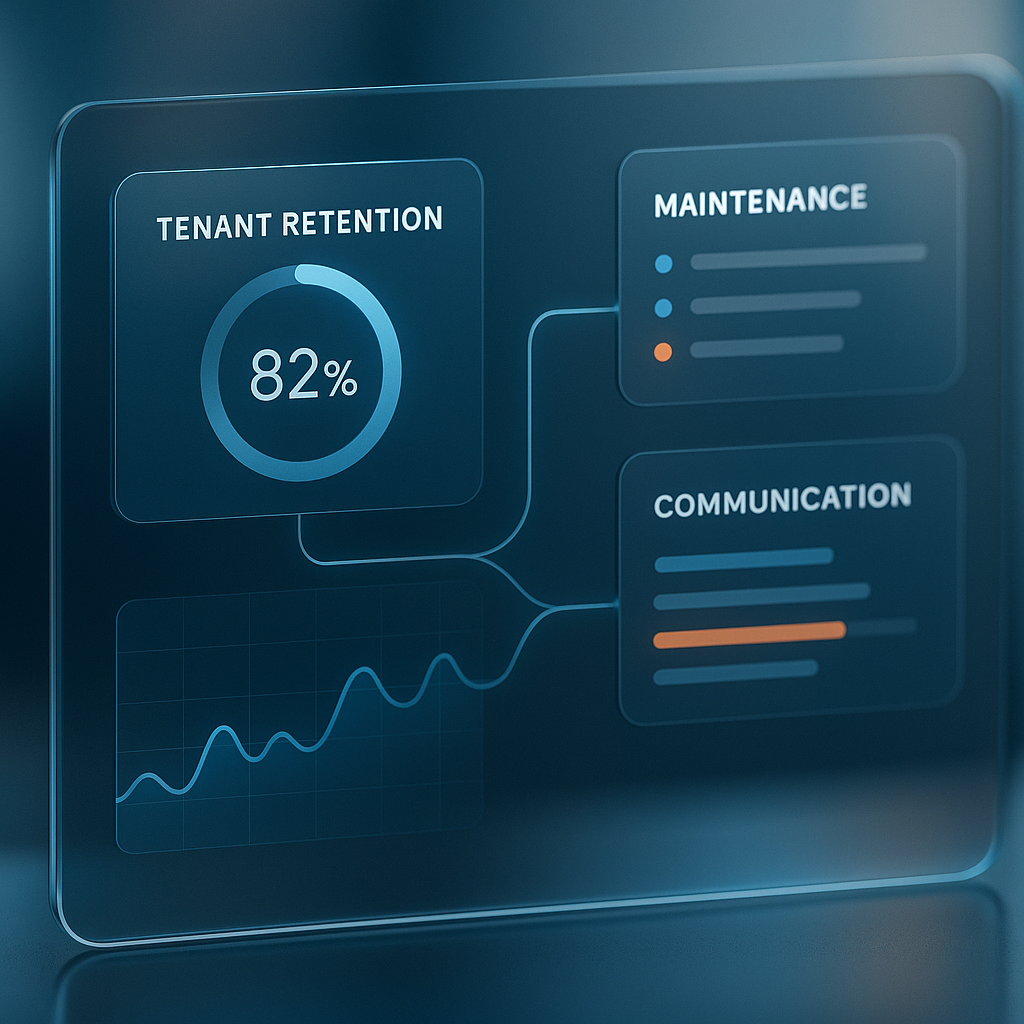
1. Nail the Basics: Maintenance & Property Condition
Tenants are not likely to renew if the property feels ignored. However, small problems handled early can prevent big move-out decisions later.
- Develop a proactive maintenance schedule for core systems, including HVAC, plumbing, electrical, roof, and exterior drainage.
- Set clear maintenance response targets. For emergencies, aim for under 4 hours. For routine issues, try to resolve them within 72 hours when parts and vendors allow.
- Perform move-in and periodic inspections to catch issues early. Also, budget for small upgrades that improve comfort, such as better lighting, fresh caulk, or smart thermostats.
In addition, keep records of every request and response. The Texas Property Code includes repair-related landlord duties, so review your process with a qualified professional if you are unsure.
Clean, working homes with few surprises lay the groundwork for happier residents. As a result, you can reduce tenant turnover before it starts.
2. Set Clear, Consistent Communication Standards
Tenants want to feel heard and respected. Therefore, good communication can make or break retention.
Offer several ways to reach your team. For example, use an online portal, phone, email, and an emergency contact line. Then confirm receipt of requests, share updates during service, and verify when work is complete.
Make onboarding smooth with a clear welcome packet. Include rules, maintenance steps, utility notes, parking details, and local tips. For a deeper look at setup, see our guide to the perfect rental move-in flow.
In addition, add a few personal touches. Track tenant preferences when appropriate, greet residents by name, and respond promptly. It is not fancy. It just works.
Meanwhile, gather feedback through short surveys after maintenance visits and once a year. This helps you catch frustration before it becomes a non-renewal notice.
3. Create Flexible, Transparent Leasing & Pricing
Retention improves when tenants feel lease terms are fair. Still, fair does not mean casual or inconsistent.
Price rent competitively and avoid sudden large increases when possible. Instead, review market conditions, property costs, and tenant history before setting renewal terms.
Provide lease terms of different lengths, such as 6, 12, or 18 months. Then explain pricing tiers in plain language.
Start renewal talks early, often 60 to 90 days before expiration. In addition, consider lease renewal incentives such as a small upgrade, carpet cleaning, or a fee waiver when the numbers make sense.
Being proactive and transparent prevents last-minute surprises. As a result, tenants feel more in control and more likely to stay.

4. Foster Community & Belonging
For multifamily properties, social connection can create a strong reason to renew. However, community does not need to be complicated or expensive.
Arrange common areas to encourage neighborly interaction. Also, keep them clean, safe, and well-lit.
Host simple events like coffee mornings, movie nights, or seasonal gatherings. For example, a fall cookout can do more for resident goodwill than another glossy flyer.
Use private online groups or apps for updates, event notices, and local service sharing. Meanwhile, keep moderation clear so the group stays useful.
Partnering with local businesses for resident perks can also help. In short, people stay where life feels easier.
5. Leverage Technology and Professional Operations
Operational consistency is key to strong property management Amarillo owners can rely on. Therefore, your systems matter as much as your intentions.
Use property management software to centralize maintenance, tenant communication, inspections, and lease management. This helps prevent dropped balls, which tenants notice immediately.
Make online rent payment and maintenance requests standard. In addition, send automatic reminders before due dates and renewal windows.
Where appropriate, consider smart home features like keyless entry or package lockers. Still, do not add technology just to look modern. Add it when it solves a real resident problem.
Train staff and vendors on customer service. It is not just about fixing things. It is also about how people feel during the fix.
6. Measure Retention Performance and Adjust
Treat retention as a core performance metric. Otherwise, you are guessing.
Track renewal rates, move-out reasons, vacancy days, and turnover costs. For more detail on vacancy math, read our breakdown on reducing vacancy.
Use feedback and data to spot repeat issues. Then adjust pricing, maintenance standards, or communication steps.
In addition, review late rent patterns and rule violations before they become larger problems. Our article on how to handle late rent explains why a clear process matters.
Consistent tracking helps you invest where it counts. As a result, your retention plan improves instead of collecting dust in a spreadsheet.

Conclusion: Build Retention Like You Manage Investments
High tenant retention is not an accident. It takes a practical system built around property quality, honest communication, flexibility, and follow-through.
For property managers operating in Amarillo and the Texas Panhandle, these habits can turn rental portfolios into steadier, more profitable assets. In addition, they can help owners avoid the churn that quietly eats returns.
If you want a broader framework, start with our landlording in the Panhandle guide. Then tighten your day-to-day operations with better maintenance, renewals, and documentation. You can also reduce risk by reviewing our guide to property management operations.
At Blaze Real Estate, we bring local insight and hands-on systems to help owners improve retention and protect asset health. Retaining tenants pays off with fewer vacancies, happier residents, and stronger revenue. In short, your bottom line will thank you.
FAQ: Tenant Retention for Amarillo Rental Properties
What is the best way to reduce tenant turnover?
The best way to reduce tenant turnover is to fix maintenance issues quickly, communicate clearly, price renewals fairly, and start renewal talks early.
When should I start lease renewal conversations?
Start lease renewal conversations 60 to 90 days before the lease ends. This gives tenants time to decide and gives you time to adjust if they plan to move.
Do lease renewal incentives really work?
Yes, lease renewal incentives can work when they solve a real tenant concern. Small upgrades, cleaning credits, or fee waivers may cost less than a full turnover.
How does tenant communication affect retention?
Good tenant communication builds trust. Tenants are more likely to renew when they know how to reach you and when they receive timely updates.
Should I hire a property manager to improve retention?
A property manager can help if you lack time, systems, or vendor support. The right team can improve response times, renewal planning, and day-to-day consistency.