
Why owner expectations matter in Texas Panhandle property management
If you run a rental in Amarillo or the greater Texas Panhandle, clear owner expectations are not “nice to have.” They are the operating manual. Owners bring investment goals, timelines, and risk tolerance, so the management plan needs to match the asset, the lease, and the local market.
This guide keeps it practical. We’ll cover what owners usually want, how good managers deliver it, and where Texas law and Panhandle realities can create bumps in the road.
Defining owner expectations: What do owners typically want?
Property owners usually want their management company to handle the daily grind so they do not have to chase rent, coordinate repairs, or decode a maintenance invoice at 9 p.m. In short, they want calm, competent execution.
Typical goals include the following.
Clear communication and transparent reporting
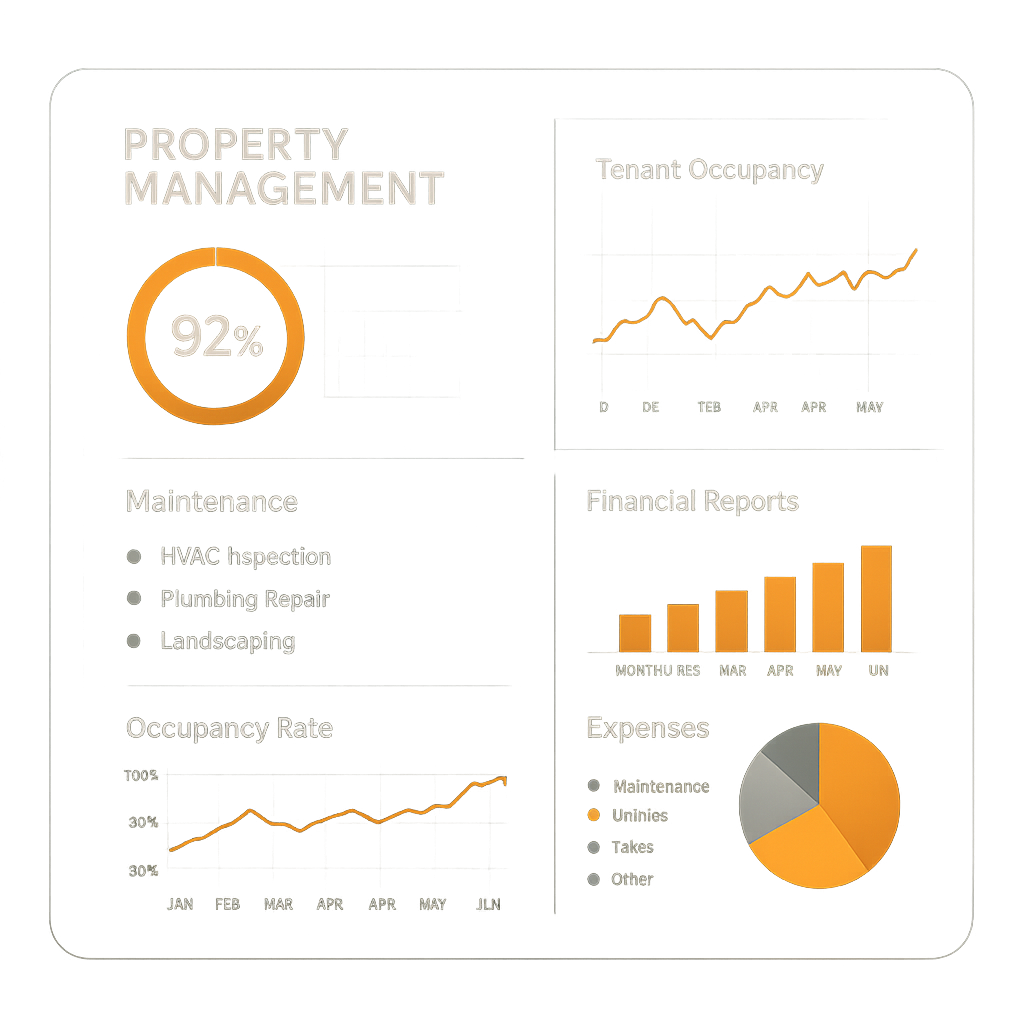
Owners want timely updates on occupancy, maintenance issues, rent collection, and expenses. They also want reports that are easy to read. However, good owner communication is not just sending statements. It is explaining what changed, why it matters, and what happens next.
Tenant quality and retention
Strong screening helps reduce late payments, lease violations, and avoidable turnover. In addition, a consistent process for tenant screening Texas landlords can rely on should follow fair housing rules and use the same standards for every applicant. For background, HUD provides helpful information on Fair Housing Act requirements.
Owners want stable tenants who pay on time, take care of the home, and communicate before small issues become expensive ones.
Efficient maintenance and repairs
Property upkeep protects the investment. Owners expect prompt repair responses, preventive maintenance, clear estimates, and responsible contractor coordination. For property maintenance Amarillo rentals, this often means planning around wind, hail, hard water, HVAC strain, and sudden weather swings.
Legal compliance and risk mitigation
Owners expect management to follow Texas rules on notices, deposits, access, and lease enforcement. For example, the Texas Property Code includes timelines for security deposit refunds, which landlords should review carefully in Chapter 92. Still, every situation is different, so owners should consult a qualified professional when legal questions come up.
Maximizing income and minimizing vacancy
Owners want steady rent and low vacancy. However, pushing rent too high can backfire if the home sits empty. A strong manager balances rent growth, tenant quality, and days on market. For a deeper look at this tradeoff, review our guide on how to reduce vacancy.

How real-world property management meets these expectations
Setting owner goals from onboarding
Start with a real conversation about the owner’s goals. Are they focused on long-term stability, short-term cash flow, or preparing to sell later? In addition, ask about the property’s condition, debt service, repair budget, and tolerance for vacancy.
That first conversation should set the tone. Instead of guessing, a manager can build a plan around the owner’s goals and the property’s actual condition. If you are still learning the basics, our landlording in the Panhandle guide is a helpful starting point.
Screening tenants in the Panhandle context
Good screening includes income review, rental history, credit history, background checks where allowed, and landlord references. However, the process must be consistent. The same written standards should apply to every applicant.
In the Texas Panhandle, tenant demand can shift by job market, school calendar, and rental price point. Therefore, managers should screen carefully without creating unnecessary delays. Slow approvals can lose good applicants. Loose approvals can create bigger problems later. Neither option is fun, and both can get expensive.
Handling maintenance proactively
Set schedules for inspections, filter changes, seasonal HVAC checks, and exterior reviews. As a result, small repairs are more likely to stay small. That matters in Amarillo, where a minor roof, fence, plumbing, or HVAC issue can grow fast.
Use trusted local contractors, document repairs, and communicate costs before surprises hit the owner statement. In addition, a strong rental move-in flow helps set tenant expectations from day one. When tenants know how to report issues, repairs move faster and blame games shrink.
Transparent financial management
Owners need accurate accounting for rent, fees, repairs, reserves, and owner distributions. Monthly statements should show what happened in plain language. For tax questions, owners should talk with a qualified tax professional.
Meanwhile, managers should avoid vague expense categories. “Maintenance” is not enough when the owner wants to know whether the charge was for a disposal, a toilet, a lock, or a mystery gremlin in the attic.
Navigating Texas legal requirements
Texas rental management involves notices, security deposits, habitability duties, lease enforcement, and fair housing compliance. Therefore, processes should be written, repeatable, and documented. If rent is late, follow the lease and the law rather than reacting emotionally.
For example, our guide on late rent in Texas explains why consistency matters. In addition, owners who want fewer surprises should review how to reduce legal risk in day-to-day management.
Common missteps and how to avoid them
Some managers overpromise rent, understate repair costs, or wait too long to share bad news. As a result, owners feel blindsided even when the issue could have been managed with a quick update.
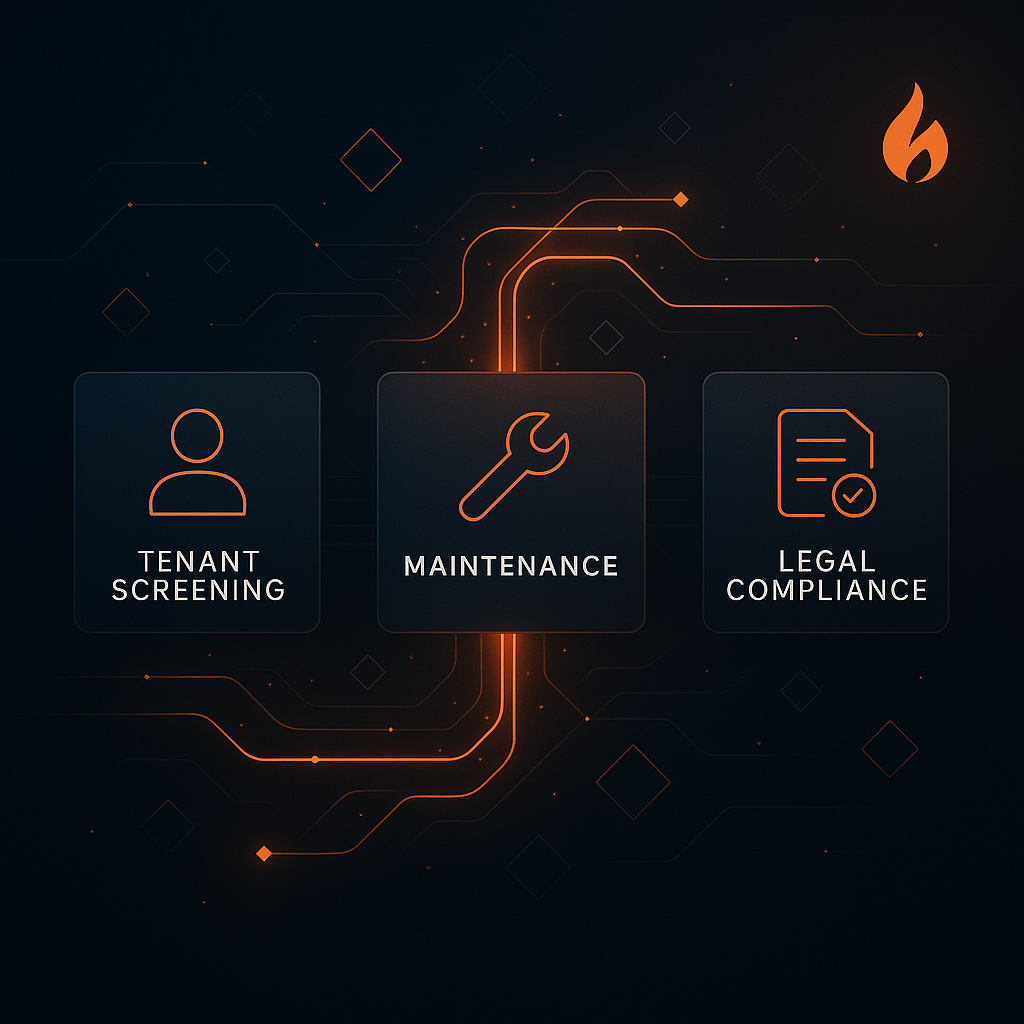
Other managers treat compliance as a side task. That is risky. Instead, notices, deposits, screening, maintenance records, and lease enforcement should all follow a clear process.
Never skip written expectations at contract signing. The management agreement should explain services, fees, communication standards, repair approval limits, reserves, and reporting timelines. In short, clarity beats charm every time.
Final thoughts: Aligning expectations for long-term success
Managing owner expectations with honesty, transparency, and local expertise protects the property and the relationship. It also builds trust. When owners know what to expect, they are less likely to panic when a repair, vacancy, or tenant issue appears.
If you manage rentals in Amarillo or the Panhandle, invest time in onboarding and communication. In addition, use written systems for screening, maintenance, accounting, and legal steps.
For serious property management Texas Panhandle operations, a documented process is not optional. It is how you protect owner assets, serve tenants well, and keep the wheels from wobbling off the wagon.
FAQ
What should rental owners expect from a property manager?
Owners should expect clear communication, consistent tenant screening, timely maintenance coordination, accurate accounting, and documented lease enforcement.
How often should a property manager communicate with an owner?
Most owners should receive monthly statements and prompt updates for major repairs, vacancies, late rent, lease violations, or legal notices.
Why is tenant screening important in Texas rentals?
Tenant screening helps reduce late payments, property damage, and turnover. However, the process should follow fair housing rules and use consistent written standards.
What maintenance should owners plan for in Amarillo rentals?
Owners should plan for HVAC service, roof and fence checks, plumbing repairs, seasonal inspections, and weather-related maintenance common in the Texas Panhandle.
Can a property manager guarantee no vacancy or no bad tenants?
No. A good manager can reduce risk with pricing, marketing, screening, and systems, but no one can guarantee perfect tenants or zero vacancy.