
Why Security Deposit Disputes Matter for Property Managers
Security deposit disputes are one of the most common and costly headaches in Texas property management. A smooth move-out keeps your rental property operations moving, but unclear steps can turn a simple deposit refund into a drawn-out fight over money, photos, and who broke what.
For property managers in Amarillo and the Texas Panhandle, prevention matters. In addition, clear deposit practices help protect landlord-tenant trust, reduce stress, and keep rental income steady. If you are building your systems from the ground up, our landlording in the Panhandle guide is a good place to start.
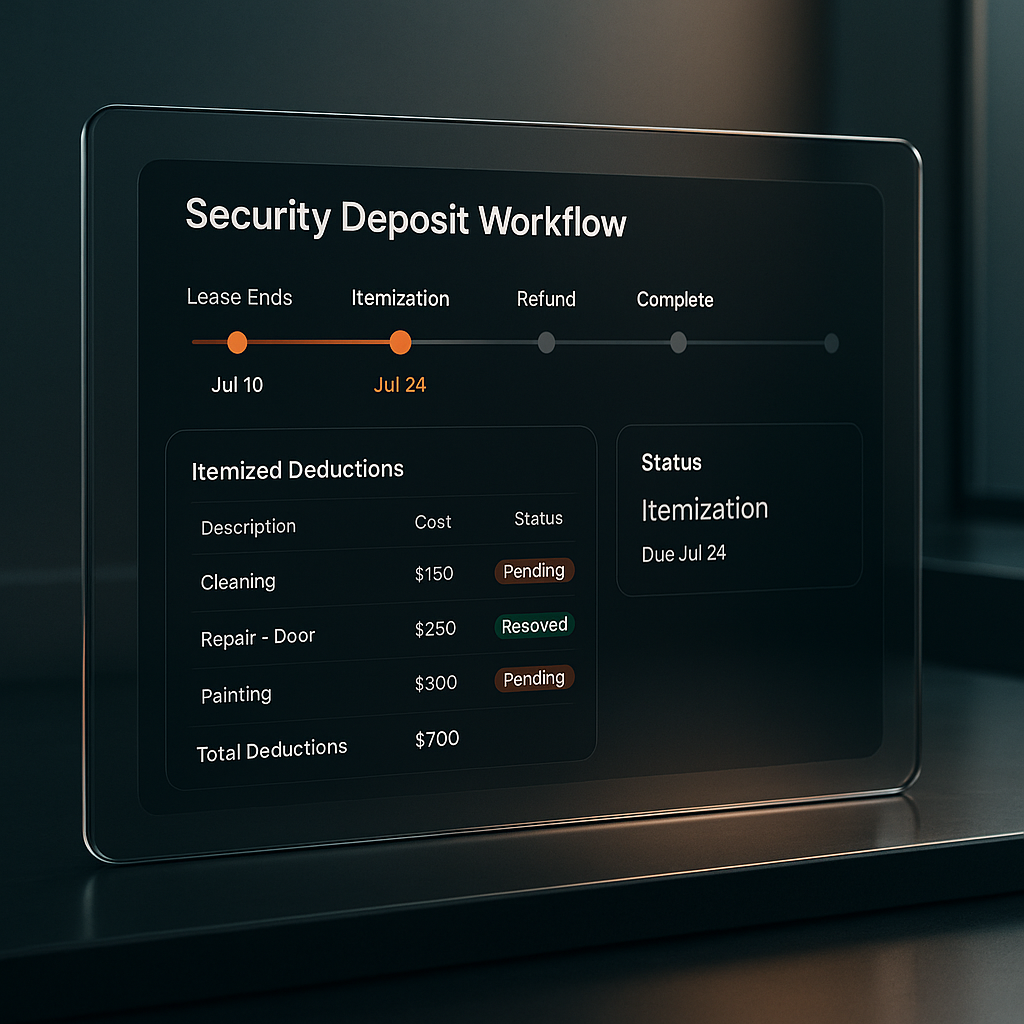
What Texas Law Says About Security Deposits
Texas Property Code Chapter 92 sets the basic rules for deposits. In general, landlords must return the deposit or provide an itemized list of deposit deductions within 30 days after the tenant moves out and gives a forwarding address.
However, this timeline is strict. Missing it can create legal risk, including possible damages and attorney fees, so review your process with a qualified attorney if you are unsure.
Importantly, landlords may deduct for damage beyond normal wear and tear, unpaid rent, and certain lease-based charges. For example, minor wall scuffs or carpet wear from ordinary use should not be treated the same as a broken door, pet damage, or missing appliances.
Real-World Prevention: Best Practices for PM Operations
- Document Thoroughly At Move-In and Move-Out
Conduct a detailed move-in inspection with photos or videos. Then repeat the process at move-out so you can compare the condition side by side. This is also why a strong rental move-in flow matters before the tenant ever gets the keys. - Keep Accurate Records
Track all deposit transactions carefully. Record the amount collected, dates, storage details, repair receipts, cleaning invoices, tenant messages, and refund dates. In addition, good software can help prevent missed deadlines and missing paperwork. - Communicate Lease Terms Clearly
Make sure your lease explains how the deposit will be handled. Include allowable deductions, pet-related charges, cleaning standards, and any deposit alternatives. As a result, tenants know the rules before move-out day turns into a group project nobody wanted. - Require and Confirm Forwarding Addresses
Tenants must provide a forwarding address so you can send the refund or deduction statement. Therefore, confirm that address during the move-out process and keep proof of the request and response. - Itemize Deductions With Evidence
If you deduct from the deposit, provide a written list for each charge. Include photos, invoices, and a short explanation. Meanwhile, if unpaid rent is part of the issue, follow a consistent process like the one outlined in our guide to handle late rent.

Common Mistakes Leading to Disputes
- Withholding for normal wear and tear: This is a no-go and can trigger tenant claims.
- Missing the 30-day return deadline: Without a valid reason, this can increase your financial exposure.
- Poor documentation or inconsistent policies: Lack of clear evidence or lease language invites challenges.
- Commingling deposits without records: Even if Texas security deposit law does not require interest or separate accounts in every case, you still need clean records.
- Letting rule violations pile up: Small problems can become deposit fights later. Instead, address lease issues early and document them consistently, especially when tenants break lease rules.

Conclusion: Prevention is Your Best Investment
Deposit fights drain time, money, and patience. However, careful inspections, clear records, and timely communication prevent tenant disputes before they grow teeth.
At Blaze Real Estate, we build these steps into practical property management Texas landlords can rely on. In short, strong systems protect your rental assets, your time, and your sanity.
If you want cleaner move-outs and fewer deposit headaches, partner with a team that knows Texas law and local Panhandle realities. For a deeper look at day-to-day risk control, read our guide on how to reduce legal risk in management operations.
Disclaimer: This article is for informational purposes only and does not constitute legal advice. Please consult a qualified attorney for legal guidance.
FAQ
How long does a Texas landlord have to return a security deposit?
In most cases, a Texas landlord has 30 days after the tenant moves out and provides a forwarding address to return the deposit or send an itemized deduction statement.
What can a landlord deduct from a deposit in Texas?
A landlord may generally deduct for unpaid rent, damage beyond normal wear and tear, and valid lease-based charges. Keep photos, invoices, and clear notes for each deduction.
Can a landlord charge for normal wear and tear?
Generally, no. Normal wear and tear includes ordinary use, such as minor scuffs or light carpet wear. Damage is different and should be supported with evidence.
What is the best way to prevent tenant deposit disputes?
Use a clear lease, detailed move-in and move-out inspections, strong photo records, written communication, and timely itemized statements.
Should I talk to an attorney about deposit rules?
Yes, if you are unsure. Texas deposit rules can carry penalties, so review your lease and process with a qualified professional.