
The first 90 days with a property manager in Amarillo (and the rest of the Texas Panhandle) should feel a little like onboarding a new operations team—because that’s exactly what it is. You’re not hiring “a person who answers maintenance calls.” You’re installing a system: leasing, inspections, vendors, accounting, and compliance.
And in our market, that system has to handle Panhandle realities—wind, hail, dusty HVAC coils, and the fact that leasing demand often stacks up in the summer.
This post is the straight talk version of what owners should expect in the first 90 days of professional property management—what happens, what takes time, and what “good” looks like.

The first 90 days: the real goal
The goal isn’t perfection. The goal is control.
By day 90, you want:
- clean documentation (condition, photos, leases, ledgers)
- clear communication lanes (who calls who, when, and about what)
- a maintenance workflow that actually closes the loop
- a leasing plan that fits Panhandle seasonality
- fewer surprises (or at least surprises that come with options)
If you’re new to using management, it helps to level-set what the job includes. Here’s a good baseline: What a Property Manager Actually Does.
Days 1–15: takeover, data cleanup, and “what did we inherit?”
Owner intake and property file buildout
Expect your PM team to collect and organize:
- current leases, addenda, and tenant contact info
- rent ledger/history (what was paid and when)
- vendor history and warranties (roof, HVAC, appliances)
- keys, codes, lockbox access, garage remotes
- HOA rules (if applicable in parts of Amarillo and Canyon)
If any of that is missing, your first 90 days may include some detective work. That’s normal—especially on self-managed properties or rentals that have changed hands.
Baseline inspection (and why Panhandle weather makes this non-negotiable)
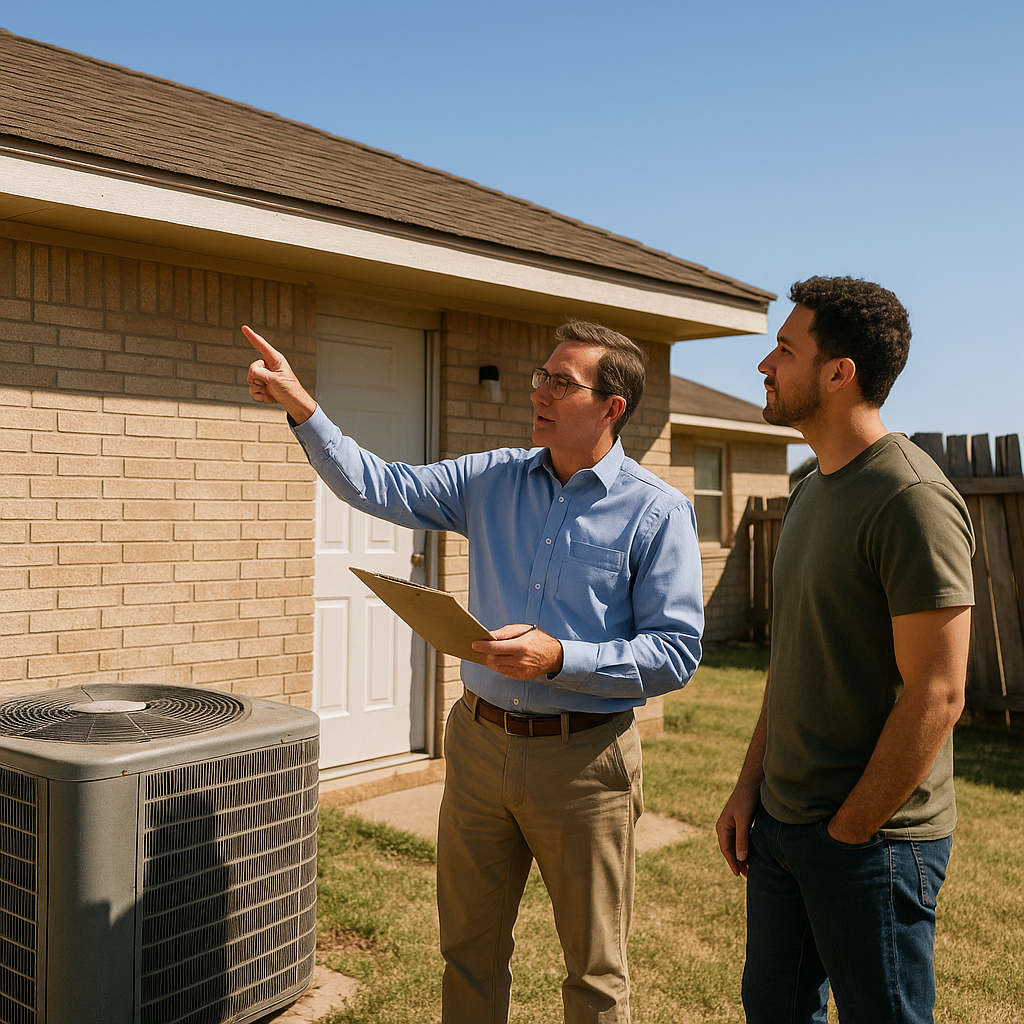
In the Texas Panhandle, a “pretty good” exterior can hide expensive issues. High winds and hail do what they do.
A solid onboarding includes photo-heavy documentation of:
- roof lines, shingles/flashing, gutters, downspouts
- fences (wind loves fences)
- windows/doors and weatherstripping
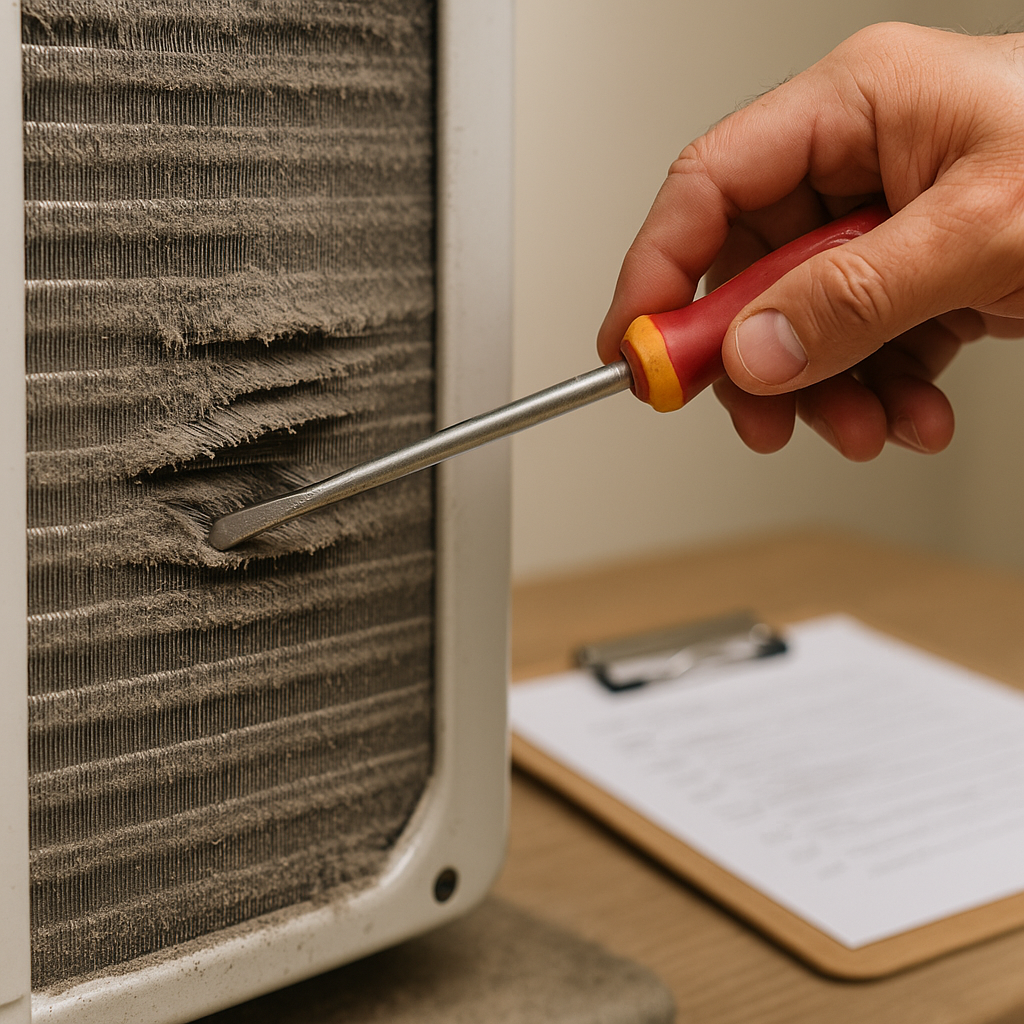
- HVAC outdoor unit condition (dust, bent fins, clearance)
- grading/drainage away from the foundation
This initial documentation protects you later—on deposit disputes, insurance claims after storms, and “that was already like that” conversations.
Tenant introduction and communication reset
Tenants should receive a clear “who to call/how to submit” message. Expect your PM to:
- confirm contact details
- explain maintenance request procedures
- clarify rent payment method and due dates
This is also when we often find small issues that were never reported because the tenant didn’t think anything would happen. Good management makes reporting safe and predictable.
Days 16–45: maintenance triage, vendor ramp-up, and compliance tightening
Maintenance: separating emergencies from noise
In practice, the first month surfaces two categories:
- Real safety/health issues (leaks, sewer backups, no heat in winter, electrical hazards)
- Long-standing annoyances (sticky doors, slow drains, old blinds)
Texas law has specific expectations around repairs that materially affect health or safety, but the details depend on notice, rent status, and what the condition is. We’re not attorneys, but operationally we treat “health/safety” as a fast-response category and document everything.
If your rental has deferred maintenance, expect the first 90 days to feel busy. That’s the system catching up.
Setting your “approval and spend” rules
Owners should expect a clear conversation about:
- emergency authorization limits
- what requires owner approval
- preferred materials/finish levels (especially on turns)
If you’re trying to keep cash flow predictable, your PM should also help you decide what to fix now vs. what to monitor. This is where experienced management earns their fee—preventing the “cheap fix now, expensive fix later” trap.
Want to see what good ownership communication and service standards look like? Start here: Owner Expectations in Property Management.
Security deposits and documentation (Texas Property Code context)
This is one of the most common operational failure points we see when owners self-manage.
High-level Texas context (not legal advice): Texas Property Code generally requires returning a security deposit and/or an itemized accounting within 30 days after the tenant surrenders the premises (when a written lease applies). Texas also distinguishes chargeable damage from normal wear and tear.
Operationally, that means your PM should be building the paper trail now:
- detailed move-in condition records
- consistent work order notes and invoices
- photo documentation on repairs and turns
If you want the owner-side version of how this works in Texas, read: Texas Security Deposit Rules.
Days 46–75: leasing strategy, renewals, and Panhandle seasonality
The Panhandle has seasons—your leasing strategy should too
Even without perfect Amarillo-only data, leasing demand typically runs heavier in the summer (May–September, often strongest in June–July). Practically, that means:
- spring is when you want renewals decided and make-readies scheduled
- summer is when fast response time and clean marketing matter most
- winter vacancies can linger longer if pricing and condition aren’t dialed in
If a lease expires in June, the work to reduce vacancy starts in April or May—not after the tenant is gone.
Pricing, positioning, and the “don’t get cute” rule
Amarillo renters are value-conscious. Canyon can behave differently depending on proximity to WT and the school-year rhythm. Some neighborhoods respond strongly to updates; others care more about clean, safe, and functional.
In the first 90 days, expect your PM to:
- recommend a rent range (with comps and rationale)
- outline any upgrades that actually move the needle
- refine screening criteria and enforcement consistency
Leasing should be a process, not vibes. If you want to understand the system side, review Leasing & Tenant Screening.
Days 76–90: accounting stabilization and “now we can optimize”
Clean monthly reporting (and what owners should actually look at)
By month three, reporting should stop feeling like a mystery novel.
You should expect:
- consistent monthly statements
- clear categorization of income/expenses
- copies or summaries of invoices
- a ledger that matches what hit the bank
If your PM is still “reconstructing history” in month three, that’s a flag—unless the takeover was genuinely messy.
The first optimization plan
Once the property is stable, the conversation shifts from “catch up” to “optimize.” Common next steps in Amarillo and the Panhandle:
- preventive HVAC servicing schedules (dust and temperature swings are real)
- roof and gutter checks after major storms
- reducing turn time with pre-scheduled vendors
- adjusting renewal timing to avoid dead-season vacancies
Common owner surprises (and how to avoid them)
Surprise #1: “Why so many repairs right away?”
Usually it’s deferred maintenance finally being documented and addressed. The fix is prioritization: health/safety first, then water intrusion, then systems, then cosmetics.
Surprise #2: “Why can’t you just enter and fix it?”
Access rules are typically governed by the lease and the tenant’s right to quiet enjoyment. Good PM teams give reasonable notice for non-emergency entry, coordinate schedules, and document attempts.
Surprise #3: “Why didn’t we raise rent more?”
Because vacancy is expensive and Amarillo is price-sensitive. A slightly lower rent with a strong tenant often beats chasing the highest number and eating weeks of vacancy.
What “good management onboarding” looks like in Amarillo
By the end of 90 days, you should feel like:
- you have visibility into the property (condition + financials)
- tenants know the process and are using it
- maintenance isn’t a constant fire drill
- leasing decisions have a calendar and a plan
If you’re weighing whether to keep self-managing or move to a system, read Pros & Cons of Self-Managing a Texas Rental.
Next step: set expectations before you hand over the keys
The smoothest transitions happen when owners and managers agree—up front—on approval limits, maintenance standards, communication rhythm, and leasing strategy.
If you want to sanity-check what your first 90 days should look like for your specific Amarillo/Canyon/Panhandle rental, book a consult here: Schedule a consultation.
Book a Management Consultation
Frequently Asked Questions
What should a property owner expect during the first 90 days of property management in Amarillo?
During the first 90 days of property management in Amarillo, owners can expect a thorough onboarding process where the property manager will organize documentation like leases and rent history, conduct a detailed baseline inspection considering Panhandle weather effects, establish clear communication channels with tenants, and implement maintenance and leasing workflows. The goal is to gain control with clean records, predictable maintenance, and a leasing strategy that matches local seasonal demand.
How does Panhandle weather affect property management in the first 90 days?
Panhandle weather, including strong wind, hail, and dust, significantly impacts property management in Amarillo. During the first 90 days, property managers focus on a comprehensive exterior inspection to document conditions like roofs, fences, windows, and HVAC units, protecting owners from costly unnoticed damages and ensuring maintenance plans address weather-related wear and tear.
What maintenance priorities should Amarillo property owners expect during the first 90 days with a property manager?
In the initial 90 days, property managers prioritize addressing urgent health and safety repairs such as leaks or electrical hazards while also cataloging and scheduling less critical fixes like sticky doors or slow drains. This triage ensures compliance with Texas laws and helps prevent costly future repairs by balancing immediate needs with long-term property care.
How does seasonal leasing demand in the Texas Panhandle affect property management strategies in the first 90 days?
Because leasing demand in Amarillo and the Panhandle peaks during summer months, property managers use the first 90 days to prepare by setting renewal timelines in spring and enhancing marketing efforts for summer leasing. This seasonal approach helps minimize vacancies and aligns rent pricing and property condition with local renter preferences.
What does good property management accounting look like by the end of the first 90 days?
By the end of the first 90 days, good property management accounting in Amarillo should include consistent monthly financial statements with clear income and expense categories, accurate rent ledgers matching bank deposits, and organized documentation of invoices. This transparency allows owners to understand their property’s financial status without confusion or reconstruction of previous records.
Why might there be many repairs early on when starting property management in the Panhandle?
Many repairs arise in the first 90 days because property management teams uncover deferred maintenance that was previously undocumented or neglected. Addressing these issues promptly, especially health and safety concerns, helps protect the property’s value and prevents more expensive emergency repairs in the future.