
If you’re selling a home in Amarillo, “Which ZIP codes are growing?” isn’t just curiosity—it’s pricing strategy. Growth changes buyer demand, comps, days on market, and what upgrades actually matter.
One important note up front: truly clean, official “growth by ZIP code” reports aren’t always published the way people assume. What we do have are reliable proxies—population trends, mobility data, and ZIP-level demographic snapshots—plus what we see on the ground in West Amarillo, the south/southwest edges, and the Canyon direction.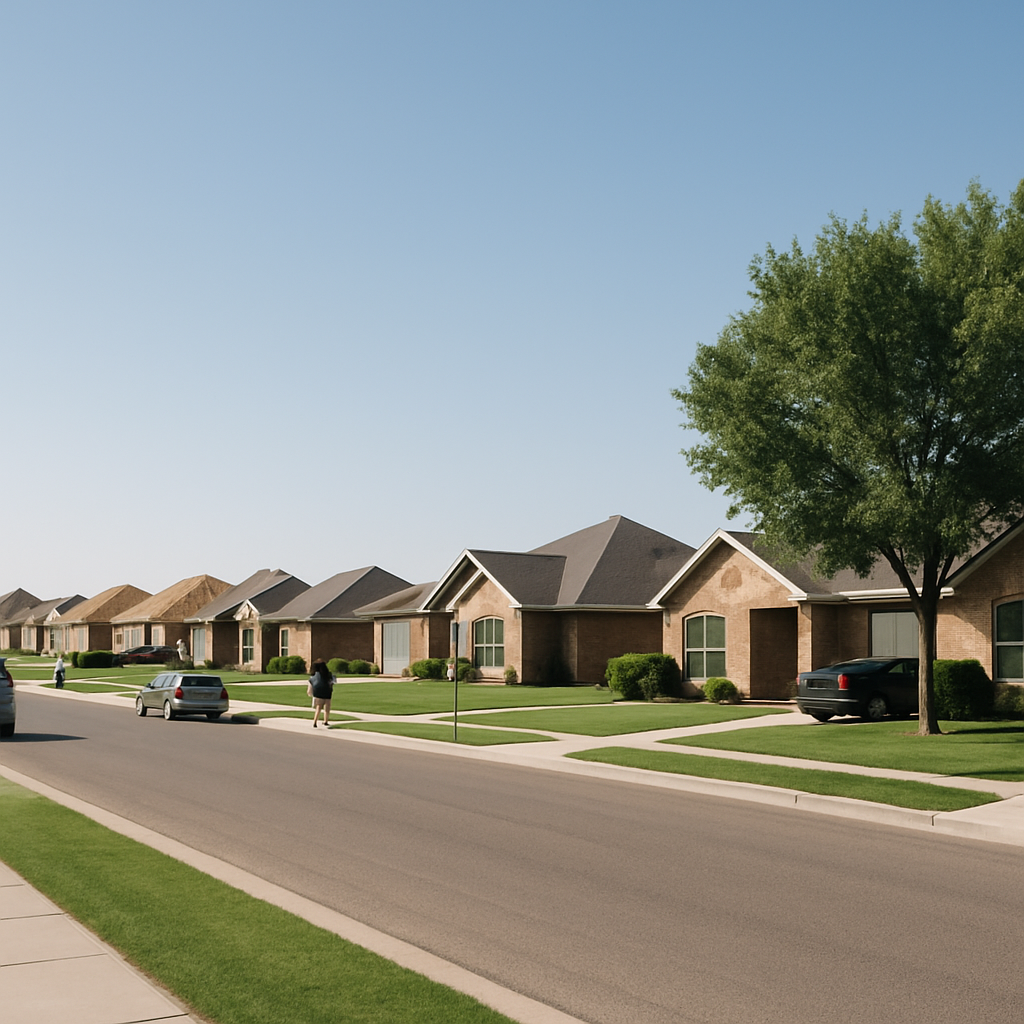
What “growing” means for a home seller
When sellers say “this area is growing,” they usually mean one (or more) of these things:
- More rooftops (new construction, infill, or subdivision expansion)
- More people moving in and out (mobility/churn)
- Rising buyer competition (stronger demand for a certain school zone, commute, or neighborhood feel)
- A shift in who’s buying (first-time buyers vs. move-up buyers vs. relocating households)
For pricing and marketing, the practical question is: Are today’s buyers treating your ZIP code like a “destination,” a “trade-off,” or a “fallback”? Your list price and presentation should match that reality.
The data problem: ZIP code growth is real, but easy to oversimplify
ZIP codes are postal boundaries, not neighborhoods—and they don’t always line up neatly with what locals mean by “Wolflin,” “The Colonies,” “Sleepy Hollow,” or “Southwest Amarillo.” So when someone posts a “fastest growing ZIPs” chart, it can be directionally useful but still misleading if you apply it to your exact pocket.
To keep this grounded, here are credible sources that give a directional picture:
- The U.S. Census Bureau QuickFacts provides baseline Amarillo population and density context (city-level, not ZIP-level).
- Realtor.com reported Amarillo’s domestic mobility rate at roughly 17.9% in 2024 (a proxy for how much the market is “moving”).
- ZIP-level forecast models can be useful as projections—not official counts—so treat them as directional.
A practical ZIP-code breakdown (and how sellers should interpret it)
Rather than pretending we can name a single “winner,” here’s the seller-relevant way to think about Amarillo ZIPs: where buyers are consistently shopping, where new rooftops are influencing comps, and where pricing is most sensitive to condition and updates.
ZIPs with a strong “growth corridor” feel (directional)
Model-based ZIP forecasts (again: projections) point to several Amarillo ZIPs that appear to be on a growth trajectory—often aligning with what locals would call the south/southwest push and the city’s edges.
ZIP-level projections often highlight growth signals in ZIP codes including 79119, 79118, and 79124 (among others). If you’re selling in these areas, growth often translates to:
- More competition from newer homes (your home must be priced against “shiny and new,” not just last year’s resale)
- Buyers caring more about floor plan functionality and energy comfort (Panhandle heat + wind exposure makes comfort features matter)
- Appraisals being influenced by a mix of resale and nearby newer inventory
Seller move: if your home is older than nearby new builds, don’t try to “out-new” them with random upgrades. Focus on clean condition, mechanical confidence, and a pricing strategy that acknowledges new construction nearby.

Established ZIPs that stay in demand (but behave differently)
Some ZIPs don’t “grow” by sprawl—they stay desirable because of centrality, mature neighborhoods, and consistent buyer demand. Established areas can still move well, but they reward precision more than hype.
For sellers, that tends to mean:
- Condition and presentation can swing value more than the “growth story” does
- Buyers compare you to nearby streets, not just the whole ZIP
- Pricing punishes overconfidence (because there are usually more comps)
Seller move: invest time in comp selection. In established areas, one street can sell differently than the next because of lot size, traffic, or how updated the interior feels. This is where a true listing strategy by neighborhood matters more than a broad ZIP-code headline.
Amarillo reality check: growth isn’t just ZIP codes—it’s buyer routes
In the Panhandle, buyers often choose areas based on:
- Commute patterns (work, medical, schools, bases, and “I want to be 10 minutes from everything” logic)
- Wind/hail exposure and roof age (yes, it’s a real conversation here)
- Neighborhood identity (what locals call it matters more than what the map calls it)
This is why sellers get burned using generic advice like “West is always best” or “Southwest always sells.” In practice, the right strategy depends on your pocket and the current competing inventory.
How “growth” should change your pricing strategy
If your ZIP is trending with more rooftops and more buyer attention, the most common seller mistake is assuming that automatically means “price it high and wait.” Here’s what we see actually work:
- In growth-leaning pockets, buyers still anchor to recent closed sales—then adjust for condition, layout, and competition from newer homes.
- A growth narrative helps marketing, but it doesn’t replace math. If the new builds down the road have better incentives or newer finishes, you may need a sharper price.
- Overpricing in a fast-moving pocket can backfire because buyers have options and move fast. You miss the early window.
If you want the bigger framework, start with how to sell a house in Amarillo. Growth signals matter, but they only help when they are tied to pricing, condition, timing, and buyer expectations.
Common bad advice sellers hear about Amarillo ZIP codes
“If your ZIP is growing, you don’t need to fix anything.”
In Amarillo, buyers will tolerate dated finishes sometimes—but they rarely tolerate deferred maintenance. Wind, dust, and hail seasons make buyers sensitive to roof, windows, HVAC performance, and overall “how hard will this house be to own?”
“ZIP code is everything.”
ZIP code helps with search filters. But what actually moves the needle is the micro-market: school preference, street traffic, lot utility, and whether the home shows clean and cared-for.
“Just use online estimates.”
Automated values often struggle with Panhandle-specific factors (condition gaps, additions, unique lots, and pockets that don’t comp cleanly). Use them as a starting point—not a pricing decision.
 What to do next (a simple seller game plan)
If you’re a home seller trying to leverage “growing areas” without guessing:
- Identify your true comp set (same neighborhood feel, similar lot utility, similar condition)
- Map your competition right now (new builds, recent flips, and the cleanest resales)
- Price to win the first 10–14 days of attention (that’s when buyers are watching hardest)
- Market with specifics buyers care about in Amarillo (roof age, HVAC age, storm readiness, and what’s been updated)
If you are tempted to price high “just to see what happens,” read up on the worst pricing mistakes before you donate your first two weeks of attention to the internet gods. They are not generous.
If you also own rentals or might convert this home into one, it’s worth understanding how an operator looks at neighborhoods and demand drivers: Analyze a Rental in the Texas Panhandle.
Bottom line: “growing ZIP code” is a signal—not a price tag
ZIP-level growth signals can help you understand demand, but your sale price is still determined by today’s inventory, your home’s condition, and what buyers can get for the same money nearby.
If you want a ZIP-aware pricing and positioning plan based on what’s actually selling in your pocket of Amarillo—not generic charts—book a seller consultation with Blaze Real Estate and we’ll walk it through with you.
Frequently Asked Questions
Which Amarillo ZIP codes are currently experiencing growth and what does that mean for home sellers?
Amarillo ZIP codes such as 79119, 79118, and 79124 are showing strong growth signals, particularly in the south and southwest areas. For sellers, this means more competition from new construction and a market where buyers pay attention to home condition, floor plan functionality, and energy comfort due to Panhandle weather.
How should sellers in growing Amarillo ZIP codes adjust their pricing strategies?
Sellers in growing Amarillo ZIP codes should price their homes competitively against newer builds nearby, focusing on clean condition and mechanical reliability rather than trying to out-match new construction with random upgrades. Overpricing can be risky because buyers have choices and tend to move quickly in these areas.
Why is ZIP code alone not enough to determine a home’s value in Amarillo?
ZIP codes are postal boundaries and do not always align with neighborhood identities or micro-markets in Amarillo. Factors like street traffic, school preference, lot utility, and the specific condition of homes within a ZIP code often influence value more significantly than ZIP code boundaries alone.
What are some common misconceptions Amarillo home sellers have about growing ZIP codes?
Two common misconceptions are that sellers don’t need to make any repairs if their ZIP code is growing, and that ZIP code alone determines home value. In reality, buyers in Amarillo care deeply about maintenance, especially due to weather factors like wind and hail, and micro-market conditions often outweigh broad ZIP code growth trends.
How can Amarillo home sellers identify the right comps and competition in a growing ZIP code?
Sellers should focus on finding comparable homes within the same neighborhood feel and similar lot utility rather than relying solely on ZIP code data. Mapping current competition including new builds, recent flips, and well-maintained resales helps sellers set a competitive price and position their home effectively.
What role do commute patterns and local neighborhood identities play in Amarillo home sales beyond ZIP code growth?
In Amarillo and the Panhandle, buyers often prioritize commute times to work, schools, and medical facilities, as well as the known identity of neighborhoods that locals recognize. These factors can influence buyer demand and pricing more than broad ZIP code growth signals, making them critical considerations for sellers.