
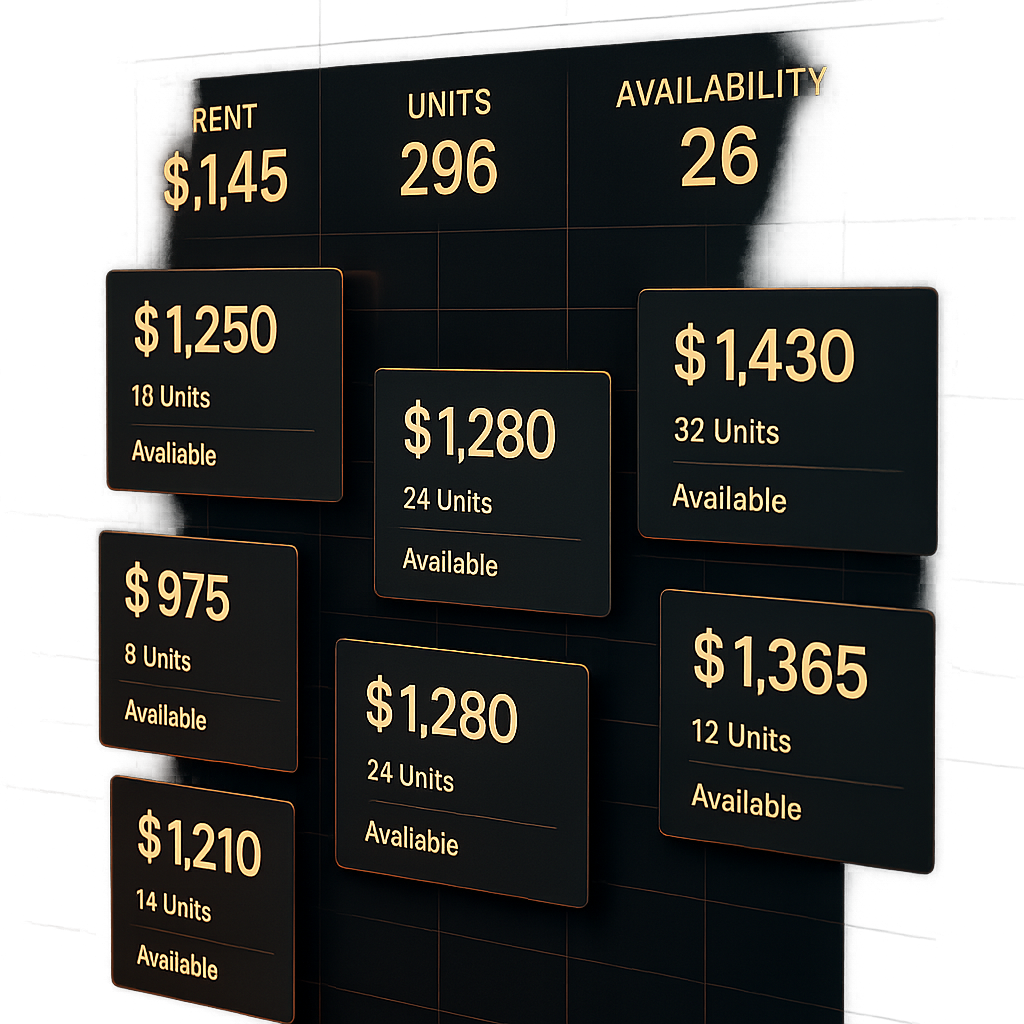
Why Dynamic Property Indexing Matters — And Why Blaze Was Early to the Party
In digital leasing, visibility isn’t optional — it’s survival. Renters don’t patiently scroll through endless rental lists anymore. Instead, they search, skim, click, and disappear in seconds if they do not find what they want. That is why dynamic property indexing matters for rental property management in Amarillo and across the Texas Panhandle.
In short, live property pages can be the difference between a website that quietly exists and one that actively helps fill units.
The Problem Static Pages Can’t Solve
Your portfolio is constantly moving. Units come on and off the market. Pricing shifts. Specials change. Amenities get updated. Photos improve.
However, a static property page may only look right the week it launches. After that, it can drift out of sync with reality. Search engines notice that gap, and renters do too.
An outdated page erodes trust. For example, when a renter sees one price online and hears another on the phone, they do not blame the software. They blame the brand.
Meanwhile, search engines tend to reward useful, current pages that help users find what they need. The Google Search Central guidance is clear: helpful, reliable content matters for search performance. Over time, stale pages can become less visible, less relevant, and less effective at generating leasing traffic.
In other words, static property pages do not just sit there. They can drag down leasing performance.
What Dynamic Property Indexing Actually Does
Dynamic property indexing turns each property into its own live, search-ready hub. Instead of one generic listings page trying to do all the work, every property gets a dedicated, structured, and properly indexed page that stays current as the data behind it changes.
When availability updates, the page reflects it. When pricing changes, the page reflects it. When a unit is no longer on the market, that gets reflected too.
As a result, search engines repeatedly see fresh, accurate content tied to real leasing data. Renters see a page that matches what is actually happening on the ground.
The impact is simple but powerful. Search engines have more clear entry points into your portfolio. Renters land closer to what they are actually looking for. Also, your traffic no longer piles up on one “all listings” page.
Instead, traffic gets distributed across multiple high-intent property pages built to convert. That is leasing optimization in plain English.
Think of every indexable property page as another cast line in the water. One page is one line. A dozen properties are a dozen lines. An entire portfolio of updated, well-structured property pages is more like a net. It works all the time, even when the office is closed.
Why Blaze Built This Early
 At Blaze Real Estate, we didn’t treat dynamic indexing as a shiny add-on or a trendy marketing experiment. We treated it as core infrastructure for how modern leasing should work in the Texas Panhandle.
The decision to move to dynamically generated, properly indexed property pages was intentional and strategic. It wasn’t about having a prettier website. Instead, it was about building a system that could scale lead capture without demanding more manual work every time something changed in AppFolio or on the ground.
By giving each property a dedicated, indexable page tied to live data, we turned our website into a predictable, compounding asset. Instead of acting like an online brochure that people occasionally visit, it functions as a leasing engine that:
– Reflects current availability and details with far less manual intervention.
– Brings in organic traffic from renters who are already searching for what we offer.
– Guides those renters from search result to property details to inquiry with minimal friction.
It also changed how we relate to third-party platforms. Instead of depending on outside sites to be the primary source of traffic, Blaze built its own digital foundation. That means our data, our properties, and our brand sit at the center of the leasing conversation.
In addition, this kind of real estate technology helps owners avoid the old “post it everywhere and hope” approach. Hope is not a strategy. It is barely a plan, and it usually forgets to bring snacks.
What This Means for Owners
For owners, live property indexing is not a buzzword. It is a practical advantage that shows up in vacancy, days on market, and the quality of leads coming in.
When renters find accurate, detailed, and current information the first time they search, they move faster. They do not waste time chasing units that are already taken. Also, they do not have to guess which property fits their needs.
As a result, they can go from curiosity to scheduled tour in fewer steps. That speed matters.
At the same time, properties benefit from increased organic search engine visibility. Instead of hoping to be noticed in a crowded marketplace feed, each property has the potential to be discovered directly through search.
Over time, as more properties are added and more pages are indexed, the Blaze footprint online keeps expanding. Every new door strengthens the visibility of the doors already in the portfolio.
That’s what long-term digital real estate really looks like. It is not just owning physical assets. It is also owning the online paths that lead renters to them.
If you are still learning the basics of operating rentals, start with our Panhandle landlording guide. Then, look at how marketing, operations, and leasing work together to reduce vacancy over time.
Owning Your Space Online
Most companies will eventually realize they should have built this kind of structure years ago. They will look up, see competitors earning more search traffic with clean property pages, and start trying to catch up.
Blaze didn’t wait for that moment. We built our dynamic property indexing system early, and now it compounds with every unit, every update, and every new asset we take on. The result is a website that doesn’t just sit there — it works, constantly, to keep our clients’ properties in front of the renters who are actively searching.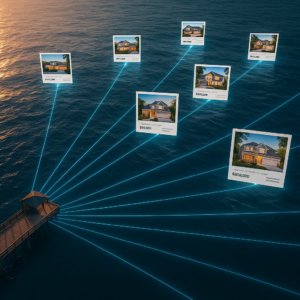
If you own rental property in the Texas Panhandle and want your doors to be found instead of buried, live indexing is not an upgrade. It is the baseline. And Blaze is already operating there.
Still, technology is only one part of good management. Owners also need clean systems, clear communication, and a strong leasing process. For more on the day-to-day side, read about the true cost of self-managing and how to design a move-in flow that starts the tenant relationship the right way.
Ready to see what that looks like for your portfolio? Get in touch with Blaze Real Estate and let’s put your properties in front of the people already looking for them.
FAQ
What is dynamic property indexing?
Dynamic property indexing is a system that creates and updates search-ready property pages as rental data changes. It helps renters find accurate availability, pricing, and details through search.
Why does indexing matter for rental property management?
Indexing matters because each searchable property page gives renters another way to find a rental. Better visibility can support stronger lead flow, faster leasing, and fewer missed opportunities.
Does this replace listing sites?
No. Listing sites can still help. However, a strong website gives the owner or manager more control over branding, data, and the renter journey.
How does Blaze use real estate technology in leasing?
Blaze uses digital leasing tools, live property data, and structured property pages to make listings easier to find and easier to act on. The goal is simple: reduce friction from search to inquiry.
Can better search visibility reduce vacancy?
It can help. Search visibility is not the only factor, but accurate and easy-to-find listings can bring in more qualified renters and support a faster leasing process.