
Why Seller Disclosures Matter for First-Time Texas Home Sellers
If you’re selling your home in Amarillo or anywhere in the Texas Panhandle for the first time, the basic seller disclosure requirements can feel like one more stack of paperwork. However, disclosure is really about honesty, fewer surprises, and a smoother closing. Texas has clear rules for sellers, and it also sets limits on what you are responsible to share. In short, you want to tell the truth, avoid guessing, and keep the sale moving.
For a bigger-picture view of the selling process, start with our guide on how to sell a house in Amarillo. Then use this article to understand the disclosure piece before your home hits the market.
Texas seller disclosure requirements: What the law says
For most sales of previously occupied single-family homes, Texas Property Code §5.008 says sellers must provide a written notice about the property’s condition. Usually, this is done with the TREC Seller’s Disclosure Notice. It is a checklist that covers major home systems, known defects, past damage, and certain legal conditions.
Ideally, the buyer receives this notice before signing the purchase contract. Otherwise, timing problems can create stress, delays, or a possible termination right. For that reason, disclosures should be handled early, not tossed in at the last minute like a forgotten garage remote.
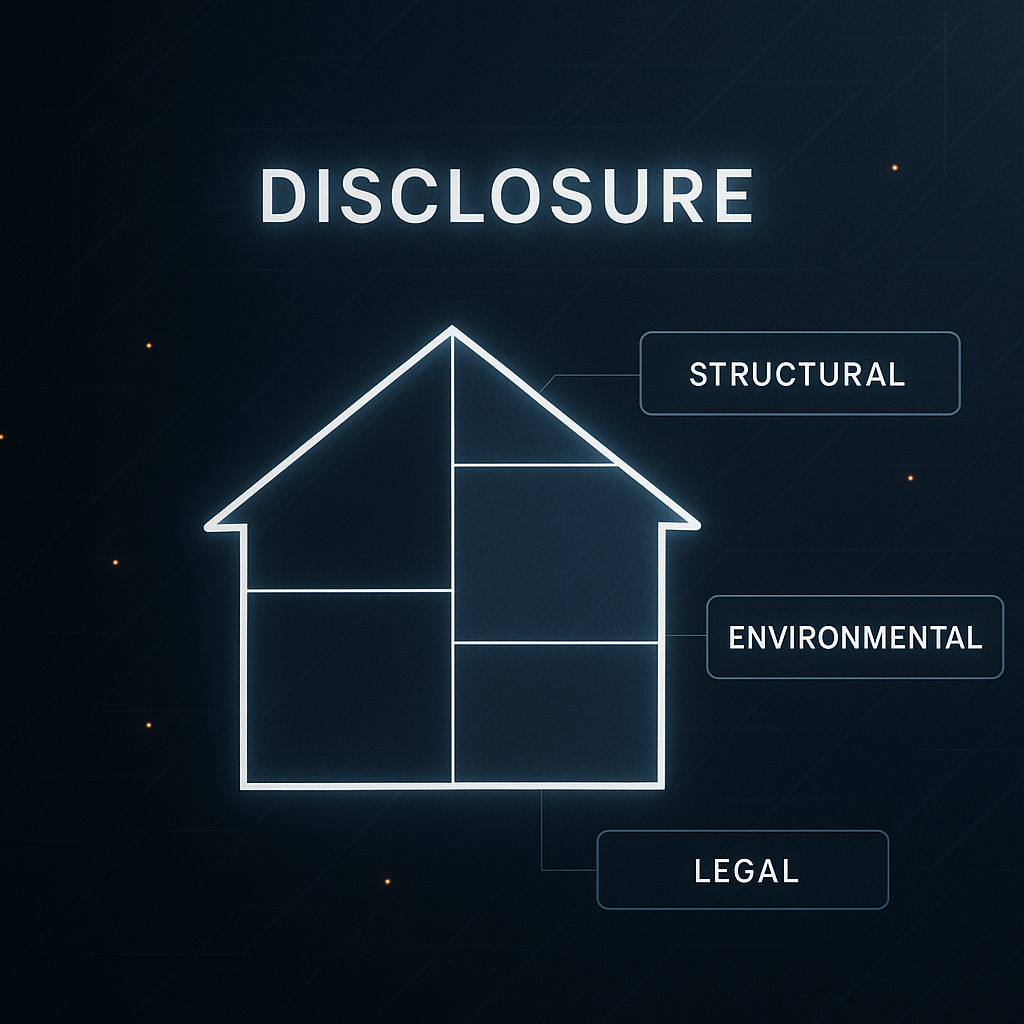
Key Areas Sellers Must Disclose:
- Structural and Systems Conditions: You must disclose known issues or malfunctions involving the roof, foundation, walls, ceilings, floors, windows, doors, plumbing, electrical, HVAC, and water heater.
- Appliances: You should note known problems with included appliances, such as ranges, dishwashers, or built-in equipment.
- Past Damage or Repairs: Water damage, flooding, drainage problems, termite infestations, and related treatment or repairs should be disclosed if known.
- Environmental Hazards: Known asbestos, lead-based paint when applicable, toxic waste, or other hazards should be addressed.
- Legal and Financial Factors: Sellers may need to disclose known homeowners association fees, lawsuits affecting the property, easements, or encroachments.
If you do not know an answer, Texas law allows you to mark items as “unknown.” However, do not guess just to make the form look complete. You are not required to inspect beyond your own knowledge, but you should be accurate and honest with what you do know.

What Texas Sellers Are NOT Required to Disclose
Texas law limits many disclosures to facts tied to the property’s condition or value. Therefore, sellers are not required to disclose every uncomfortable fact connected to a home’s history.
You do not have to disclose:
- Deaths on the property from natural causes, accidents unrelated to the property, or suicide.
- Whether a prior occupant had or may have had HIV/AIDS.
Still, facts that affect the home’s physical condition or value can be different. For example, a past crime may not be a required disclosure by itself, but damage from that event could matter. When in doubt, review the issue with your agent or consult a qualified professional.
Important Exemptions From Disclosure
Some sale types do not require the standard Texas seller disclosure notice. Common exemptions include:
- New construction homes that have never been occupied.
- Sales of commercial properties or multi-family residences with more than one unit, such as duplexes or larger buildings.
- Foreclosure or lender sales.
- Transfers between close family members, such as spouses, parents and children, or co-owners.
- Court-ordered sales or transfers related to divorce.
Even if an exemption applies, sellers should not misrepresent or hide a material fact. In addition, some contracts or buyer requests may still call for more information. A local Amarillo real estate agent can help you decide what is normal, what is required, and what needs a second opinion.
Common Seller Disclosure Mistakes to Avoid
First-time sellers often run into problems because they treat the form like a box-checking chore. Instead, think of it as a buyer confidence tool and a closing protection tool.
- Delivering the notice too late. The buyer should receive it before signing the purchase contract. Otherwise, the buyer may have a right to terminate.
- Guessing instead of saying “unknown.” If you do not know, say so. Guessing can create bigger problems later.
- Forgetting to update the disclosure. If a new material fact comes up after signing, review the update with your agent.
- Using informal or incomplete forms. Use the TREC form or a proper equivalent when required.
- Hiding repairs because they were “fixed.” Repairs are often fine, but known past issues may still need to be disclosed.
Meanwhile, disclosure problems can also cause closing delays. If you want to keep your timeline clean, read our tips on how to avoid closing delays before you list.

How To Handle Disclosures the Blaze Way in Amarillo
Our advice is simple: fill out your disclosure honestly and thoroughly to the best of your knowledge. Then review it with an experienced local Realtor who understands Amarillo, the Texas Panhandle, and the practical side of the Texas Property Code.
As a result, you reduce surprises, build buyer trust, and protect yourself from post-sale arguments. Clear disclosures also support your pricing and negotiation strategy. If the home has known issues, the right approach may be pricing, repair work, or a smart credit instead of pretending the problem does not exist.
In addition, disclosures should work with the rest of your selling plan. If you are still setting your price, avoid the worst pricing mistakes Panhandle sellers make. And if repairs are on your mind, compare them with the remodeling projects that can help a sale.
Wrap-Up: Keep It Honest, Keep It Clear
Disclosure might feel like busywork, but it is the backbone of a clean real estate transaction in Texas. Know what you must disclose, what you do not, and when to do it. Transparency protects you as a seller and helps buyers feel confident.
If you have questions or want a trusted partner through your first sale, Blaze is here to guide you through every step in Amarillo and the Texas Panhandle.
FAQ: Texas Seller Disclosures
Do Texas sellers have to use the TREC Seller’s Disclosure Notice?
Many Texas residential sellers use the TREC Seller’s Disclosure Notice because it follows the standard disclosure format. However, some transactions are exempt, so review your situation with your agent.
What if I do not know the answer to a disclosure question?
If you truly do not know, you can usually mark the item as “unknown.” Do not guess, and do not hide known facts.
Do I have to disclose repairs that were already completed?
Known past damage and repairs may still need to be disclosed, even if the issue was fixed. Keep receipts and records when possible.
Can a buyer cancel if the disclosure is delivered late?
In some cases, a late disclosure can give the buyer a right to terminate. That is why sellers should provide the notice early in the process.
Should I talk to an attorney about a difficult disclosure issue?
Yes, if the issue is unusual, disputed, or high-risk, consult a qualified real estate attorney. Your agent can help spot when legal guidance may be wise.