
In the Texas Panhandle, property management technology is not about who has the shiniest dashboard or the nicest logo. It is about who can execute—consistently—through leasing seasons, surprise maintenance, late-night lockouts, vendor no-shows, and the occasional “I mailed the check” conversation.
That’s why the right systems matter. They turn repeatable operations into a real process. However, good tools do not replace people. They protect your people from avoidable chaos, missed steps, and preventable owner or resident frustration.
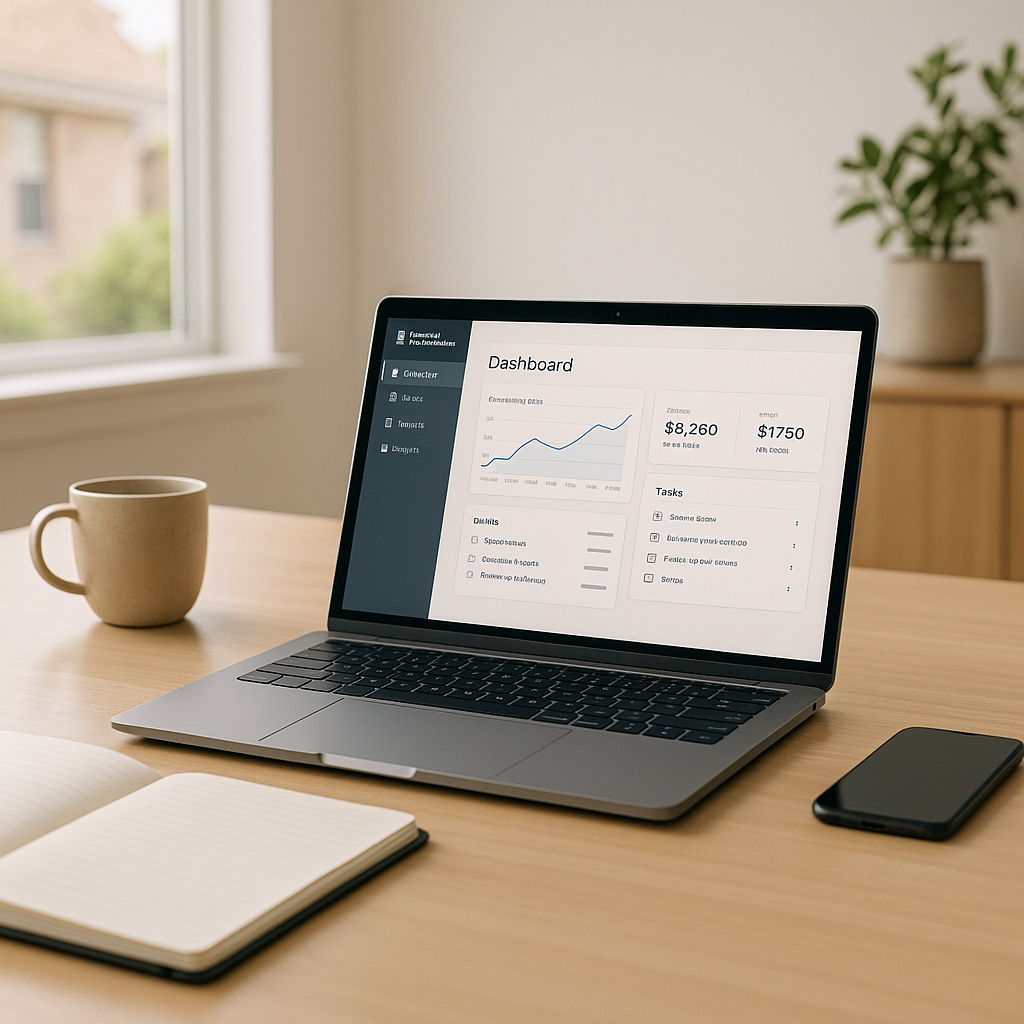
The real job: reduce friction without losing control
Operations teams live in the gap between expectations and reality:
- Owners expect clean reporting, fast turns, and fewer surprises.
- Residents expect easy communication and quick resolutions.
- Vendors expect clear scopes and fast approvals.
- Your staff needs documented processes that hold up when it’s busy.
Technology helps you close that gap by doing three things well:
- capturing information the same way every time
- routing work to the right person at the right time
- recording what happened so you can prove it later
In practice, that is the difference between “we think we handled it” and “here’s the timeline, photos, invoices, and notes.” For newer landlords, this is also why a solid operating system belongs in any landlording plan before the first emergency call hits.
What property management technology actually does (when it’s set up right)
Most teams do not need 50 apps. Instead, they need a core stack that supports the full lifecycle: leasing → move-in → maintenance → renewals → move-out → reporting.
Centralization: one source of truth
If your leasing notes are in one inbox, your work orders are in another system, and your owner updates live in text messages, your operation is fragile.
A solid management platform centralizes:
- contact history for owners, residents, and vendors
- documents, including leases, addenda, and notices
- maintenance logs and invoices
- ledgers and charges
- task ownership, so everyone knows who is doing what next
When a resident calls with “I’ve been asking for weeks,” you do not want detective work. You want a record.
Automation: fewer dropped balls
Automation is not about being impersonal. It is about removing the routine steps that do not need human creativity.
For example, these property management software features matter in day-to-day operations:
- rent reminders and late fee workflows
- lease renewal workflows and deadline tracking
- inspection scheduling prompts
- maintenance follow-ups after vendor completion
- owner reporting delivery and recurring updates
In a busy week, the difference between “we forgot” and “it fired automatically” can mean real money and real reputation. However, rent collection still needs clear rules. If payments get messy, review your process against Texas requirements and your lease, and consider this guide on late rent in Texas.
Visibility: dashboards beat gut feelings
Good operations are measurable. Therefore, useful software should show the numbers that tell the truth:
- days on market and lead-to-lease conversion
- make-ready timelines and bottlenecks
- work order volume, aging, and vendor cycle times
- delinquency trends and payment behavior
- renewal acceptance rates
We often see teams think they have a maintenance problem when they actually have a communication problem. Sometimes it is a vendor dispatch problem. Other times, it is a parts approval problem. Dashboards help you find the real constraint.

The biggest operational wins: where tech pays off fastest
Different companies feel the value in different places. Still, these areas usually produce the fastest return.
Online payments: less friction, fewer excuses
Online payments are not just convenient. They reduce:
- “check is in the mail” delays
- office traffic and manual handling
- posting errors
- inconsistent payment timing
As a result, reliable payment systems make cash flow more predictable. That affects everything downstream, from owner distributions to vendor scheduling.
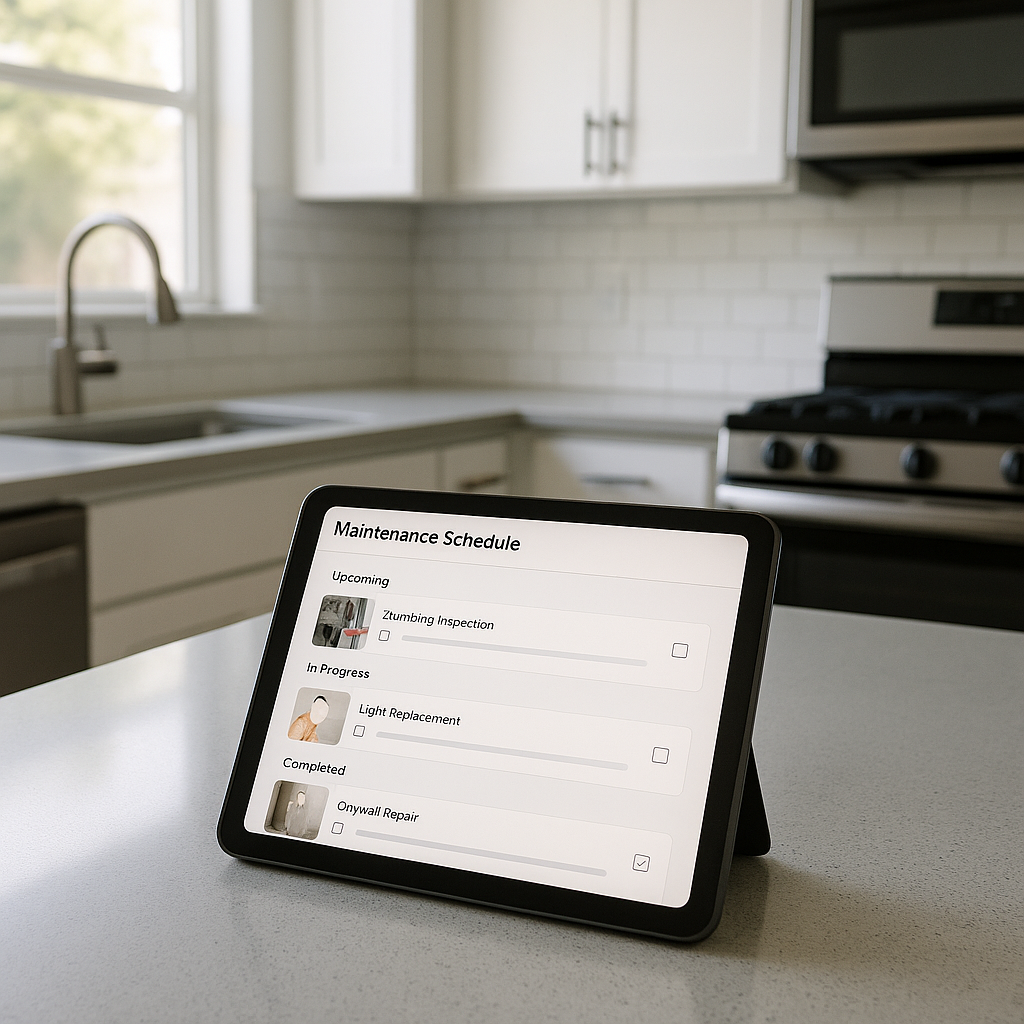
Maintenance request intake: structured info upfront
A maintenance call that starts with “it’s not working” usually ends with several follow-up contacts.
A resident portal, owner portal, or structured intake form can collect:
- photos or video
- permission to enter
- best access times
- whether water is off, HVAC is out, or it is a safety issue
That means fewer trips, better scheduling, tighter vendor scopes, and clearer expectations. In addition, maintenance work order automation can help route urgent issues faster instead of letting them sit in an inbox.
Digital inspections: fewer disputes, better turns
Digital inspections with date-stamped photos and consistent checklists reduce the “he said/she said” problem.
Operationally, they also help you:
- standardize move-in condition documentation
- speed up make-ready planning
- catch recurring issues across the portfolio
- train new staff faster
A clean inspection process is also one of the simplest ways to reduce move-out friction. Meanwhile, a strong rental move-in flow can prevent many of those disputes before they start.
Trends shaping management tech right now
Proptech is not standing still. Here is what is showing up more in the industry, and what matters for daily operations.
AI and automation are becoming normal, but still need oversight
AI is increasingly used for things like:
- triaging inbound leads and messages
- drafting replies to routine questions
- analyzing maintenance patterns
- identifying leasing performance gaps
However, AI is not a set-it-and-forget-it employee. Operations still needs:
- clear policies on what AI can and cannot send
- consistent review on high-risk communication
- documented processes so “automation” does not turn into “oops”
Predictive maintenance is growing, especially in larger portfolios
Sensors and smarter tracking can help identify issues earlier, such as water leaks or HVAC performance problems, before they become emergencies.
In practice, this is less about “smart homes” and more about fewer expensive surprises and better scheduling.
Resident and owner portals are now baseline expectations
Resident and owner portals do more than reduce call volume. They also create transparency:
- residents can see request status
- owners can see statements and updates
- everyone can see the same information
In short, the operational win is consistency. You get fewer one-off explanations and fewer misunderstandings.
The risks: tech does not remove responsibility
Technology can tighten operations. However, it can also create new risks if you do not manage it with intent.
Data security and access control
Property management handles sensitive data. The biggest operational mistakes we see are often not “Hollywood hacker” problems. Instead, they are permissions and process issues:
- shared logins
- too many admins
- old staff accounts not removed
- vendor access without guardrails
Treat access like keys: issue only what is needed, and track it. In addition, data security in property management should include password standards, multi-factor authentication, and regular access reviews.
Screening and compliance sensitivity
Tenant screening tools can be powerful, but they need consistent criteria and human oversight. Fair housing and Texas compliance topics are real. Therefore, operations should treat screening decisions as a documented process, not a vibe.
The Fair Housing Act prohibits discrimination in housing based on protected classes. Texas landlords should also understand the Texas Property Code rules that apply to residential tenancies.
We are not attorneys, and this is not legal advice. From an operational standpoint, the safer path is usually consistent standards, clean documentation, and knowing when to involve counsel. For a broader ops checklist, review how to reduce legal risk in day-to-day management.
“Tool sprawl” and broken workflows
Buying software is easy. Getting adoption is the work.
If your team has:
- too many platforms
- duplicate data entry
- unclear ownership of steps
…you do not have a tech stack. You have a tech tax. And yes, it charges interest.
A practical way to evaluate management tools
The best question is not “what features does it have?” Instead, ask this:
Does this tool reduce cycle time, reduce errors, or improve documentation without adding complexity?
Start by mapping your workflows:
- lead → showing → application → approval or denial → lease
- move-in coordination and utilities
- maintenance intake → dispatch → completion → billing → follow-up
- renewal pipeline
- move-out → inspection → scope → turn → accounting
Then choose tools that support the workflow you actually run, not the workflow you wish you ran.
Bottom line: technology is how you scale consistency
In property management operations, good intentions do not protect you. Systems do.
The right tech stack helps you run a tighter operation: fewer missed steps, better communication, cleaner documentation, faster turns, and reporting you can stand behind.
If your team is evaluating tools, or if you are feeling the pain of growth without process, Blaze Real Estate can help you think through an ops-first setup. That means workflows, accountability, and tech that supports the work instead of complicating it.
FAQ
What software features matter most for a rental property?
The most useful features are online payments, maintenance tracking, document storage, resident and owner portals, accounting reports, and task reminders. Start with tools that reduce errors and improve response time.
Can automation replace a property manager?
No. Automation can handle reminders, routing, and repeatable steps, but people still need to make judgment calls, review exceptions, and communicate clearly with owners, residents, and vendors.
How does maintenance work order automation help?
It collects better details upfront, routes requests to the right person or vendor, tracks status, and documents the timeline. As a result, teams can respond faster and avoid losing requests in email or text threads.
Are resident and owner portals worth it?
Yes, when they are used consistently. Portals reduce call volume, improve transparency, and give residents and owners a clear place to view updates, payments, documents, and maintenance status.
What should landlords watch for with data security?
Landlords should limit user access, remove old accounts, avoid shared logins, use strong passwords, and turn on multi-factor authentication when available. For sensitive issues, consult qualified security or legal professionals.