
You can own a rental in Amarillo while you live in Denver, Phoenix or anywhere else that doesn’t get sideways hail. Plenty of owners do it. The question behind “do I need a property manager if I live out of state” is narrower: who stands at the house when something needs a person there today, and not the next time you’re in town?
This guide covers when an out-of-state owner can self-manage, when an out of state property manager is the better call, and what to require from one if you hire.
The short answer
No law makes you hire a property manager because you live out of state. Some owners self-manage from far away and do fine.
Most of the ones who do fine have built a local system before they needed it: a person who can get to the house, vendors who answer, and a habit of writing everything down. Owners without that system usually find the gap during their first big repair, vacancy or tenant dispute. If you’re still weighing it, our breakdown of the pros and cons of self-managing a Texas rental covers the tradeoffs in more detail.
What makes distance hard in the Panhandle
Amarillo isn’t a hard market to manage. Distance gets expensive when the plan depends on you being physically present and you aren’t.
Weather creates physical problems
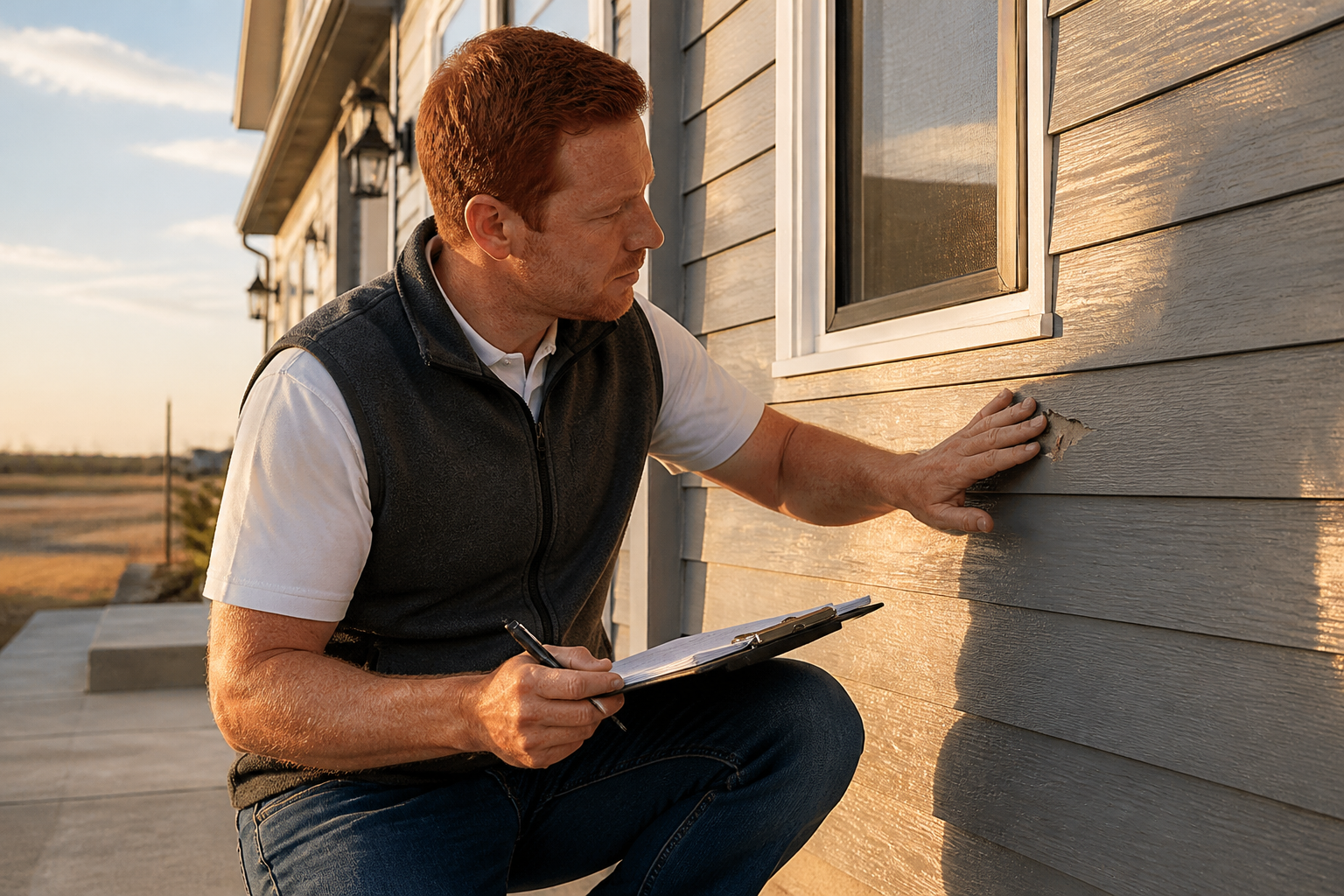
Hail and high wind are a normal part of owning property here. After a storm, someone local may need to check the roof and siding, get a tarp on an active leak, photograph the damage for your insurance company, and get the HVAC looked at if it took a hit. You can make phone calls from another state. You can’t stand in the yard and confirm the repair was done right.
Vendor coordination is more than one phone call
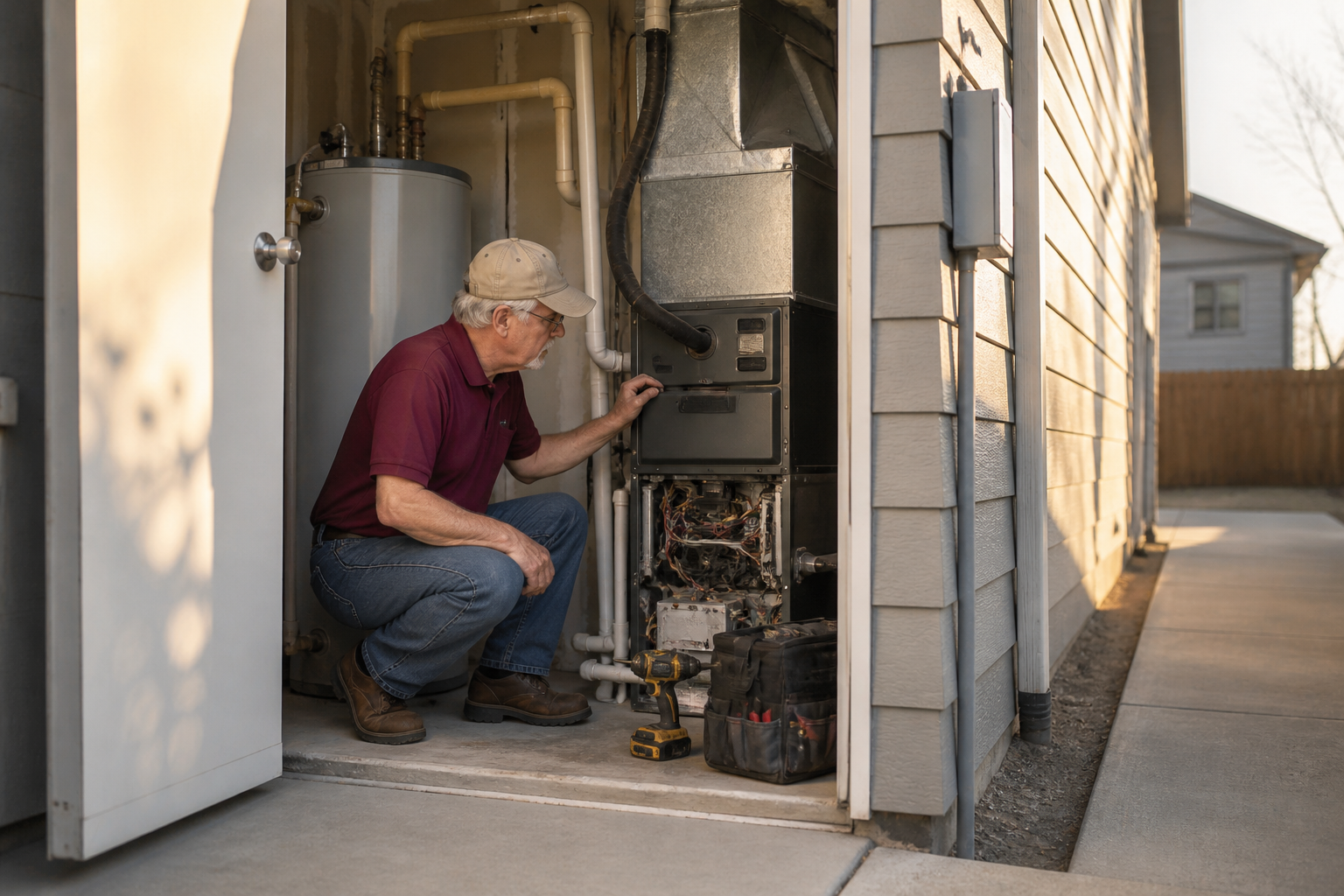
Maintenance from far away isn’t “call a plumber.” Someone has to figure out what’s wrong, schedule the work, arrange access with the resident, check that the job is finished, and chase the warranty callback if it isn’t. After a big storm, roofers and HVAC companies get booked up fast. An owner who calls once a year usually waits behind the customers those vendors hear from every week.
Leasing still needs someone on site
Online applications and lockboxes help, but leasing still means showings or controlled access, move-in condition records, keys and garage remotes, and an honest check that the home is ready to rent. When you’re remote, a mistake here usually costs you extra vacant days. Run your numbers with vacancy in them; how to analyze a rental in the Texas Panhandle shows how.
When self-managing from out of state can work
Remote self-management has a fair chance if most of these are true:
- You have a trusted local person who can get to the property within hours.
- You already have vendors you trust for HVAC, plumbing, roofing and general repairs.
- You enforce the lease the same way every time, and you document it.
- The home is in good shape: newer systems, a sound roof, little deferred maintenance.
- You can answer calls and messages during Texas business hours.
If the backup plan is to fly in when something breaks, you’re planning on airfare and extra vacant days.
When a local manager makes more sense
For most out-of-state owners, a manager is worth it when one of these is true:
- You don’t have a local system and don’t want to build one.
- You own more than one rental, or plan to. Without a process, more homes mean uneven screening, maintenance that waits too long and books that are hard to reconcile.
- Your job or travel schedule means you can’t respond quickly.
Management covers more than rent collection. It includes leasing, resident communication, inspections, maintenance coordination, records and accounting. What a property manager actually does lays out the full list.
What to require from an out-of-state property manager
If you hire, interview for the parts you can’t watch yourself. Ask for specific answers to these.
Vendors and maintenance
Who do they use for HVAC, plumbing, electrical and roofing, and who is the backup when that vendor is booked? How do they handle access with the resident? What is the dollar limit they can approve without calling you, and how fast do they answer an emergency? Ask how maintenance is billed, too: some managers add a markup to vendor invoices, and some charge a separate coordination fee.
At Blaze, emergencies are handled 24/7 and the default repair approval limit is $300. Our own in-house technicians bill with no markup. On outside vendor invoices we charge a maintenance coordination fee of 10%, capped at $500 per item.
Records you can see
Ask how requests are logged and time-stamped, where photos and invoices are stored, and whether you can see them without asking. A manager who can’t show you the trail on a past repair won’t have one for yours.
Inspections
Ask when the home is inspected and what you receive. We inspect at onboarding, move-in, move-out and renewal, and at other times on request or after something like a storm or a resident report. We don’t run scheduled semi-annual inspections.
Make-ready standards
Turnovers are where remote owners lose the most money without noticing. Ask how the manager defines rent-ready, who checks vendor work before the home is listed, and what timeline you should expect. Make-ready costs are the owner’s; the manager’s job is to keep them controlled and documented.
Reporting
Ask what arrives without you asking. Our owners get a monthly owner operational report and owner statement on the 16th, with distributions on the 15th. While a home is on the market, owners get a Marketing Performance report every Monday until a lease is signed. The owner portal has standard reports on demand, and a 1099 arrives at year end. You can see samples on our owner reports page.
Results you can check
Ask for numbers, and ask what they cover. Ours are on Blaze by the numbers, including a median of 22 days to lease across all units from October 2025 to October 2026.
Legal notices and paperwork
Distance changes how Texas notices and legal service reach you, and who may be treated as your agent. Ask any manager you interview how they handle notices, legal service and your year-end tax paperwork.
Common mistakes we see from remote owners
- Underestimating turnover. Cleaning, paint, repairs, keys, utilities and showings all have to happen in order. One slip adds vacant days.
- Letting small repairs wait. A small roof or plumbing problem can become interior damage after the next storm.
- Relying on a friend with no accountability. Informal help works until there’s a dispute and no photos, dates or receipts.
- Loosening screening to fill a vacancy. A vacant month costs less than a bad placement.
- Thinking a handyman replaces a manager. A handyman fixes things. He doesn’t handle leasing, notices, accounting or the resident.
Bottom line
Living out of state doesn’t mean you have to hire a property manager. It does mean you need a local, accountable way to handle leasing, maintenance, inspections, records and resident communication in a market where weather turns small problems into big ones fast. Build that system yourself, or hire a manager who can show you theirs. You can review our property management services to see what ours includes.
If you’d like to talk through your property, your schedule and whether management makes sense, book a management consultation.
Frequently Asked Questions
Do I have to hire a property manager if I own an Amarillo rental and live out of state?
No. Texas doesn’t require it. Self-managing from a distance works best when you have a trusted local contact, reliable vendors, a home in good condition and time to respond during Texas business hours.
What is hardest about managing an Amarillo rental from out of state?
Anything that needs a person on site: checking hail or wind damage, letting vendors in and confirming their work, showing the home and documenting move-in condition. Distance slows each of these, and slow responses cost money.
What should I ask an out of state property manager before hiring?
Ask who their vendors and backups are, their repair approval limit, how maintenance is billed, when they inspect, how they define rent-ready, and which reports you get without asking. Ask to see real examples.
How does Blaze bill maintenance for out-of-state owners?
Our in-house technicians bill with no markup. On outside vendor invoices we charge a maintenance coordination fee of 10%, capped at $500 per item. The default repair approval limit is $300.
What reports does Blaze send owners?
A monthly owner operational report and owner statement on the 16th, distributions on the 15th, a weekly Marketing Performance report every Monday while a home is on the market, on-demand standard reports in the owner portal, and a 1099 at year end.