
Amarillo investors usually underwrite taxes, repairs, and vacancy. However, amarillo rental insurance trends have quietly become the fourth leg of that stool—and lately, it’s the one wobbling.
In the Texas Panhandle, we live with wind, hail, occasional wildfire risk, and fast-changing rebuild costs. As a result, carriers are reacting with price increases, tighter underwriting, and policy changes that can turn a “solid deal” into a thin deal if you don’t catch the details early.

This post is a practical, investor-focused look at the rental property insurance trends affecting Amarillo and the broader Panhandle. We’ll cover what’s changing, why it matters, and how to underwrite smarter before insurance turns your pro forma into decorative fiction.
Amarillo rental insurance trends squeezing investor pro formas
Insurance isn’t just “up a little.” In Texas, property rates have seen sizable increases in recent years, driven by catastrophe losses, storm exposure, and rising replacement costs. For example, NOAA disaster data shows how severe weather losses have become a major cost driver across the country.
Even if you’re claim-free, you can still get hit with higher premiums. Therefore, pricing is increasingly tied to regional storm models, reinsurance costs, and replacement cost assumptions—not just your personal loss history.
For investors, the downstream impacts show up fast:
- Cash flow drops, sometimes sharply, at renewal
- Escrows jump mid-year on financed rentals
- Deductibles get bigger, meaning your “insured loss” may be self-insured until you cross that threshold
- Coverage gaps appear, especially around roofs and wind/hail
In practice, we see more deals failing the stress test when insurance is underwritten with yesterday’s numbers. In addition, investors who compare deals only by rent and purchase price may miss one of the biggest moving expenses in the file. For a broader framework, start with our guide on rental deal analysis in the Texas Panhandle.
What’s driving Amarillo-area insurance pressure
Amarillo isn’t the Gulf Coast, but we’re not low-risk either. Meanwhile, Panhandle realities still influence pricing and underwriting in a big way.
Wind and hail remain the headline risk
If you’ve owned rentals here long enough, you already know hail is not a “maybe.” Instead, it’s more like a surprise inspection from the sky.
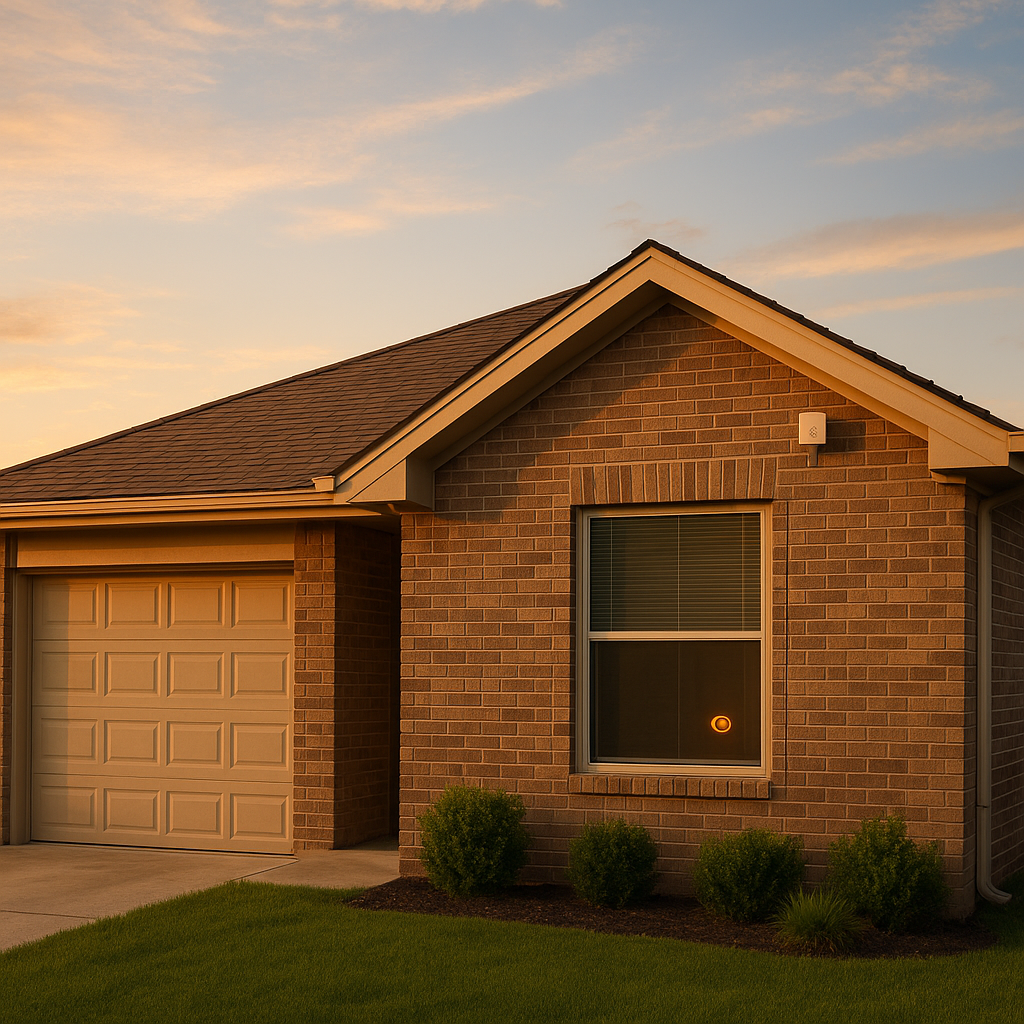
Carriers know it too. Across Texas, and especially in hail-prone regions, insurers have responded by tightening eligibility, raising deductibles, and leaning harder on roof condition and roof age. Even when a carrier still writes the policy, the price can reflect expected future losses from regional storms.
For more local context, review how Panhandle weather patterns affect rental ownership and maintenance planning.
Replacement cost inflation changes the math
Insurance doesn’t insure “market value.” Instead, it insures the cost to rebuild.
When labor and materials rise, your dwelling coverage may need to rise too. As a result, replacement cost underwriting can increase premiums even if the property’s market value has not moved much.
That creates two investor headaches:
- Premiums rise because coverage limits rise.
- If your policy doesn’t keep up, you may drift into underinsurance. Then a major loss becomes a major financial event.
Reinsurance costs and hard-market behavior
Most carriers buy reinsurance to protect themselves from big catastrophe years. When reinsurance gets more expensive or stricter, retail insurance often follows.
Still, outcomes can vary by carrier and property. One company may soften while another tightens. Therefore, your specific roof, systems, claim history, and property condition can matter more than ever.
The changes investors are most likely to feel and miss
This is where Amarillo rental underwriting often goes sideways. Investors focus on the premium and miss the terms.
1) Higher wind/hail deductibles and percentage deductibles
A $2,500 deductible is one thing. However, a percentage deductible tied to dwelling coverage is another.
Example: If dwelling coverage is $300,000 and your wind/hail deductible is 2%, that’s $6,000 out of pocket before insurance pays a dime.
That changes how you should think about reserves, especially if you own multiple roofs. In short, wind hail deductible rentals should not be treated like a footnote in the quote.
2) Roof coverage rental policy gotchas
Roofs are a pressure point statewide. Some policies are shifting roof payouts away from full replacement cost, especially on older roofs. Others may require specific roof condition standards before binding coverage.
In real life, we often see this sequence:
- An investor buys a rental with an “okay” roof
- The policy renews with new roof limitations or a higher deductible
- One storm later, the out-of-pocket cost surprises everybody
Therefore, the roof coverage rental policy language matters almost as much as the premium. Review it with your insurance agent before you rely on it in your underwriting.
3) Stricter underwriting on older homes or certain construction types
Many Amarillo rentals are older housing stock. That’s not a deal-killer, but it can trigger closer review.
Carriers may ask more questions about:
- electrical panels and wiring
- plumbing type and age
- HVAC age
- roof age and condition
- prior claim history, even from previous owners
As a result, investors sometimes learn about requirements after closing, when shopping insurance gets harder than expected. If you are comparing older homes against newer inventory, insurance should sit beside repairs, rent, and financing in the same analysis.
4) More reliance on last-resort options
When standard markets tighten, some owners explore last-resort coverage options. These can be more expensive and more limited.
For example, the Texas FAIR Plan is addressed in Texas Insurance Code Chapter 2211 as part of the state’s property insurance framework. However, investors should review texas fair plan for landlords questions with a licensed insurance agent because eligibility, coverage, and cost can vary.
We’re not insurance agents, and we’re not here to steer you into a specific product. Instead, the investor takeaway is simple: if a property may end up with constrained coverage options, price that risk into the acquisition.
How to underwrite rentals with today’s insurance reality
If you’re buying in Amarillo or expanding a portfolio, insurance should be an early step. It should not be something you “get around to” the week before closing.
Start quoting earlier than you think you need to
Don’t wait for the lender to ask. Quote during your inspection window, while you still have leverage to renegotiate or walk.
Ask for quotes that reflect:
- the correct occupancy, such as tenant-occupied rental instead of owner-occupied
- the correct policy type, such as a landlord policy instead of a homeowner policy
- the deductible structure you can actually absorb
- roof age, updates, and known condition issues
In addition, talk with your lender if insurance changes could affect escrow, debt-service coverage, or closing conditions.
Treat deductibles like a balance-sheet decision
If you “save” $700 per year in premium by taking a much larger wind/hail deductible, that’s not automatically smart. It depends on your reserves and how many properties share the same storm risk.
A Panhandle hail event can hit multiple roofs in the same week. Therefore, portfolio risk is different from single-property risk.
For deeper numbers, compare insurance assumptions with insurance costs in Texas and your own reserve plan.
Align coverage with your lease and your operational plan
Investors get burned when responsibilities are blurry. For example, renters insurance is common and smart, but it does not replace properly insuring the building.
If you require renters insurance, confirm your lease language matches your management process. Also, review with your agent what the tenant policy covers and what your landlord policy must cover.

Build an insurance shock buffer into your deal analysis
If a deal only works at today’s premium, it’s fragile. Instead, underwrite a renewal increase scenario before you buy.
You don’t need to predict the exact number. However, you do need to know whether the investment survives a meaningful jump.
This matters when you compare projected returns against Amarillo cap rates. A great cap rate can shrink fast when insurance and repairs move together.
Common bad advice we hear and why it’s expensive
“My premium only goes up if I file a claim.”
Not necessarily. Regional loss trends, reinsurance costs, and replacement cost changes can raise rates even for claim-free owners.
“I’ll just buy the cheapest policy. Insurance is insurance.”
In the current market, policy terms matter more than ever. A cheap premium paired with a roof limitation or high wind/hail deductible can become the most expensive option after one storm.
“I’ll deal with it after closing.”
Sometimes you can. However, sometimes you can’t, at least not at a price that keeps your pro forma intact.
What to do next as an Amarillo residential investor
Insurance is now part of deal selection, not just deal operation. If you’re buying or holding rentals in Amarillo, the practical play is simple.
- Quote early
- Verify deductibles and roof terms
- Review replacement cost assumptions
- Keep reserves aligned with storm risk
- Underwrite renewal increases so you don’t get surprised
If you want a second set of eyes on how insurance costs affect your rental underwriting, Blaze can help you think through the operational side before you commit. We’ll stay in our lane—real-world property operations and market practicality—and point you to an insurance pro when it’s time to get specific.
FAQ: Amarillo rental insurance and investor underwriting
Why are insurance premiums rising for Amarillo rental properties?
Premiums can rise because of regional hail and wind losses, higher rebuild costs, reinsurance costs, and tighter underwriting. A claim-free history helps, but it does not always protect you from market-wide increases.
What should landlords check in a roof coverage rental policy?
Review whether the roof is covered at replacement cost or actual cash value. Also check roof age rules, exclusions, cosmetic damage limits, and the wind/hail deductible with your insurance agent.
How should investors underwrite wind and hail deductibles?
Treat deductibles as a reserve issue, not just a premium choice. If you own several properties in the same storm path, one hail event can create multiple deductibles at once.
Does renters insurance protect the rental building?
No. Renters insurance usually protects the tenant’s belongings and certain tenant liability issues. The landlord still needs proper building coverage and should review policy details with an insurance professional.
When should an investor quote insurance on a rental purchase?
Quote insurance during the inspection period whenever possible. That gives you time to review cost, roof terms, underwriting issues, and lender requirements before closing.