
Demographic Shifts in the Panhandle: What Residential Investors Need to Know
Demographic Shifts in the Panhandle matter because people drive demand. For residential investors in Amarillo and the Texas Panhandle, changes in population, migration, household size, and neighborhood growth shape rents, vacancy, and long-term returns.
Amarillo’s population was estimated at about 203,729 in 2024, according to U.S. Census QuickFacts. That points to modest but steady Amarillo population growth, not a rocket ship. As a result, investors should think in terms of stable income, careful buying, and gradual appreciation rather than fast flips.
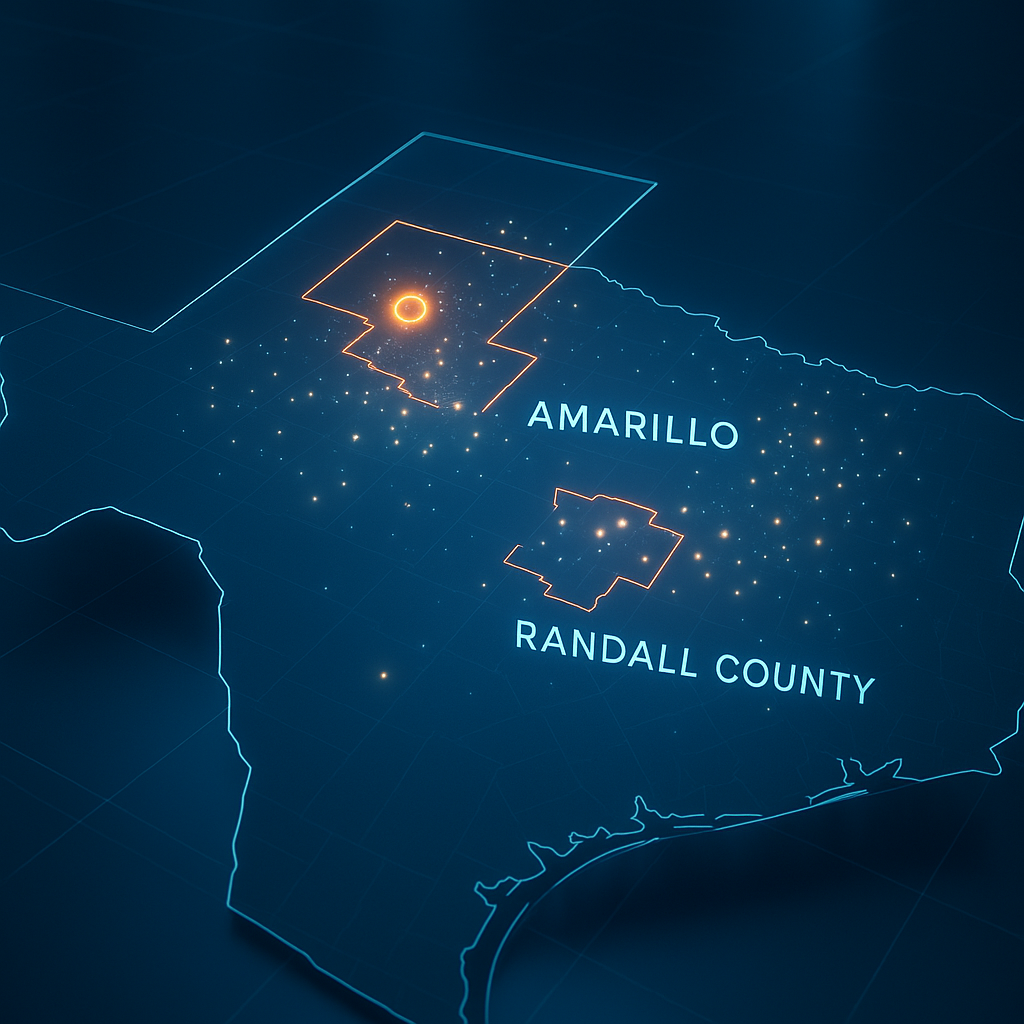
Much of the recent growth has pushed south and southwest, especially into Randall County. However, this is still a practical, price-sensitive housing market Amarillo investors need to underwrite with clear eyes.
Population Growth and Geographic Patterns
Growth is uneven across the metro area. Randall County’s portion of Amarillo grew faster between 2010 and 2020, while parts of Potter County saw softer population trends. Therefore, suburban areas remain important targets for residential investment Amarillo buyers who want steady family demand.
This shift highlights suburbs as primary growth zones. For example, newer single-family neighborhoods in Randall County may offer stronger demand from families, first-time renters, and workforce households.
Older neighborhoods can still work. However, investors may need sharper pricing, better repairs, and stronger leasing plans in areas with flat or declining population.
This suburbanization trend means investors should focus on:
- Entry-level to mid-priced family homes near schools, services, and employment hubs
- Rental properties that serve families and workforce renters moving into growing neighborhoods
- Locations where rent demand is supported by nearby jobs, roads, and daily needs
In short, location still wins. If you are comparing submarkets, start with local rent data and neighborhood demand, then review Blaze’s guide to the best Amarillo neighborhoods for rental investors.
Demographic Composition and Housing Demand
Amarillo is becoming more diverse, with a growing Hispanic and Latino population and shifting household patterns. Larger households and multigenerational living are common in the region. As a result, demand often favors practical, moderately priced homes with usable bedrooms, parking, and storage.
The workforce is tied to logistics, transportation, healthcare, education, agriculture, energy, and regional services. Meanwhile, Amarillo’s role as a hub for the Texas Panhandle real estate market supports consistent housing need across several renter types.
There is also an aging population segment. Still, demand is not only senior-driven. Accessible layouts, single-story homes, and low-maintenance properties can help broaden the renter pool.
Income growth supports housing demand, but affordability remains the gatekeeper. Therefore, investors should avoid assuming that every rent increase will stick. To keep projections grounded, review local trends and compare them with Blaze’s guide to analyzing rent growth.

Rental Market Implications
Diversified workforce growth fuels solid rental demand, especially for moderately priced apartments and small single-family rentals. In addition, homes near schools, highways, medical services, and major employers tend to have broader appeal.
Some ZIP codes may show flat or declining population. However, rental demand can remain stable if the property is close to jobs, transportation, and daily services.
Investors should watch older or outer neighborhoods with extra care. These areas may face softer rents, longer vacancy, or more repair needs. Instead of guessing, run the numbers by rent, taxes, insurance, repairs, and realistic vacancy.
For a full underwriting framework, use Blaze’s Texas Panhandle rental property analysis guide before you make an offer. A good deal on paper should still survive real-world Panhandle math, which has been known to carry a wrench and a wind advisory.
Infrastructure and Long-Term Investment Risks
One growing concern for Amarillo and the Texas Panhandle is water availability. The region sits above the High Plains Aquifer system, and long-term water planning matters for growth, agriculture, industry, and development. For background, the U.S. Geological Survey provides research on the High Plains Aquifer.
As population and industrial activity grow, water constraints may affect development costs, utility planning, and operating expenses. Therefore, investors should pay attention to water-efficient fixtures, landscaping, and local infrastructure plans.
Weather also matters here. High wind, hail, heat, and drought can affect maintenance, insurance, and tenant comfort. In addition, investors should review how Panhandle weather patterns shape rental performance before buying or renovating.
If you are considering new construction or major redevelopment, talk with your contractor, lender, insurance agent, and other qualified professionals. That extra review can help you avoid surprises that do not show up in the listing photos.

Strategic Takeaways for Residential Investors
- Focus on Randall County and expanding suburban ZIP codes. These areas show stronger growth and demand, especially for family-oriented housing.
- Target workforce and family rental housing. Steady jobs in logistics, healthcare, education, and regional services provide a reliable tenant base.
- Be cautious with stagnant areas. Opportunities exist, but they require careful pricing, strong management, and possible value-add work.
- Watch infrastructure and sustainability risks. Water, weather, and development costs can affect long-term returns.
- Run the numbers locally. Compare rent, taxes, insurance, repairs, vacancy, and exit value before buying. For market benchmarks, review current Amarillo rental cap rates.
Conclusion
The Texas Panhandle’s population trends point to a stable, income-focused market. Amarillo’s steady growth, suburban expansion into Randall County, and changing household needs support demand for affordable, family-friendly homes and workforce rentals.
However, this is not a market where every property works just because the price looks low. Investors need local data, realistic repair budgets, and a clear leasing plan.
Working with a knowledgeable local property management team can help you read neighborhood-specific trends and protect cash flow. In short, the right buy can perform well here, but the numbers need to be honest from day one.
Explore how Blaze Real Estate’s local expertise can support your investment goals in the Texas Panhandle.
FAQ
How are population changes affecting Amarillo rental demand?
Amarillo’s steady growth supports demand for moderately priced rentals, especially near jobs, schools, and services. The strongest demand is often tied to workforce and family housing.
Where should investors watch growth in the Texas Panhandle?
Randall County and south or southwest Amarillo have shown stronger growth trends. Still, each property should be reviewed by rent potential, condition, taxes, insurance, and vacancy risk.
Do older Amarillo neighborhoods still make sense for investors?
Yes, but they require careful underwriting. Older areas may offer value, but investors should plan for repairs, management needs, and possibly softer rent growth.
What property types fit current demographic trends?
Practical single-family homes, small multifamily properties, and family-sized rentals often match local demand. Homes with enough bedrooms, parking, and low-maintenance features can appeal to a wider renter pool.
What long-term risks should Panhandle investors consider?
Water availability, weather exposure, insurance costs, and infrastructure needs can affect returns. Review these items with qualified local professionals before buying or redeveloping a property.