
Living in Amarillo or the greater Texas Panhandle with your furry friend? Great—but it helps to understand pet policies, pet rent, and deposits before you sign or renew a lease.
Blaze wants you to know what to expect, what to ask, and what your responsibilities are. In short, clear rules help protect the home, the resident, the owner, and yes, even the dog who thinks every mini blind is a chew toy.

Understanding pet policies in Blaze Rentals
What Are Pet Rules?
Pet rules are the lease terms landlords set for animals in rental homes or apartments. They may cover pet type, size, number of animals, cleanup, noise, damage, and where pets can be kept on the property.
At Blaze, these rules help keep properties safe, clean, and comfortable for everyone. In addition, they help owners manage risk and set clear expectations from day one. If you own rental property, our Beginner’s Guide to Landlording explains why written lease standards matter so much in the Texas Panhandle.
Pet Deposits: What You Need to Know
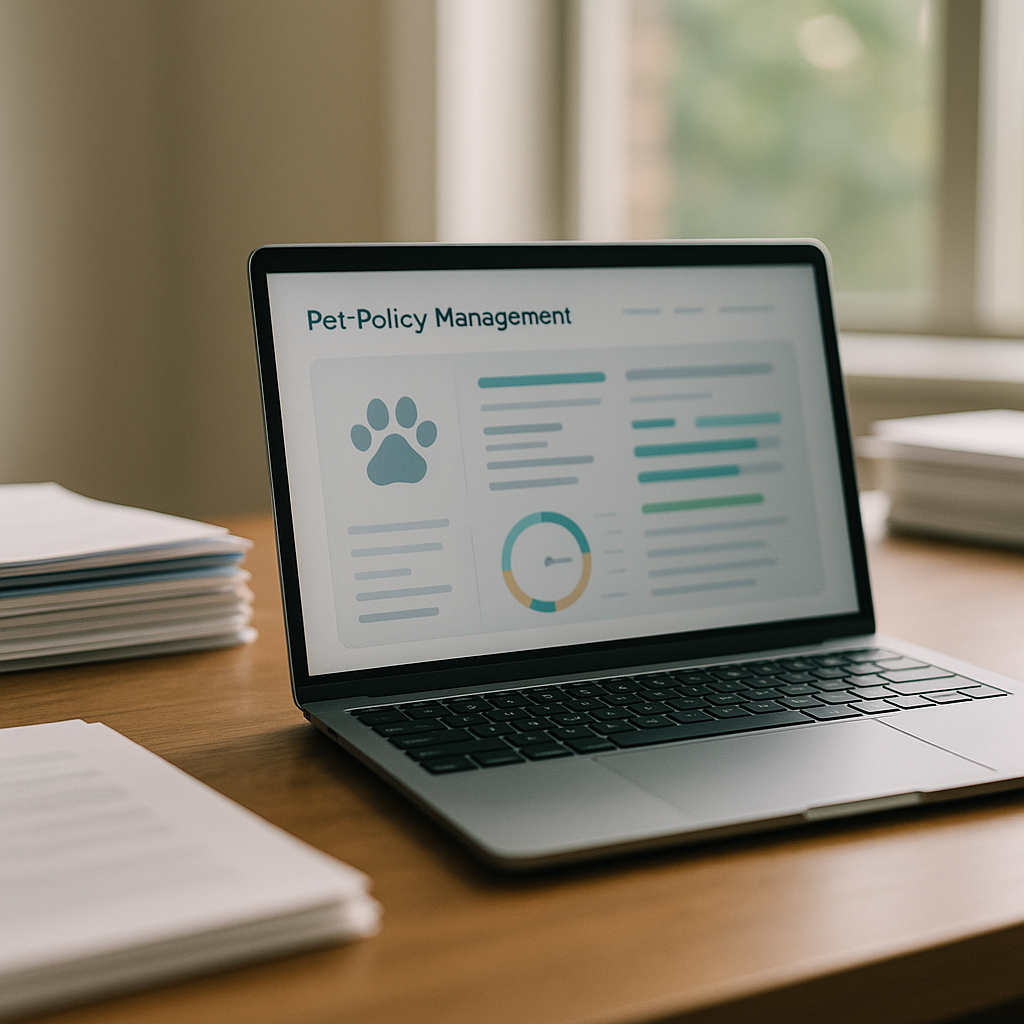
A pet deposit is usually a one-time amount paid upfront to help cover pet-related damage. However, not every charge is handled the same way. Some leases use refundable pet deposits, while others use non-refundable pet fees.
Texas pet policies should be clear in the lease or pet addendum. Therefore, read the wording closely before you pay. Texas law has specific rules for security deposits, and you can review the general framework in the Texas Property Code. For questions about your exact lease terms, consult a qualified professional.
Monthly Pet Rent
Aside from deposits or fees, some leases include monthly pet rent. This is a small added monthly charge that helps account for normal pet-related wear and tear.
For example, pet rent may help offset extra cleaning, yard wear, odor treatment, or higher maintenance risk. It is not required in every lease, but you should expect it in many modern rental agreements.
Restrictions You Should Expect
Landlords often set limits based on:
- Pet type, size, and breed, especially when insurance or safety rules apply.
- Number of pets, often capped at two per residence.
- Proof of vaccinations, registration, or a brief pet profile.
- Behavior standards, including noise control, waste cleanup, and damage prevention.
Meanwhile, these rules should be applied consistently and documented clearly. Owners who want a smoother resident experience should also build a strong rental move-in flow so pet terms are explained before keys are handed over.
Service and Emotional Support Animals: Special Considerations
Not all animals are treated as “pets” under fair housing rules. Service animals and emotional support animals may qualify as assistance animals, depending on the facts and required documentation.
In general, approved assistance animals are not charged pet deposits, pet fees, or pet rent. However, residents may still be responsible for actual damage caused by the animal. The U.S. Department of Housing and Urban Development offers helpful guidance on assistance animals under fair housing rules.
- Service animals and emotional support animals are handled differently than ordinary pets.
- Breed, size, or weight limits may not apply in the same way to approved assistance animals.
- Documentation may be requested for an emotional support animal when the need is not obvious.
- Still, the animal must not create a direct threat or cause serious property damage.
What Happens if You Violate Pet Rules?
Bringing in an unauthorized pet can create a lease violation. The same is true if a pet causes repeated noise issues, damage, sanitation problems, or safety concerns.
As a result, residents may receive a notice to correct the issue, pay allowed charges, remove an unauthorized animal, or repair damage. If the problem continues, the owner may have other remedies under the lease and Texas law. For owners, consistent documentation is key when tenants break lease rules.
Tips for Blaze Residents
- Always read your lease and pet addendum before bringing an animal home.
- Ask whether charges are refundable pet deposits, non-refundable fees, or monthly pet rent.
- Submit service animal or emotional support animal documentation early when applicable.
- Tell your property manager if your pet situation changes.
- Keep your pet’s behavior respectful. Noise, damage, and waste complaints can affect your standing.
In addition, take photos at move-in and report concerns early. Good records help both sides avoid confusion later. For property owners, strong systems also help reduce legal risk across day-to-day management.
In Conclusion
Navigating pet rules, deposits, and rent does not have to be complicated. At Blaze, clear communication and a clear lease help protect your home, your pet, and your peace of mind.
Need help or have questions about your pet terms? Reach out to your Blaze property manager. We are here to keep things practical, fair, and smooth across Amarillo and the Texas Panhandle.
Pet Policy FAQ
Can a Texas landlord charge pet rent?
Yes, many Texas leases include pet rent. The amount and terms should be listed clearly in the lease or pet addendum.
Are pet deposits refundable?
They can be, but not always. Review your lease to see whether the charge is a refundable pet deposit or a non-refundable pet fee.
Can service animals be charged pet rent?
Generally, approved service animals are not charged pet rent, pet fees, or pet deposits. Residents may still be responsible for damage caused by the animal.
Are emotional support animals treated like pets?
Not always. An emotional support animal may qualify as an assistance animal under fair housing rules when proper documentation supports the request.
What should I do before bringing a pet into a Blaze rental?
Read your lease, confirm all fees and limits, submit any required documents, and get written approval before the pet moves in.