
damage vs normal wear and tear: Why It Matters for Amarillo Renters
As a renter in Amarillo or the Texas Panhandle, it pays to understand damage vs normal wear and tear before move-out day sneaks up on you. This difference can affect your security deposit, your rental history, and your relationship with your property manager or landlord. In simple terms, routine wear comes from normal use. Damage usually comes from neglect, misuse, accidents, or a guest who treated the house like a rodeo arena.
As a result, knowing the line between the two can save you money and prevent disputes when you move out.
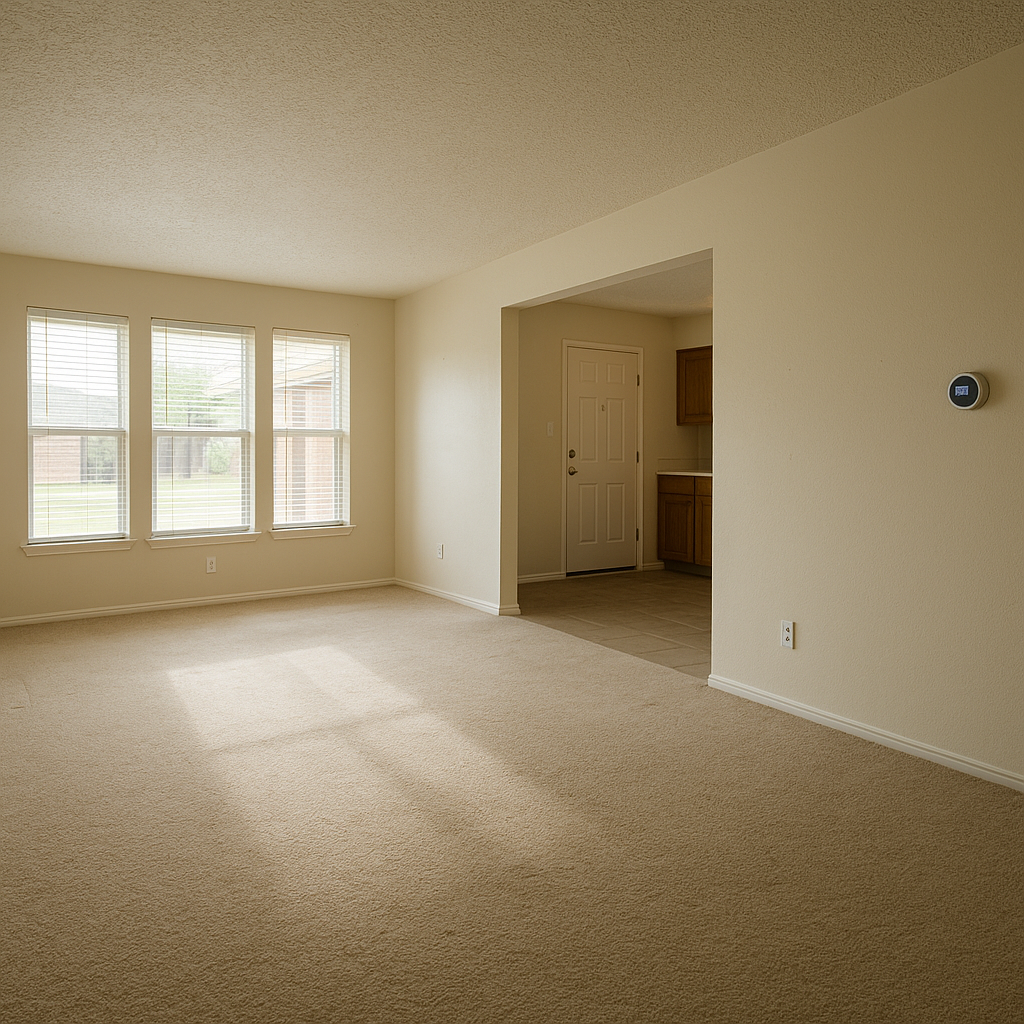
Defining Normal Wear and Tear in Texas Rentals
Normal wear and tear is defined under Texas law as deterioration that results from the intended use of a property, not from negligence, carelessness, accident, or abuse. You can review the Texas Property Code language on security deposits and normal wear through the Texas Property Code.
Over time, carpets fade, paint dulls, and doors start to squeak. These are signs the home is aging and being lived in. However, they do not usually show carelessness.
Here are some common examples of Texas rentals wear and tear:
- Slight fading or wear in carpet and flooring in high-traffic areas
- Minor scuffs, small nail holes, or faint wall marks
- Faded or peeling paint due to age
- Light scratches on wood or tile surfaces
- Appliances that show signs of typical use
In addition, a clean move-in process helps everyone start on the same page. Landlords and managers can reduce confusion by using a clear rental move-in flow with photos, checklists, and written expectations.
What Counts as Damage?
Damage happens when a tenant, pet, or guest causes harm beyond normal use. It may be accidental or intentional. Still, it is usually something a reasonable person would not call routine living.
Examples of damage include:
- Large holes, cracks, or gouges in walls
- Significant carpet stains, burns, or pet damage
- Broken windows, torn screens, or cracked glass
- Water damage caused by ignoring leaks or spills
- Missing or broken fixtures and appliances due to negligence
For example, a few small nail holes may be normal. A wall-mounted TV that leaves torn drywall, loose anchors, and a surprise electrical adventure is another story.
Meanwhile, landlords should handle problems consistently and document each step. If a tenant repeatedly ignores lease terms, our guide on tenants who break lease rules explains how to respond without making the problem worse.

Why It Matters for Your Security Deposit
Texas law requires landlords to separate normal wear from tenant-caused damage when deciding how to handle a security deposit. They generally cannot charge you for repairs caused only by ordinary use. However, they may deduct costs for damage caused by neglect, misuse, or abuse.
In Amarillo, many move-out disputes come down to photos, timing, and written records. Therefore, security deposit deductions Amarillo renters face should be tied to clear evidence and actual repair needs. If deductions are made, you should receive an itemized list as required by Texas law.
In short, good documentation protects both sides. Property owners can also lower risk by building consistent systems; our property management risk guide covers practical ways to keep operations clean and organized.

Tips for Preventing Damage and Staying in Good Standing
- Report maintenance issues early to avoid worsening problems.
- Avoid unauthorized changes, such as painting or mounting heavy items without permission.
- Clean regularly to prevent stains, odors, and buildup.
- Use furniture pads and rugs in high-traffic areas to reduce wear.
- Take move-in and move-out photos, especially of floors, walls, appliances, and bathrooms.
- Put repair requests in writing so there is a clear record.
Also, remember that renter damage vs normal wear can look different depending on the age and condition of the property. A ten-year-old carpet will not be judged the same way as brand-new flooring. Instead of guessing, ask your landlord or property manager what standards they use at move-out.
Final Thoughts
Understanding the difference between damage and ordinary wear is key to a smoother rental experience in the Texas Panhandle. If you communicate quickly and care for the home reasonably, you reduce the chance of a deposit dispute.
When in doubt, document the home’s condition and agree on expectations upfront. For Amarillo renters, the sensible path is simple: keep the home clean, report issues fast, and know what counts as routine use versus real damage.
If you manage rentals or are thinking about becoming a landlord, start with our Panhandle landlording guide. It gives a practical local overview of rental expectations, tenant communication, and property management basics.
If you have questions about a specific situation, reach out to a local property management professional or consult a qualified professional when legal guidance is needed.
FAQ
What is normal wear and tear in a Texas rental?
Normal wear and tear is the expected decline from ordinary use, such as faded paint, light carpet wear, or small scuffs. It does not include damage from neglect, misuse, accident, or abuse.
Can a landlord charge for carpet replacement in Amarillo?
A landlord may be able to deduct for carpet damage beyond normal use, such as stains, burns, or pet damage. They generally should not charge for ordinary aging or light wear.
How can renters protect their security deposit?
Take dated photos at move-in and move-out, report repairs in writing, clean before leaving, and follow the lease. Good records help prevent confusion later.
Are nail holes considered damage?
Small nail holes may be considered normal wear in many cases. Large holes, wall anchors, torn drywall, or excessive holes may be treated as damage.
What should I do if I disagree with deposit deductions?
Ask for an itemized list, compare it with your photos and lease, and respond in writing. If the dispute continues, consider speaking with a qualified professional.