
Buying a home in Amarillo is exciting—until you realize you’re about to own every quirk, rattle, and drip the moment you close. If you can attend buyer home inspection appointments in person, do it.
That inspection time isn’t “optional if you’re busy.” Instead, it is one of the most practical, high-leverage things you can do as a first-time buyer. You are not there to become an inspector in two hours. However, you will understand the house in a way a PDF report can’t fully deliver.
Before you get this far, it also helps to know what to look for while touring homes in Amarillo. A sharp tour can help you spot questions before the inspection even starts.
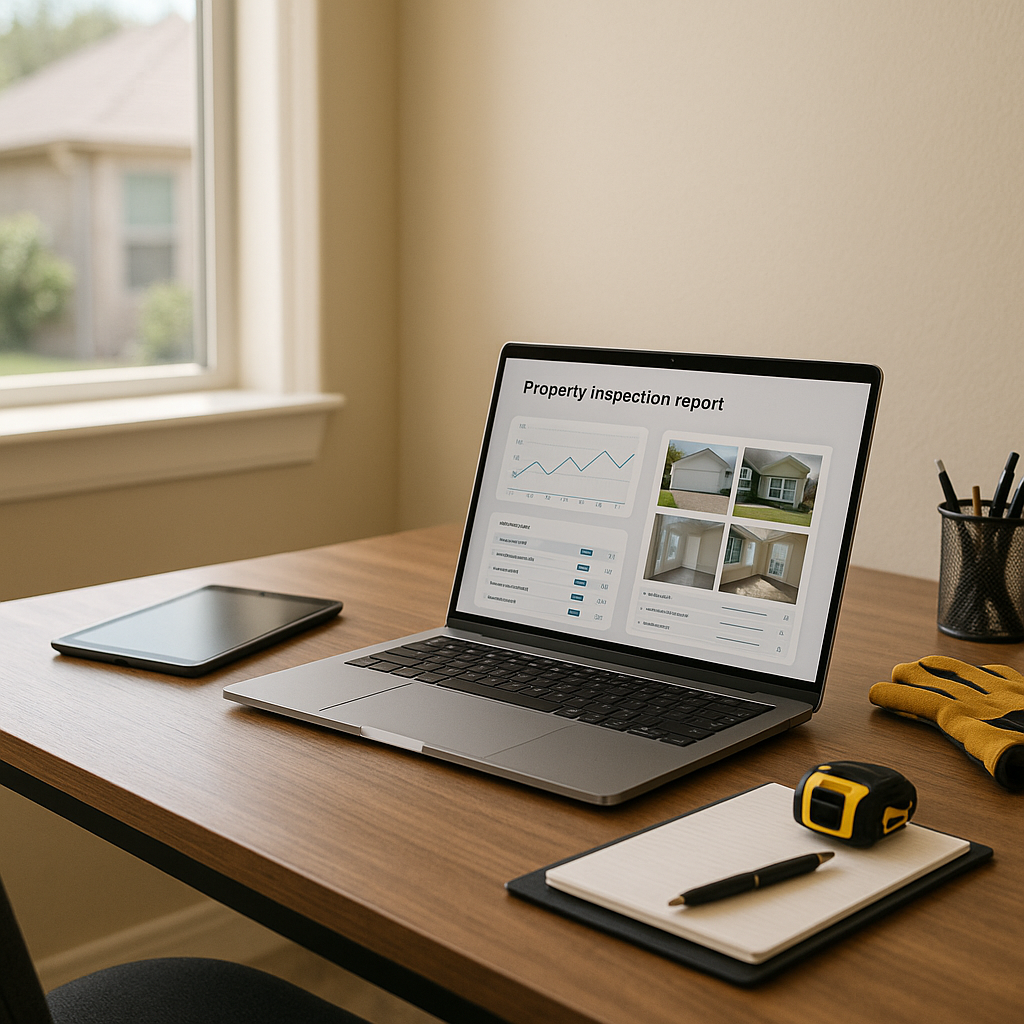
Why attend buyer home inspection before closing?
You’re not attending to hover or to argue with the inspector. Instead, you’re attending to:
- See issues in context (a photo of a crack is not the same as seeing where it is and what’s around it)
- Ask questions in real time (“Is this normal wear or a red flag?” “What would you do if this were your house?”)
- Learn how the home works (shutoffs, filters, drains, panels, attic access, HVAC basics)
- Avoid expensive misunderstandings (some findings are “monitor,” some are “fix soon,” and some are “stop the train”)
In practice, we often see first-time buyers get overwhelmed by inspection reports. As a result, being there helps you sort the report into what matters now and what is normal homeowner maintenance.
What happens at home inspection appointments?
Most inspections run roughly 2–4 hours. However, the exact time depends on the home’s size, age, and access.
The inspector is typically doing a visual evaluation of major systems. That often includes the roof, structure, electrical, plumbing, HVAC, attic, crawlspace if accessible, windows, doors, appliances that convey, and general safety items.
In Texas, home inspectors are licensed and regulated by the Texas Real Estate Commission. Still, inspection scope can vary by property and by any extra services you order.
You’ll usually get a written report with photos afterward, often within 24–48 hours.
A key point: a home inspection is not a “pass/fail.” Instead, it is an information and risk tool. It helps you decide what to negotiate, what to budget for, and what you’re comfortable owning.
What you learn in person that the report can’t fully teach
1) Which problems are “normal old house” vs. “this could get pricey”
In the Texas Panhandle, a lot of homes have age, wind exposure, and everyday wear from big temperature swings. The report may list 30 items. However, not all 30 carry the same weight.
For example, foundation notes can sound scary on paper. If you want to sharpen your eye before the inspection, review how to spot foundation problems during showings.
When you’re there, you can ask:
- “If this doesn’t get fixed before closing, what’s the realistic risk?”
- “Is this likely active movement or typical settling?”
- “What would you budget for this in the next 12–24 months?”
That conversation is hard to recreate after the fact. In short, the inspector’s tone and context matter.
2) How to operate and maintain the home
First-time buyers often don’t know what they don’t know. That’s normal.
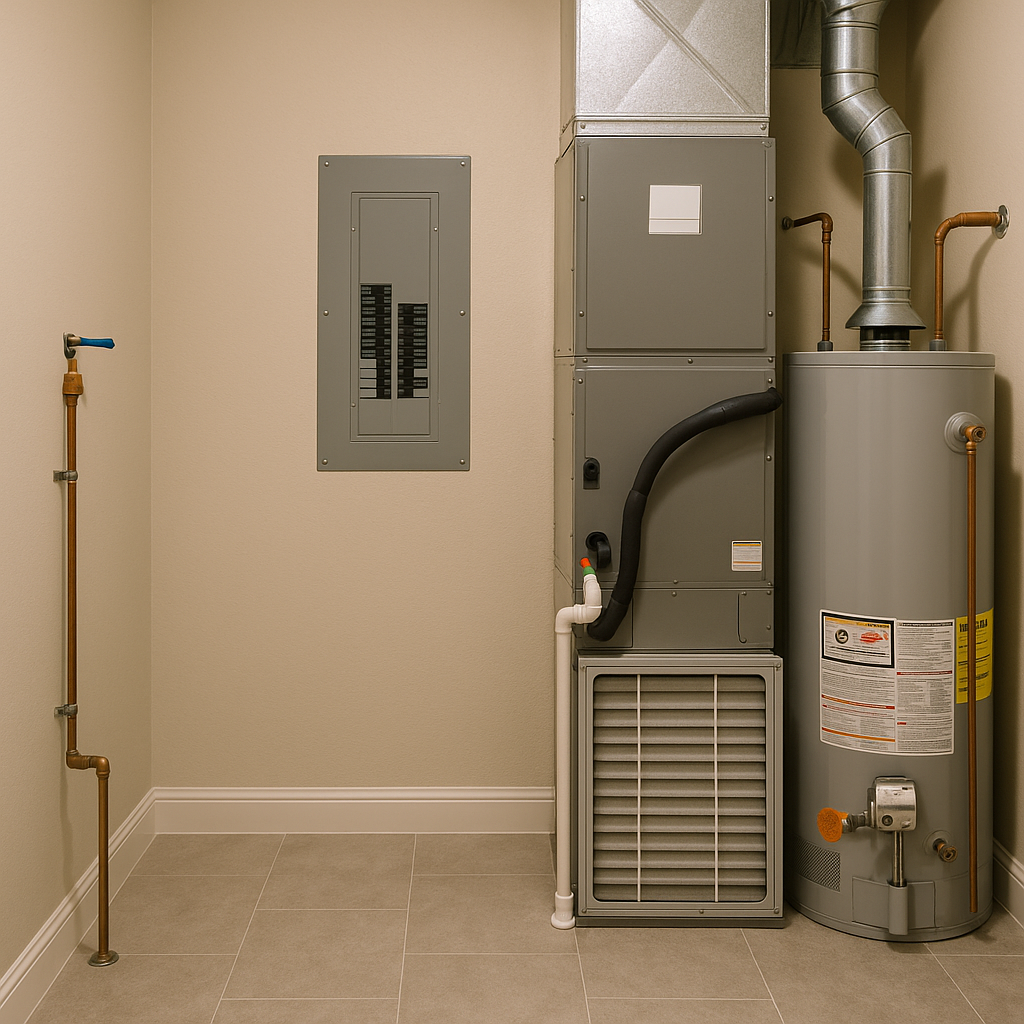
At the inspection, you can locate and understand:
- main water shutoff
- electrical panel and labeling
- gas shutoff, when applicable
- HVAC filter location and size
- water heater basics, including pan, venting, and age
- attic access points and what “good ventilation/insulation” looks like
Think of it as “Homeownership Orientation.” In addition, it gives you a head start on maintenance before the first weird noise shows up at 11:00 p.m.
3) The “small” stuff that becomes daily-life annoying
Reports focus on function and safety. However, being present helps you notice things you’ll feel every day:
- sticky doors
- odd drainage or standing water outside
- window operation
- noisy fans
- poor airflow in certain rooms
Those issues are not always deal-killers. Still, they can affect your comfort and budget.
Common issues inspectors often call out
Every house is different. However, inspectors in Amarillo and the Texas Panhandle often flag a few common themes.
Water and drainage
Water is the quiet budget-wrecker. Poor grading, clogged gutters, or downspouts dumping next to the foundation can create moisture problems over time.
If an inspector points out drainage concerns, attending helps you see where the water is likely going. As a result, you can better understand what a fix might look like.

Roof and exterior wear
Amarillo wind and hail seasons are real. You may hear notes about shingles, flashing, exposed fasteners, or soft spots on older roofs.
Seeing the roof condition explained in person helps you understand the level of concern. For example, you may be looking at routine maintenance, or you may be looking at a near-term replacement conversation.
HVAC performance and age
HVAC is one of the biggest “surprise” expenses for first-time buyers. Inspectors will note age, condition, and basic operation as conditions allow.
Being there lets you ask about maintenance clues, filter condition, and what’s typical for that system. However, if a deeper opinion is needed, review next steps with your agent and a licensed HVAC professional.
Electrical and safety items
Sometimes it’s simple, like missing GFCI protection or reverse polarity outlets. Sometimes it is more serious, like overloaded panels or questionable wiring.
It’s useful to hear the inspector explain severity and next steps. In addition, you can ask whether a licensed electrician should evaluate the item before you make a repair request.
What home inspectors do—and what they don’t
This is where a lot of buyer frustration comes from, so let’s be clear.
Inspectors generally do:
- visually evaluate accessible areas
- test typical operation of systems and fixtures
- document concerns with photos and notes
- recommend further evaluation when something looks beyond the scope
Inspectors generally don’t:
- open walls, move heavy furniture, or do invasive testing
- guarantee future performance, because they are reporting what they can see that day
- provide specialty opinions outside the standard inspection unless you add services
If the inspector says, “Recommend licensed specialist,” that’s not them being vague. Instead, they are telling you the risk may require a deeper look than a general inspection allows.
Questions to ask home inspector during the appointment
You don’t need a tool belt. However, you do need a simple plan.
Here are practical questions to ask home inspector while you are there:
- What are the biggest safety concerns?
- What are the biggest budget concerns?
- What should I maintain first after closing?
- Would you recommend a licensed specialist for this item?
- Is this common for the age of the home?
In short, focus on risk, cost, and urgency. Cosmetic flaws can wait their turn.
How to prepare so you get maximum value
You don’t need to shadow the inspector like a detective in a tiny attic. Instead, use a calm, helpful approach.
- Show up on time because inspectors run a tight schedule.
- Let the inspector work and save most questions for natural pauses.
- Bring a notepad or use your phone notes.
- Ask for the “big three”: safety issues, budget issues, and maintenance items.
- Expect imperfections, especially in older Panhandle homes.
One more practical tip: plan to attend at least the last 45–60 minutes if you absolutely can’t be there the whole time. That’s often when the inspector summarizes the major findings.
Bad advice we hear
“Just read the report; it’s the same thing.”
Not really. The report is essential. However, being present helps you understand urgency and context.
“If it’s on the report, the seller has to fix it.”
That’s not how it usually works. Repairs are a negotiation, and not every issue is reasonable to request.
A smart strategy focuses on safety, functional defects, and meaningful deferred maintenance. Instead, skip the cosmetic nitpicks unless they are tied to a real defect.
“New build means you can skip the inspection.”
New homes can have issues too. Different issues, sometimes—but still issues.
How to read inspection report findings after the appointment
Once you have the report and your in-person notes, slow down before you panic. Inspection reports are designed to document defects, so they can feel harsher than the house felt in person.
For a deeper breakdown, read our guide on inspection report findings. It will help you understand what is urgent, what is normal, and what may need a bid.
- Separate items into buckets: safety, major systems, water intrusion, “nice to fix,” and maintenance.
- Talk strategy with your agent about what’s worth negotiating, what’s worth budgeting, and what’s noise.
- Get bids when needed, especially for big-ticket items.
- Make a decision you can live with, because you’re the one living there.
Home inspection negotiation tips for buyers
After the inspection, your repair request should be clear and strategic. Therefore, focus on items that affect safety, financing, insurability, function, or meaningful cost.
For example, you might ask for a repair, a price adjustment, or a seller credit. If a credit makes more sense, use this guide on how to ask for a seller credit without turning the deal into a boxing match.
Still, every contract and situation is different. Review options with your agent, and consult a qualified professional when a specialist opinion is needed.
The bottom line
Attending your buyer home inspection helps you make a confident decision—not a hopeful one. You’ll understand the home’s real condition, learn how it operates, and avoid misreading the report.
If you’re a first-time buyer in Amarillo, we’ll help you go into the inspection with the right expectations. In addition, we’ll help you ask better questions and translate the findings into a clear next step—whether that’s negotiating repairs, adjusting your budget, or walking away from a deal that doesn’t make sense.
FAQs about attending a home inspection
Should I attend the entire home inspection?
If you can, yes. If your schedule is tight, try to attend the final 45–60 minutes so you can hear the summary and ask questions.
What should I bring to a home inspection?
Bring your phone, a notepad, and any questions you already have. You do not need tools or special equipment.
Can I ask the seller to fix everything in the inspection report?
You can ask, but that does not mean it is a smart strategy. Focus on safety, major systems, water issues, and meaningful defects.
How soon do buyers usually get the inspection report?
Many inspectors deliver the report within 24–48 hours. Timing can vary, so confirm the expected delivery time when you schedule.
What if the inspector recommends a specialist?
That usually means the issue needs a deeper review. Talk with your agent about whether to request access, get a bid, or adjust your negotiation plan.