
Selling your first home while trying to buy the next one can feel like juggling a cactus in a West Texas windstorm. In plain terms, the challenge is how to time sale buying next home decisions without owning two homes longer than planned, becoming temporarily homeless, or making panicked choices.
This guide walks you through practical, real-world timing options we use in Amarillo and the Texas Panhandle. In addition, it is built for first-time home sellers who have not lived through the “sell + buy” puzzle yet.
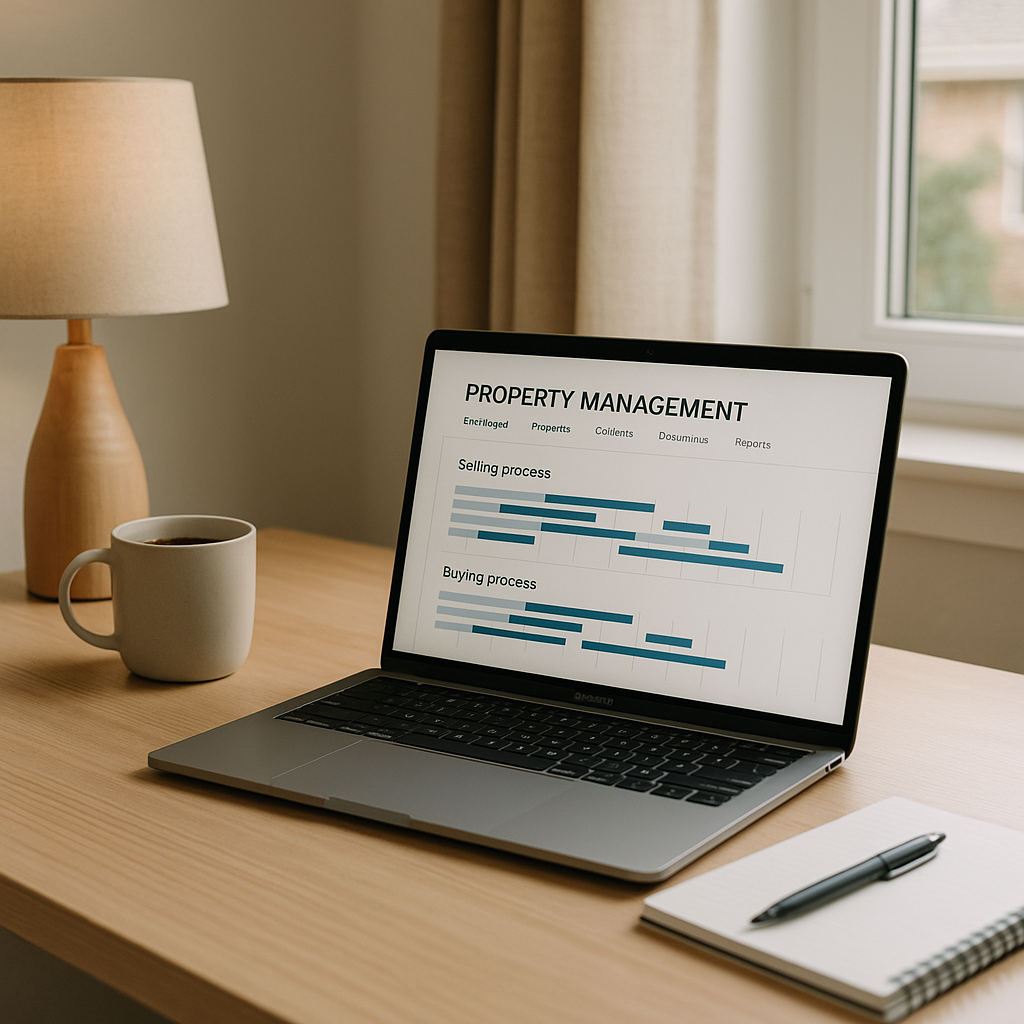
The real problem: two timelines that don’t naturally match
When you sell, you deal with showings, offers, inspections, appraisal, buyer financing, and a closing timeline.
Meanwhile, when you buy, you deal with finding the right home, competing with other buyers, negotiating repairs, and your lender’s underwriting timeline.
Those two tracks can align. However, you need to pick a strategy on purpose, instead of hoping the market magically cooperates.
If you are still building your overall plan, start with our guide on how to sell a house in Amarillo. It gives you the bigger picture before you start lining up dates.
How to time sale buying next home decisions
The best timing plan depends on your equity, your loan approval, your risk tolerance, and the kind of home you want next. Therefore, there is no one “perfect” order that works for every seller.
Instead, think of your options as a short menu. Each one solves one problem while creating another.
Timing strategy #1: sell first, then buy
This is the cleanest strategy financially.
You list and sell your current home, close, and then shop with cash or a stronger down payment ready to use.
When “sell first” makes sense
- You need your current equity for the down payment
- You want to avoid two mortgage payments
- You are buying in a market where homes are available and you can be patient
The tradeoff
The risk is the “gap.” If your home sells quickly but your next home is not lined up, you may need a temporary plan.
In practice around Amarillo, many sellers solve this with a short-term rental, staying with family briefly, or negotiating a possession timeline that gives them breathing room. For example, a rent back after closing may help if the buyer can wait to move in.
Still, if you sell first then buy house options later, you need a clear backup plan before the sign goes in the yard.

Timing strategy #2: buy first, then sell
This is the comfort-first approach. You secure the next home, then you list your current home.
When “buy first” makes sense
- You can qualify to carry both homes for a short time
- You are trying to buy something hard to find, such as a specific school zone, shop space, or acreage
- You must move on a fixed timeline
The tradeoff
The risk is carrying cost and pressure. If your current home takes longer to sell than expected, you may be stuck paying two mortgages, two insurance policies, and two utility stacks.
As a result, you may start making price decisions from a place of stress. That is rarely where good math lives.
If you plan to buy house before selling current property, talk with your lender early. Also, ask your agent to run conservative net proceeds and likely days-on-market numbers.
Timing strategy #3: write an offer with a home-sale contingency
A home-sale contingency means your purchase depends on successfully selling your current home.
What to know in the Panhandle
This can work, but it is often less competitive. That is especially true if the home you want has other interested buyers.
However, a home sale contingency offer is not “wrong.” It is just a lever with a cost.
You may need to offer stronger terms elsewhere, such as price, earnest money, repair limits, or flexibility. In addition, your current home needs to be priced well, because a weak listing can weaken your purchase offer too.
If pricing is part of the concern, review the worst pricing mistakes Panhandle sellers make before you choose this route.
Timing strategy #4: negotiate a leaseback or temporary possession
A leaseback is when you sell your home, close, and then stay in the home for a short period as a tenant while you finish your move.
This can be a fantastic timing tool because it reduces the chance you have to move twice.
Why buyers sometimes agree
Some buyers can be flexible on move-in dates. For example, they may be relocating from out of town, living with family temporarily, or finishing a lease.
Practical caution
Leasebacks need to be documented correctly. The agreement should address rent, deposit, liability, and the exact move-out date.
In Texas, agents often use the TREC Seller’s Temporary Residential Lease when it fits the deal. Still, review the details with your agent and consult a qualified professional if you have legal questions.
This is where a good agent earns their keep, because “handshake occupancy” is where problems are born.
Timing strategy #5: bridge loan or other short-term financing
A bridge loan, or similar short-term financing, can allow you to buy before you sell by using equity in your current home.
The tradeoff
These loans can be expensive, and qualification can be strict. Therefore, you will want to talk with your lender early, understand total costs, and have a realistic plan for how long you may carry the loan.
We are not a lender, and this is not financial advice. Instead, think of this as a heads-up that the tool exists and is not magic.
The timeline you actually need to plan, in plain English
Here is the part most first-time sellers miss: you are not timing “the market.” You are timing process milestones.
You generally want to work backward from your ideal move date and account for:
- prep time, including repairs, cleaning, and photos
- days on market, which varies by price point and condition
- contract-to-close time, often around 30 to 45 days depending on financing
- your next home’s closing timeline
The CFPB closing guide explains key closing steps buyers should expect. Meanwhile, sellers should plan for inspection, appraisal, title work, lender review, and funding delays.
If you are trying to line up two closings, you are aiming for a controlled overlap. In short, you want a plan, not a stressful scramble.
Also, review ways to avoid closing delays before you build a tight schedule. A tiny paperwork issue can feel much bigger when a moving truck is waiting.
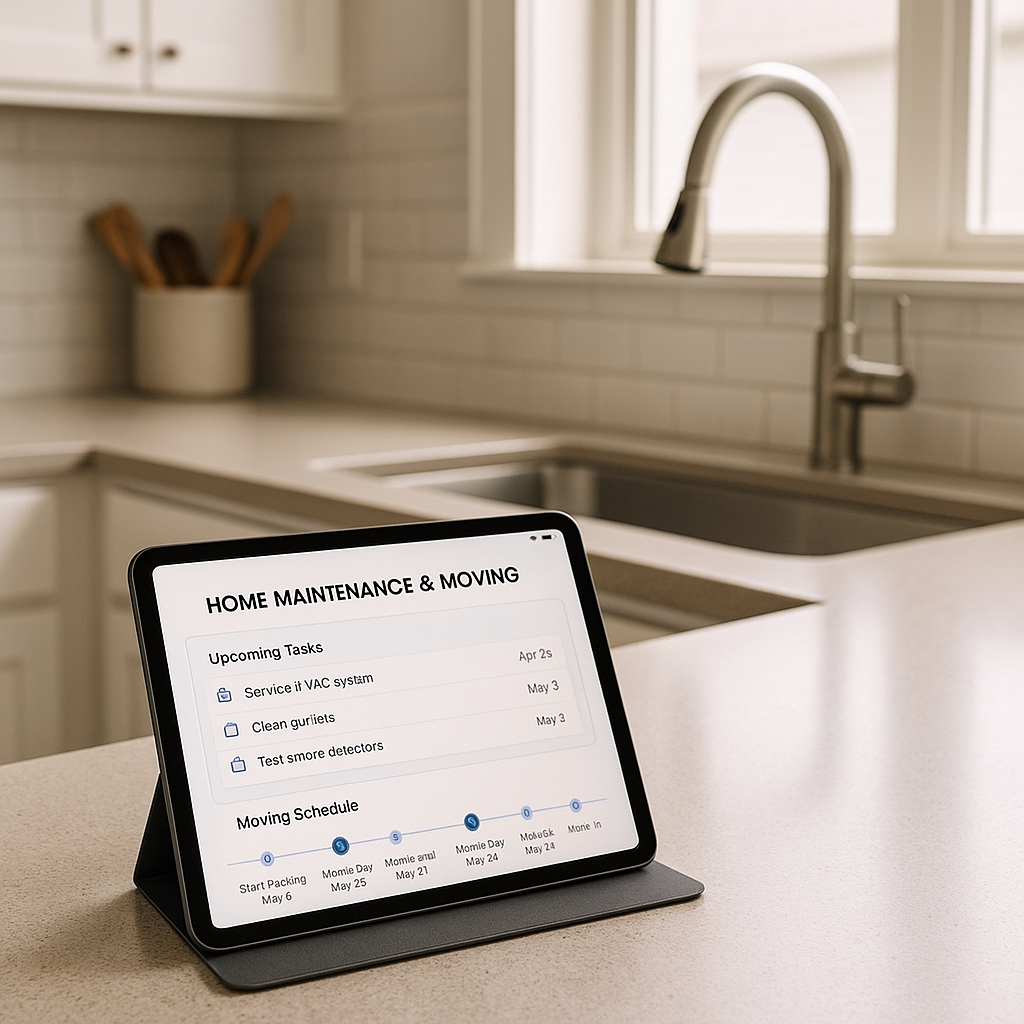
Seasonal timing: what tends to happen, and what it doesn’t guarantee
Nationally, spring often brings more buyers, and homes can sell faster in April and May. That is generally true here too, especially when families want to move during summer break and the market wakes up.
However, Amarillo and the Panhandle do not always follow national headlines perfectly. Weather events, oil and gas job shifts, interest rate changes, and local inventory can change the feel of a season quickly.
So yes, seasonality matters. But your pricing, condition, and strategy matter more than trying to pick the perfect week.
Common mistakes first-time home sellers make with timing
- Waiting to “start looking” until the house is under contract
You can tour homes, talk to lenders, and narrow your target areas before you list. That way, you do not panic-buy just because your house sold fast. - Assuming your home will sell instantly because a neighbor’s did
One great sale on your street does not mean yours will perform the same. Condition, layout, updates, and pricing matter. - Trying to time the exact bottom for buying and the exact top for selling
Most people do not need perfection. Instead, they need a plan that prevents expensive mistakes. - Not having a Plan B for the gap
If you sell first, you need a backup housing plan. If you buy first, you need a backup financial plan.
A simple decision framework, quick and realistic
If you are a first-time home seller, here is a practical way to choose:
- If you need the equity to buy, lean toward sell first or a contingency
- If you can carry both and need certainty of landing the next home, consider buy first
- If you hate moving twice, prioritize leaseback or temporary possession options
- If you want flexibility but do not want to gamble, plan an overlap with clear dates and a backup plan
In addition, consider how your offer may look to the seller on the next home. Sometimes, smart seller concession strategies can help a deal work without simply throwing more money at the problem.
Final thoughts: timing is a strategy, not a guess
Lining up your sale and next purchase is not about predicting the market. It is about choosing the right sequence, whether that is selling first, buying first, using a contingency, negotiating a leaseback, or exploring bridge financing.
In addition, it is about building enough margin into the calendar so you can make good decisions under normal pressure, not emergency pressure.
If you are selling in Amarillo or somewhere in the Texas Panhandle, we can help you map the timing, evaluate the risks of each route, and build a plan that fits your finances and your move date. No chaos required.
FAQs about selling and buying at the same time
Is it better to sell first or buy first?
It depends on your equity, loan approval, and risk tolerance. Selling first is often cleaner financially, while buying first can give you more control over where you move next.
Can I make an offer on a house before my current home sells?
Yes, you may be able to make a home sale contingency offer. However, the offer may be less competitive if the seller has other strong buyers.
What is a rent back after closing?
A rent back after closing lets the seller stay in the home for a short period after closing. The terms should be written clearly and reviewed with your agent.
How much time should I plan between selling and buying?
Many closings take about 30 to 45 days, but timing varies by financing, inspections, appraisal, title work, and negotiation. Build in a backup plan if your dates are tight.
Can Blaze help coordinate both timelines?
Yes. Blaze can help Amarillo and Texas Panhandle sellers compare timing options, prepare the listing, and plan the move with fewer surprises.