
Buying your first home in Amarillo can feel simple right up until the inspection report lands in your inbox—40 pages, 80 photos, and enough red text to make you wonder if the house is being held together by hope and caulk. In short, understanding the inspection report meaning for buyers helps you stay calm, ask better questions, and avoid turning every loose outlet cover into a crisis.
Here’s the truth: most homes, even good ones, do not “pass” an inspection with a clean scorecard. That is because inspections are not pass/fail. Instead, a home inspection report is a risk-and-maintenance document. Your job is to separate serious problems from normal homeowner stuff, then decide what you want to negotiate, budget for, or walk away from. If you are still early in the process, it also helps to know before touring homes what kinds of issues are common in Amarillo properties.
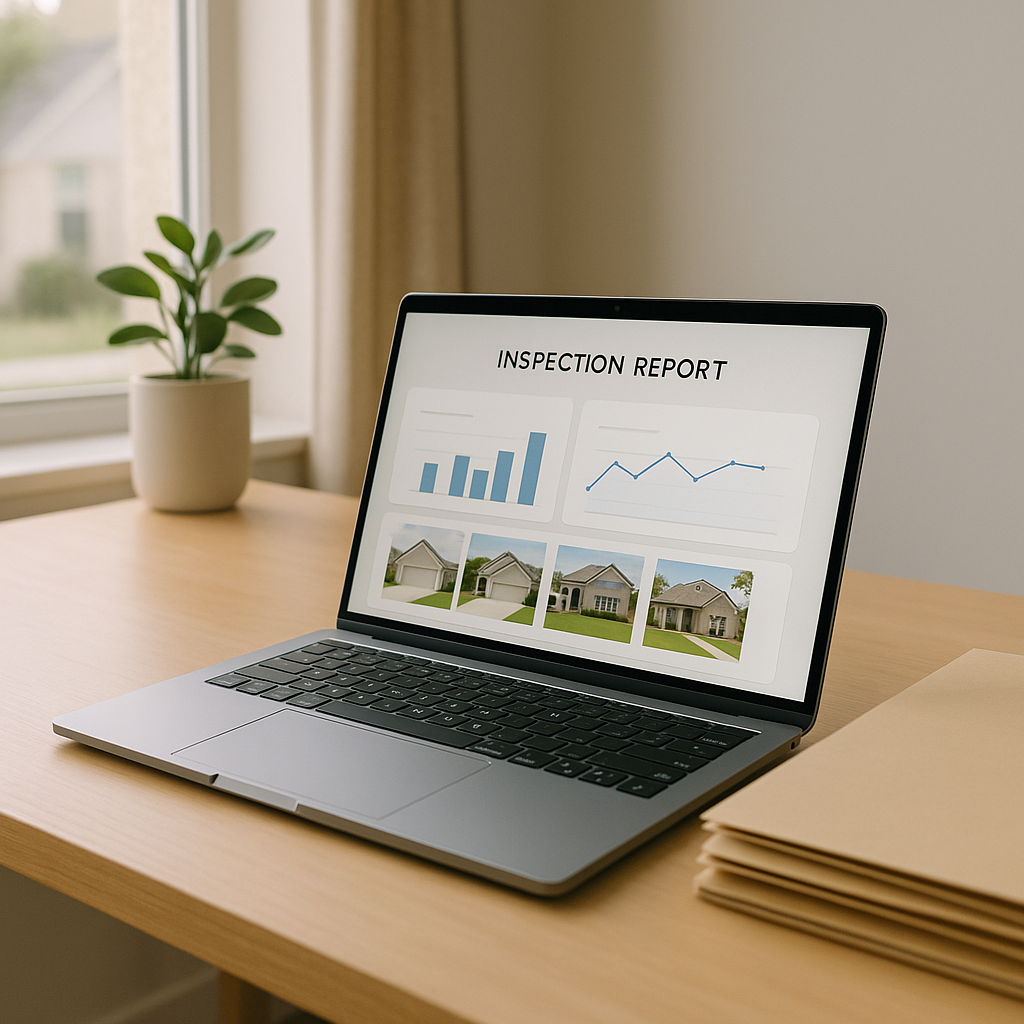
Inspection report meaning for buyers: what it is (and isn’t)
A standard home inspection is a visual, non-invasive evaluation of the home’s accessible parts on the day of the inspection. In Texas, inspectors are licensed and follow standards of practice set by the Texas Real Estate Commission. You can review the TREC inspector rules if you want the formal version. However, that structure does not make the report a warranty.
What it is:
- A snapshot of visible condition
- A list of deficiencies and safety concerns
- A set of recommendations, such as repair, monitor, or further evaluation
What it isn’t:
- A guarantee the house will not have issues later
- A full engineering report
- A code compliance certification
In practice, inspectors are really doing two things: identifying defects and setting expectations.
How to read the report without spiraling
Most reports are organized by system, such as roof, electrical, HVAC, plumbing, foundation, structure, and appliances. They also include photos. Start with the home inspection summary section, but do not stop there.
Step 1: Read the summary like a triage list
The summary should highlight the items the inspector considers most important. However, that does not automatically mean the house is a bad buy. It means those items deserve your attention first.
Step 2: Sort findings into three buckets
When we help first-time buyers interpret an inspection, we usually sort everything into three groups:
- Safety issues (highest priority)
- Big-ticket defects (expensive or high-risk)
- Maintenance and upgrades (normal ownership)
Step 3: Watch for the phrase “further evaluation”
This is where many buyers get stuck. A further evaluation inspection report note does not always mean disaster. Instead, it usually means the inspector saw enough to say, “This is outside my scope—bring in the right specialist.”
That can lead to a simple fix. Or, it can be a valuable catch before closing. Either way, it gives you something useful to act on.
Safety issues: the stuff you don’t negotiate with gravity
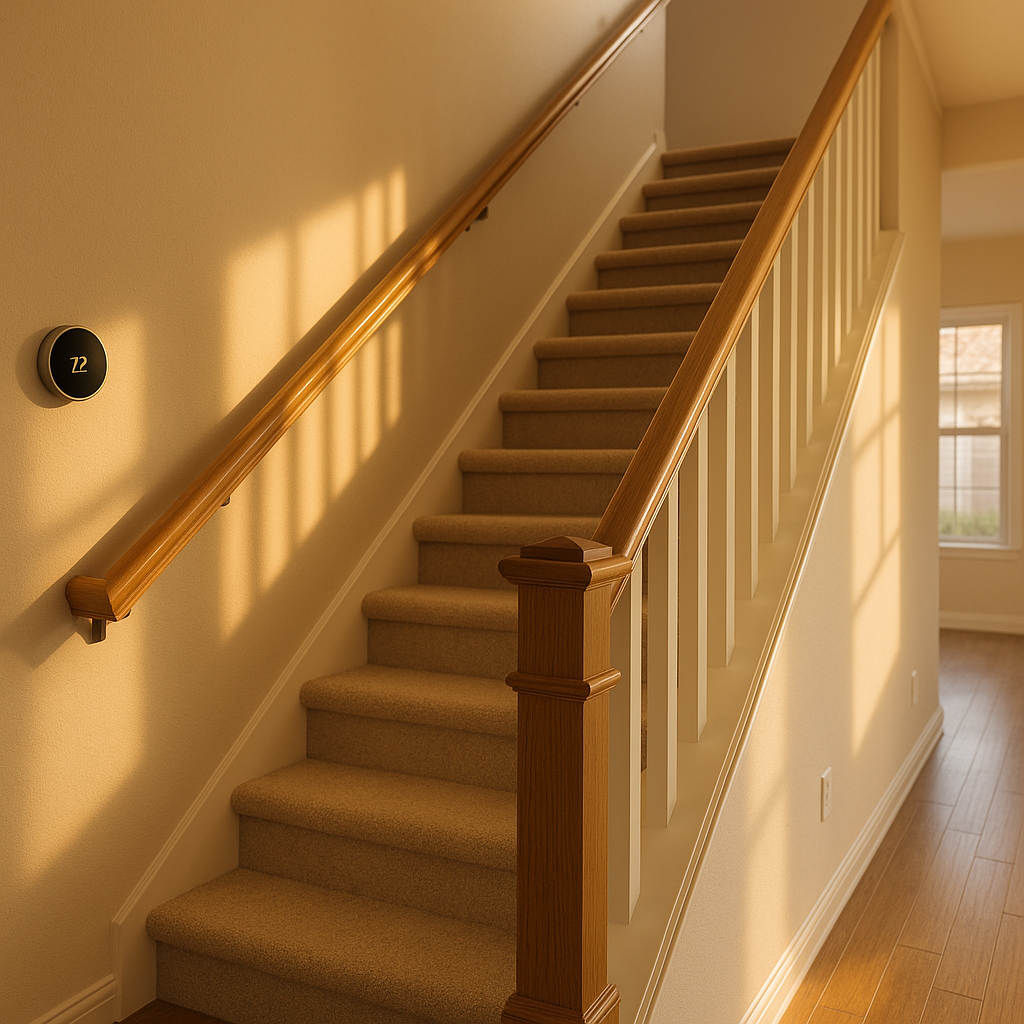
Safety items are where you slow down and get clear. These commonly include electrical hazards, gas concerns, blocked dryer vents, missing handrails, or unsafe water heater setups. In addition, safety issues in inspection reports often carry more weight in negotiations because they involve real risk, not personal taste.
A few examples we commonly see in Panhandle homes:
- Improper water heater relief valve discharge (a small-looking pipe issue that matters)
- Electrical panel labeling or breaker issues in older homes
- Loose or missing handrails on steps (simple fix, real risk)
Safety items are usually reasonable to request because they are not cosmetic preferences. They are legitimate risk reducers.
Major defects vs. normal wear: what counts as a “big deal”
First-time buyers often assume every deficiency equals a major defect. It doesn’t.
A major defect is usually something that:
- Impacts livability, such as no heat, no AC, active leaks, or failed plumbing
- Creates ongoing damage, such as water intrusion or drainage problems
- Has a high replacement cost, such as roof, HVAC, or foundation repairs
- Signals a larger underlying issue
Roof notes: not every roof comment means replacement
Inspectors often flag roofs for aging, exposed fasteners, granular loss, or soft spots. Sometimes that means “budget soon,” not “replace immediately.”
In Amarillo, wind and hail history matter. A roof can look “okay” and still be near the end of its service life. Meanwhile, a roof can look rough and still have useful life left. NOAA’s Storm Events Database is one source for researching reported severe weather in an area, though it should not replace a local roof evaluation.
The smart move is to pair the inspection comments with:
- Roof age, including install date and receipts if available
- Evidence of active leaking, such as stains, wet decking, or attic moisture
- A roofer’s opinion if the report is unclear
HVAC: “old” doesn’t automatically mean “broken”
Inspectors will note approximate age and visible condition. They may also call out performance concerns. However, if the system heats and cools but is 15–20 years old, that is not always a negotiation slam dunk. It is often a budgeting reality.
What matters more:
- Does it function properly during inspection?
- Are there safety flags, such as gas furnace concerns, venting, or electrical issues?
- Is there evidence of poor maintenance, such as dirty coils, clogged filters, or rusted parts?
Plumbing: small stains can be big clues
A slow leak under a sink is not always expensive. However, it becomes a bigger problem if it has been leaking for two years and the cabinet base is gone. Plumbing findings often matter because they can point to hidden damage.
If the report mentions past leaks, moisture, or inconsistent pressure, it may be worth asking a plumber to evaluate before you decide what to request.
Foundation and movement: common topic, not instant panic
We see a lot of questions about cracks and movement in Texas. Some cracking is normal settling. Some is not. For a deeper pre-inspection look, buyers can also learn how to spot foundation problems before they get deep into a deal.
A report might note:
- Interior drywall cracks
- Doors that stick
- Exterior brick cracks
- Separation around trim
Those notes do not automatically equal structural failure. Still, they do justify clarification. If the inspector recommends evaluation by a structural engineer, that is the point: get the right expert so you can make a decision based on facts, not fear.
“Monitor,” “repair,” and “replace”: what the inspector is really saying
These action words matter.
Monitor
The inspector saw something that is not a current failure, but could become one. For example, that may include minor cracks, early rusting, or small drainage concerns.
Repair
There is a known defect that should be corrected. For example, this could include an active leak, damaged flashing, or missing GFCI protection.
Replace
The component is no longer serviceable or is failing. For example, this may include an HVAC system that does not operate, a roof with widespread failure, or a leaking water heater.
When you read these words, ask yourself: Is it a safety risk, a money risk, or a convenience issue? That answer will guide your next move.
What you can do with the report during the option period
Most Texas purchase contracts include a negotiated inspection or option window. Timelines vary by contract, so review the dates with your agent. During this period, your inspection report turns into decisions.
Common paths:
- Request repairs, usually for legitimate defects or safety items
- Request a credit or price adjustment, which can be smoother than asking for 20 repairs
- Accept the home as-is and budget for the work
- Get specialist evaluations, such as roof, HVAC, plumbing, electrical, or engineering
- Terminate if the risk or cost does not fit your comfort level
These are practical inspection report negotiation tips, not legal advice. Therefore, your agent should help you line up your request with the contract, the home’s condition, and what is typical in that price range. If a credit makes more sense than repairs, this guide on how to ask for a seller credit can help you frame it well.
The negotiation mistake first-time buyers make
The biggest mistake is treating the inspection like a seller punch list for every minor item. That approach can turn a serious request into background noise.
Sellers and listing agents tend to take requests more seriously when they are:
- Focused on safety and material defects
- Clearly documented in the report
- Reasonable in scope
- Paired with evidence or bids when needed
If you ask for every loose doorknob, you can dilute your leverage on the items that actually matter. Instead, lead with the problems that affect safety, value, or your ability to afford the home after closing.
When to bring in specialists (and why it’s worth it)
Inspectors are generalists. They identify symptoms. They are not there to perform surgery, redesign the house, or price every repair down to the penny.
Bring in a specialist when:
- The report recommends further evaluation for a major system
- You need a cost estimate to negotiate with confidence
- The issue could change your decision to buy
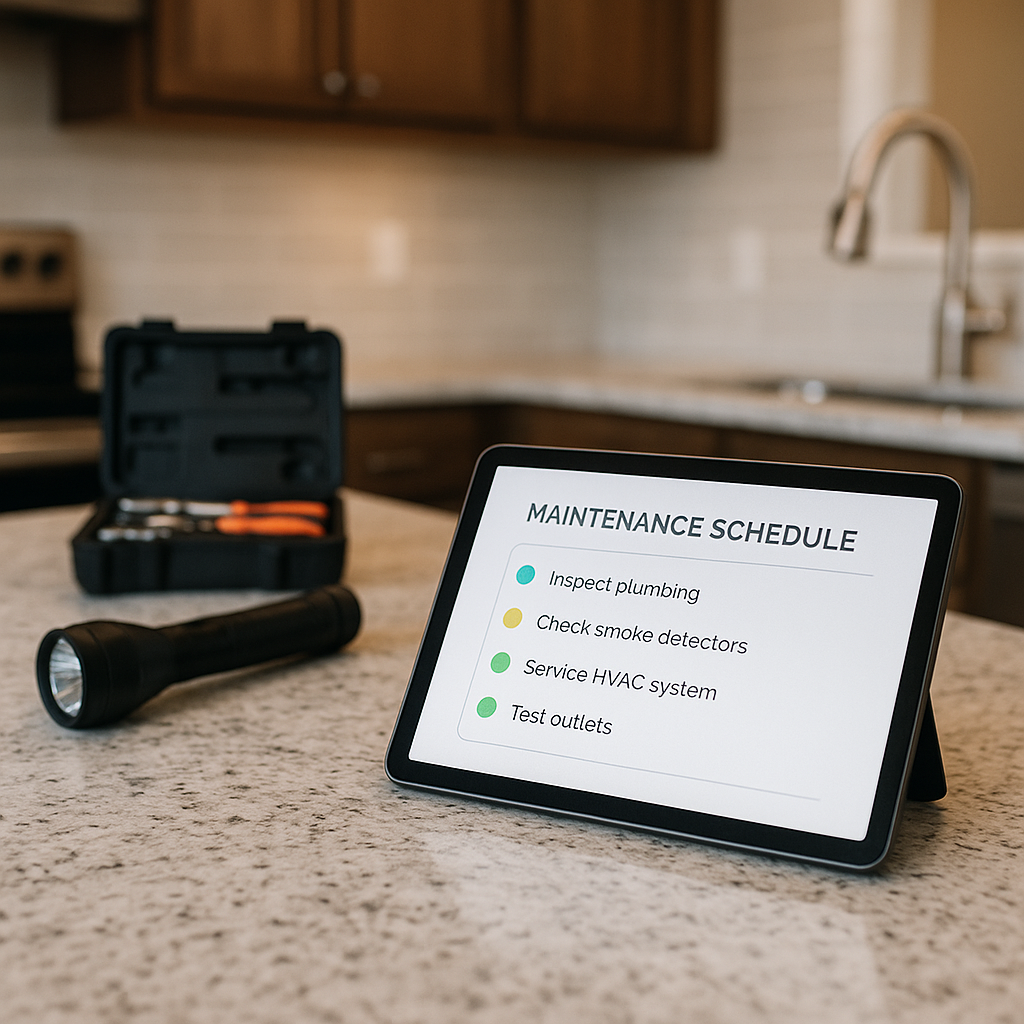
A few common add-ons buyers consider include sewer scope, roof certification, HVAC service check, structural engineer consult, and pool inspection. However, the right choice depends on the property, your contract timeline, and your risk tolerance.
The Amarillo reality: wind, drainage, and deferred maintenance
In the Panhandle, a few themes show up often:
- Wind and hail exposure (roof and exterior wear)
- Drainage and grading (water control matters even in a dry climate)
- Deferred maintenance in older homes (small items stacked into bigger ones)
None of those automatically mean “don’t buy.” Instead, they mean “buy with eyes open and a plan.” If the report reveals more risk than you expected, it may also be time to revisit when not to buy in the Texas Panhandle.
Bottom line: the report is a decision tool, not a verdict
A home inspection report is supposed to tell you what you are taking on. As a result, you can negotiate, budget, or walk away with more clarity.
If you are a first-time buyer, the win is not finding a report with zero findings. The win is knowing which findings are:
- Normal ownership
- Manageable with a budget
- Deal-breaking for your risk tolerance
If you want a second set of eyes on what the inspector flagged and what is worth negotiating in today’s Amarillo market, Blaze Real Estate can help you turn the report into a clear plan—without the panic.
FAQ: Home inspection reports for buyers
Does a home inspection report mean the house passed or failed?
No. A home inspection is not pass/fail. It is a condition report that helps you understand defects, safety concerns, maintenance needs, and possible next steps.
What should buyers read first in the inspection report?
Start with the summary section, then read the full report for context. The summary helps you triage, but the details and photos explain how serious each item may be.
What does “further evaluation” mean on an inspection report?
It means the inspector saw something that needs a specialist’s opinion. That could be a roofer, plumber, electrician, HVAC technician, or structural engineer.
Which inspection items are most worth negotiating?
Safety issues, active defects, and costly system problems are usually the strongest negotiation items. Cosmetic or minor maintenance items are often better handled after closing.
Should I walk away because the report has a lot of findings?
Not always. Many good homes have long reports. Review the big issues, get expert quotes when needed, and talk with your agent before deciding whether to negotiate or walk away.