
How to evaluate duplexes triplexes fourplexes in Amarillo
If you want to evaluate duplexes triplexes fourplexes in the Texas Panhandle, start with cash flow, location, and risk. Duplexes, triplexes, and fourplexes sit in a useful middle lane between single-family rentals and larger apartment buildings. They give you more than one rent check, but they usually stay small enough for residential-style financing and hands-on management.
However, the extra doors can hide extra problems. A strong-looking rent total can fall apart after taxes, insurance, repairs, vacancy, and turnover. Therefore, a smart duplex triplex fourplex investment needs a clear review before you write an offer.
In short, this guide walks through the practical numbers and local checks that matter for Amarillo real estate investing. For a broader framework, see our guide on how to analyze a Texas Panhandle rental property.
Core Financial Metrics That Reveal True Value
When you size up a duplex, triplex, or fourplex, start with the numbers that show profit and risk. These multifamily investment metrics are not fancy. Instead, they help you decide whether the deal pays you or just gives you a new part-time job with plumbing.
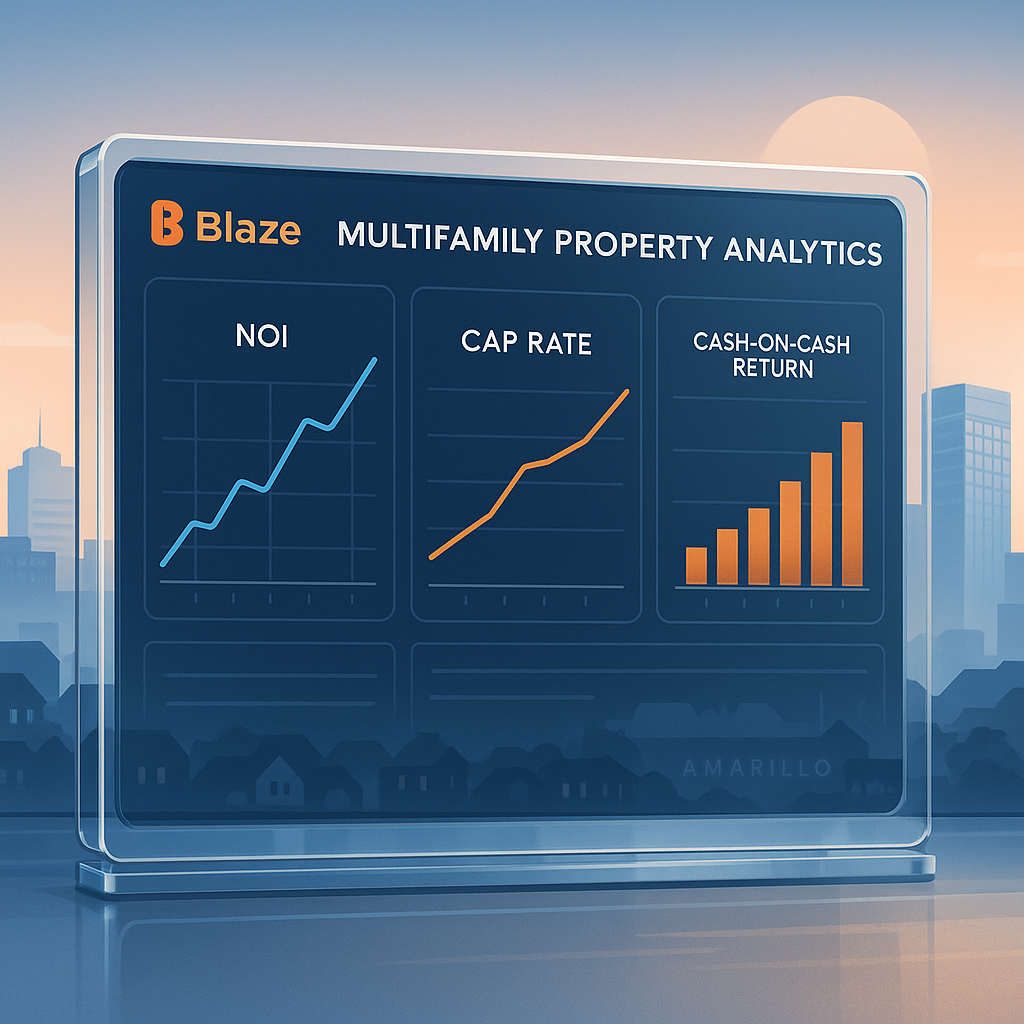
Net Operating Income (NOI)
NOI is the property’s income after operating costs, but before mortgage payments. These costs usually include property taxes, insurance, repairs, maintenance, management, utilities paid by the owner, and vacancy allowance.
For example, if a triplex brings in $3,600 per month in gross rent and expenses run $750 per month, monthly NOI is $2,850. As a result, annual NOI is $34,200. That number gives you a cleaner view of what the property earns before financing.
Capitalization Rate (Cap Rate)
Cap rate is NOI divided by purchase price. It gives you a quick way to compare one property against another.
For example, a property with $34,200 in NOI and a $475,000 price has a cap rate of about 7.2%. However, cap rate is only useful when your income and expense assumptions are honest. Local averages also matter, so review current Amarillo cap rates before calling a deal “good.”
Cash-on-Cash Return
Cash-on-cash return shows your annual pre-tax cash flow divided by the cash you invested. That cash may include the down payment, closing costs, lender fees, initial repairs, and reserves.
In addition, this metric helps you compare deals with different loan terms. An 8% to 12% cash-on-cash return can be a useful starting target for small multifamily properties. Still, your goal should match your risk level, financing, and timeline.
Debt Service Coverage Ratio (DSCR)
DSCR is NOI divided by annual debt payments. Lenders use it to see whether the property income can cover the loan.
Generally, a DSCR above 1.25 is a healthier sign. However, each lender has its own rules, so talk with your lender before you assume a property will qualify. This is especially important if you plan to buy with a low down payment, owner-occupant loan, or portfolio loan.
Market & Property Factors
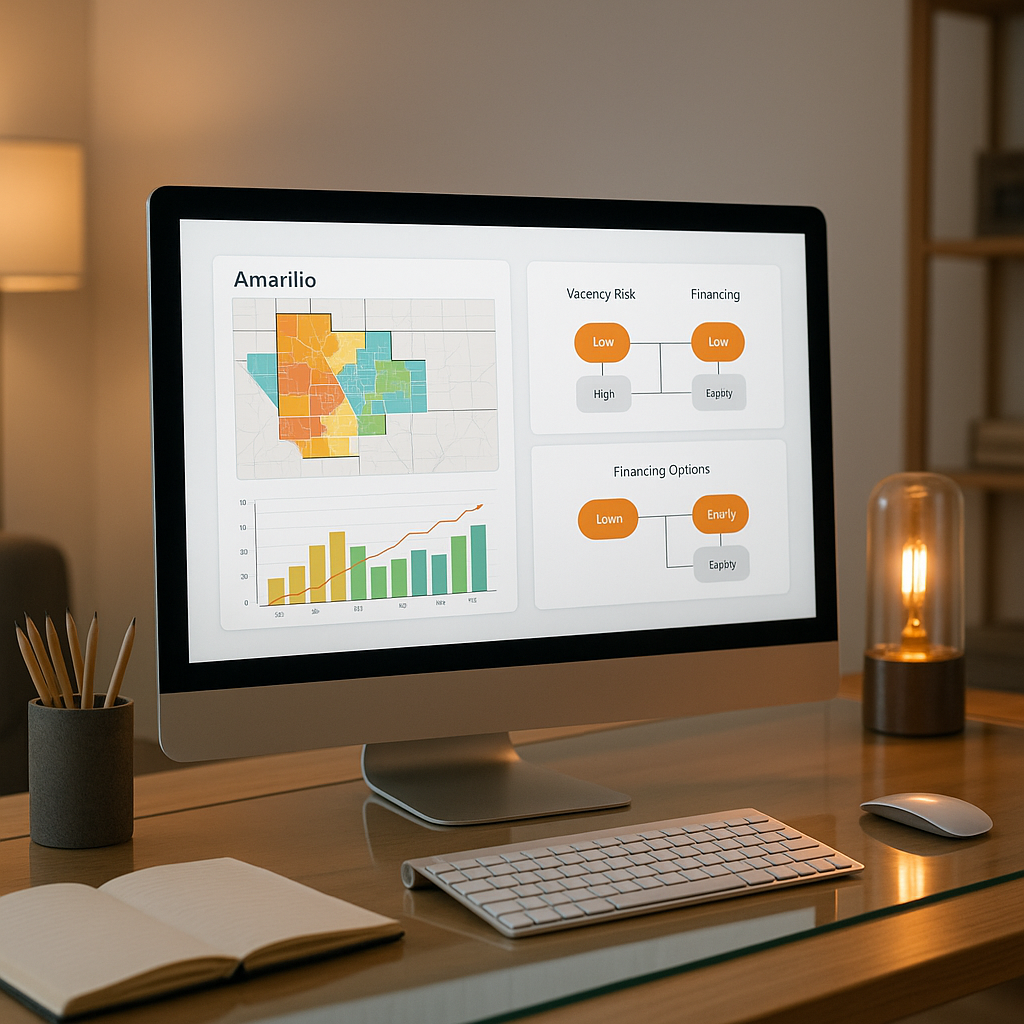
Vacancy Risk
More units can reduce the pain of one vacancy. Losing one tenant in a duplex means losing 50% of the rent. Meanwhile, losing one tenant in a fourplex usually means losing about 25%.
Still, four units can bring more turnover, more maintenance requests, and more lease management. Therefore, cash flow multifamily properties should include a real vacancy allowance, not wishful thinking. If you are reviewing the rent history, learn how to read a rent roll before you trust the seller’s numbers.
Location and Comparables
Look at recent sales of similar two- to four-unit buildings nearby. Compare price per unit, price per square foot, rent levels, condition, and parking.
In addition, study the neighborhood’s tenant demand. Amarillo has pockets where rentals move fast and other areas where rent looks fine on paper but turnover eats the profit. For local context, review the best Amarillo neighborhoods for rental investors.
Zoning and Upside Potential
Confirm that the current number of units is legal. Also check whether the property can be expanded, converted, or used as planned.
However, do not rely on a listing description alone. Review zoning with the city, your agent, and any qualified professionals involved in the deal. A “bonus unit” is not a bonus if it creates a compliance problem later.

Practical Evaluation Steps
- Collect data. Use the MLS, public records, seller statements, leases, rent rolls, utility bills, and insurance quotes. Then compare them against current market rents.
- Run conservative projections. Include vacancy, repairs, management, taxes, insurance, and reserves. In older properties, a 50% expense ratio is often a safer starting point than a rosy spreadsheet.
- Stress test the deal. Model lower rent, a vacant unit, higher insurance, and one ugly repair. As a result, you will see whether the deal still works when real life shows up wearing muddy boots.
- Review financing options. Duplexes, triplexes, and fourplexes may qualify for residential financing in some cases. For example, HUD notes that FHA single-family programs can include one- to four-unit properties, but you should review current HUD guidance and talk with your lender.
- Evaluate long-term trends. Look at rent growth, tenant demand, repairs, taxes, insurance, and neighborhood direction. In addition, review local rent growth trends before assuming rents will rise every year.
Common Pitfalls to Avoid
- Overestimating rent based on listing claims instead of signed leases and actual rent rolls.
- Underestimating operating expenses, especially on older Panhandle properties.
- Ignoring insurance changes, deductibles, roof age, and wind or hail exposure. For context, review our guide to insurance costs in Texas.
- Forgetting vacancy, make-ready time, leasing costs, and tenant turnover.
- Buying without verifying zoning, unit legality, utilities, and parking.
- Assuming seller-paid utilities will stay cheap. In short, meter setup matters.
Conclusion: Why Partner with a Local Expert
Evaluating duplexes, triplexes, and fourplexes in Amarillo takes more than a quick rent estimate. You need clean numbers, local rent knowledge, realistic expenses, and a clear view of risk.
However, these properties can be powerful when they are bought right. They can produce steady income, help spread vacancy risk, and give investors a practical way to scale. The key is knowing which numbers to trust and which numbers need a side-eye.
Working with a local investment-focused brokerage and property management team like Blaze Real Estate can help you move with more confidence. We work in the Texas Panhandle market every day, so our advice is grounded in real management, real tenants, and real repair bills.
If you are ready to explore small multifamily opportunities in Amarillo, Blaze can help you review the deal, the rent, and the management plan before you get too deep. Your next smart investment may be out there. Therefore, make sure the math gets a vote.
FAQ
What is a good cap rate for a duplex, triplex, or fourplex in Amarillo?
A good cap rate depends on location, condition, rent quality, and risk. However, many solid small multifamily deals in Amarillo may fall around the mid-single digits to upper-single digits, depending on the market at the time.
Should I use actual rent or market rent when analyzing a small multifamily property?
Use both. Actual rent shows current performance, while market rent shows possible upside. Still, base your offer on numbers you can verify, not only on hopeful future rent.
Are duplexes, triplexes, and fourplexes easier to finance than larger apartment buildings?
Often, yes. Many two- to four-unit properties can qualify for residential-style financing, but loan rules vary. Therefore, talk with your lender early.
How much should I budget for vacancy and expenses?
Many investors start with a 5% to 10% vacancy estimate and a conservative expense budget. Older properties may need more room for repairs, insurance, and reserves.
Do I need property management for a fourplex?
Not always, but management can protect your time and improve consistency. In addition, a local manager can help with pricing, screening, maintenance, and lease enforcement.