
In Amarillo and across the Texas Panhandle, “turnkey rental” gets thrown around like it’s a certification.
It’s not.
In practice, turnkey is a promise about friction: minimal work, minimal surprises, and a clear path to collecting rent. The problem is that marketing teams use “turnkey” to mean “fresh paint and a tenant on paper,” while investors mean “I can own this without it turning into a second job.”
This post is how we separate turnkey reality from turnkey buzzwords, using the stuff that actually blows up rentals here—hail-worn roofs, old mechanicals, sloppy tenant placement, and the Texas habitability/security basics that are easy to miss until you’re already the owner.
The real definition: turnkey rental = operational readiness
A rental is “turnkey” when it’s ready to perform as a rental business on day one—not just look good on a walkthrough.
That means three things line up:
- Physical readiness (it won’t immediately fail)
- Compliance readiness (baseline safety items are handled)
- Operations readiness (leases, deposits, rent collection, and maintenance process are set up)
If any one of those is missing, it might still be a decent deal—but it’s not turnkey. It’s a value-add or a project wearing a suit.
Turnkey vs. “rent-ready”: not the same thing
“Rent-ready” is usually a make-ready standard: cleaned, repaired enough to show, and generally habitable.
“Turnkey” should mean rent-ready plus business-ready:
- the unit is stable (not a stack of deferred maintenance)
- the lease file is clean
- the numbers are real (net, not fantasy)
- you can hand it to a manager and go back to your day job
If you want a framework for whether the deal works after reality shows up, start with Analyze a Rental in the Texas Panhandle. Most “turnkey” listings fail at the expense assumptions.

What “turnkey” should include in the Texas Panhandle (practical checklist)
Here’s what we expect to be true when someone says “turnkey rental” and means it.
1) Systems that survive Panhandle weather
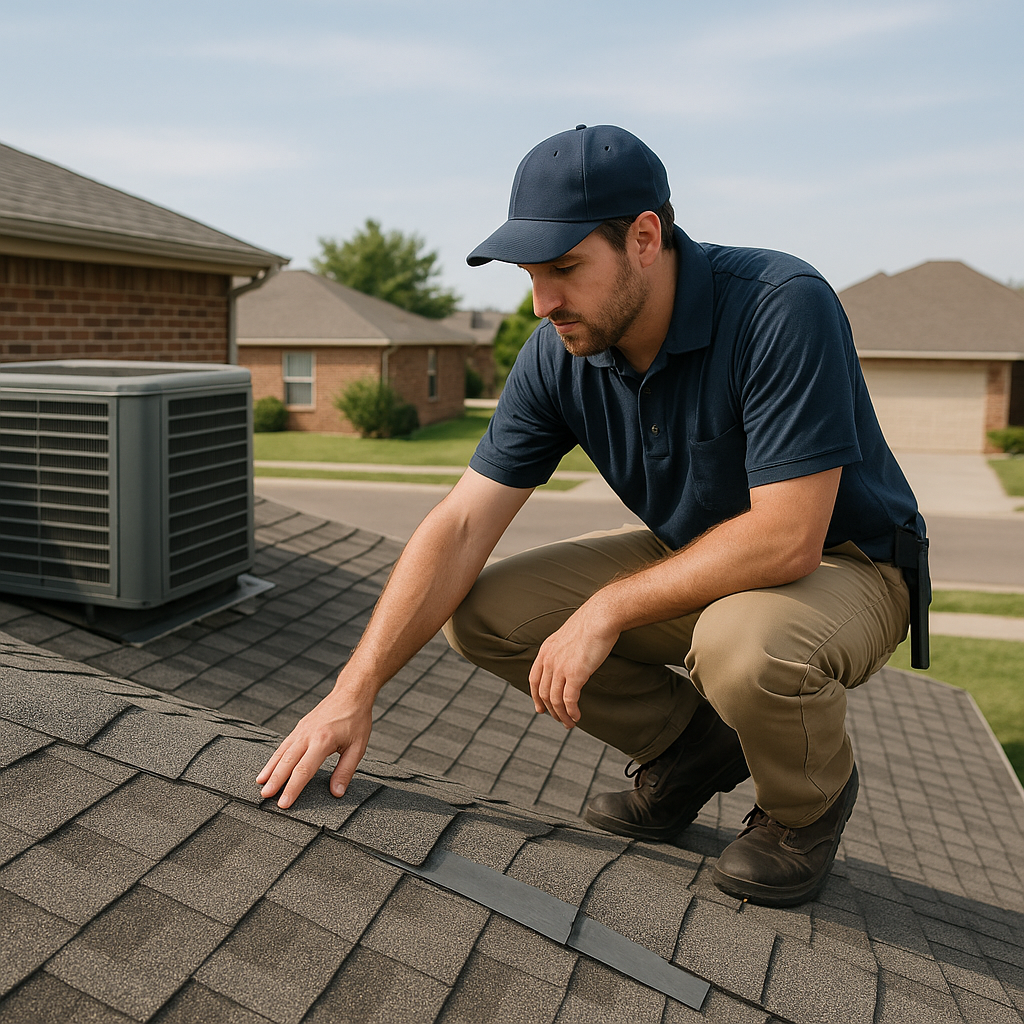
Amarillo isn’t gentle on houses. Between wind, hail, and temperature swings, the difference between “fine today” and “expensive next month” is usually the roof and the HVAC.
A real turnkey property typically has:
- Roof story you can underwrite: age, condition, and any recent storm impacts clearly documented (not vibes)
- HVAC that’s not on borrowed time: functioning, serviced, and not held together by hope
- Windows/doors that seal: because utility costs and comfort affect renewals and tenant quality
A cosmetic flip with an unknown roof is not turnkey here. It’s a gamble with nicer countertops.
2) Safety/compliance basics handled (Texas context)
We’re not attorneys, and this isn’t legal advice—but investors should understand the baseline expectations in Texas because “turnkey” should not come with avoidable compliance loose ends.
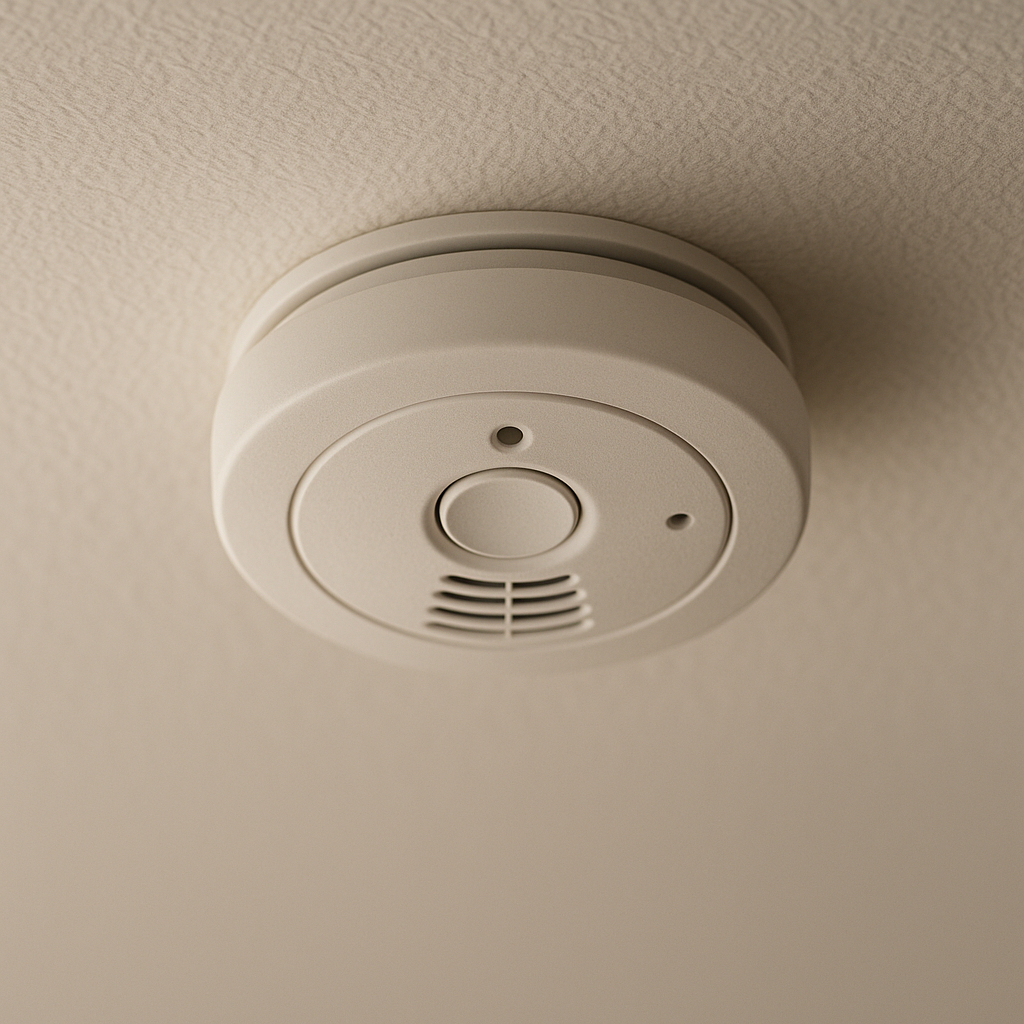
Texas law centers a landlord’s duty to address conditions that materially affect a tenant’s physical health or safety (commonly cited under Texas Property Code §92.052). Texas also has specific requirements around smoke alarms (Property Code Subchapter F, including ongoing inspection/repair after notice) and security devices like certain locks (Property Code Subchapter D), and some of these duties generally can’t be “waived away” in a lease (see §92.006).
Translation for investors: if a property is marketed as turnkey, you shouldn’t be discovering missing smoke alarms, broken locks, or obvious health/safety issues after closing. That’s not “turnkey.” That’s “someone else’s unfinished homework.”
3) Tenant placement that’s actually durable
A tenant in place does not automatically make a rental turnkey.
A true turnkey situation means:
- tenant was screened with a consistent standard
- deposit and move-in documentation exist and make sense
- rent amount matches market reality (not “above market because the seller said so”)
If you’re buying occupied, you’re buying a paper trail. If the paper trail is thin, you’re buying future conflict.
For what that process should look like when done correctly, see Leasing & Tenant Screening.
4) Financials you can verify (not pro forma poetry)
Turnkey operators can show you real performance:
- lease, ledger, and payment history
- recurring costs (insurance, taxes, HOA if applicable)
- maintenance history (even if it’s light)
If all you get is a rent number and a shrug on expenses, it’s not turnkey—it’s unproven.
If you want to pressure-test the income side quickly, start with How to Read a Rent Roll Like a Pro Investor. Even on single-family, the discipline is the same: verify, don’t assume.
Common “turnkey” red flags we see in Amarillo
This is where most marketing breaks.
“Recently renovated” (but the bones are tired)
Fresh paint, new LVP, and a trendy light fixture do nothing for:
- old cast iron or failing drain lines
- aging electrical panels
- neglected roof vents/flashing
- HVAC at end-of-life
That’s not a turnkey rental; that’s a photo-ready rental.
“Tenant in place” (but rent collection is a mess)
If the tenant is chronically late, has a side agreement, or the deposit situation is unclear, you’re inheriting operations debt.
If you want a systems view of what should be happening behind the scenes, read What a Property Manager Actually Does. Turnkey is largely about whether those systems already exist.
“Low maintenance” (but capex is hiding)
In the Panhandle, we often see “low maintenance” used when the seller really means:
- “we haven’t fixed anything big yet”
If the roof is 12–18 years old, HVAC is original, water heater is older, and you don’t have documentation, you should assume you’re buying upcoming capex.
So… what should you ask for before you believe “turnkey”?
You don’t need a 40-page due diligence binder. You need clarity in the places that matter.
Here are the questions that expose reality fast:
- What’s the roof age/condition and any recent storm history?
- What’s the HVAC age and service history?
- Any recent plumbing or electrical work (and why)?
- Do you have the lease, ledger, and deposit documentation?
- Who manages it now and what systems are in place for maintenance and renewals?
- If occupied: when was the last renewal and what’s the tenant’s payment pattern?
(That’s the one list for this article—because turnkey investors don’t need fluff. They need leverage.)
Turnkey is a spectrum—decide what “turnkey” means for you
Some investors want zero-touch: stable tenant, clean financials, predictable maintenance.
Others are fine with light lift turnkey: maybe a make-ready, maybe an improvement plan, but no major unknowns.
Either is valid. The key is labeling it honestly so you don’t pay turnkey pricing for a property that’s actually a project.
If you’re trying to decide whether to self-manage a “turnkey” rental or hand it off, read Pros & Cons of Self-Managing a Texas Rental. In Amarillo, the operational details matter—because small issues tend to get bigger when the wind is blowing 40 mph and the vendor schedule is full.
Bottom line: turnkey rentals are built, not claimed
A true turnkey rental in Amarillo is weather-resilient enough, compliant enough, and systemized enough that you can own it like a business instead of a constant repair conversation.
Book an Investor Strategy Call
Frequently Asked Questions
What does turnkey rental meaning really imply for properties in Amarillo and the Texas Panhandle?
Turnkey rental meaning in Amarillo and the Texas Panhandle refers to a rental property that is fully ready to operate as a rental business from day one. This includes physical readiness with no imminent failures, compliance with local safety laws like smoke alarms and secure locks, and operational readiness with proper leases, deposits, and rent collection systems already in place.
How is a turnkey rental different from a rent-ready property in the Texas Panhandle?
A rent-ready property in the Texas Panhandle is usually just cleaned, repaired superficially, and habitable for showing or occupancy. In contrast, a turnkey rental includes rent-ready qualities plus business-ready elements such as stable mechanical systems, verified leases, realistic financials, and established management systems that allow an investor to own it without unexpected work.
What physical features should I expect a turnkey rental to have in Amarillo considering the local weather?
Given the harsh Amarillo climate with wind, hail, and temperature swings, a turnkey rental should have a well-documented roof that is in good condition and not near failure, HVAC systems that are fully functional and recently serviced, and windows and doors that seal properly to improve tenant comfort and control utility costs.
Why is tenant screening and documentation important for a property to truly be turnkey in the Panhandle?
In the Panhandle, having a tenant in place does not guarantee turnkey status unless the tenant has been thoroughly screened using consistent standards, there is clear move-in documentation and deposits, and the rent charged aligns with the local market. This ensures stability and reduces the risk of future eviction or rent collection issues for the new owner.
What common red flags should I watch out for when a rental is advertised as turnkey in Amarillo?
Common red flags include properties marketed as ‘recently renovated’ but with old roofs or failing mechanicals, tenants who are late with rent or have unclear deposit situations, and claims of ‘low maintenance’ that hide deferred major repairs. These issues indicate the property may not be truly turnkey and could require significant work or operational attention after purchase.
What questions should I ask to verify if a rental property is genuinely turnkey in the Texas Panhandle?
To verify a rental is truly turnkey, ask about the roof’s age and condition including any recent storm damage, the HVAC system’s service history, recent plumbing or electrical repairs, availability of lease and rent payment records, current property management practices and maintenance systems, and for occupied rentals, details on tenant renewals and payment patterns.