
Amarillo investors ask this a lot: should you buy another single-family rental, or step into a small multifamily property like a duplex, triplex, or fourplex?
The honest answer is: it depends. But in the Texas Panhandle, small multifamily often wins when your goal is stable cash flow, tighter operating control, and fewer portfolio-level surprises.
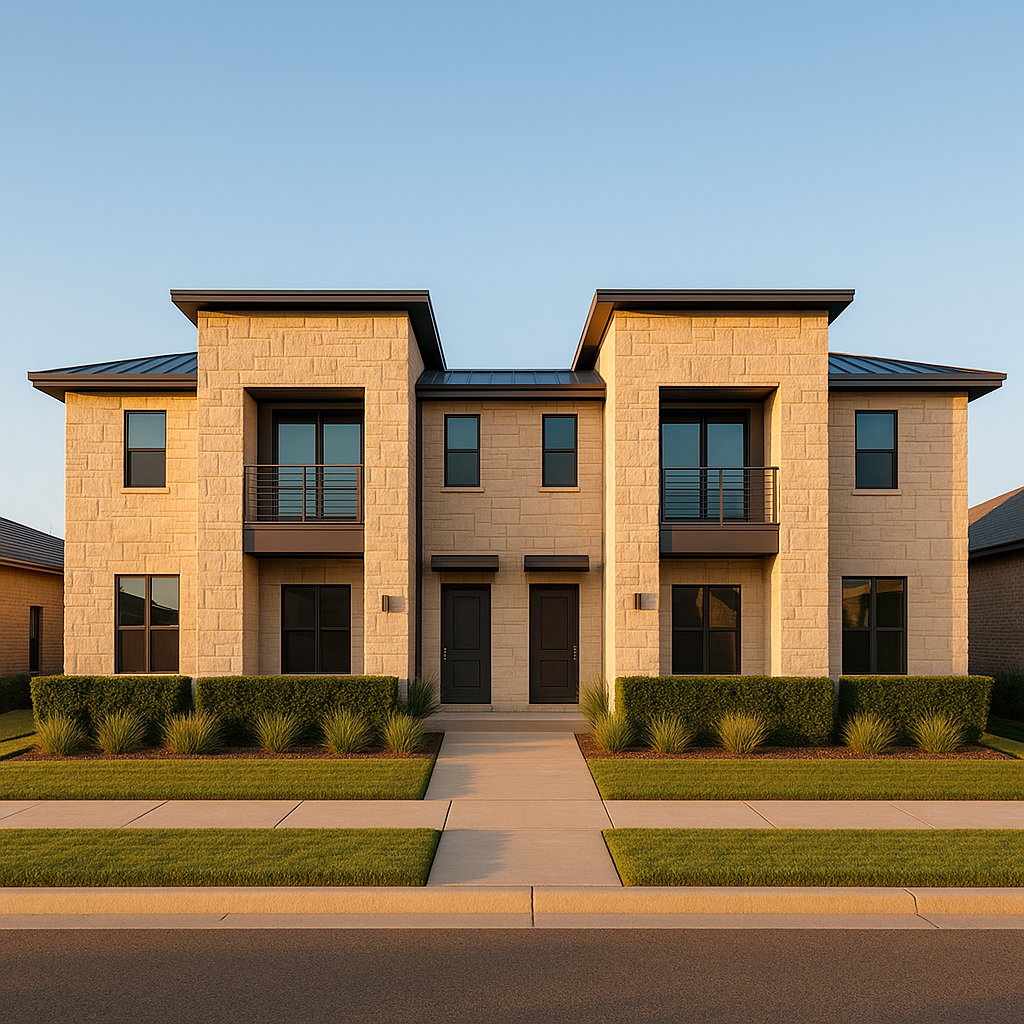
This guide breaks down when small multifamily beats single-family rentals, when it does not, and what investors need to check before they buy. If you want the bigger deal review process, start with our guide on how to analyze rental property in the Texas Panhandle.
The real question: what are you optimizing for?
Before you pick a property type, decide what “winning” means for your portfolio.
Most investors are trying to improve one or more of these:
- monthly cash flow
- vacancy risk
- maintenance efficiency
- turnover control
- long-term appreciation
- financing and resale options
Small multifamily vs single-family comes down to which of those matters most for your next purchase. Not in theory. In the actual deal in front of you.
Why small multifamily can beat single-family rentals
A small multifamily property is usually two to four units on one parcel. That “one property, multiple rents” setup can create advantages that single-family rentals do not have.
But it is not automatic. A clean duplex can be a great asset. A rough fourplex with bad tenants, mystery utilities, and deferred maintenance can eat your lunch and ask for dessert.
Small multifamily cash flow vs single-family
Small multifamily often wins on income density.
With a duplex or fourplex, you collect more than one rent check from one address. Each unit may rent for less than a comparable single-family home, but the combined rent can create stronger net income.
That is especially true when fixed costs do not multiply at the same rate.
In the Panhandle, we often see the difference show up in:
- insurance per door, which may be more efficient than several separate policies
- yard care and exterior upkeep, because there is one property to maintain
- turnover cost per rent dollar, because income is spread across more than one unit
This is where cap rate matters. A small multifamily deal may look better than a single-family rental, but only if the income and expenses are real. Use our Amarillo rental cap rate guide to pressure-test the numbers before you fall in love with the rent roll.
That said, not every small multifamily cash-flows well. Condition, tenant profile, unit mix, insurance, taxes, and utility setup all matter. The math is usually more forgiving when the property is stabilized. It is not forgiving when the building is held together by paint and optimism.

Vacancy risk in small multifamily
This is the big one.
A single-family rental is either occupied or vacant. One move-out can take the property from 100% income to 0% income while the mortgage, taxes, and insurance keep rolling.
With small multifamily, vacancy risk is usually partial. One empty unit hurts, but it does not always shut off the whole income stream.
That can mean:
- fewer months with no rent at all
- less pressure to discount rent too quickly
- more stable income if you are scaling
- less stress when one tenant gives notice
The tradeoff is simple. Small multifamily can have more frequent turnovers because there are more households. You are trading rare but painful vacancy for more normal turnover spread across several units.
Small multifamily maintenance and repairs
Small multifamily can be easier to operate when the building is set up well.
Where it tends to be easier than single-family
- One trip, multiple issues: A vendor can handle a unit repair and an exterior item on the same visit.
- Shared systems: There may be one roof line, one water main, fewer fences, and fewer driveways.
- Exterior control: You control curb appeal instead of hoping one tenant remembers to mow.
Where it can get harder
- Shared utilities: If units are not separately metered, billing can get messy fast.
- Older building stock: Many two-to-four-unit properties are older, and old problems compound.
- More wear per square foot: More households can mean more calls, more traffic, and more small repairs.
The best small multifamily assets are usually boring. Clean electrical. Solid plumbing. Clear utilities. No mystery additions. No “the last owner did it himself” surprises lurking in the walls.
Tenant demand: who rents small multifamily?
Single-family rentals often attract tenants who want more space, a yard, and a home-like feel.
Small multifamily often attracts:
- workforce renters who care about price and location
- tenants who want less maintenance responsibility
- renters in transition after a job change, divorce, or downsizing
- people who want a clean rental without paying single-family rent
Neither tenant type is automatically better. But the tenant profile affects:
- average tenancy length
- wear and tear
- parking needs
- amenity expectations
- communication and rule enforcement
Before you rely on the income, check the leases and payment history. Our guide on how to read a rent roll can help you spot the difference between real income and seller storytelling.
In Amarillo and the surrounding Panhandle, we often see strong demand for clean, well-managed two-to-four-unit properties, especially near employers, medical areas, schools, and major corridors.
The U.S. Census Bureau tracks housing by units in structure through the American Community Survey, which helps show how different housing types fit into local markets. Its housing structure data explanation is useful background for understanding why unit type matters in market analysis.
When single-family usually wins
Single-family rentals can still be the smarter choice. Sometimes they win because they are simpler, easier to finance, and easier to sell.
Resale and financing flexibility
Single-family homes usually have:
- a larger buyer pool
- more familiar financing options
- easier comps
- simpler valuation
A fourplex is more investor-focused. That can be good when rents are rising and operations are clean. But it can limit exit options compared with a standard house.
Financing also deserves attention. Fannie Mae’s selling guide includes rules for rental income and two-to-four-unit properties, which can affect how buyers qualify and how lenders view the deal. Review Fannie Mae’s guidance on rental income for more context.
If you are comparing conventional financing to other investor lending options, our guide on using portfolio loans to buy rental properties can help you understand when a local or portfolio lender may be part of the strategy.
Tenant stability and property perception
Well-located single-family rentals can offer:
- longer tenancy
- fewer neighbor issues
- stronger pride of residence
- broader tenant appeal
Small multifamily can be stable too, but you are managing shared walls, shared parking, shared outdoor areas, and more chances for tenant friction.
Good screening and clear rules matter more. So does fast follow-through when small problems start turning into neighbor drama.
Capex surprises can be simpler in single-family
With a single-family home, systems are often straightforward. One HVAC. One water heater. One electrical panel.
With small multifamily, you may have multiple HVAC systems, multiple water heaters, more plumbing runs, and more complicated utility issues.
The risk is not that small multifamily is always worse. The risk is that it can be less predictable if you do not inspect and underwrite carefully.
What investors get wrong about “multifamily is always better”
Here is the bad advice we hear, usually from social media instead of real operators.
Mistake 1: Buying units, not systems
A fourplex with bad utilities, deferred maintenance, weak leases, and inconsistent tenants is not passive income. It is a management-heavy project.
Small multifamily beats single-family when the operations work:
- leases are clean
- renewals are consistent
- tenant screening is tight
- maintenance is proactive
- utilities are clear
- rent collection is disciplined
Mistake 2: Underestimating turns and make-readies
More doors usually means more leasing activity. That is normal.
Budget for:
- paint cycles
- flooring repairs
- lock changes
- cleaning
- minor repairs
- trash-outs
If you do not budget for those items, your “great cap rate” can vanish in year one.
Mistake 3: Ignoring management intensity
Even when the property performs, small multifamily often needs tighter day-to-day management.
If you self-manage, be honest about your time. If you hire management, make sure they run systems, not just “collect rent and call vendors.”
A practical decision framework for your next purchase
If you are deciding between another house and a small multifamily property, pressure-test the choice with these questions.
1) Is the property separately metered?
If electric, gas, and water are not separated, your operating risk goes up.
A clean reimbursement setup can help, but it must be clear, documented, and workable. Vague utility arrangements are where small multifamily deals start getting annoying.
2) What does the tenant base look like right now?
Are rents at market? Are there long-term tenants far below market? Are there late pays or frequent notices?
You are not just buying a building. You are buying its behavior.
3) What capex is likely in the next 24 months?
Roofs, HVAC systems, exterior paint, parking areas, plumbing stacks, and electrical panels can stack up fast.
A good inspection and realistic capex budget matter. Do not let one extra door blind you to five extra problems.
4) What is your exit plan?
If you may sell to a homeowner, single-family usually keeps more options open.
If you are building an income portfolio and plan to hold, small multifamily can be a stronger fit. But only if the income, tenant base, and building condition support the plan.
The Texas Panhandle angle: why “sometimes” is the right word
In Amarillo, Canyon, and smaller Panhandle communities, the right choice often comes down to inventory quality.
We see plenty of:
- single-family homes that rent easily but struggle after insurance and taxes
- older small multifamily properties with good upside if you budget capex correctly
- duplexes that look boring but perform well
- fourplexes that look exciting but need serious cleanup
So yes, small multifamily can beat single-family. But the advantage is not automatic. It is earned through good underwriting, clean operations, and steady management.
Next steps: pick the property type that matches your risk profile
If you want income stability and you are willing to run tighter operations, small multifamily can be a strong step up from single-family rentals.
If you want simpler ownership, broader resale options, and potentially longer tenancies, single-family may still be the better fit, especially when the deal quality is high.
If you are weighing a duplex, triplex, or fourplex purchase in the Panhandle and want an operator’s opinion on utilities, capex, tenant quality, and realistic cash flow, Blaze Real Estate can help you evaluate the deal with clear eyes before you buy the headache.
FAQ: Small Multifamily vs Single-Family Rentals
What is considered small multifamily?
Small multifamily usually means a rental property with two to four units, such as a duplex, triplex, or fourplex.
Does small multifamily cash flow better than single-family?
It can. Small multifamily often has stronger income density, but cash flow still depends on rent, expenses, utilities, condition, financing, and tenant quality.
Is small multifamily harder to manage?
Often, yes. More units can mean more tenants, more turnover, shared spaces, and more maintenance calls. Good systems matter.
When does single-family beat small multifamily?
Single-family can win when you want simpler operations, broader resale options, easier comps, and potentially longer tenant stays.
What should investors check before buying small multifamily?
Check utility setup, lease quality, tenant payment history, capex needs, rent levels, parking, exterior condition, and your exit plan.