
Property management is full of “small” decisions that can turn into expensive problems. In Amarillo and across the Texas Panhandle, legal risk property management operations often starts with inconsistent processes, weak documentation, and trying to solve people-problems with text messages. However, most risk is easier to control when your team follows the same steps every time.
This article is about reducing operational risk with systems, not fear. We’re not attorneys, and this isn’t legal advice. Instead, this is practical, day-to-day guidance from the operator side: what tends to create disputes, what usually holds up when there’s a complaint, and what habits keep your portfolio out of the penalty box. For a broader foundation, see our Panhandle landlording guide.

What “legal risk” looks like in PM operations
When property managers talk about legal risk, they usually mean one or more of these outcomes:
- A resident dispute escalates into a formal complaint, demand letter, or lawsuit.
- An owner claims mishandling of funds, repairs, leasing, or tenant selection.
- A fair housing concern is raised because the process was not consistent.
- A security deposit dispute grows because the documentation is weak.
- An eviction or non-renewal is challenged because timelines, notices, or records are messy.
The common thread is simple: the facts become unclear. As a result, operations that are consistent, documented, and time-stamped tend to reduce exposure.
Build your “paper trail” like you’ll need it
If there’s one operational truth in property management, it’s this: the person with the best documentation usually has the cleanest outcome.
Good documentation is not “more notes.” Instead, it is a repeatable property management documentation system that produces the same type of record every time.
Use a single system of record and actually enforce it
Legal risk increases when communication is scattered across personal texts, emails, voicemails, and side conversations.
In practice, the safest workflow is clear: every request, approval, complaint, and exception should land in the same record system.
Route all resident requests through a tracked channel
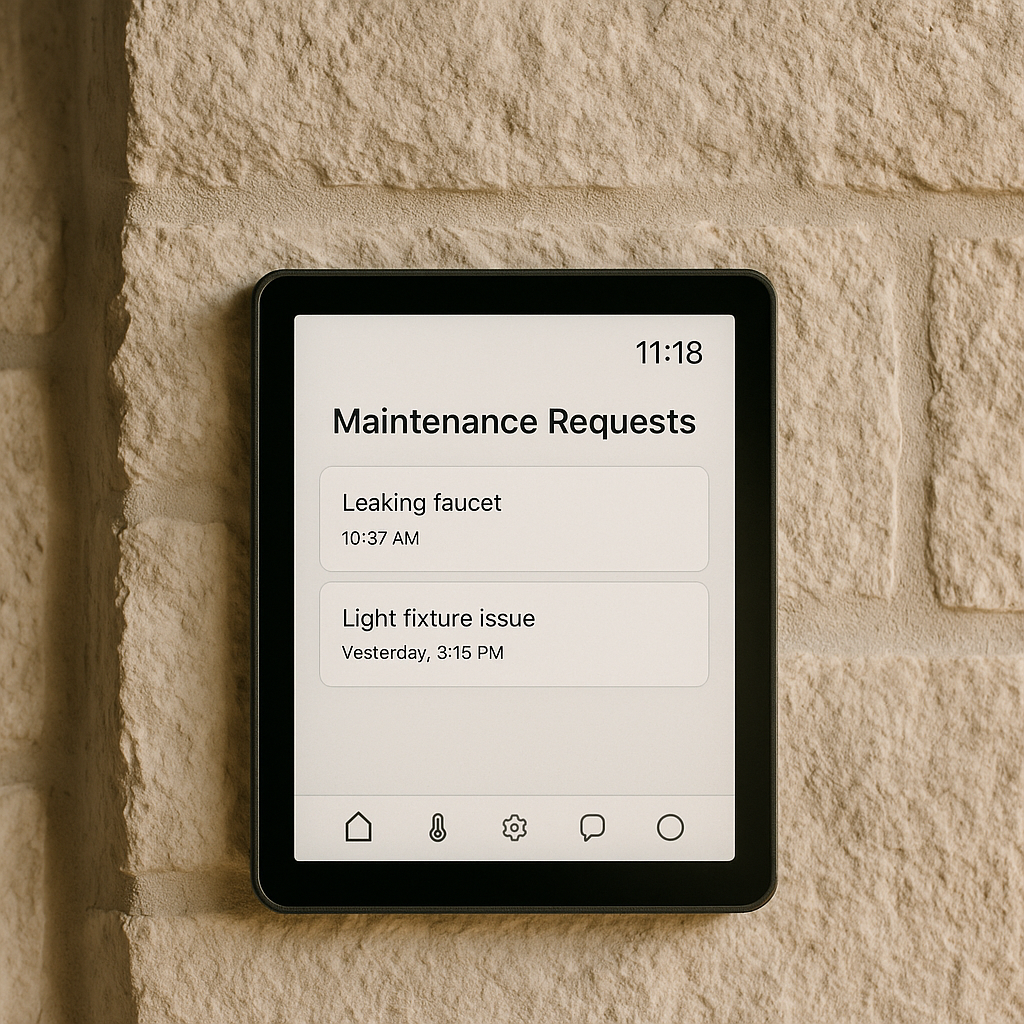
Maintenance requests, complaints, lease questions, and exceptions should come in through a portal, email inbox tied to the property, or a ticketing workflow. For example, a maintenance request tracking workflow should show when the issue was reported, who responded, what vendor was assigned, and when the work was completed.

Write like a neutral third party might read it
If you would not want a judge, investigator, or owner reading your message out loud, rewrite it. Dry, factual, and time-stamped beats emotional and clever.
Reduce legal risk property management operations through consistent leasing
Leasing is where property managers accidentally create the most avoidable risk, especially when they try to be “flexible.” However, consistency is protection.
Keep written screening criteria and follow them
You do not need to be harsh. You need to be consistent. Set criteria, document them, apply them the same way each time, and keep records of what was received and how decisions were made.
In addition, build a tenant screening consistency process that your whole team can follow. Avoid casual “pre-approvals” over the phone. If you have not run the application and verified what matters, it is not a yes.
Watch the words you use around approvals and denials
A lot of fair housing trouble starts with informal explanations. Therefore, stick to objective, process-based language. When in doubt, say less, not more, and point back to documented criteria and next steps. The Fair Housing Act overview from HUD is a useful starting point for understanding protected-class issues.
Don’t freelance your advertising
Marketing language can create risk fast. Use templates. Avoid anything that sounds like steering or preferences. Instead, focus on property features, requirements, and process.
Lease drafting and renewals: stop relying on memory
Leases are only “clear” when they are written clearly and when you operate the property the way the lease says you will.
Use a consistent lease package and addenda
If you manage multiple owners, do not let every owner’s preferences turn into a different lease experience unless it is reviewed and controlled. Every variation increases the odds that staff will misapply a rule.
Track renewals and notice timelines inside a system
A common operational blowup is a non-renewal or rent change handled too late, too informally, or inconsistently. Set calendar-based workflows and documented owner approvals.
In the Texas context, notice timing can be highly consequential. Therefore, if you are not certain what applies in a specific case, slow down, verify, and document. For late rent issues, this guide on handling late rent can help frame the process.
Security deposits: where disputes are born
Security deposit disputes are predictable. They are also preventable.
Your move-in condition process matters more than your opinion
The best deposit outcomes come from a clean, repeatable process. In short, your file should show the condition of the home before the resident moved in and after the resident moved out.
A detailed, photo-backed move-in record
If your make-ready documentation is weak, your deductions will be harder to defend. Photos should be date-stamped and tied to a checklist that matches how your team actually evaluates the home. For a stronger front-end process, review our guide to a rental move-in flow.
Clear resident expectations up front
Many residents do not understand what counts as damage versus wear and tear until after the fact. Explain your standards at move-in, not after move-out.
A consistent, itemized move-out accounting workflow
Whatever your software, create a repeatable path: inspection → photos → invoices → itemization → delivery. In addition, review Texas Property Code requirements with a qualified professional when needed, because deposit deadlines and itemization rules matter. The Texas Property Code Chapter 92 is the key statute for many residential landlord-tenant issues.
Maintenance: the highest stakes operational category
Maintenance is not only about service. It is also about habitability, safety, and response time. If something goes wrong, “we meant to get to it” does not read well.
Categorize issues and set response standards
Not every issue is an emergency. However, your team needs a shared definition of what is. Create categories such as emergency, urgent, and routine. Then train your staff and document how calls are triaged.
Vendor documentation is part of risk management
Require vendors to provide written scopes, completion notes, invoices, and photos when the repair justifies it. Meanwhile, keep those records tied to the property file.
Written scope and completion notes
A repair without documentation becomes your word against the resident’s. Keep scopes, invoices, and photos, especially for repeat issues.
Don’t promise timelines you don’t control
It is tempting to calm someone down with a firm date. Instead, give the process: when it is scheduled, what the next check-in will be, and what is needed for access.
Evictions and notices: process over emotion
Evictions are legal process, not a personality test. The operational risks usually come from shortcuts.
Avoid “DIY notice” improvisation
Notices are one of the most sensitive areas in Texas rentals. A wrong notice, delivered the wrong way, or delivered without proof can set you back.
The operational rule of thumb is simple: use your standard templates, document delivery, and do not mix informal threats with formal steps. If a tenant breaks lease rules, this article on lease rule violations explains how to stay calm and process-driven.
Keep communication calm and consistent
Even when a resident is difficult, your messages should read like the calm adult in the room. Emotional language creates screenshots. Screenshots create problems. Amarillo may be friendly, but screenshots have no manners.
Owner communications: reduce disputes before they start
Property managers can also face risk from the owner side, including claims of negligence, misrepresentation, or mishandling.
Document owner decisions and approvals
If the owner chooses a cheaper repair, delays a replacement, or declines a safety upgrade, document it. You are not trying to “cover yourself” with attitude. Instead, you are creating a clear record of who decided what.
Make financial processes boring
The “boring” stuff prevents the big stuff. Therefore, reconciliations, ledgers, invoices, and disbursement records need to be clean and easy to find.
Reconciliations, ledgers, and audit-ready files
Keep owner accounts clean, document disbursements, and store invoices. If a question comes up later, you should be able to answer it in minutes, not days.
Train your team like consistency is the product
Legal exposure multiplies when only one person knows the process.
Script the common interactions
You do not need robotic staff. You need consistent language.
Late fees, payment plans, maintenance access, renewals
These are the topics most likely to generate complaints. Provide simple internal scripts and “if/then” decision trees so your team does not improvise.
Do regular file reviews
Pick a handful of properties each month and audit the files. As a result, you will catch weak habits before they become expensive problems.
Lease docs, move-in photos, maintenance notes, deposit files
You will spot the patterns that create risk long before a complaint forces you to. For owners comparing their options, the true cost of self-managing often shows up in these missed details.
Common “bad advice” that increases PM legal risk
In the field, we hear a few ideas that sound practical but tend to cause trouble.
“Just text them so it’s faster.”
Texting can be useful, but it often becomes a shadow record. Use it sparingly and move decisions into the system of record.
“We’ll handle it case-by-case.”
Case-by-case without written standards looks like inconsistency. Inconsistency is where claims and complaints breed.
“We’ll worry about documentation if it becomes an issue.”
By the time it is an issue, the documentation gap is already the problem.
A simple operating checklist to reduce risk fast
If you want a practical starting point, focus on these operational moves first:
- One communication channel as the system of record
- Written screening criteria plus a consistent application workflow
- Photo-backed move-in and move-out condition documentation
- Maintenance triage categories plus time-stamped updates
- Notice templates plus documented delivery
- Owner approvals documented inside the property file
Final thoughts: systems beat stress
Reducing property management risk is not about acting like every situation is a lawsuit waiting to happen. Instead, it is about running clean processes so disputes do not have room to grow.
If you manage rentals in Amarillo or the surrounding Panhandle communities and want a second set of eyes on your operational workflows, Blaze Real Estate can help. We can review leasing, documentation, maintenance triage, and owner reporting so your process is easier to run and harder to challenge.
Frequently asked questions
What is the biggest legal risk in property management?
The biggest risk is usually inconsistency. When screening, notices, maintenance, and deposits are handled differently each time, disputes are harder to defend.
How can landlords reduce security deposit disputes?
Use date-stamped move-in photos, a clear checklist, written move-out standards, invoices, and itemized accounting. Also, review Texas requirements with a qualified professional when needed.
Why does maintenance documentation matter?
Maintenance records show when a request came in, how it was triaged, who responded, and what was completed. That timeline can be critical if a resident or owner later questions the response.
Should property managers use text messages with tenants?
Texts can be helpful for quick updates, but major decisions should move into the system of record. This keeps the file complete and easier to review later.
Do I need an attorney for every landlord-tenant issue?
Not every issue needs an attorney. However, notices, fair housing concerns, deposit disputes, and eviction questions should be reviewed with a qualified professional when the facts are unclear.