
If you’re looking at remodeling projects that boost your home sale in Amarillo or anywhere in the Panhandle, don’t start with an HGTV checklist. Start with buyer confidence. New this, rip out that, “open concept” everything may feel productive, but not every project helps you sell for more.
In practice, most remodeling projects don’t pay you back dollar-for-dollar—and some can actively make your home harder to sell if the style choices are too specific. The National Association of Realtors’ remodeling research is a good reminder that return at resale varies by project, budget, and buyer demand, so the goal is not “spend more.” The goal is spend smart.
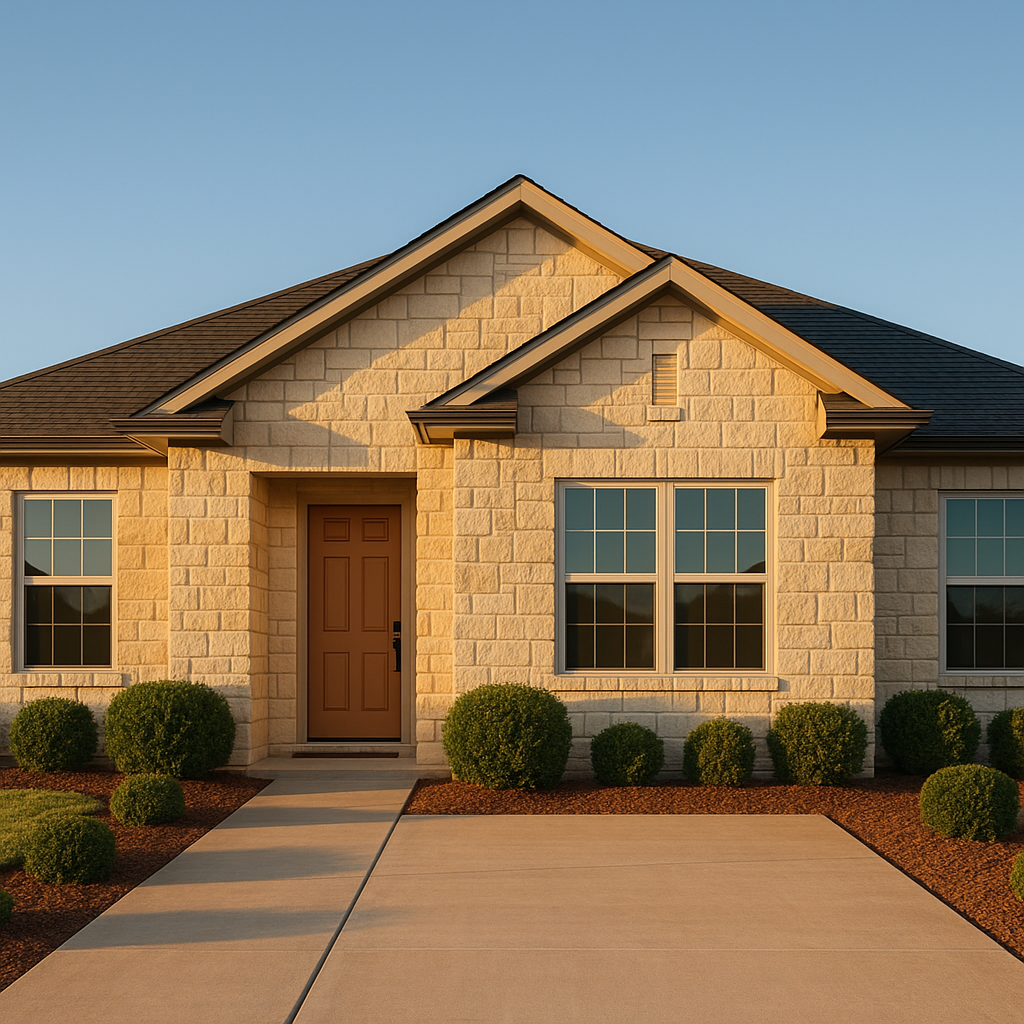
This guide is about remodeling projects that boost your home sale in the real world: what typically helps, what usually doesn’t, and how to choose upgrades that make buyers feel confident without you overspending. If you want the full local seller roadmap first, start with selling a house in Amarillo with a real plan before you start buying tile like you’re opening a showroom.
The goal: higher confidence, cleaner comps, fewer objections
When buyers tour homes, they aren’t calculating your receipts. They’re deciding:
- Does this feel maintained?
- Will I have to do work right away?
- Does anything look risky or expensive?
The remodeling projects that move the needle tend to do one of three things:
- Remove “big problem” signals (leaks, rotting trim, sketchy electrical, visible patchwork)
- Modernize first-impression spaces (kitchen and baths—within reason)
- Make the home show clean and bright (paint, lighting, flooring continuity)
In Amarillo, we also see a practical buyer mindset: people know wind, dust, and weather happen. They’re watching for durability and maintenance, not just style.
Remodeling projects that boost your home sale (most often)
1) Paint: the ROI king (when it’s done right)
A fresh, neutral interior paint job is one of the most consistent “needle movers” for first-time sellers. It’s not glamorous, but it changes everything about how a home photographs and shows.
What works:
- neutral, warm whites or light greiges
- consistent color flow from room to room
- crisp trim if the existing trim is dingy
What backfires:
- ultra-trendy colors that polarize buyers
- sloppy cut-ins, roller marks, or missed prep (buyers notice)
In practice, paint reduces buyer objections because it signals “maintained” and “move-in ready.” Zillow’s guidance on low-cost home improvements also points to interior paint, curb appeal, small bathroom updates, smart-home touches, and flooring as common resale-friendly improvements.
2) Lighting upgrades that make the whole house feel newer
Lighting is a sneaky value driver because it changes the feel of every room. You don’t need designer fixtures—just fixtures that look intentional and updated.
Think:
- replacing dated “boob lights” with simple flush-mount LEDs
- swapping yellowed bulbs for consistent color temperature
- adding brighter kitchen/bath lighting
Good lighting makes photos sharper and reduces the “this feels dark” reaction, which is a common reason buyers mentally discount a house.
3) Kitchen refresh (not necessarily a full kitchen remodel)
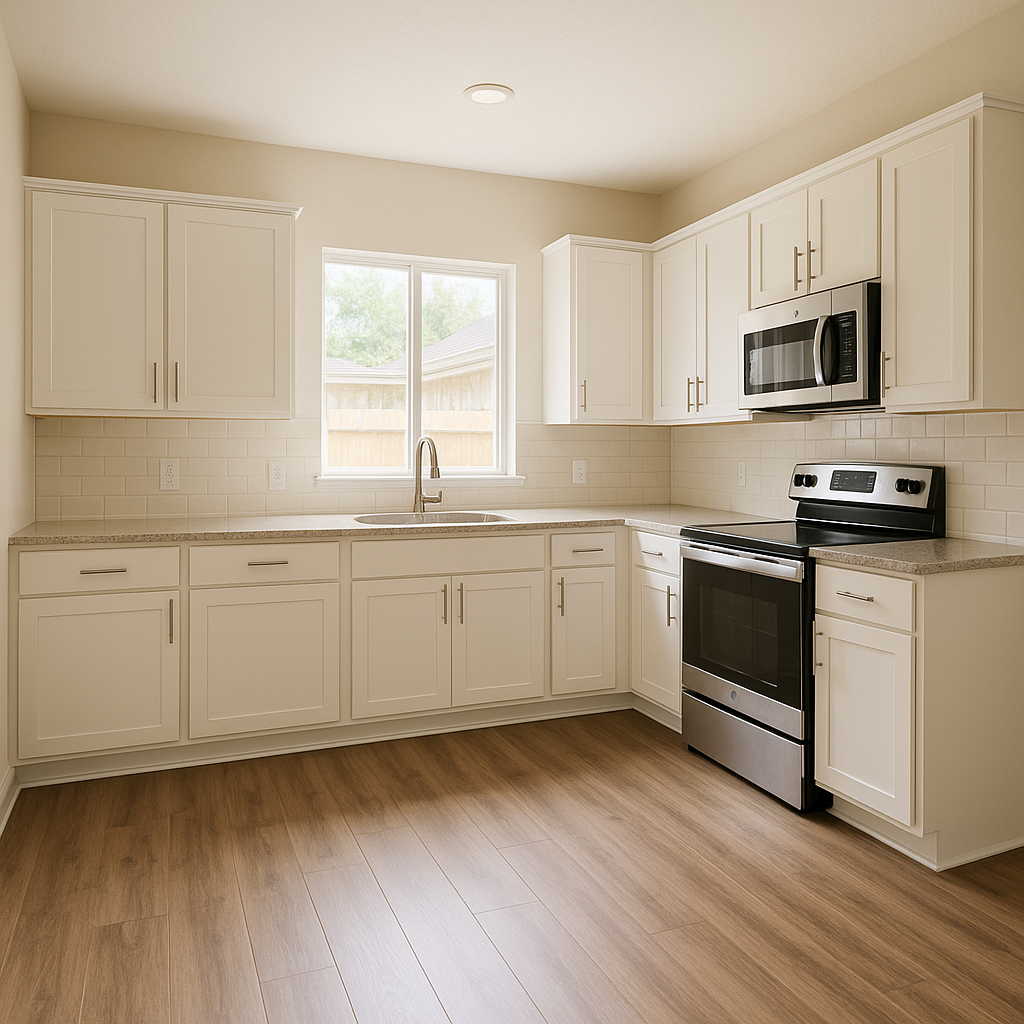
The kitchen is where sellers most often overspend. A full gut remodel can be great—if the price point supports it and the rest of the house matches. But for many first-time sellers, a targeted refresh beats a full redo.
High-impact options:
- painting cabinets if they’re solid and the style is workable
- replacing hardware (knobs/pulls) for a cohesive look
- updating a dated backsplash (simple, clean)
- upgrading a tired laminate countertop in the right price bracket
What usually doesn’t pencil out:
- custom cabinets when the neighborhood comps won’t support it
- luxury appliances that don’t match your likely buyer pool
A strong rule of thumb: don’t build the nicest kitchen on the block if you’re trying to maximize return.
4) Bathroom refresh: clean, bright, and not weird
Bathrooms are small but emotional. Buyers don’t need spa-level upgrades—they need “this is clean, functional, and not a project.”
Strong refresh plays:
- new mirror and light fixture
- modern faucet and shower head
- re-grouting/cleaning tile (or re-caulking neatly)
- replacing a worn vanity top (sometimes the whole vanity)
The fastest way to lose momentum in a showing is a bathroom that feels dingy, poorly caulked, or “DIY questionable.”
5) Flooring: consistency beats premium
In many Amarillo homes, the biggest floor-related issue is mismatch (three types of flooring in adjacent spaces) or worn carpet that makes the whole home feel older.
What tends to help:
- replacing heavily stained or flattened carpet
- using one durable flooring type across main living areas
- refinishing wood floors if you already have them and they’re salvageable
What to be careful with:
- super-trendy LVP colors (very gray, very “farmhouse”) that may date quickly
- cheap flooring with visible seams or poor transitions
If budget is tight, prioritize the areas buyers judge hardest: entry, living room, main hallway, and primary bedroom.
6) Curb appeal: the first 8 seconds matter
Curb appeal doesn’t need a major renovation. It needs “this place has been cared for.” In a windy climate, a messy yard or peeling trim reads as deferred maintenance.
High-return curb appeal work:
- power washing (siding, driveway, walkways)
- fresh mulch or rock with clean edging
- trimming overgrown shrubs (especially covering windows)
- painting a tired front door
- replacing a beat-up mailbox or house numbers
You’re buying attention and optimism before the buyer even walks inside. That matters because curb appeal can also shape the buyer’s first reaction to condition, which is a major factor in avoiding closing delays once inspection and appraisal start asking annoying little questions.
The upgrades that often waste money
Some projects are fine if you want them for yourself—but they don’t reliably increase net proceeds when you’re selling soon.
Full room additions and major layout changes
Major additions can create appraisal and comp issues if the neighborhood doesn’t support the new square footage value. They can also create permit/disclosure questions and longer timelines.
High-end finishes in a mid-range neighborhood
Marble everything sounds nice until your likely buyer is comparing you to other homes priced similarly that are simply “clean and updated.” If you overshoot the neighborhood standard, you may not get paid back.
Hyper-personal design choices
Bold wallpaper, themed rooms, niche tiles, and specialty built-ins can shrink your buyer pool. The best pre-sale updates feel broadly appealing.
Pool installs (for resale)
In our market, a pool can help some homes and hurt others—maintenance expectations, insurance concerns, and buyer preferences vary a lot. Doing it solely for resale is typically a risky bet.
How to decide what to remodel before listing
Step 1: Start with your likely buyer and your price point
A first-time seller mistake is upgrading for “the dream buyer” instead of the most likely buyer. Your likely buyer is determined by:
- neighborhood price band
- school zones and commute patterns
- condition of competing listings
Those local factors matter more than a generic renovation list. Before you choose projects, think through your listing strategy by neighborhood, because Wolflin, City View, The Colonies, Canyon, and older central pockets do not all reward the same improvements.
Step 2: Walk your home like a buyer (or bring in a pro)
Look for:
- anything that looks like a leak, movement, or deferred maintenance
- strong odors (pets, smoke, mustiness)
- dated fixtures that scream “replacement needed”
- rooms that feel dark or crowded
In practice, the “needle” moves most when you eliminate the things buyers use to negotiate hard.
Step 3: Fix the big-ticket condition flags first
If you have a roof near end-of-life, obvious foundation concerns, HVAC issues, or active water intrusion, no amount of new backsplash will save you. Buyers will either walk or discount aggressively.
We’re not saying you always have to replace everything—just that you should address (or price for) the items that blow up deals.
Step 4: Choose updates that photograph well
Online photos are the first showing. Paint, lighting, clean floors, and tidy landscaping consistently outperform “fancy but narrow” upgrades.

Common first-time seller mistakes (and better alternatives)
Mistake: Remodeling without checking neighborhood comps
Better: confirm what buyers are paying for in your area right now, then upgrade to meet (not wildly exceed) that bar.
Mistake: Starting three projects and finishing none
Better: finish fewer projects completely. Half-finished work scares buyers.
Mistake: DIY that looks DIY
Better: if you DIY, do projects that are forgiving (paint with good prep, hardware swaps). For technical trades, hire it out. Buyers can spot shortcuts.
Mistake: Renovating instead of preparing
Better: sometimes the best “remodeling project” is deep cleaning, decluttering, minor repairs, and professional photos. That combination can outperform a mid-grade renovation done in a rush.
Amarillo and Panhandle reality: durability and maintenance sell
Local buyers tend to respect homes that feel sturdy, clean, and maintained. Wind and weather mean exterior upkeep matters. Dust means filters, vents, and clean finishes matter.
If your home shows as “easy to maintain,” you’ll usually get more showings, better offers, and smoother inspections—because the buyer feels fewer unknowns.
Bottom line: remodel to remove objections, not to impress
The remodeling projects that boost your home sale are usually the unsexy ones: paint, lighting, flooring consistency, and targeted kitchen/bath refreshes. They make your home feel cared for, bright, and move-in ready—without forcing you into a risky, expensive renovation.
If you’re considering upgrades before listing in the Amarillo area, Blaze Real Estate can help you prioritize what’s worth doing (and what to skip) based on your neighborhood comps, timeline, and likely buyer expectations. We’ll also help you avoid the classic seller trap: spending real money on improvements the market was never planning to repay.