
Selling a home in Amarillo and the Texas Panhandle rewards the prepared. A seller pre-inspection can help buyers feel confident before they start looking for reasons to hesitate, renegotiate, or run for the nearest Sonic.
In short, a pre-inspection (also called a pre-listing inspection) is one of those “grown-up” seller moves that can change the tone of a transaction. It does not magically make your house perfect. However, it reduces surprises, improves your leverage, and lets you control the timeline.
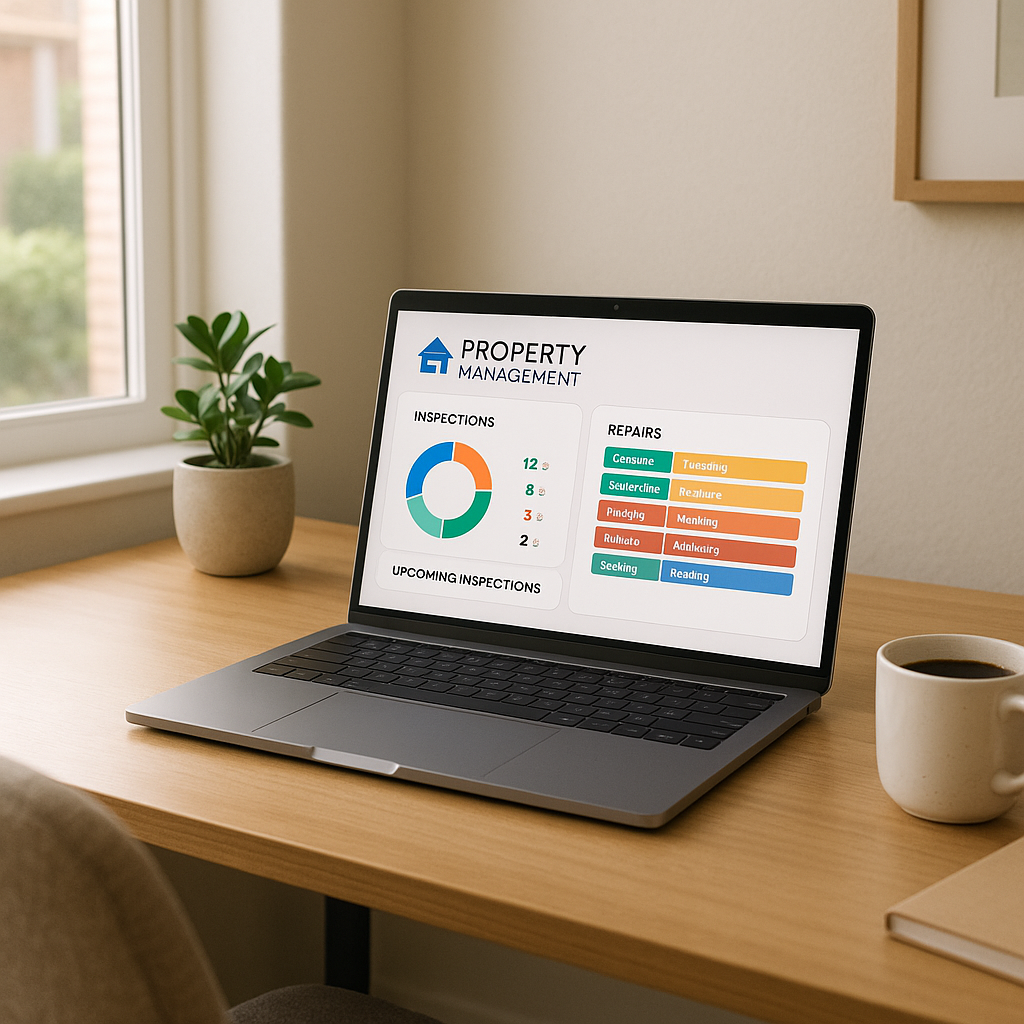
What a pre-inspection is (and what it isn’t)
A pre-inspection is a professional home inspection you order before your home hits the market.
However, it is not a remodel plan. It also is not a guarantee that a buyer will skip their own inspection. In most transactions, the buyer will still hire their own inspector. The difference is simple: you are no longer walking into that phase blind.
Why a seller pre-inspection is a power move
In practice, negotiations usually get messy for one reason: someone learns something important too late.
As a result, an inspection before listing gives you information early, while you still have options. For a broader look at pricing, prep, showings, and negotiation, see our guide on how to sell a house in Amarillo.
1) You trade panic for planning
When a buyer’s inspection report shows up mid-contract, the clock starts ticking. The buyer feels pressure, the seller feels defensive, and everyone starts making decisions under deadlines.
With a pre-listing inspection, you can:
- decide what to fix now versus what to price accordingly
- schedule repairs on your terms and with your preferred vendors
- avoid the “we need this done in 5 days” scramble
2) You reduce renegotiation leverage
Buyers often use inspection findings to reopen the deal. Sometimes that is fair. Sometimes it is just a bargaining tool.
Instead, when you already know your home’s condition, you can respond with clarity:
- “We addressed that already—here’s the invoice.”
- “We priced the home with that in mind.”
- “That item isn’t a functional defect; we’re not renegotiating it.”
You are not guessing. You are deciding.
In addition, clear condition information can make seller concessions more strategic instead of emotional.
3) You can fix the right things (not random things)
A lot of sellers spend money on the wrong prep work. They chase trendy updates that do not move the needle, while a simple safety or function issue creates buyer anxiety.
For example, an inspection can help you decide what to fix before listing. It may point to electrical concerns, roof condition indicators, HVAC performance notes, plumbing leaks, or foundation red flags. Sometimes the best move is not a repair. It may be to monitor, document, and price with a clear plan.
Still, not every project deserves your money. If you are weighing upgrades, compare inspection findings with remodeling projects that boost resale before you start writing checks.

4) You strengthen your disclosure accuracy
Texas sellers are typically expected to provide disclosures about the property’s condition. An upfront inspection can help you complete those disclosures more accurately.
For reference, Texas Property Code Section 5.008 covers the state’s seller disclosure notice requirements, and you can review the statute through the Texas Constitution and Statutes site.
Important note: this is not legal advice, and disclosures can be nuanced. Therefore, review questions with your agent or a qualified professional. The practical takeaway is simple: when you know more, you can avoid “I didn’t realize that” moments that create friction later.
5) You protect your closing timeline
Deals fall apart when surprises show up late. This is especially true if the buyer’s lender or insurer gets worried about condition issues.
As a result, an inspection before listing helps you identify possible deal-killers early. You can address them before a buyer is emotionally and financially invested. That can also help you avoid closing delays once you are under contract.
When a pre-inspection is especially smart in the Panhandle
Not every house needs the same approach. However, we often see pre-listing inspection benefits in situations like these:
Older homes with “known unknowns”
If your home has age on it, buyers are already bracing for issues. Older electrical, older plumbing, pier-and-beam areas, or a roof with a long history can all raise questions. A pre-listing inspection helps you control the narrative with facts.
Homes with big-ticket systems near end of life
If the HVAC is old, the water heater is old, or the roof is “maybe okay…maybe not,” an early inspection helps you decide whether to service, replace, or price strategically.
Competitive price points
If you are listing in a range where multiple offers are possible, confidence matters. Buyers move faster when they feel the home is less likely to become an inspection nightmare.
Meanwhile, pricing still has to match the market. Avoid giving back your inspection advantage by making one of the worst pricing mistakes Panhandle sellers make.
The honest downsides (yes, there are a few)
A pre-listing inspection is a tool, not a magic wand. Here is what to consider.
You may uncover things you now have to deal with
If an inspection identifies an issue, you may need to address it in disclosures and adjust your strategy. That is not fun. However, finding out early is usually cheaper than finding out mid-contract.
It costs money upfront
You are paying for an inspection before you are under contract. For many sellers, the upside in smoother inspection negotiations for sellers outweighs the cost. Still, it is a budget line item.
Buyers will still do their own inspection
A pre-listing inspection does not replace the buyer’s inspection. Instead, it reduces the odds that the buyer’s report becomes a surprise attack.
How to use a pre-inspection strategically (not just “get one and hope”)
If you are going to do this, do it like an operator.
Choose the right timing
Do the inspection after basic prep but before you go live on the market. For example, make sure lights work, attic access is clear, the HVAC filter is changed, and utilities are on.
Therefore, the report is more likely to reflect the home accurately. You also avoid preventable “couldn’t test” notes that make buyers nervous.
Decide: repair, credit, or price
Not every item should be repaired. Some are cheap and obvious, so knock them out. Others are expensive or subjective, so those may be better handled with pricing or a credit.
In short, the goal is not perfection. The goal is fewer surprises and stronger positioning.
Document what you fix
If you repair something, keep invoices, receipts, permits when applicable, and warranty information. In real negotiations, documentation is your friend.
Don’t overreact to cosmetic notes
Inspection reports can look scary because they are long. Many comments are maintenance reminders, not deal-breakers. A good listing strategy separates “real risk” from “normal homeownership.”
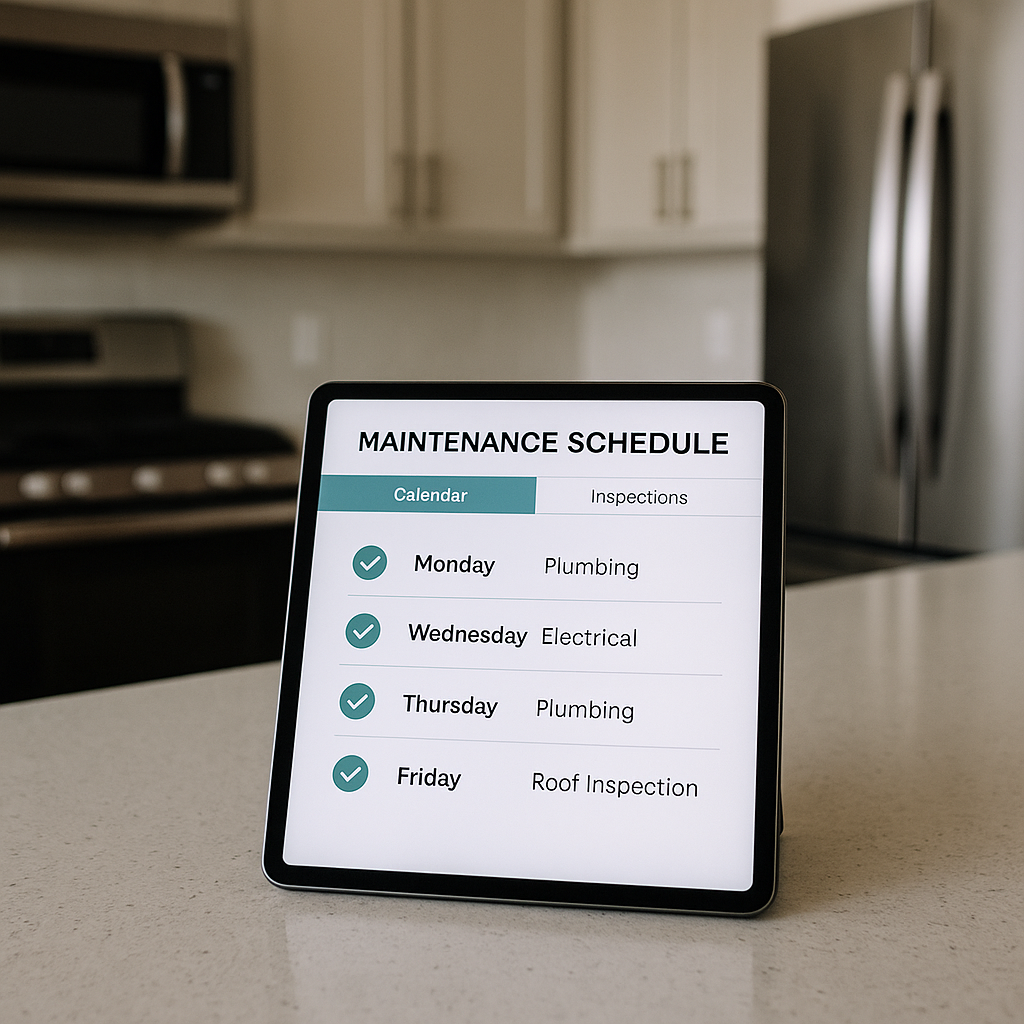
Common seller mistakes we see with pre-inspections
Treating the report like a punch list
You do not need to fix everything. Instead, fix what improves marketability, safety, function, or financing and insurance viability.
Doing repairs without confirming market impact
Spending $8,000 on the wrong project hurts more than leaving a known issue and pricing accordingly. Strategy comes first. Receipts come second.
Hiding the ball
If you discover an issue and try to outrun it, it usually comes back at the worst possible time. That is when you have the least leverage.
Therefore, one of the simplest home selling disclosure tips is also the most useful: be accurate, be clear, and discuss gray areas with your agent or a qualified professional.
Bottom line: a pre-inspection gives you control
A pre-inspection shifts the transaction from reactive to proactive. You learn what a buyer will likely learn early enough to respond on your terms.
If you are considering selling in Amarillo or the surrounding Panhandle, we can help you decide whether this strategy fits your home, your timeline, and your risk tolerance. We can also help you use the results to price and negotiate from a position of strength.
FAQ: Pre-inspections for Amarillo sellers
Is a pre-listing inspection required in Texas?
No. A pre-listing inspection is not required for most Texas home sales. However, it can help you understand the home’s condition before a buyer’s inspection creates pressure.
Should I fix everything in the inspection report before listing?
No. Focus on items that affect safety, function, marketability, financing, or insurance concerns. Review the report with your agent before spending money.
Will buyers still order their own inspection?
Usually, yes. Most buyers still hire their own inspector. However, your upfront report can reduce surprises and support stronger negotiation decisions.
Do I have to disclose issues found in a pre-inspection?
Texas disclosure rules can be nuanced. In general, known property condition issues matter, so review the report and disclosure questions with your agent or a qualified professional.
When should I schedule a pre-listing inspection?
Schedule it after basic prep is done but before the home goes live. That gives you time to repair, document, price, or plan your response.