
Why Maintenance Planning Matters for Residential Investors in Amarillo
As a residential investment owner in the Texas Panhandle, you know Amarillo weather can be rude on a Tuesday and expensive by Friday. Maintenance planning helps you stay ahead of freeze-thaw cycles, high winds, hail, and hard summer heat before small issues become budget-eating surprises. In short, smart upkeep protects property value, steadies cash flow, and keeps tenants from calling you during dinner.
Preventative vs. Reactive Maintenance: A Key Factor in Your ROI
You can fix problems after they blow up, or you can prevent many of them with routine care. However, reactive maintenance usually costs more because it happens under pressure. It can also disrupt cash flow, annoy tenants, and turn a simple repair into a weekend emergency.
In Amarillo’s climate, small misses add up fast. For example, worn weather seals can let in cold air and moisture. Dirty HVAC filters can strain equipment during peak heat or a hard freeze.
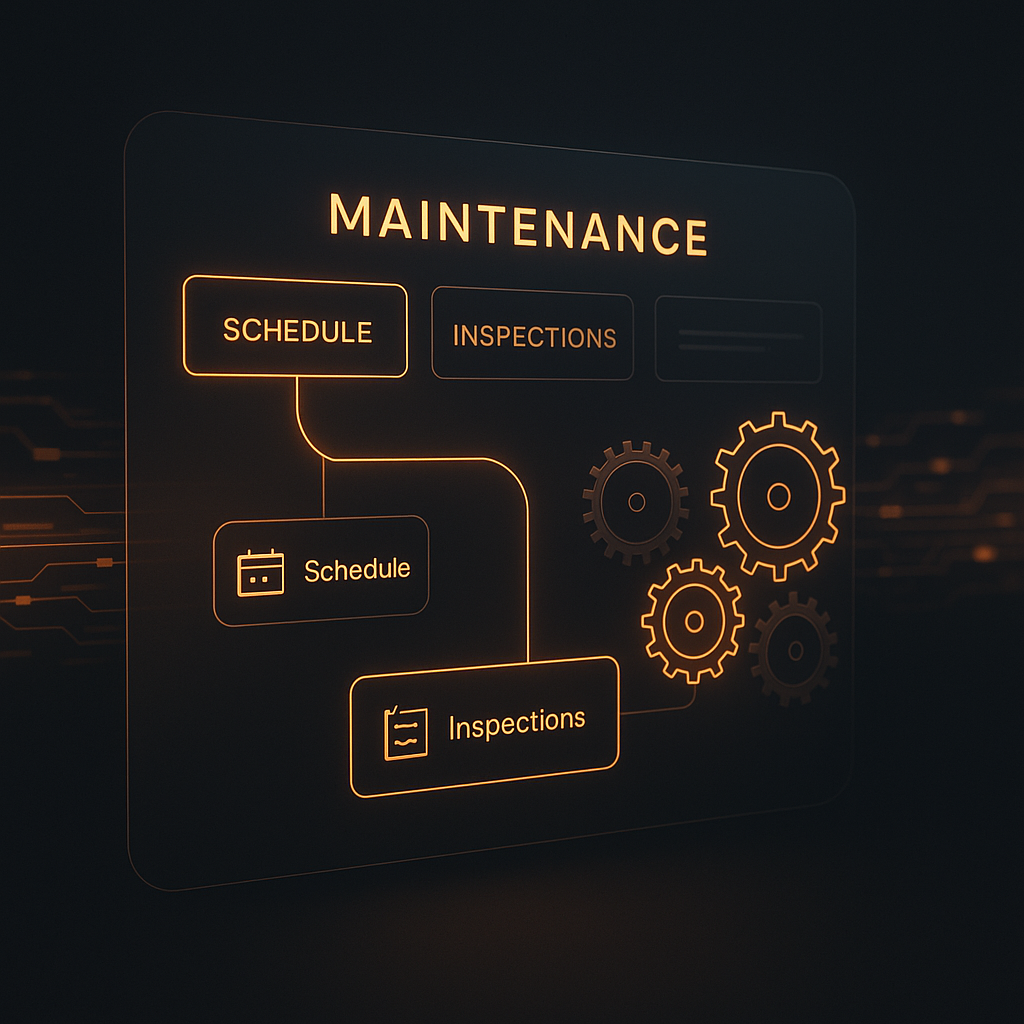
Preventative upkeep includes scheduled inspections and basic system care. That may include seasonal HVAC servicing before summer, roof checks after hail season, and plumbing inspections before freeze cycles. As a result, you get fewer emergencies and a more predictable repair budget.
For a broader look at managing rentals in this market, start with our Panhandle landlording guide. It connects maintenance, leasing, tenant communication, and risk control into one practical framework.

Building Your Maintenance Planning Checklist: Practical Steps for Amarillo Investors
- Seasonal HVAC servicing: Check heating before winter and prepare air conditioning ahead of summer’s heat. ENERGY STAR also recommends regular filter changes and system care to improve performance and reduce strain on equipment; see its HVAC maintenance checklist for general guidance.
- Roof and gutter inspections: After hail storms or high-wind events, inspect for damaged shingles, loose flashing, clogged gutters, and drainage issues.
- Plumbing and weatherproofing checks: Look for leaks, slow drains, exposed pipes, and deteriorating seals before freezing weather arrives.
- Exterior upkeep: Inspect siding, paint, trim, fences, and drainage areas so weather damage does not creep into bigger repairs.
- Safety and habitability items: Test smoke detectors, check door and window function, and address repairs that may affect tenant safety or property condition.
These checkpoints help you catch small problems early. Therefore, you lower the chance of emergency repairs, vacancy delays, and tenant frustration.
Still, the best checklist is the one you actually use. Keep it simple, calendar-based, and tied to Amarillo’s seasons.
Documenting and Assessing Your Property’s Condition
Begin with a detailed property assessment. Note the age and condition of the roof, plumbing, HVAC, appliances, flooring, exterior paint, and major systems.
Then document every repair, service call, and inspection. Good records support better budgeting and cleaner owner decisions. They may also help with tax reporting, but you should review deductions and depreciation questions with a qualified tax professional.
In addition, records show lenders, buyers, and future vendors that the property has been managed with care. If you ever sell or refinance, that paper trail can help tell a stronger story.
Maintenance records also reduce guesswork. Instead of wondering when the water heater was last serviced, you can check the file and move on with your life. Wild concept, we know.
Aligning Maintenance with Your Investment Timeline
Your repair strategy should match your hold period. For shorter holds, often under five years, focus on system care, clean curb appeal, and repair items that could hurt resale value.
Meanwhile, long-term investors may benefit from pairing essential repairs with steady upgrades. Better flooring, durable fixtures, and improved exterior condition can support tenant satisfaction and stronger lease renewals.
Many owners use a hybrid approach. They fix urgent items right away, then schedule value-add upgrades between leases. As a result, the property improves without turning every month into a capital project.
If vacancy is your biggest concern, your repair schedule should also support fast turns. Our guide on reducing vacancy explains how condition, pricing, and timing work together.
The Bottom Line: Upkeep as a Driver of Investor Success
Maintenance affects net operating income, vacancy, tenant retention, and property value. In the Texas Panhandle, it also protects your rental from wind, hail, dust, heat, and freeze damage.
Tenant retention often starts with property condition. For example, a home with working systems, clean finishes, and quick repair response gets fewer complaints. It also gives good tenants fewer reasons to leave.
In addition, organized upkeep can lower legal and operational risk. Texas landlords should understand repair duties under the Texas Property Code, and they should consult a qualified professional for legal questions. Our article on reducing legal risk also outlines practical systems that help owners stay organized.

How Blaze Helps Investors Stay Ahead
At Blaze Real Estate, we help investors create practical upkeep plans for Amarillo rentals. Our team coordinates trusted vendors, tracks work order history, and helps owners make repair decisions based on condition, timing, and long-term goals.
Instead of waiting for the next surprise, we help owners build a rhythm. That may include seasonal inspections, repair follow-up, vendor scheduling, and better communication with tenants.
If you are comparing the real cost of doing all of this yourself, our breakdown on self-managing a rental is a useful next read. It covers the time, risk, and hidden costs many owners overlook.
In short, maintenance is not just repairs. It is one of the most practical ways to protect and grow your Amarillo rental portfolio.
Maintenance FAQs for Amarillo Rental Owners
How often should I inspect my Amarillo rental property?
Most owners should schedule at least seasonal exterior checks and routine interior inspections when allowed by the lease and Texas law. In addition, inspect after major hail, wind, or freeze events.
What maintenance items matter most in the Texas Panhandle?
HVAC systems, roofs, gutters, plumbing, weather seals, and exterior finishes usually need the most attention. These items take the hardest hit from heat, wind, hail, and freezing weather.
Should I repair or replace an older system?
It depends on age, cost, performance, and your investment timeline. However, if repairs are frequent or the system is near the end of its useful life, replacement may create better long-term value.
Can better maintenance reduce vacancy?
Yes. A clean, functional, well-maintained rental usually shows better, turns faster, and gives tenants more reason to renew.
Do I need a property manager for maintenance coordination?
Not always. Still, a property manager can help schedule vendors, document repairs, track work orders, and reduce the stress of after-hours calls.