
If you need to know what to do when your listing goes cold in Amarillo or the Texas Panhandle, start here: a cold listing usually is not a mystery. If your home has been on the market long enough that showings slowed down or stopped, the market is giving feedback—you just need to read it without getting defensive.
This guide breaks down what to do when your listing goes cold, how to diagnose the real cause, and how to relaunch with a plan that gets attention from the right buyers—without panic moves that cost you money. If you want the broader seller roadmap first, start with selling a house in Amarillo with a plan instead of guessing your way into another quiet week.

What “listing goes cold” usually means
A cold listing isn’t just “days on market.” It’s a pattern:
- Online views are okay, but showings drop off
- Showings happen, but no second showings
- You get low offers (or none)
- Feedback repeats the same concerns (price, condition, smell, layout, location)
In practice, the market tells the truth fast. The first 7–14 days are your highest-intent window. If you miss that window, the plan isn’t “wait longer.” The plan is to adjust what buyers are reacting to.
Step 1: Stop guessing—pull clean data
Before you change anything, get the facts in one place:
- Showings per week trend (not total)
- Online traffic trend (views, saves, shares)
- Comparable listings that went under contract (not just active)
- Buyer feedback themes (even if it’s blunt)
Here’s the tell-it-like-it-is version: if you have strong online activity but weak showings, the price-to-condition story is off. If you have showings but no offers, something is scaring buyers after they walk in.
Step 2: Diagnose the real problem (it’s usually one of these)
Most cold listings boil down to one primary issue. Sometimes there are two, but one is usually driving the bus.
Pricing: you’re not in the right “search bucket”
In Amarillo and the Panhandle, buyers shop in price bands, often tied to lender approvals and online filters. If you’re priced at $312,000 and the action is at $299,000 or $325,000, you can be invisible to your best buyers.
What we often see: sellers price based on what they “need” or what a neighbor got last year. Buyers price based on today’s options.
A strong adjustment is usually:
- A move that places you clearly into a more active bracket
- A change big enough to look like a new opportunity, not a stubborn inching down
This is where avoidable pricing mistakes hurt twice: first by reducing early showings, then by making later buyers assume you are negotiable because the listing has gone stale.
Presentation: photos and first impression aren’t earning the showing
Your online presentation is your first showing. If your photos, lighting, or staging feel “heavy,” buyers assume the house is more work than it is.
Common culprits:
- Dark rooms (bulbs too warm/dim, blinds closed)
- Overfilled furniture making rooms look smaller
- Pet evidence (even when it’s “not that bad”)
- A strong smell (candles don’t fix this—clean does)
If your home looks better in person than online, you’re losing the buyers who never booked the appointment.
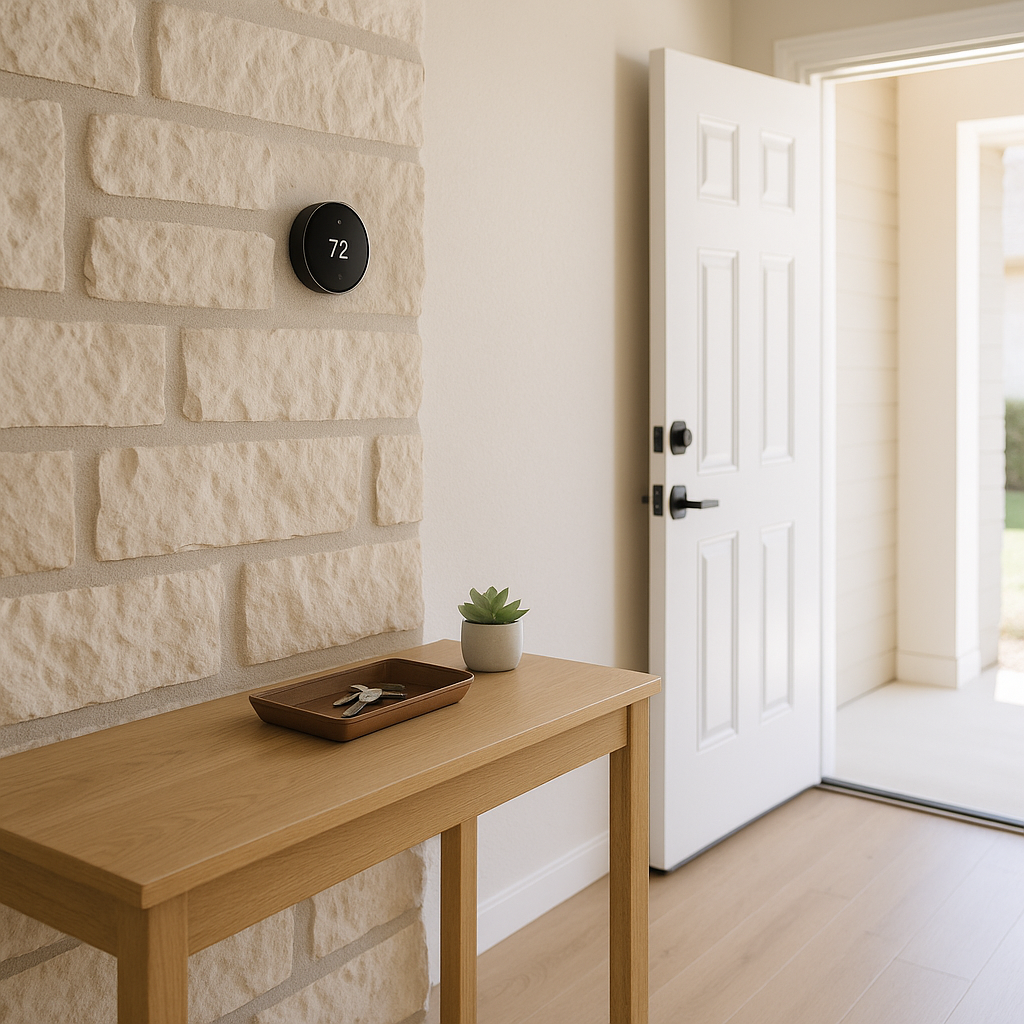
Condition: buyers are mentally tallying repairs
Buyers will forgive a lot, but they won’t forgive uncertainty. If the house feels like a question mark—roof age, HVAC performance, foundation history—many buyers just move on.
In the Panhandle, we also see “functional” issues matter more than you’d think: worn flooring, dated fixtures, and deferred exterior maintenance can read like, “What else did they ignore?” If you are going to spend money before a relaunch, focus on remodeling projects that boost buyer confidence instead of random cosmetic upgrades.
Access: showings are harder than they should be
If your home is difficult to show, it will go cold—period.
Examples:
- Limited showing windows
- Too much notice required
- Tenants or pets making access complicated
- “No showings until the weekend” rules
Buyers don’t wait. They see three houses Saturday, pick one, and move forward.
Marketing: you’re listed, but not launched
“MLS + a sign” is not a launch. When a listing goes cold, it’s worth auditing whether your marketing is actually reaching qualified buyers.
A relaunch plan might include:
- New photography (not “more,” but better)
- A sharper description that answers objections
- Clear value positioning (updates, systems, lot benefits)
- A focused push to agents who sell in that bracket
Step 3: Fix the sequence—don’t drop price before you fix what price can’t solve
Price is powerful, but it’s not magic. If you drop the price while the home still shows poorly, you often attract “discount shoppers” who will negotiate harder and inspect harder.
A better order of operations is usually:
- Fix presentation and access
- Clarify condition (or pre-inspect if it makes sense)
- Then adjust price—once you’re confident buyers are seeing the home at its best
That way, a price change isn’t a desperate move. It’s a relaunch backed by improvements.
Step 4: Reposition with comps that actually matter
When sellers look at comps, they often focus on active listings. Active listings are your competition, but pendings and recent under-contracts are the “market vote.”
Ask your agent to show you:
- What sold or went pending in the last 30–60 days
- How your home compares on updates, layout, and lot
- What the buyer likely noticed first
If similar homes are moving and yours isn’t, the market is telling you your home is effectively priced higher than those homes once buyers account for differences. That is why your listing strategy by neighborhood matters more than one pretty comp your neighbor keeps bringing up at the mailbox.
Step 5: Use buyer feedback—without taking it personally
Feedback isn’t an insult; it’s a pattern detector.
If you repeatedly hear:
- “Feels dated” → pick one high-visibility refresh (often paint + lighting)
- “Smelled like pets” → deep clean + air out + HVAC filter + carpet treatment
- “Too much to do” → fix the obvious deferred items and document what’s been serviced
- “Price seems high” → check bracket positioning and active competition
In practice, one or two targeted improvements can do more than a small price cut, because they remove the reason buyers hesitate.
Step 6: Consider incentives (carefully)
In slower stretches, incentives can help—especially if rates are a buyer concern. But incentives should be clean and simple.
Examples that often work better than gimmicks:
- Offer to contribute toward closing costs (buyer can use toward rate buy-down if their lender allows)
- Pay for a specific repair item discovered in advance
- Include a home warranty if it fits the property and price point
The Consumer Financial Protection Bureau explains that discount points and lender credits affect the tradeoff between upfront costs and mortgage rate. That is why a smart incentive may matter more to a buyer than a small list-price drop.
The goal is to reduce buyer friction, not to advertise desperation. A clean seller concession strategy can help you compete without turning the listing into a clearance rack.
Step 7: Relist vs. refresh: what actually changes the outcome
Some sellers ask whether they should cancel and relist to “reset days on market.” That can help in limited situations, but only if something meaningful changes.
A relaunch works when you pair it with real adjustments:
- Improved photos and presentation
- Better access
- Clear repositioning (price bracket, incentives, or condition clarity)
If nothing changes except the counter, the buyer experience won’t change either.
Common mistakes that keep a listing cold
Here are the traps we see most often in Amarillo listings that stall out:
- Tiny price drops that don’t move you into a new buyer pool
- Over-improving (expensive upgrades that don’t pay back)
- Ignoring access issues (buyers can’t see it, buyers can’t buy it)
- Defensive reactions to feedback instead of responding strategically
- Chasing last year’s market instead of today’s buyer behavior
What to do this week: a simple relaunch plan
If your listing goes cold, here’s a practical one-week approach:
- Day 1–2: Review showing trend + feedback themes + sold/pending comps
- Day 3: Fix access and curb appeal; declutter to “model home” level
- Day 4: Refresh key visuals (lighting, staging tweaks, pro photos if needed)
- Day 5: Decide on price bracket positioning and any clean incentive
- Day 6–7: Relaunch marketing with a clear message: what changed and why it’s a strong value now
Done right, you’re not “starting over.” You’re responding to the market with a smarter version of your original plan.
Closing: when your listing goes cold, the market is giving you a roadmap
When your listing goes cold, the fix is rarely complicated—but it does need to be honest. The market is reacting to a mismatch between price, presentation, condition, access, or messaging. Identify the mismatch, correct it, and relaunch intentionally.
If you want a second set of eyes, Blaze Real Estate can walk you through a cold-listing audit: what the data says, what buyers are likely seeing, and what changes will actually move the needle in the Texas Panhandle market. We can also help you avoid the repair, appraisal, financing, and paperwork issues that lead to closing delays when selling once the right buyer finally shows up.
Frequently Asked Questions
What does it mean when a listing goes cold?
A listing goes cold when buyer activity slows down or stops. That may mean fewer showings, no second showings, repeated negative feedback, low offers, or no offers at all. It is usually market feedback about price, condition, presentation, access, or messaging.
Should I lower the price when my listing goes cold?
Maybe, but do not start there automatically. First check your presentation, showing access, buyer feedback, and current competing listings. If the home still shows poorly or access is difficult, a price drop may only attract tougher negotiators instead of better buyers.
How long should I wait before changing my listing strategy?
In many Amarillo-area price points, the first 7–14 days are the strongest buyer attention window. If showings are weak or feedback repeats the same concerns during that period, it is smart to evaluate the strategy quickly instead of waiting for the listing to get stale.
Can new photos help a cold listing?
Yes, if the original photos are part of the problem. Better photos can help when the home looks dark, cluttered, dated, or smaller online than it feels in person. But new photos should usually be paired with real prep changes, better lighting, cleaner presentation, or repositioned marketing.
Is relisting a cold listing a good idea?
Relisting can help only if something meaningful changes. A new MLS entry without better pricing, improved presentation, easier access, or clearer value positioning usually does not change the buyer experience. A true relaunch should give buyers a reason to take a fresh look.