
If you need to choose the right listing strategy by neighborhood in Amarillo or the Texas Panhandle, start with this: selling a home is not just “put it on the MLS and wait.” The right plan depends on what your neighborhood typically attracts, how buyers behave there, and what your specific house does better—or worse—than the competition.
This guide breaks down how to choose the right listing strategy for your neighborhood so you don’t overprice, under-market, or accidentally scare off the exact buyers you need. If you want the broader seller roadmap first, start with selling a house in Amarillo with a plan instead of guessing your way into stale-listing jail.
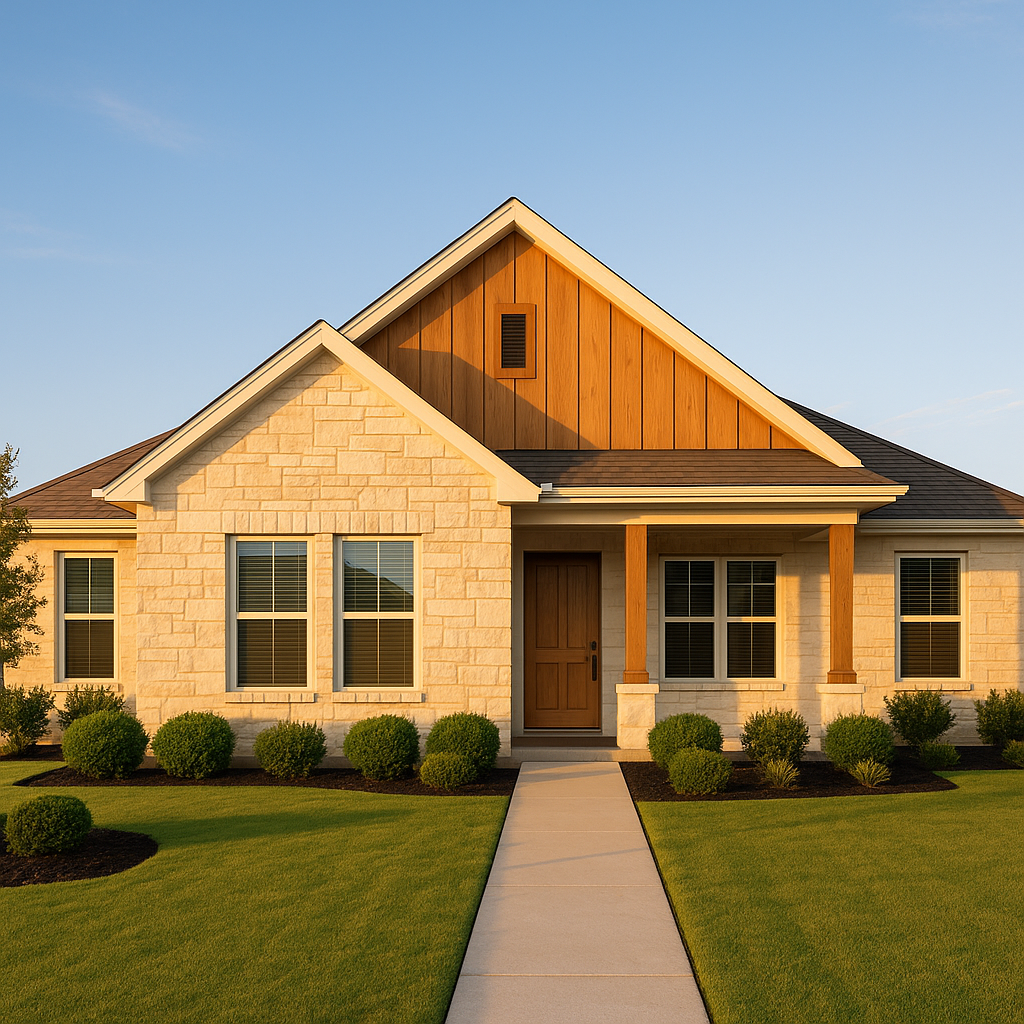
What a neighborhood-based listing strategy really means
A listing strategy is the full game plan: pricing, prep, timing, marketing, showing rules, offer handling, and negotiation posture.
A neighborhood-based strategy starts with one reality: buyers shop neighborhoods differently.
In practice, what works in one pocket of Amarillo won’t always work a few miles away. The buyer pool, financing types, competition, and even how quickly homes get shown can shift—fast.
Start with the buyer pool in your neighborhood
Before you choose a strategy, you need a clear picture of who is most likely to buy your home.
Owner-occupants vs. investors
Some neighborhoods lean heavily owner-occupied. Others attract more investor attention—especially if the price point works for rentals.
That mix changes:
- how sensitive buyers are to condition
- how much inspection pushback you’ll get
- how aggressive the negotiation will feel
- how important financing-friendly condition becomes
Financing reality: FHA/VA vs. conventional vs. cash
You don’t pick a strategy based on what you wish buyers would use. You pick it based on what they actually use in your area.
If your neighborhood skews toward FHA/VA buyers, condition and appraisal risk matter more. HUD explains that FHA appraisers review whether the property meets minimum property standards, so obvious safety, security, or soundness issues can matter before closing. If it’s more cash/conventional, you can sometimes lean harder on speed and certainty.
Pricing strategy by neighborhood: the part most people get wrong
Pricing is where “neighborhood strategy” shows up the loudest.
Use the neighborhood’s comp rhythm—not just the prettiest sale
In Amarillo, we often see sellers latch onto the highest sale in the last 12 months and treat it like a promise. The market doesn’t work like that.
A smart pricing plan looks at:
- what is selling right now (not just last year)
- how long similar homes take to go under contract
- how often buyers ask for concessions in that pocket
- how much “inventory pressure” exists (how many alternatives buyers have)
This is where many sellers make avoidable pricing mistakes: they use one impressive comp instead of the neighborhood’s actual pricing pattern.
Decide what you’re optimizing for
You’re usually optimizing for one of these:
- Maximum price (often requires time, prep, and tolerance for negotiations)
- Fast and clean (often trades some price for certainty)
- A specific timeline (job transfer, closing coordination, school schedule)
Neighborhoods influence how realistic each goal is. Some areas support “test the market” pricing. Others punish it quickly—because buyers have options and move on.
Pick the right marketing intensity for your neighborhood
Not every neighborhood needs (or benefits from) the same marketing approach.
When “standard exposure” is enough
If your neighborhood has steady demand, limited competing inventory, and homes tend to sell quickly when priced correctly, then the strategy often leans toward:
- clean pricing
- strong photos and accurate details
- easy showing access
- quick offer response time
In those cases, overcomplicating things can backfire. Buyers don’t need a production—they need a house they can confidently say “yes” to.
When you need to manufacture urgency
If your neighborhood has more competition, slower absorption, or a buyer pool that’s picky on condition, you may need a more aggressive plan:
- tighter pre-list prep standards
- stronger launch timing
- clearer offer deadline strategy (when appropriate)
- more intentional messaging around upgrades, layout, and lifestyle
This isn’t about hype. It’s about making sure buyers notice you—and understand why your home beats the other three they’re touring the same weekend.
Prep strategy: what your neighborhood will and won’t forgive
Every neighborhood has a “condition baseline.” Buyers subconsciously compare your home to what they expect for that area and price point.
Know your neighborhood’s baseline expectations
In some areas, buyers expect move-in ready: clean paint lines, updated fixtures, and minimal deferred maintenance. In others, buyers expect to do some work—but they still expect the home to be functional and financed without drama.
The goal is not to create a perfect house. The goal is to remove the obstacles that cause:
- fewer showings
- lower offers
- tougher inspection negotiations
- appraisal problems
Focus on friction reducers
The best pre-list improvements are usually boring:
- fix obvious leaks and electrical quirks
- service HVAC if it’s been ignored
- address trip hazards, rotten trim, and sticking doors
- improve lighting and cleanliness
In practice, the “small stuff” is what makes buyers feel like the big stuff might be hiding. If you are deciding where to spend money before listing, focus on remodeling projects that boost buyer confidence instead of upgrades that only look good on a receipt.
Timing your launch around neighborhood demand
Neighborhood strategy includes when you list—not just how.
Watch the neighborhood’s micro-seasonality
Even inside Amarillo, different areas see different buyer patterns. School calendars, relocation cycles, and price-point demand can all change how your launch performs.
A good plan considers:
- how many active competing listings are in your neighborhood right now
- whether recent pendings indicate buyers are acting or stalling
- how quickly new listings are getting showings in that price band
Don’t “test the market” if your neighborhood punishes staleness
Some neighborhoods are brutal about days on market. Once a listing feels stale, buyers assume something is wrong—even if nothing is.
If your area has that dynamic, your best strategy is often:
- price correctly from day one
- launch with strong photos and a clean story
- keep showing access simple
If the listing already missed that early window, you need a plan for when your listing goes cold, not another week of hoping the algorithm develops sympathy.
Showing strategy: match the neighborhood’s buyer behavior
Showing rules can help you—or quietly kill momentum.
If buyers shop fast, make access easy
In neighborhoods where homes move quickly, buyers and agents expect to get in without a week of back-and-forth.
Overly restrictive showing windows can reduce showings, which reduces offers, which reduces leverage.
If your home is occupied, you still need a plan
Occupied homes sell every day—but you need structure:
- consistent daily showing blocks
- clear instructions for pets
- quick confirmation responses
A neighborhood-based strategy means matching the showing approach to how quickly buyers in that area make decisions.
Offer strategy: choose your negotiation posture before you list
Most sellers decide their negotiation posture after the first offer hits—when emotions are highest.
A better approach: decide ahead of time what you’ll prioritize.
If your neighborhood attracts multiple offers
You’ll want a clear plan for:
- offer deadlines (used carefully and honestly)
- how you’ll evaluate financing strength
- how you’ll handle appraisal risk
- how you’ll compare a higher price vs. fewer contingencies
If multiple offers are likely, the Consumer Financial Protection Bureau’s explanation of mortgage preapproval letters is a useful reminder: a preapproval can help indicate financing strength, but it is still not a guaranteed loan approval.
If your neighborhood tends to negotiate hard
Some areas and price points simply come with more inspection and concession requests.
That doesn’t mean you roll over. It means your strategy should include:
- realistic expectations on repairs vs. credits
- a plan for what you’ll fix and what you won’t
- a calm, documented approach to negotiating after inspections
This is where seller concession strategies can matter. A concession is not automatically a loss if it protects your net, keeps the buyer financed, and gets the deal to closing.
Common bad advice sellers hear (and how it plays out)
Here are a few classics we see in the Panhandle:
“Price high and leave room to negotiate.”
In many neighborhoods, that just reduces showings. Buyers negotiate hardest when they think you started unreasonable.
“The right buyer will pay for it.”
Maybe. But the right buyer still compares your home to the other homes they can buy this week.
“Wait to do repairs until inspections.”
That can work for some items, but obvious issues often cost you more upfront through lower offers and tougher terms.
“Marketing will fix pricing.”
Marketing increases exposure. It doesn’t change what buyers think the home is worth compared to the neighborhood.
How Blaze builds a neighborhood-specific listing plan
A strong listing strategy is built from neighborhood facts, not guesses.
In practice, that means:
- studying the most recent neighborhood comps and current competitors
- identifying the buyer pool and typical financing
- choosing a pricing plan that matches neighborhood behavior
- setting launch timing, showing rules, and offer posture intentionally
When the plan fits the neighborhood, you don’t have to “get lucky.” You just have to execute.
Next steps: choose a strategy that fits your street, not the internet
If you’re thinking about selling, the fastest way to get clarity is to map your home against your neighborhood’s current competition and buyer pool.
If you want a second set of eyes, Blaze Real Estate can walk through your neighborhood-specific options—pricing, prep priorities, launch timing, and the tradeoffs of each approach—so you can choose a plan that matches your goal and timeline. We can also help you avoid the kind of paperwork, appraisal, repair, and financing friction that leads to closing delays when selling.
Frequently Asked Questions
How do I choose the right listing strategy for my neighborhood?
Start by identifying your likely buyer pool, current competing listings, neighborhood comp rhythm, typical financing types, and how quickly similar homes are going under contract. A good listing strategy should match your street-level reality, not generic internet advice.
Why does neighborhood matter when selling a home?
Neighborhood matters because buyers shop different pockets of Amarillo differently. Financing patterns, buyer expectations, showing speed, repair tolerance, and pricing sensitivity can change from one area to another, even when the homes look similar on paper.
Should I price high and leave room to negotiate?
Usually not. In many neighborhoods, pricing high reduces showings and makes buyers more aggressive when they do negotiate. A stronger strategy is to price based on current competition, condition, buyer behavior, and your timeline.
What repairs should I make before listing?
Focus on friction reducers: obvious leaks, HVAC issues, electrical quirks, rotten trim, trip hazards, lighting, cleanliness, and anything that could scare buyers during inspection or appraisal. The goal is not perfection; it is removing reasons for buyers to discount the home.
How do I know if my listing strategy is working?
Watch early showing activity, buyer feedback, agent comments, online engagement, and offer quality. If showings are low or buyers are consistently raising the same objections, the market is telling you the pricing, prep, access, or messaging needs adjustment.