
Selling a home while living in it can feel like you’re hosting a never-ending open house… except the guests show up with clipboards.
If you’re a first-time seller in Amarillo or anywhere in the Texas Panhandle, the goal isn’t “perfect.” Instead, the goal is repeatable routines that keep the home show-ready without turning your life upside down.

This guide breaks down a practical, low-drama approach to living in your home during the sale—the stuff that actually reduces stress and helps your listing show well. For the full local roadmap, start with our guide on how to sell a house in Amarillo.
The real challenge of selling a home while living in it
Most sellers assume the hard part is pricing or negotiations. Those matter, but day-to-day stress usually comes from:
- keeping things clean on short notice
- managing pets and kids during showings
- feeling like you can’t relax in your own space
- juggling work schedules with buyer traffic
In practice, homes sell better when they’re easy to show and easy to imagine living in. Therefore, your job is to create that “easy” without burning out.
Step 1: Set the ground rules before you list
A lot of stress is avoidable if you decide your boundaries upfront. Then your agent can build the showing plan around them.
Choose your “showing windows” (yes, you can)
You’ll get better results, and fewer last-minute surprises, if you set predictable blocks. For example, you might allow weekday evenings plus weekend mornings.
You’re not trying to restrict buyers. Instead, you’re trying to keep your life functional with a clear showing schedule for sellers.
In Amarillo, we often see showings spike right after a new listing hits the market and again after price improvements. As a result, planning for those bursts helps.
Decide how you’ll handle last-minute requests
Same-day showings are common. However, you don’t have to say yes to everything.
Still, you do want a strategy:
- a minimum notice you’ll usually accept, such as 1–2 hours
- a backup plan if you can’t accommodate
- a simple process for confirming times quickly
A clear plan beats emotional decision-making when you’re already tired.
Step 2: Build a “15-minute reset” routine
The best stress minimizer for living in a listed home is having a fast, repeatable reset you can run on autopilot.
Think in zones:
- Front impression: entry, living room, kitchen
- Buyer decision points: primary bedroom, primary bath
- Confidence builders: closets, pantry, utility area
If those areas are consistently decent, the rest can be “real life” clean.
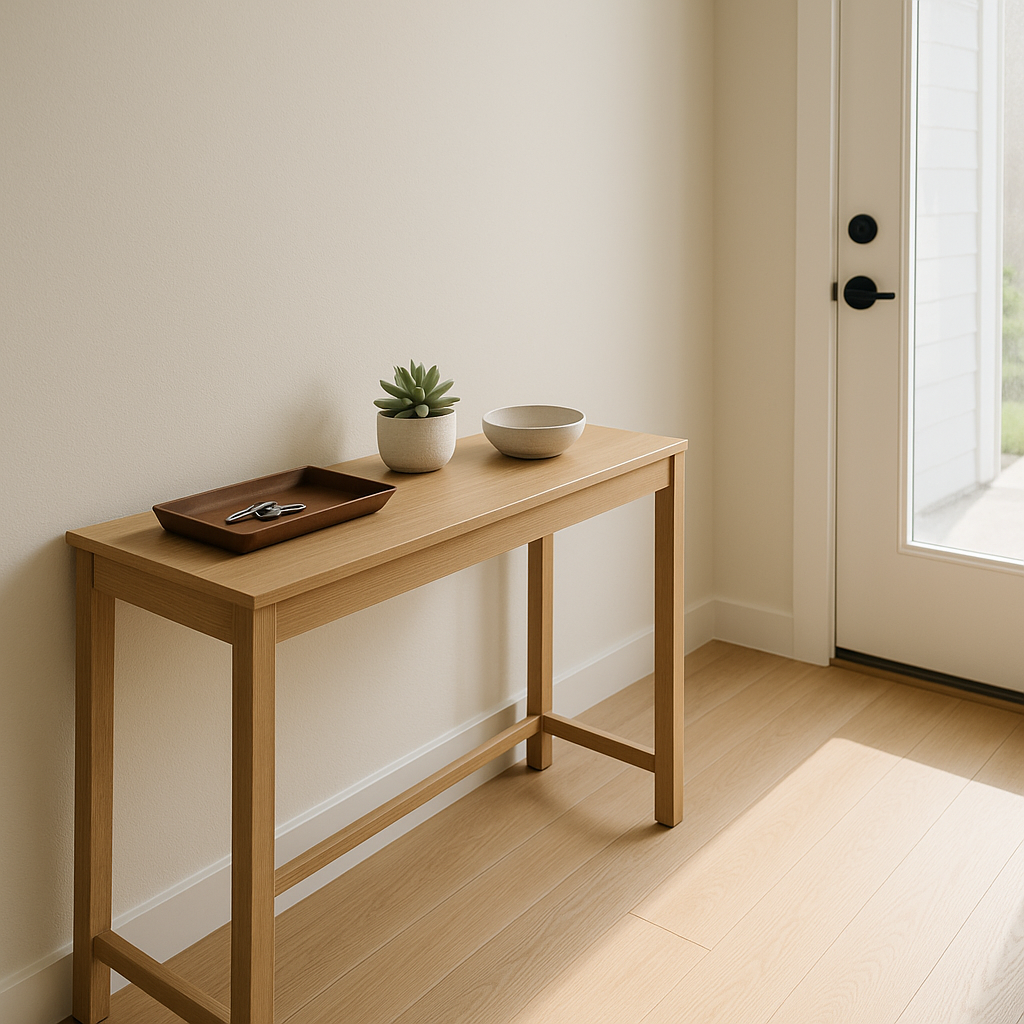
The 15-minute reset to keep house ready for showings
- Clear counters in the kitchen and baths, then wipe once
- Empty trash if there’s odor risk
- Quick sweep or vacuum main paths
- Put one laundry basket in the car or closet
- Make beds and turn on lights
- Do one final walk-through for pet items and personal paperwork
This isn’t magazine staging. Instead, it creates a calm, uncluttered feel.
Step 3: Make your storage work harder than you do
If your house is full, welcome to being a normal human. Most lived-in homes are.
However, you can still show well if your storage is staged.
Pre-pack early to reduce daily chaos
Sellers who have the easiest time living through the sale usually do this first:
- pack non-daily kitchen items
- reduce closet contents because buyers absolutely look
- remove extra furniture that blocks walkways
A good rule of thumb: if you don’t use it weekly, it’s a candidate to pack. In short, declutter before listing home photos and life gets easier later.
Create one “drop zone” for real life
Pick a closet, a laundry room corner, or a garage shelf where you can temporarily hide backpacks, mail, chargers, and the normal clutter that happens when people live in a home.
The mistake is trying to eliminate clutter forever. The win is having one controlled place for it.
Step 4: Plan your showing logistics like an operator
First-time sellers often underestimate how much the logistics matter. Meanwhile, buyers are forming opinions in the first few minutes.
Pets: decide the plan now, not during the first showing request
Buyers react to smell, fur, and noise faster than they react to your granite. Therefore, make a plan for pets during home showings before the first buyer walks in.
Common workable options:
- pet goes with you in the car during showings
- a friend or neighbor is “on call” during peak listing week
- pet daycare is booked during the first weekend on market
Also, food bowls, litter boxes, and kennels should be cleaned and, when possible, moved out of main sightlines.
Kids: aim for “safe and simple,” not sterile
You don’t need to erase your family. You do need to reduce distractions:
- consolidate toys into bins
- keep floors and hallways clear
- make bedtime routines easier by pre-setting rooms
If buyers can walk through without stepping around things, the home feels bigger and calmer.
Work-from-home: protect your schedule
If you work from home, showings can be disruptive. Consider:
- scheduling showing blocks outside your key meeting times
- using a coffee shop or library for the first weekend
- having a “laptop grab bag” ready so you can leave quickly
In addition, tell your agent which times are truly off-limits. A good plan should protect both buyer access and your job.
Step 5: Price and condition decisions that reduce traffic fatigue
If a home is priced wrong, sellers end up living in “showing mode” for too long. That’s when stress goes from annoying to exhausting.
Price to sell, not to test
Overpricing usually creates one of two outcomes:
- lots of showings but no offers because buyers like it, but don’t love the price
- fewer showings and longer days on market because buyers skip it
Either way, you’re cleaning and leaving the house without getting the payoff. For more on this, review the worst pricing mistakes Panhandle sellers make.
Fix the small stuff that creates big doubts
You don’t need a remodel. However, you do want to avoid the “what else is wrong?” effect.
Tighten loose handles, address obvious drips, replace burnt bulbs, and touch up scuffs. In practice, small maintenance signals that the home has been cared for, especially to first-time buyers.
If you’re deciding where to spend money before listing, compare your options against the projects that boost resale before you start swinging a hammer.
Step 6: Showing etiquette that protects you and helps the sale
Living in a home that is on the market gets easier when you treat showings as a repeatable process.
Be ready to leave quickly
When a showing is confirmed, do a quick safety pass:
- take valuables, meds, and personal documents out of sight
- secure or remove anything fragile
- plan a short “escape route,” like a park, coffee stop, or quick errand loop
In addition, keep key paperwork organized. If you have questions about required Texas seller disclosures, review them with your agent and use resources like the TREC Seller’s Disclosure Notice as a starting point.
Don’t be home for showings if you can avoid it
Most buyers won’t speak freely if the seller is present. That can hurt feedback quality and, sometimes, the buyer’s comfort level.
If you absolutely must be home, stay outside or in a designated area. Then keep interaction minimal.
Keep communication tight with your agent
Stress spikes when sellers feel surprised. Your agent should be:
- confirming showing times clearly
- relaying feedback trends
- adjusting strategy if you’re getting repeat objections
If showings become disruptive, it’s reasonable to revisit showing windows. However, do it based on data, not frustration.
Also, clean showing notes and fast follow-up can help you avoid preventable issues later. For the next stage, read how to avoid closing delays when selling.
Common mistakes we see and how to avoid them
Trying to live in “photo day” condition for weeks
It’s not sustainable. Instead, aim for:
- staged for photos as a one-time effort
- show-ready through routines as a repeatable effort
Ignoring smell risks
Odors are sneaky. Trash, fridge leftovers, wet towels, pet areas, and strong plug-ins can all backfire.
Clean, neutral, and ventilated usually wins.
Taking feedback personally
Buyers are comparing homes like products. Their comments are not a referendum on you.
Your agent’s job is to translate feedback into action, or to recognize when it’s just buyer noise.
A simple timeline for first-time sellers
2–3 weeks before listing
Declutter, pre-pack, handle small repairs, and decide showing rules.
3–5 days before photos
Deep clean, simplify décor, clear counters, and stage key rooms.
First weekend on market
Expect the most activity. Therefore, make pet and kid logistics easy and protect your energy.
Week 2 and beyond
Review showing volume and feedback with your agent. Then adjust price, condition, or access if the market is telling you something consistent.
Bottom line: systems beat willpower
Living in a listed home is absolutely doable, especially for first-time sellers. The key is to stop relying on motivation and start relying on routines.
If you’re listing in Amarillo or the Texas Panhandle, Blaze Real Estate can help you build a showing plan that fits real life: work schedules, kids, pets, and all. The goal is a clean, smooth sale without turning your home into a 24/7 stress project.
FAQ
How clean does my house need to be for showings?
It should feel clean, calm, and easy to walk through. Focus on counters, floors, bathrooms, beds, odors, and clutter in the main living areas.
Can I limit showing times while my home is listed?
Yes, you can set preferred showing windows. However, your agent should help balance your schedule with enough buyer access to protect momentum.
What should I do with pets during showings?
If possible, remove pets from the home during showings. Also clean food bowls, litter boxes, kennels, and pet bedding before buyers arrive.
Should I declutter before listing my home?
Yes. Pre-packing non-daily items helps rooms feel larger, makes photos better, and reduces your daily reset time.
What if showings are happening but I am not getting offers?
Review buyer feedback, price, condition, and competition with your agent. If the same objections repeat, it may be time to adjust the strategy.