
Selling a home in Amarillo and across the Panhandle isn’t only about square footage, granite, or a shiny new faucet. It’s about how buyers feel in the first 30 seconds, then how they justify that feeling with “facts.” If you understand buyer psychology sell house faster basics, you can set your listing up for stronger showings, cleaner offers, and fewer painful price reductions.
However, this isn’t about manipulation. It’s about removing friction and making it easy for a buyer to say “yes” with confidence. For a full local game plan, start with our guide on how to sell a house in Amarillo.
What buyers are really doing in a showing
Most buyers believe they’re being logical. In practice, the process usually goes like this:
- Quick emotional reaction: safe or unsafe, bright or dark, clean or icky, cared-for or neglected
- Mental math: does this solve our problem for the money?
- Risk scan: what could go wrong with repairs, layout, resale, or the neighborhood?
- Rationalization: they pick “reasons” that support their first reaction
Therefore, your job as a seller is simple. Help the emotional reaction land well, then reduce the risk scan so the buyer keeps moving forward.
Buyer psychology sell house faster starts at the curb
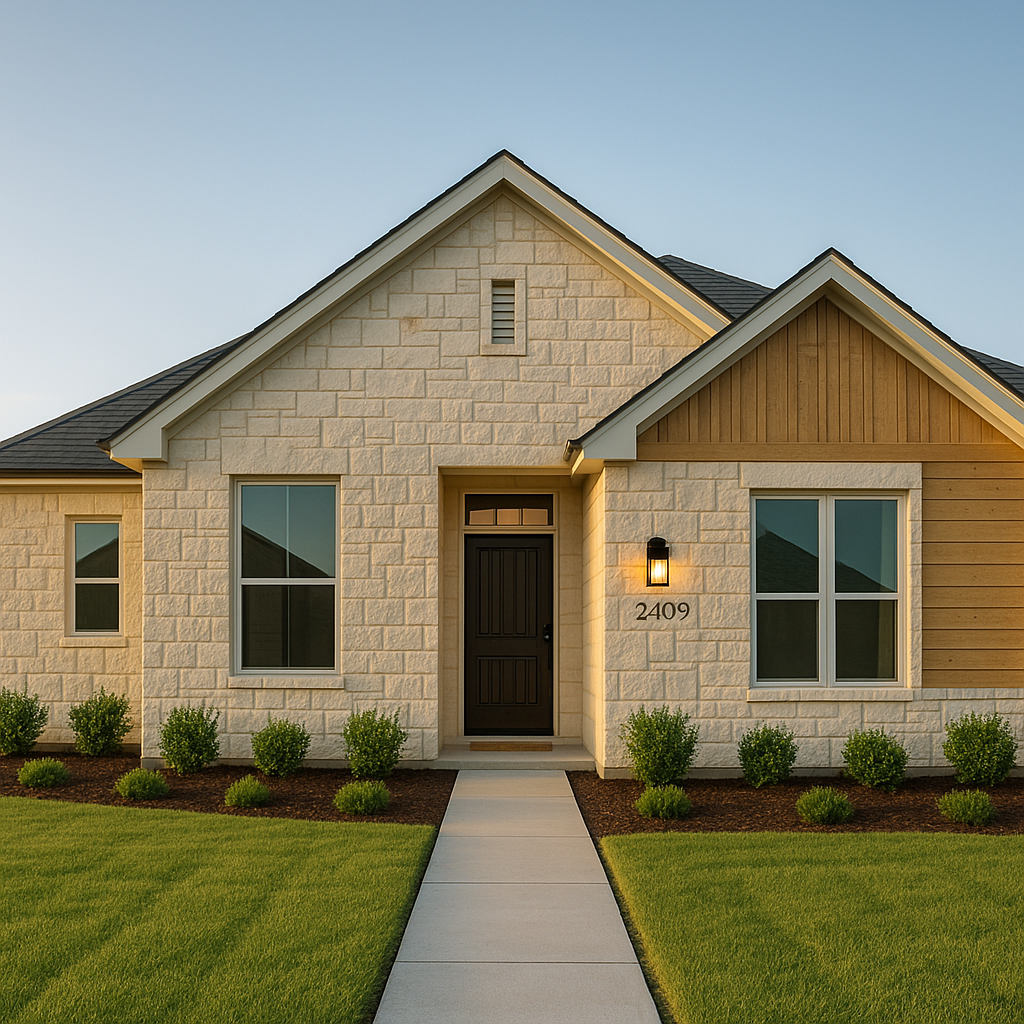
Buyers decide how “well-loved” a home is before they touch the doorknob. In Amarillo’s wind, dust, and big skies, exterior condition gets judged fast.
The brain loves signals of care
A buyer isn’t thinking, “This soffit is slightly weathered.” Instead, they’re thinking, “If they didn’t handle this, what else didn’t they handle?” That’s psychology, not construction science.
Focus on high-signal items:
- A clean, working front light and a visible house number
- Trim that isn’t peeling at the entry
- A front door that doesn’t look tired
- Beds edged, weeds handled, and the walkway swept
In short, you don’t need a full landscaping remodel. You need the first impression to say, “This place has been maintained.” That kind of first impression curb appeal can change the tone of the whole showing.
Pricing psychology: buyers don’t shop by “value”—they shop by brackets
Sellers often think in terms of what the home is “worth.” However, buyers often shop by search filters, monthly payment comfort, and comparison.
The bracket problem
If you price at $305,000 in a market where buyers commonly filter to $300,000, you may lose a chunk of your most active audience. Even if your home is the best one at $305,000, it won’t matter if it’s invisible to the right shoppers.
For example, a buyer may never reject your home. They may simply never see it. That is why pricing mistakes can be so costly in the Panhandle market.
The “too perfect” price can also hurt
A price that feels “optimistic” can trigger buyer skepticism: What are they hiding? Are they unrealistic? Will this be a fight? As a result, hesitation slows offers.
In practice, smart pricing isn’t just comps. It is pricing psychology for home sellers, plus an understanding of how buyers search and how fast they decide whether a home is “a maybe” or “a no.”
The first 10 photos shape the whole story
Online, buyers build a narrative before they ever schedule a showing. Once that story forms, it’s hard to undo. The National Association of Realtors reports that buyers commonly use online tools during the home search, which makes photo order and presentation important from day one. You can review NAR’s buyer research here.
Buyers anchor on what they see first
If the first photos are a dark living room, a tight hallway, or a cluttered kitchen, the buyer’s brain anchors on “small” or “work.” Meanwhile, even if the rest of the house is great, you’re swimming upstream.
What usually works
Lead with the most emotionally compelling, easiest-to-understand spaces. Use the bright main living area, the kitchen, the primary bedroom, and a clean backyard shot if it’s a real feature.
If your home has an “explain it” feature, such as an addition, converted garage, or non-traditional layout, photography and listing structure matter even more. Confusion kills momentum. A neighborhood-specific listing strategy can help buyers understand the home before they talk themselves out of it.
The “risk scan” is where sales slow down
A motivated buyer can love your home and still hesitate because their brain starts listing risks:
- “That roof looks old.”
- “What’s that stain?”
- “Why does it smell like pets?”
- “Why is this room so dark?”
- “What’s going on with those cracks?”
Still, many of these are fixable, or at least explainable, before you ever go live.
Pre-listing prep isn’t just cosmetic
The goal is to remove unanswered questions. In addition, clean documentation can help buyers feel less nervous when they review repairs or disclosures.
Examples we often see make a measurable difference:
- Servicing HVAC so it runs quietly and doesn’t smell musty
- Replacing mismatched bulbs so the home photographs bright and consistent
- Fixing doors that don’t latch, because buyers may read it as “settling issues” even when it’s not
- Addressing obvious water staining with a clear explanation and documentation if it has been remedied
Important note: If you’re unsure whether something is “minor” or “structural,” talk to a qualified professional. Also, review disclosure questions with your agent. Texas sellers commonly use disclosure forms, and TREC provides a public Seller’s Disclosure Notice resource. This isn’t legal or engineering advice. It is a practical reminder that uncertainty is expensive in a transaction.
Staging psychology: buyers need to picture their life, not yours
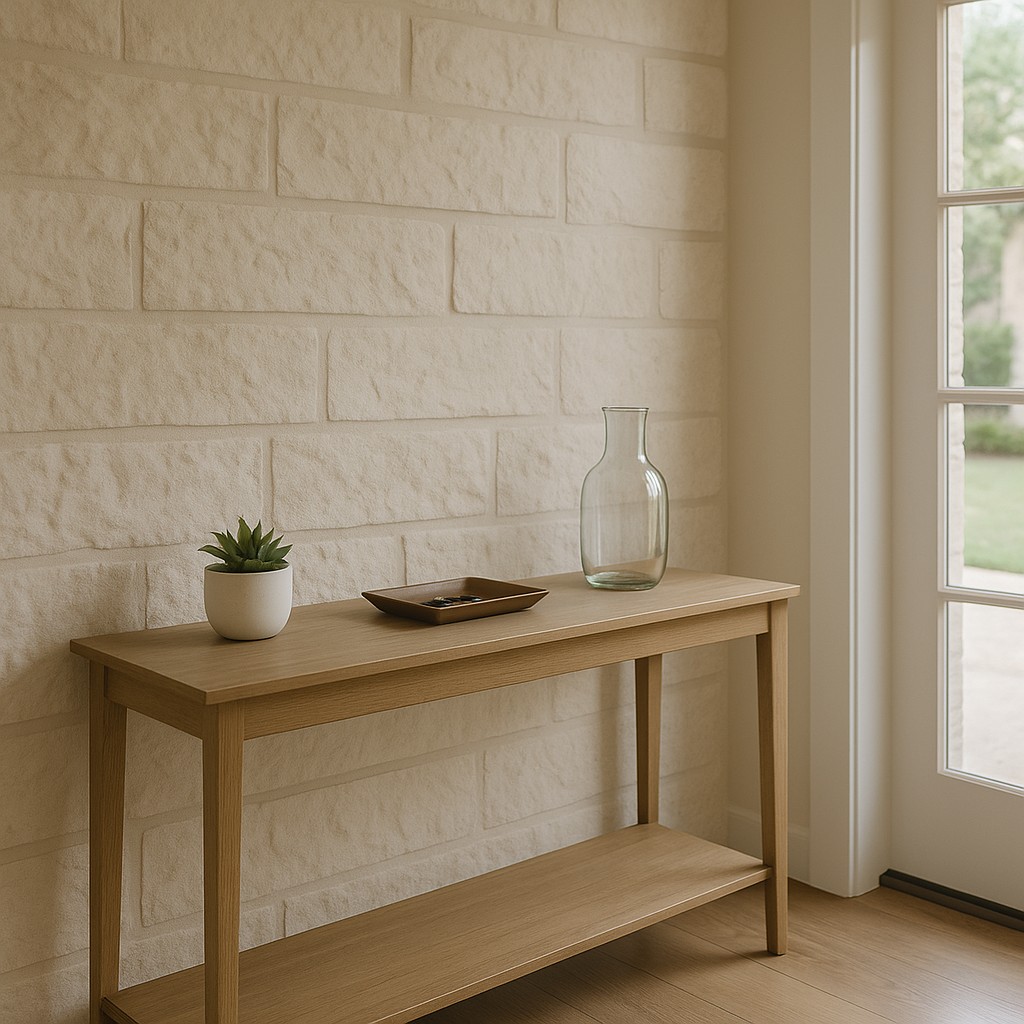
Staging isn’t about fancy furniture. It’s about creating clarity.
Cognitive load is real
When rooms are overfilled, buyers spend mental energy decoding the space. However, when rooms are clean and simple, buyers can picture their own layout quickly.
A few high-impact moves:
- Remove extra furniture so walking paths feel natural
- Clear countertops, especially around sinks and appliances
- Pack up personal collections and most family photos
- Make every bedroom read as a bedroom, and every dining space read as dining
In Panhandle homes, one common sticking point is a “bonus” room that does not clearly communicate purpose. If a room could be an office, bedroom, or playroom, stage it as the most likely buyer use for your price point and neighborhood. That is staging to reduce buyer hesitation, not staging for a magazine cover.
Showing psychology: make it easy to say yes
You can have a great listing and still lose momentum if showings are difficult. Buyers have jobs, kids, dogs, and calendars that look like a tornado hit them.
Convenience is a competitive advantage
If buyers can’t get in, they move on. Simple as that.
What usually helps:
- Allowing a wide showing window, including evenings and weekends
- Leaving during showings so buyers talk more freely
- Keeping the home consistently “10-minute ready”
Smell and sound are deal-makers or deal-breakers
Buyers don’t argue with their senses. Instead, they react first and explain later.
- Pet odors, even “light” ones, tend to shorten showings
- Loud TVs, strong fragrances, and heavy air fresheners can read as “cover-up”
- A quiet, neutral-feeling home tends to photograph and show better
Negotiation psychology: buyers want to win—but they also want certainty
When an offer comes in, sellers sometimes focus only on price. However, buyers are evaluating the whole risk package.
Clean terms often beat a slightly higher number
A buyer may pay less if they feel the deal is safer or smoother:
- Reasonable option period or inspection window
- Clear communication and quick responses
- A closing timeline that matches their life
On the flip side, if the seller feels combative or unpredictable, buyers protect themselves with lower offers, extra contingencies, or they walk. For that reason, avoiding closing delays is part of the psychology, not just the paperwork.
Concessions are psychological
A small, strategic concession can keep a buyer emotionally committed. But random concessions can signal weakness.
This is where an experienced agent earns their keep. The goal is not just “countering.” It is reading what the buyer is actually worried about and solving that problem. If you are weighing credits, repairs, or rate buydown options, review smart seller concessions with your agent and lender before you commit.
Common seller mistakes and the psychology behind them
Sellers are usually acting rationally from their perspective. Then the market reacts differently.
Overpricing “to leave room to negotiate.”
Buyers don’t negotiate as much as sellers hope. Overpricing often reduces showings and forces a later price cut.
Defending the house in feedback.
If buyers say, “It feels dark,” the answer isn’t an argument. Instead, it may be lighting, paint, window treatments, and photo strategy.
Ignoring small condition issues.
Loose handles, chipped paint, and stained caulk may look minor to you. However, buyers can read them as a preview of bigger headaches.
Letting the home feel “too lived in.”
Buyers don’t mind that you live there. They mind when it’s hard to see themselves living there.
How to apply buyer psychology in your sale plan
If you want a practical framework, think in three phases. Each phase helps buyers feel more confident and less defensive.
1) Control the first impression
Curb appeal, entry experience, and first listing photos should all say the same thing: “This feels cared-for.”
2) Reduce uncertainty
Pre-listing prep, documentation for known repairs, and clean presentation should answer questions before buyers make up their own answers. As a result, the home feels safer to buy.
3) Make the transaction easy
Access, responsiveness, and a smart negotiation approach keep the buyer committed. In short, you’re aiming for “this feels straightforward.” That is a big part of how to get better offers without always jumping straight to a price cut.
Final take: speed comes from confidence
Homes sell faster when buyers feel confident about the home, the price, and the process. That confidence is built through presentation, pricing strategy, and reducing the small frictions that quietly kill momentum.
If you’re selling in Amarillo or the surrounding Panhandle communities, we can help you build a plan around how buyers actually think. From photo strategy and prep priorities to pricing that fits the way buyers shop, the right plan can help your listing feel easier to choose.
FAQ: Buyer psychology and selling your Amarillo home
Does buyer psychology really affect how fast a house sells?
Yes. Buyers react quickly to price, photos, condition, smell, light, and access. When those pieces feel right, buyers are more likely to schedule a showing and write a stronger offer.
Should I lower my price if showings are slow?
Not always. First, review pricing, photos, listing exposure, feedback, and showing access with your agent. Sometimes a price change is needed, but presentation or strategy may also be the issue.
What is the fastest way to reduce buyer hesitation?
Start with visible condition items, cleaner staging, better lighting, and clear repair documentation. Buyers move faster when the home feels cared-for and the risks feel manageable.
Do small repairs matter before listing?
Usually, yes. Small issues like loose handles, stained caulk, and peeling trim can make buyers wonder what else has been ignored. Fixing them can protect confidence.
How can Blaze help me get better offers?
Blaze can help you prioritize prep, position the price, improve presentation, and negotiate terms that keep serious buyers engaged.