
What Are the Worst Home Pricing Mistakes Sellers Make?
The worst home pricing mistakes sellers make usually start with a reasonable thought: “Let’s try a little higher and see what happens.” In Amarillo and the Texas Panhandle, that can backfire fast. A stale listing, weak showing activity, and repeated price cuts can cost more than pricing correctly from day one.
Selling in the Texas Panhandle has its own rhythm. Amarillo buyers move quickly when a home is priced right, presented well, and easy to justify against nearby sales. They also go ice-cold when a listing feels overpriced, even if the seller has a perfectly understandable reason for wanting that number.
That is the part sellers have to accept early: buyers do not price your home based on what you need, what you spent, or what an online estimate says. They price it against the alternatives they can buy today.

Why Is Pricing the Make-or-Break Decision When Selling a Home?
Pricing controls almost everything that happens after your home goes live: showing activity, buyer urgency, negotiation strength, appraisal risk, days on market, and whether the listing feels fresh or stale. Paint, cleaning, staging, and photos matter, but price sets the frame around all of it.
In Amarillo and surrounding Panhandle towns, buyers tend to be practical. They will pay for a clean, updated, well-maintained home, but they are quick to compare it against recent sales in the same school area, neighborhood pocket, price band, and condition range.
If the price does not match the story the market is telling, buyers usually do not “come see it anyway.” They scroll past it. That is brutal, but useful. The market gives feedback quickly if you are willing to listen.
The National Association of Realtors explains that listing-price recommendations usually consider factors such as size, location, amenities, and property condition. Sellers should treat that as the starting point, not a suggestion to ignore because the neighbor’s cousin said the house is worth more. Review NAR’s consumer guide on what goes into pricing a home .
Should Sellers Overprice to Leave Room to Negotiate?
Usually, no. Overpricing to “leave room to negotiate” is one of the most common seller mistakes because it sounds strategic. In practice, it often reduces showings, attracts bargain hunters later, and makes the listing look stale before serious buyers ever engage.
The strongest offers often come early, when the listing is new, the photos are fresh, and buyers feel urgency. If the first two weeks produce low traffic, weak feedback, or no serious offers, that is not just bad luck. That is market feedback.
Sellers sometimes think they can start high and come down later. They can, but the problem is that the market has already seen the listing. A price reduction after several quiet weeks is not the same as launching at the right price with fresh momentum.
A better strategy is to price inside a defensible market range from the beginning, then use the first 7 to 14 days to measure buyer response. If showings are slow or feedback consistently points to price, the seller needs to adjust before the listing loses energy.
Why Is Pricing Based on What You Need a Problem?
Sellers have real numbers they care about: mortgage payoff, moving costs, repairs, next-home purchase, debt payoff, or the amount they want to walk away with. Those numbers matter to the seller, but they do not create market value.
Buyers compare your home against other homes. They compare condition, layout, updates, location, lot, garage, roof, HVAC, flooring, kitchen, bathrooms, and price. They are not trying to solve your spreadsheet.
The healthier order is simple: first determine the likely market value range, then decide whether selling now fits your financial plan. Reversing that order creates frustration. The market will not pay more just because the seller needs more.
This is where a grounded pricing consultation helps. A good market analysis should show the seller what sold, what is active, what is pending when available, what is competing today, and where the home realistically fits.
How Do Wrong Comparables Lead to Bad Pricing?
Not every nearby sale is a good comparable. Sellers often pull a few homes from the same zip code and assume they prove value. That is how pricing gets sloppy.
In Amarillo and the Texas Panhandle, value can shift by pocket neighborhood, school area, condition, layout, lot position, street traffic, garage setup, remodel level, and buyer perception. A house across a major road may not compete the same way. A remodeled home may not support the same price for a house with original finishes. Similar square footage does not automatically mean similar value.
The most dangerous comp is usually the highest sale in the neighborhood. Sellers love that one. The problem is that the highest sale may have had a better kitchen, better presentation, newer systems, a superior lot, or stronger timing. Using the highest comp without adjusting for differences is not pricing. It is wish-casting in MLS clothing.
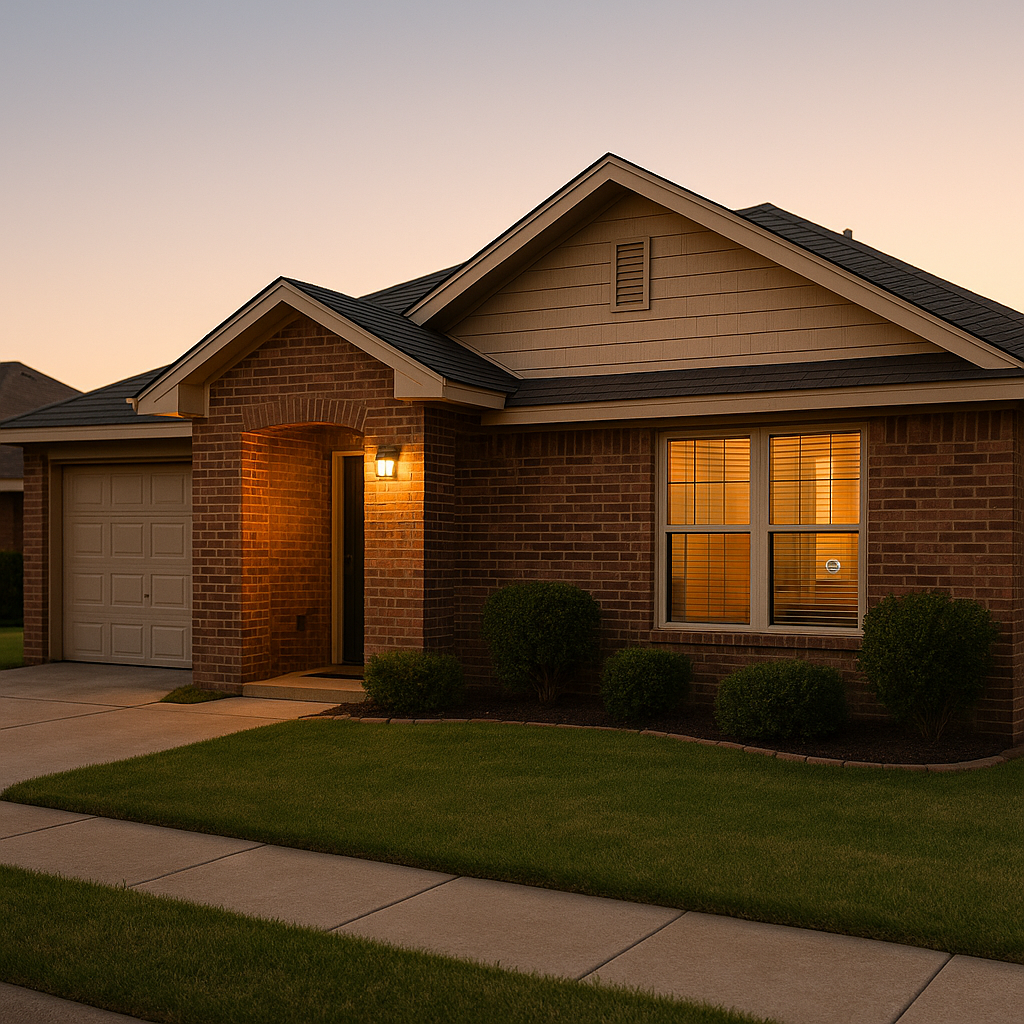
Why Do Active Listings Matter as Much as Sold Comps?
Sold comps tell you what buyers recently paid. Active listings show what buyers can choose right now. Sellers need both.
If your home is priced against last month’s best sale but today’s active competition has better updates, cleaner photos, newer systems, or stronger curb appeal, buyers will notice. They may still like your house, but they will use the competition to justify a lower offer or skip the showing altogether.
Active listings also influence search behavior. Buyers shop in price ranges, and they compare homes side by side. If your home is not the best value in its bracket, you need to either improve the presentation, adjust the price, or accept a slower result.
Good pricing is not about being the cheapest home on the market. It is about being the clearest “yes” for the right buyer in your price range.
Can Online Home Value Estimates Be Trusted?
Online home value estimates can be interesting, but they are not a pricing strategy. Automated tools can miss condition, smell, layout problems, curb appeal, roof age, HVAC age, foundation concerns, recent updates, and micro-location issues that buyers care about.
The problem is not that online estimates are always wrong. The problem is that they are incomplete. A pricing decision needs local context and current buyer behavior. An algorithm does not walk through the house, hear showing feedback, see the competition that just hit the market, or know which updates actually matter in that price band.
If an online estimate supports your preferred number, it is tempting to treat it like evidence. Be careful. The market does not negotiate with an estimate. It negotiates with buyers, appraisers, lenders, and available alternatives.
How Does Appraisal Risk Affect Pricing?
Even when a seller gets the contract price they want, many transactions still involve financing. If the price runs too far ahead of supportable comparable sales, the appraisal can become a problem.
Appraisal friction can lead to renegotiation, a buyer needing extra cash, delayed closing, or the deal falling apart. Then the home returns to market with more days accumulated and a new objection: “What happened last time?”
The Appraisal Institute explains that appraisers commonly use approaches such as comparing a home’s condition, construction, and features to recent sales of similar homes in the area. Sellers do not need to become appraisers, but they do need to understand that unsupported pricing can create financing drama. Learn how consumers interact with appraisers .
Pricing that can be defended with real comps usually creates a smoother path. It does not guarantee the appraisal will land perfectly, but it reduces the odds that the seller is forced to solve a pricing problem late in the transaction.
Why Do Small Price Cuts Usually Fail?
Small price cuts often fail because they do not change buyer behavior. Dropping a listing by a few thousand dollars may feel like action, but if the home is still overpriced, the market sees the same problem with a slightly different number.
A meaningful price adjustment should reposition the property. It should move the listing into a stronger search bracket, make it more competitive against active listings, or create a reason for buyers to take another look.
The worst version is a slow drip of tiny reductions. That tells buyers the seller may be chasing the market downward. Once that perception forms, buyers often wait for the next cut instead of writing a serious offer.
A better plan is to define the review points before launch. For example: if showing activity is weak after the first 7 to 14 days, what does that mean? If showings are strong but no offers come in, what does that mean? If feedback repeats the same objection, what action will the seller take?
How Do Buyer Search Brackets Affect Home Pricing?
Buyers shop in price brackets. That makes price-point psychology important. A home priced at $301,000 may miss buyers searching up to $300,000. A home priced just below a major threshold may appear in more searches.
This does not mean every home should be priced just under the next round number. Sometimes the value supports a higher bracket. But price increments should be intentional, not random.
If your likely buyer is searching in a common range, the listing price should consider that behavior. The best price is not always the highest price you can imagine. It is the price that gets the right buyers to see, compare, and act.
Do Upgrades Automatically Increase Home Value?
Upgrades can help value, but they do not always return dollar-for-dollar. Sellers often remember what they spent. Buyers care about what the improvement does for them.
Buyers tend to respond well to clean kitchens, updated bathrooms, good flooring, fresh paint, functional systems, strong curb appeal, and homes that feel maintained. They may care less about custom choices, niche finishes, or improvements that were expensive but not broadly appealing.
Big-ticket systems matter too. Roof, HVAC, windows, plumbing, electrical, and foundation issues can affect buyer confidence. A pretty kitchen does not erase serious repair concerns. Lipstick on a pig is still a pig, it just has better lighting.
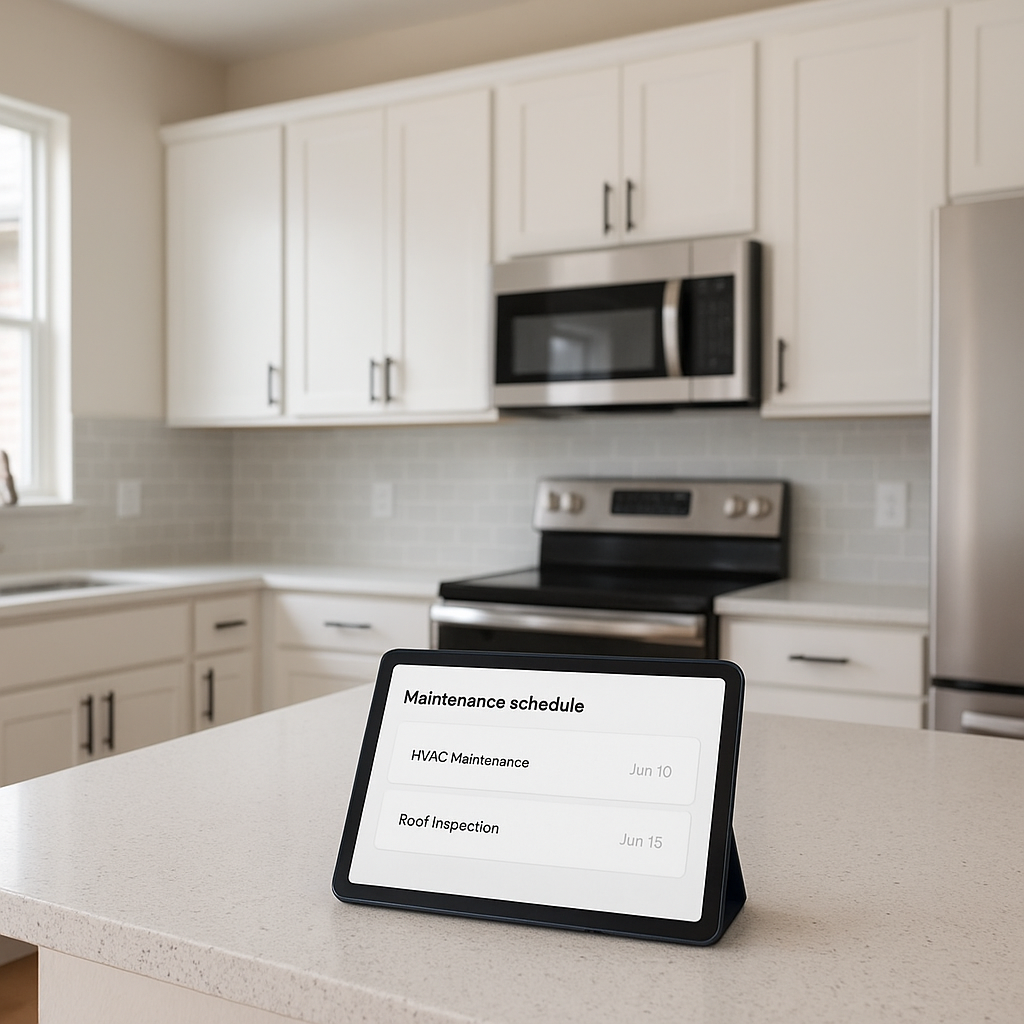
Should Sellers Fix Everything Before Listing?
Not always. Sellers should be strategic. Some repairs help the home sell faster and cleaner. Others may not produce a meaningful return. The key is deciding what affects buyer confidence, financing, inspection negotiations, and presentation.
Safety issues, obvious maintenance problems, damaged surfaces, strong odors, poor curb appeal, and neglected systems can all hurt pricing. Small repairs can also matter because buyers mentally add up visible issues. If the house looks ignored, they assume the hidden items may be worse.
Sellers should also remember that Texas has seller-disclosure obligations for many residential transactions. The Texas Real Estate Commission provides a Seller’s Disclosure Notice for previously occupied single-family residences. Sellers should review required disclosures carefully and ask a qualified professional or attorney when they are unsure.
How Long Should a Seller Wait Before Adjusting Price?
Sellers should not wait blindly. A pricing review should be part of the launch plan before the home ever hits the market.
In many cases, the first 7 to 14 days provide useful signals. Low online activity, few showings, repeated buyer objections, or strong traffic with no offers all mean something. The seller and agent should interpret those signals quickly instead of hoping the perfect buyer appears out of nowhere riding a unicorn with a pre-approval letter.
If the market is rejecting the price, waiting several more weeks usually does not create leverage. It creates days on market. That does not mean every listing needs an instant price cut. It means the seller needs a plan for what action to take based on real feedback.
What Does Good Home Pricing Look Like in the Texas Panhandle?
Good pricing is not about being cheap. It is about being believable, competitive, and compelling. The home should make sense against sold comps, active competition, condition, location, updates, and buyer expectations.
A strong pricing strategy usually does five things. It matches the home’s condition to recent sales reality. It accounts for today’s active competition. It respects buyer search brackets. It reduces appraisal risk where financing is likely. And it creates enough urgency that buyers feel they should act instead of wait.
Sellers should also understand their own timeline. A seller who needs to close quickly may need a different pricing strategy than a seller with time to test the market. The mistake is pretending timeline does not matter. It does.
How Can Sellers Price Like Operators Instead of Guessers?
The best sellers do not price from emotion. They price from evidence. They look at the home honestly, compare it to the real competition, and decide what outcome matters most: speed, certainty, price, terms, or some balance of all four.
That does not mean sellers should give the house away. It means they should stop treating the list price like a personal compliment. The list price is a marketing decision. Its job is to create the right buyer response.
If you are planning to sell in Amarillo or the surrounding Texas Panhandle, Blaze Real Estate can walk you through the comps, the competition, the pricing range, and the first two-week strategy before the listing goes live.
Price it once. Price it intelligently. Do not make the market teach the same lesson with a price cut.
Frequently Asked Questions About Home Pricing Mistakes
What is the biggest pricing mistake sellers make?
The biggest pricing mistake sellers make is overpricing at launch and assuming they can correct it later. The first few weeks of a listing often produce the strongest buyer attention. If the home starts too high, the seller may lose that early momentum and end up chasing the market with price cuts.
Should I price my home high to leave room for negotiation?
Usually, no. Pricing high to leave room for negotiation can reduce showings and make the listing feel stale. Buyers compare your home to other available homes, and if your price is not justified, many will skip the showing instead of making a lower offer.
Are online home value estimates accurate enough to price my house?
Online estimates can be useful as a rough reference, but they are not enough to price a home accurately. They can miss condition, updates, layout issues, roof age, neighborhood differences, buyer demand, and current competition.
How do sold comps affect listing price?
Sold comps help show what buyers have recently paid for similar homes. The best comps are close in location, size, condition, layout, age, and market timing. A nearby sale is not automatically a good comp if the home is meaningfully different.
Why do active listings matter when pricing a home?
Active listings matter because they show what buyers can choose right now. If your home is priced higher than similar active homes with better condition or updates, buyers may see your listing as overpriced even if older sold comps appear to support it.
When should a seller consider a price reduction?
A seller should consider a price reduction when market feedback shows the home is not positioned correctly. Low showing activity, repeated comments about price, strong traffic with no offers, or better competing listings may all point to the need for an adjustment.
Do upgrades always increase home value?
No. Some upgrades help value and buyer appeal, but they do not always return dollar-for-dollar. Buyers usually care most about updates that improve function, condition, appearance, and confidence in the home’s major systems.
How can I get a realistic price range before selling?
A realistic price range should come from a local market analysis that reviews comparable sales, current competition, property condition, buyer search behavior, appraisal risk, and your selling timeline. A local real estate professional can help interpret those factors before the home goes live.