
In Amarillo, it’s normal to hear it: “The house down the street sold for $X, so ours should sell for that too.” That neighbor sale price home value comparison feels like a fair gut-check, but it is also one of the fastest ways sellers talk themselves into the wrong pricing plan.
A neighbor’s sale price can be a useful data point. However, it usually is not your data point.
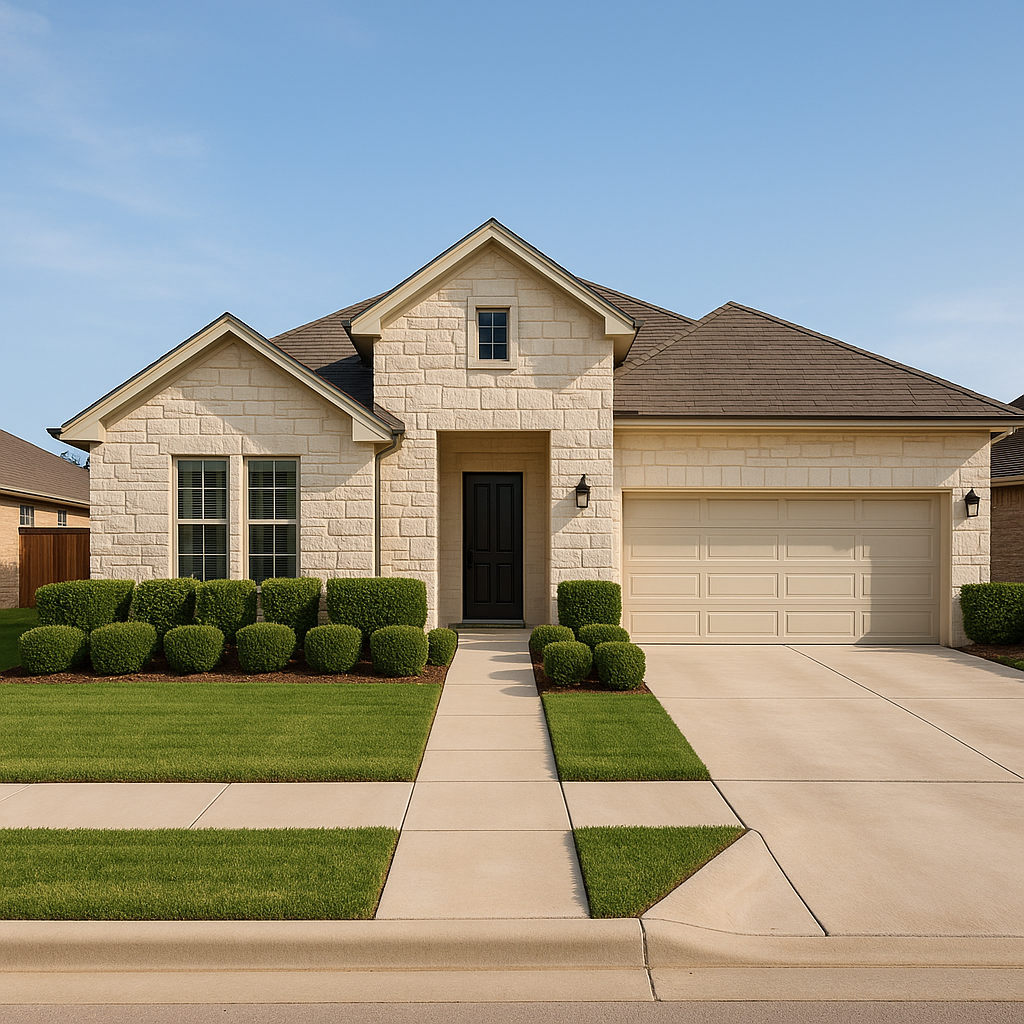
Why neighbor sale price home value comparisons fall short
Most sellers are not really trying to “match the neighbor.” Instead, you are trying to answer a practical question: What will a qualified buyer pay for my home in today’s market, given my home’s condition and the competition?
A single sale price does not answer that. In short, you need context before that number means much.
A sale price is the final score—not the whole game
The recorded sale price is the end result of a long chain of decisions and constraints:
- the home’s condition and upgrades
- the list price and days on market
- buyer financing and appraisal
- repair negotiations and credits
- closing costs paid by the seller
- concessions tied to interest rates
- inspection findings
- how many buyers showed up that week
Therefore, when we price a home, we do not “comp” it by gossip. We comp it by the story behind the numbers.
If you want the bigger picture on the full selling process, start with our guide on how to sell a house in Amarillo.
Why the neighbor’s home isn’t a true comparable
In practice, a true comparable sale is close in location, size, age, layout, condition, and timing. However, miss on any one of those, and the neighbor’s number can mislead you.
Timing changes everything
Even in the Texas Panhandle, where the market can feel steadier than bigger metros, conditions still shift:
- interest rates move buyer budgets
- inventory rises and falls
- seasonality changes urgency and competition
- lender guidelines tighten or loosen
For example, mortgage rates can affect what buyers can afford month to month. Freddie Mac tracks weekly mortgage rate trends through its Primary Mortgage Market Survey.
As a result, a home that sold 90–180 days ago may reflect a different buyer pool than today.
Condition is not “pretty vs not pretty”
Sellers often underestimate how strongly condition affects sale price. In addition, buyers care about more than paint colors and countertops.
Two homes can be the same size and sit on the same street, but one may have:
- older HVAC near end-of-life
- roof with limited remaining life
- dated electrical panel
- foundation movement history
- worn windows and higher utility costs
Meanwhile, the other home may have recent big-ticket updates, clean inspection results, and fewer unknowns. Buyers pay for certainty.
Layout and usability matter more than people expect
Square footage is only part of value. Buyers also react to:
- bedroom count and placement, such as a split plan versus all bedrooms together
- kitchen flow and storage
- ceiling height and natural light
- garage size and access
- backyard usability
For example, a 2,100 sq ft home that “lives big” can beat a 2,250 sq ft home with chopped-up space. This is especially true in mid-range price bands where buyers have options.
Micro-location is real
“Same neighborhood” is not always the same value.
Still, sellers often group nearby homes together too quickly. Backing to a busy street, facing a commercial edge, sitting next to a poorly maintained property, or being on a preferred interior street can change buyer demand.
In Amarillo, we see this even within a few blocks.
The hidden pieces sellers don’t see in a neighbor’s sale
Even if the two homes were nearly identical, you are still missing key information. Therefore, the final number can tell the wrong story.
Concessions can make the sale price look higher than it really is
A home can “sell for $300,000” while the seller also paid:
- $8,000 in closing costs
- $4,500 in repair credits
- $2,000 to buy down the buyer’s rate
The headline number looks strong. However, the net result is something else.
This home sale concessions impact matters when interest rates are elevated. Concessions may be useful, but review the structure with your agent so you understand the true net.
If concessions are part of your plan, our guide to seller concession strategies explains how they can help or hurt a deal.
List price tells you market positioning
If your neighbor listed at $310,000 and sold at $300,000 after 45 days, that tells a very different story than listing at $295,000 and getting multiple offers.
Instead, sellers often anchor on the closing number and ignore the path to get there. That path matters because it shows buyer demand, negotiation strength, and pricing accuracy.
Appraisals and financing shape the outcome
Not every buyer is the same:
- Conventional buyers may lean heavily on appraisal.
- FHA or VA buyers may come with repair requirements and tighter condition expectations.
- Cash buyers can close faster but may negotiate harder.
For example, FHA loans include property standards that can affect repairs and closing conditions; HUD outlines these requirements in its Single Family Housing Policy Handbook.
As a result, a neighbor’s final price may have been capped by appraisal or shaped by a buyer’s financing. Either way, it may not repeat for you.
What to look at instead (this is what actually predicts your result)
If your goal is to price correctly and sell on your timeline, focus on what buyers are comparing right now. In short, how to price your home starts with current buyer choices, not last month’s neighborhood chatter.
Active listings are your real competition
Your buyers will shop your home against other homes they can tour this weekend. Therefore, the best pricing strategy starts with:
- the best-looking homes in your bracket
- the most similar layouts and lot situations
- the homes with the strongest photos and presentation
This is the key difference in active listings vs sold comps. Sold comps show where the market was, while active listings show the market your home must beat.
Pending sales reveal the direction of the market
Pending sales are the closest thing to “live data” we have. They can tell you:
- whether buyers are acting near list price
- how quickly homes are being accepted
- what condition level is winning
However, pending sales still require care because the final price and terms may not be public yet. Even so, pendings help confirm whether the market is speeding up or cooling off.
A pricing plan should match your goal
There is no one “right” number without a goal.
- Need top dollar and can wait? You can test higher, but you need a plan for price adjustments and strong presentation.
- Need it sold in a defined window? You price to attract the largest buyer pool quickly.
- Want clean terms, not drama? You price to reduce negotiation leverage and inspection re-trades.
A neighbor’s sale price does not account for your deadline, tolerance for showings, or appetite for negotiation. For a deeper dive, review the worst pricing mistakes Panhandle sellers make.
Common bad advice we hear (and what it costs)
In Amarillo, the most expensive pricing mistakes usually come from one of these beliefs. Still, they are common because they sound simple.
“Our home is nicer, so we can just add $20,000.”
Sometimes you can. Often you cannot.
Buyers do not value upgrades like a receipt. For example, a $20,000 upgrade rarely equals $20,000 in price, especially if it is a style choice rather than a functional improvement.
“We’ll start high and come down later.”
The market gives every new listing a burst of attention. If you miss that window, you often end up chasing the market down with price cuts.
As a result, a home that starts overpriced can look stale, even if it is a good house. Buyers may assume something is wrong, or they may wait you out.
“Zillow says…”
Online estimates can be a rough reference, but they do not walk your home. They do not smell pet odors, notice worn flooring, or factor in the three homes currently for sale around the corner.
In practice, buyers do not buy algorithms. Instead, they buy what they see, compare, and feel comfortable paying for.
How we recommend sellers use neighborhood sales (the right way)
Neighborhood sales are useful when they are treated as evidence, not a verdict. This is also why comps are not identical, even when they look close on paper.
Here is a clean approach:
- Identify the 3–6 closest true comparables, not just the nearest addresses.
- Adjust mentally for condition and major systems, such as roof, HVAC, and windows.
- Compare your home to active competitors buyers can tour.
- Choose a price strategy that matches your timeline and risk tolerance.
- Plan your “what if” moves, including price reduction timing, concession strategy, and showing feedback.
That last step matters. In short, pricing is not a guess—it is a plan.
If you need help matching price to neighborhood behavior, start with our guide on how to choose the right listing strategy.
The takeaway: your neighbor’s price is a headline, not a strategy
A neighbor’s sale price can be interesting. However, it rarely tells you what your home will sell for without knowing the terms, condition, timing, and competition.
If you want a price that attracts the right buyers and protects your timeline, build your decision on comps with context, current competition, and a clear plan.
Blaze Real Estate can walk you through a practical pricing range based on Amarillo and Panhandle conditions, what is actively competing with you, and what tends to derail deals in your price point. No hype—just a strategy you can execute.
FAQ
Does my neighbor’s sale price determine my home value?
No. It can help frame the market, but your home’s value depends on condition, timing, layout, location, competition, and deal terms.
Why can two similar homes sell for different prices?
Two similar homes can differ in updates, repairs, financing, concessions, buyer demand, and micro-location. Those details can change the final price.
Should I price my home based on sold comps or active listings?
Use both. Sold comps show past results, while active listings show what your home must compete against today.
Do seller concessions affect the real sale price?
Yes. A high contract price with large concessions can produce a lower net result for the seller. Review the full terms, not just the headline price.
How many comps should I look at before listing?
Most sellers should review 3–6 strong comps, then compare them against active and pending listings to choose a realistic strategy.