
Understanding Mortgage Rate Changes: The Real Story for Home Buyers in the Texas Panhandle
If you’re shopping for a home in Amarillo or the Texas Panhandle, you’ve probably noticed how mortgage rates seem to flip-flop almost daily. It can feel confusing, especially when the explanations you hear don’t quite add up. Let’s cut through the noise and tell you the real story behind why mortgage rates change — and why it matters to you as a buyer.
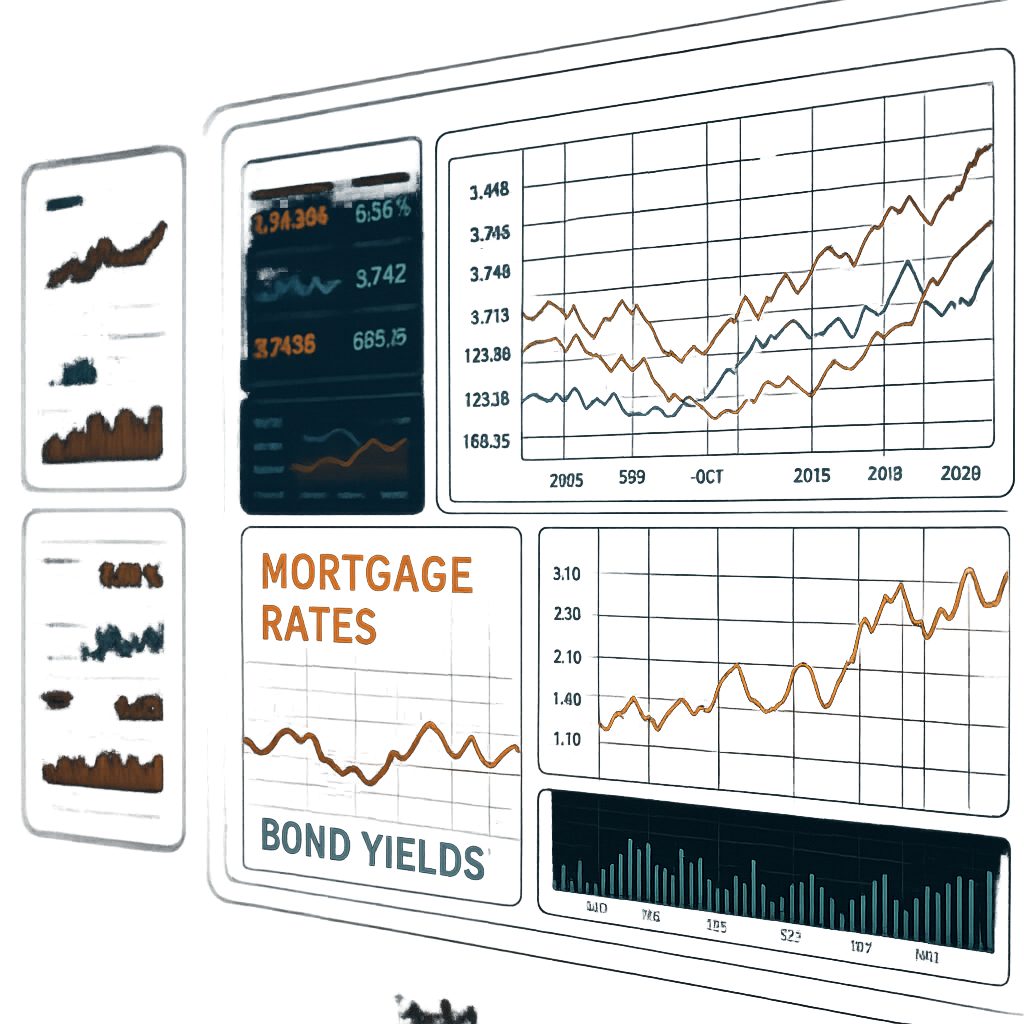
Mortgage rates might seem like flickering numbers on a dashboard, but there’s a clear pattern behind those shifts.
The Common Misconception
Many folks think mortgage rates shift mainly because of what the Federal Reserve does with interest rates or because lenders just want to make more money. Those factors play a part, but the truth is more layered. Mortgage rates are tied to deep, sometimes invisible financial forces that ripple through the entire economy — right down to your monthly payment.
The Heart of the Matter: Bond Markets and the Economy
Mortgage rates largely move with the yield on the 10-year U.S. Treasury note. That bond yield reflects what investors demand for lending the government money over a decade. When the 10-year Treasury yield rises, lenders face higher borrowing costs and pass those costs on by raising mortgage rates. When it falls, rates generally go down.
So, why do these yields change?
- They respond to economic outlooks: Strong economic growth and employment signal that people and businesses will borrow more, pushing yields and mortgage rates up.
- Inflation expectations matter: Inflation erodes purchasing power, so investors want better returns, which can lift yields.
- Federal Reserve policies influence bond yields but don’t set mortgage rates directly. The Fed’s moves affect market perception of risk and inflation, which affect Treasury yields.
Inflation Is a Key Actor
In the Texas Panhandle’s economy, changes in inflation ripple quickly through borrowing costs. Inflation drives mortgage rates because lenders want to ensure the money they get repaid in the future still holds value. When inflation ticks up, expect rates to climb as well.
Your Personal Profile Also Shifts Your Rate
Mortgage rates are not one-size-fits-all. Your credit score, down payment size, debt levels, and the type of loan you choose all factor into the actual rate you get. Even within Amarillo’s neighborhoods — from West Plains to San Jacinto — these financial details can swing your rate by significant fractions.
Why Rates Can Change Multiple Times a Day
Because mortgage rates are tied to volatile bond markets, they can fluctuate swiftly. New economic data, Fed announcements, or geopolitical events can cause bond yields to shift, and lenders respond quickly to keep pace. That’s why you might see rates change from morning to afternoon.

What This Means for You as a Buyer
Understanding these factors helps you avoid myths and make more informed decisions. Here’s how to use this knowledge:
- Lock in your rate when you feel comfortable with the terms and market outlook, but don’t panic over daily changes.
- Focus on improving your credit score and saving for a larger down payment to qualify for better rates.
- Work closely with a local lender or broker who understands Amarillo’s market and the nuances that influence your loan pricing.
The Bottom Line
Mortgage rates change because they reflect a complex dance between the economy, financial markets, and individual borrower risk. It’s not just about a Fed announcement or lender greed. Here in the Texas Panhandle, where economic drivers like energy and logistics can shift quickly, these forces matter even more.
At Blaze Real Estate, we help you navigate the real factors behind mortgage rates so you can make confident, practical choices on your home purchase. It’s about staying clear-headed amid the noise and knowing what really moves your payments.
Reach out to our expert team anytime to talk through your financing questions and how local market conditions might impact your buying power.