
seller financing amarillo: Why It Matters to Texas Home Buyers
If you are searching for seller financing amarillo options, you may already know traditional mortgages are not always simple. Banks tighten standards. Credit issues pop up. Meanwhile, the process can take longer than expected, especially in Amarillo and across the Texas Panhandle.
That is where seller financing, also called owner financing, can help. Instead of working through a bank for every step, the buyer and seller agree on the loan terms directly. As a result, the deal may fit the home, the buyer, and the seller better than a standard mortgage.
Still, this is not a handshake-and-hope situation. Seller-financed real estate needs clear documents, smart due diligence, and guidance from the right pros.

What Is Seller Financing, Really?
In Texas, seller financing means the seller acts as the lender. Instead of getting a loan from a bank, you agree on key terms with the property owner. These terms may include the down payment, interest rate, payment amount, and payoff timeline.
Typically, buyers put down a deposit. That amount is often 10% to 30%, though every deal is different. Then the buyer makes monthly payments to the seller until the loan is paid off or refinanced.
In addition, the seller usually keeps a secured interest in the property until the buyer meets the terms. This is often handled through recorded documents, such as a deed of trust. However, the exact structure should be reviewed with a qualified real estate attorney or other professional.
This setup can close faster because there is no full bank underwriting process. For example, it may help buyers with strong income but limited credit history. It can also create a path for homes that do not fit neatly inside a lender’s box.
If you are still early in your home buying process, start with our guide on touring homes in Amarillo. It will help you know what to check before you fall in love with the kitchen island.
How Seller Financing Works in Texas
Here’s the basic flow. You and the seller negotiate the terms, then those terms are put in writing. The agreement may include a promissory note, deed of trust, seller financing addendum, and other closing documents.
Texas law is specific about many real estate and property finance issues. Therefore, buyers should not treat a seller-financed deal like a casual side agreement. The Texas Real Estate Commission forms page is one place to review common real estate forms used in Texas transactions.
In addition, certain seller-financed arrangements may involve rules under Texas Property Code Chapter 5. Talk with your agent, lender, title company, and attorney before signing. A short review now can prevent a very expensive “oops” later.
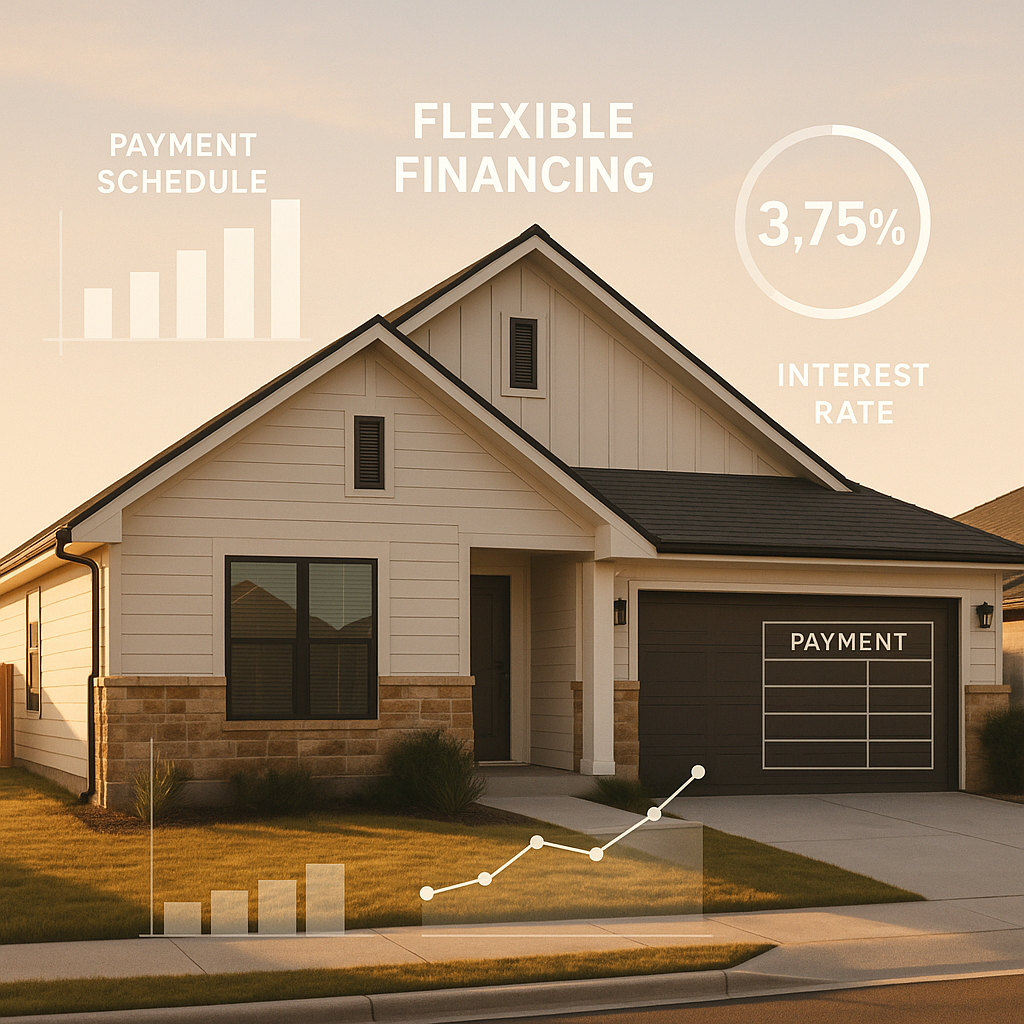
Interest rates vary by deal. They may be higher than a conventional mortgage because the seller is taking on risk. Still, buyers and sellers may negotiate terms that work for both sides.
A balloon payment may also be part of the deal. This means one large payment is due after a set period. As a result, the buyer may need to refinance, sell, or pay the balance in full when that date arrives.
Why Buyers Should Consider It
If traditional lender approval has been tough, owner financing may be worth a closer look. It is one of several mortgage alternatives that can make sense in the right situation.
- Flexibility: Down payments, timelines, and repayment terms may be customized.
- Faster closing: Without full bank delays, closing may happen sooner.
- Credit-friendly structure: Some sellers may focus more on income, down payment, and buyer reliability.
- Direct negotiation: Terms are discussed with the seller, which can lead to a more personal deal.
However, flexible does not mean risk-free. Buyers should compare the total cost, monthly payment, interest rate, and future refinance options. If your plan depends on refinancing later, talk with a lender early.
For example, if you are waiting on the market to change, read our take on why waiting for rates can backfire. Rates matter, but the right house, terms, and timing matter too.
Important Considerations and Risks
Seller financing is not right for every buyer or every property. Because the seller is also the lender, the paperwork matters a lot. In short, do not skip the boring parts. The boring parts protect you.
Keep these points in mind:
- Escrow and title: Confirm how title, closing funds, and recorded documents will be handled. A title company can help explain the process.
- Property condition: Sellers should disclose known issues, but buyers should still get a thorough inspection. Our guide to inspection report results can help you read the fine print.
- Balloon payments: If a balloon is included, plan for it early. Do not assume refinancing will be easy later.
- Default terms: Review what happens if a payment is late or missed. Ask a qualified professional to explain your rights and duties.
- Total cost: Look beyond the monthly payment. Add up interest, fees, insurance, taxes, repairs, and closing costs.
Still, a deal that looks unusual is not always a bad deal. It just needs more careful review. If the numbers feel stretched or the property has major concerns, see our guide on when not to buy in the Texas Panhandle.

How Seller Financing Fits the Texas Panhandle Market
In Amarillo and nearby communities, some homes do not fit the clean checklist that traditional lenders prefer. Older homes, unique rural properties, and houses needing repairs can create financing headaches.
Therefore, seller financing may create options for buyers who are otherwise strong candidates. A buyer may have steady income, a solid down payment, and a good plan, even if the bank still says no.
Meanwhile, sellers may use owner financing to reach a wider pool of buyers. This can be useful when a property is harder to finance or when the seller wants income over time. However, sellers also take on risk, so terms must be fair and clear.
Given our local weather, inspections matter even more. The Texas Panhandle brings wind, hail, heat, cold, and the occasional “is that roof supposed to sound like that?” moment. As a result, buyers should pay close attention to roofs, foundations, HVAC systems, drainage, and insurance needs.
In addition, negotiation does not stop at price. Buyers may be able to ask for repairs, closing help, or other terms. If you need help with that conversation, review our guide on how to ask for a seller credit without making the seller defensive.
Wrapping It Up
Seller financing in Texas can be a powerful tool for buyers who need alternatives to traditional bank loans. It may help with speed, flexibility, and access. However, it also comes with real responsibilities.
Clear contracts, honest communication, title review, inspections, and professional guidance are essential. In short, the right team can help you spot both the opportunity and the trapdoor.
At Blaze Real Estate, we help Amarillo buyers understand their options before they get too deep into a deal. Whether you are comparing conventional loans, mortgage alternatives, or a seller-financed purchase, we can help you ask better questions and move with more confidence.
Frequently Asked Questions
Is seller financing legal in Texas?
Yes, seller financing can be legal in Texas when it is structured correctly. However, the rules can be detailed, so buyers and sellers should review documents with qualified professionals before signing.
Who pays property taxes and insurance with seller financing?
The agreement should state who pays taxes and insurance. In many deals, the buyer pays them, but the details should be written clearly and confirmed before closing.
Can I refinance a seller-financed home later?
Often, yes, but refinancing depends on your credit, income, equity, property condition, and lender guidelines at that time. Therefore, talk with a lender early if refinancing is part of your plan.
Is owner financing easier than getting a mortgage?
It can be more flexible, but it is not automatically easier or cheaper. Buyers still need to review the payment, interest rate, balloon terms, title, and property condition.
Should I get an inspection on a seller-financed home?
Yes. A professional inspection is strongly recommended because financing terms do not tell you whether the roof, foundation, plumbing, or HVAC system is in good shape.