
If you’re wondering why FSBO fails so often, start with this: selling your home FSBO (For Sale By Owner) is not just “skip the agent and save the commission.” In Amarillo and across the Panhandle, we see it every year: a good house, a motivated seller, a few photos taken on a sunny afternoon… and then weeks of silence.
You may have heard the line “FSBO fails 90% of the time.” That exact percentage gets repeated a lot online, but it isn’t a clean, consistently sourced statistic. What is consistently true is that FSBO is a small slice of the market. According to the National Association of Realtors, FSBO sales fell to 5% of home sales in its 2025 Profile of Home Buyers and Sellers, while 91% of sellers used a real estate agent. FSBO tends to be harder than sellers expect, and many FSBO attempts end up converting to an agent-listed sale—or selling to someone the seller already knew.
This post isn’t here to dunk on FSBO sellers. It’s here to explain, in plain language, why FSBO deals so often stall out—and what you can do differently if you’re determined to try. If you want the broader seller roadmap first, start with selling a house in Amarillo with a real plan before you decide whether FSBO is worth the risk.
What “FSBO fails” usually looks like in real life
Most FSBO sellers don’t “fail” in the sense that they give up forever. The common outcome looks like one of these:
- The home sits, showings slow down, price reductions start, and the seller eventually lists with an agent.
- The home sells, but the seller later realizes they underpriced it or gave away too much in negotiations.
- The home sells to a friend, coworker, neighbor, or family connection (which is a different game than selling to the open market).
In practice, FSBO is less about whether you can sell and more about whether you can sell for the price and terms you want, within the timeframe you need, while managing the risk and workload.
The real reasons FSBO fails so often
1) Pricing is harder than people think (and buyers can smell uncertainty)
Most sellers price based on:
- A neighbor’s sale from six months ago
- What Zillow says
- What they “need” to net
- What they put into the house
The market doesn’t care about any of those. It cares about current competition, condition, buyer demand this week, and what appraisals are actually coming in at.
In Amarillo, pricing mistakes don’t always show up as “no showings.” Sometimes you’ll get activity—but the offers come in low, or buyers ask for a pile of concessions because the price didn’t match the condition.
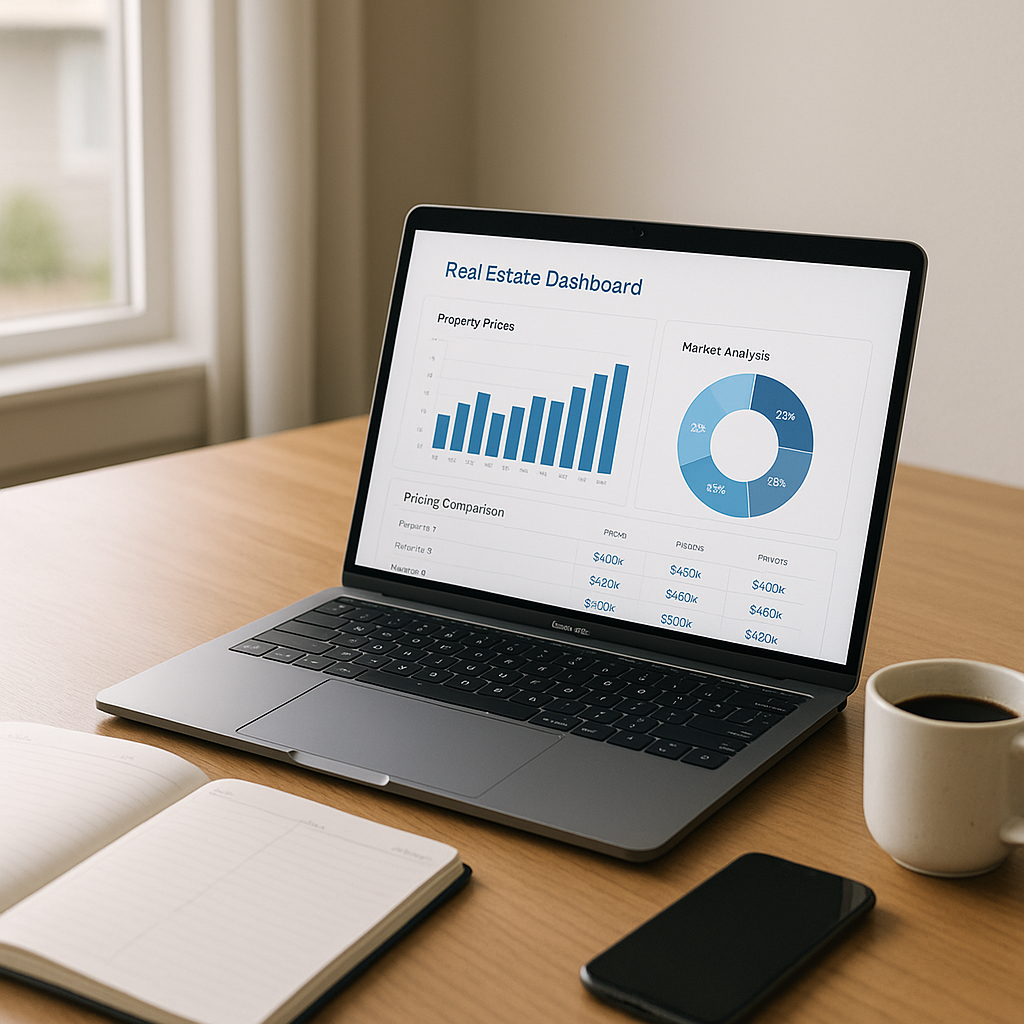
What to do if you’re FSBO: run your own mini-market analysis: active competition (not just sold comps), price per square foot with adjustments for condition, and how long those homes are taking to go under contract. Then compare that against the worst pricing mistakes Panhandle sellers make before you let optimism write the list price.
2) Exposure is limited (and “I posted it online” isn’t a plan)
The biggest built-in disadvantage of FSBO is distribution. It’s not just “put it on Facebook Marketplace.” The question is: are you reaching the actual pool of qualified buyers and the agents who represent them?
Many buyers in our market are working with agents. If your home isn’t easy for agents to show, schedule, and trust as a legitimate listing, you’re cutting off a large portion of demand.
What to do if you’re FSBO: treat marketing like a system—photos, description, showing process, follow-up, and a way for buyers/agents to access property details quickly.
3) Showings are awkward, and awkward kills offers
Owner-led showings often turn into:
- Overselling and talking through the house (buyers don’t get space to imagine themselves living there)
- Defensiveness about flaws (“that crack has always been there”)
- Inconsistent availability
- Safety concerns (you don’t know who is coming)
Buyers also behave differently when the owner is present. They talk less, they explore less, and they hesitate to give honest feedback.
What to do if you’re FSBO: create a showing routine: scheduled windows, a clean “leave-behind” property sheet, and a plan for verifying who’s coming. If you can’t separate the business transaction from the emotions, FSBO gets expensive fast.
4) Negotiation isn’t about toughness—it’s about leverage and process
A lot of FSBO sellers assume negotiation is simply:
- “Hold firm” on price
- “Don’t let them push you around”
But real negotiation is timing, positioning, and tradeoffs. The strongest negotiators know what to concede, what to refuse, and how to keep a deal alive without giving away the farm.
In our world, the biggest money leaks usually happen around:
- Inspection repair requests
- Credits vs. repairs (and how that impacts appraisal and closing)
- Concessions tied to financing
- Deadlines and extensions
What to do if you’re FSBO: decide your non-negotiables before you ever accept an offer. If you wait until the inspection report lands, you’ll negotiate emotionally. A better move is to understand seller concession strategies before the buyer turns your uncertainty into a discount.
5) Paperwork and compliance aren’t optional (and mistakes can be costly)
Texas real estate transactions are paperwork-heavy for a reason: everyone is trying to reduce misunderstandings and future disputes.
Even if you’re using the right forms, the real risk is in the details:
- What exactly is included or excluded (fridge? curtains? ring doorbell?)
- Timeline and performance deadlines
- Who pays for what, and when
- Required disclosures and what happens if something is missed
Texas sellers of previously occupied single-family homes generally use the TREC Seller’s Disclosure Notice, which contains information required under Texas Property Code Section 5.008 about material facts and physical condition of the property.
We’re not attorneys and this isn’t legal advice—but as operators, we can tell you this: most problems come from unclear writing and unmanaged deadlines, not bad intentions.
What to do if you’re FSBO: use professionals where it counts (title company guidance, and an attorney if you need one) and keep a written timeline of every deadline in the contract.
6) Buyer qualification gets messy fast
FSBO sellers often accept “They said they’re pre-approved” as enough. It’s not.
A buyer can be “pre-approved” and still:
- Have conditions that fall apart during underwriting
- Be shopping lenders (changing terms midstream)
- Need concessions to make the deal work
- Be stretching financially and vulnerable to appraisal or repair surprises
The Consumer Financial Protection Bureau explains that a preapproval letter is based on assumptions and is not a guaranteed loan offer, even though it helps indicate the buyer is likely able to get financing.
What to do if you’re FSBO: verify the buyer’s financing early, understand the loan type, and don’t confuse enthusiasm with capacity.
7) FSBO tends to attract bargain-hunters (not always, but often)
When buyers see FSBO, some assume:
- “I can get a deal because there’s no agent.”
- “This seller might not know market value.”
- “This will be a headache—so I need a discount.”
That doesn’t mean all FSBO buyers are lowballers. It does mean you should expect more negotiation pressure and more “creative” requests.
What to do if you’re FSBO: set boundaries. A clean, professional presentation and a firm process will filter out a lot of nonsense.
The most common FSBO mistakes we see in the Panhandle
You can do FSBO and still protect your outcome—if you avoid the predictable traps:
- Overpricing “to leave room to negotiate” (usually just kills momentum)
- Poor photos and vague listing info
- Inconsistent showing access
- Letting one buyer tie up the home with weak terms
- Agreeing to repairs without thinking through scope, contractors, and re-inspection
- Taking the deal personally
Several of those mistakes are the same issues that cause sellers to avoid closing delays too late—after the contract is already wobbling and everyone is pretending the timeline is fine. It usually is not fine.
If you’re set on FSBO, here’s a practical way to test it
Give yourself a clear, time-boxed plan. For example: run FSBO for a defined window (say 2–3 weeks) with a professional-level process, then reassess based on real market feedback.
Use these questions as your checkpoint:
- Are qualified buyers touring the home?
- Are you getting written offers—or just “What’s your lowest?” messages?
- Are you confident your price is supported by current competition?
- Do you feel in control of deadlines, paperwork, and negotiation?
If the answer is no, it’s not a character flaw. It’s the market giving you data.
When listing with an agent is the cheaper option
Hiring an agent isn’t about paying for a sign and a lockbox. It’s paying for a system that protects your price, your timeline, and your risk.
In many cases, FSBO becomes expensive through:
- A price reduction that didn’t need to happen
- Concessions given away under pressure
- Inspection negotiations handled poorly
- Time lost (and carrying costs adding up)
A good listing strategy is less about “selling the house” and more about controlling the process so you don’t get controlled by it.
Bottom line
The reason FSBO fails so often isn’t that sellers are lazy or homes are unsellable. It’s that selling on the open market is a professional-grade project: pricing, exposure, showings, negotiation, risk management, and deadlines.
If you want to attempt FSBO, do it like a business—tight plan, clean marketing, strong screening, and written timelines.
If you want a straight answer on what your home would likely sell for in today’s Amarillo market—and what it would take to get there—we can help you pressure-test the strategy before you gamble weeks of prime selling time.